Latest posts
-
Elbow Dislocation: What Happens And Recovery Time
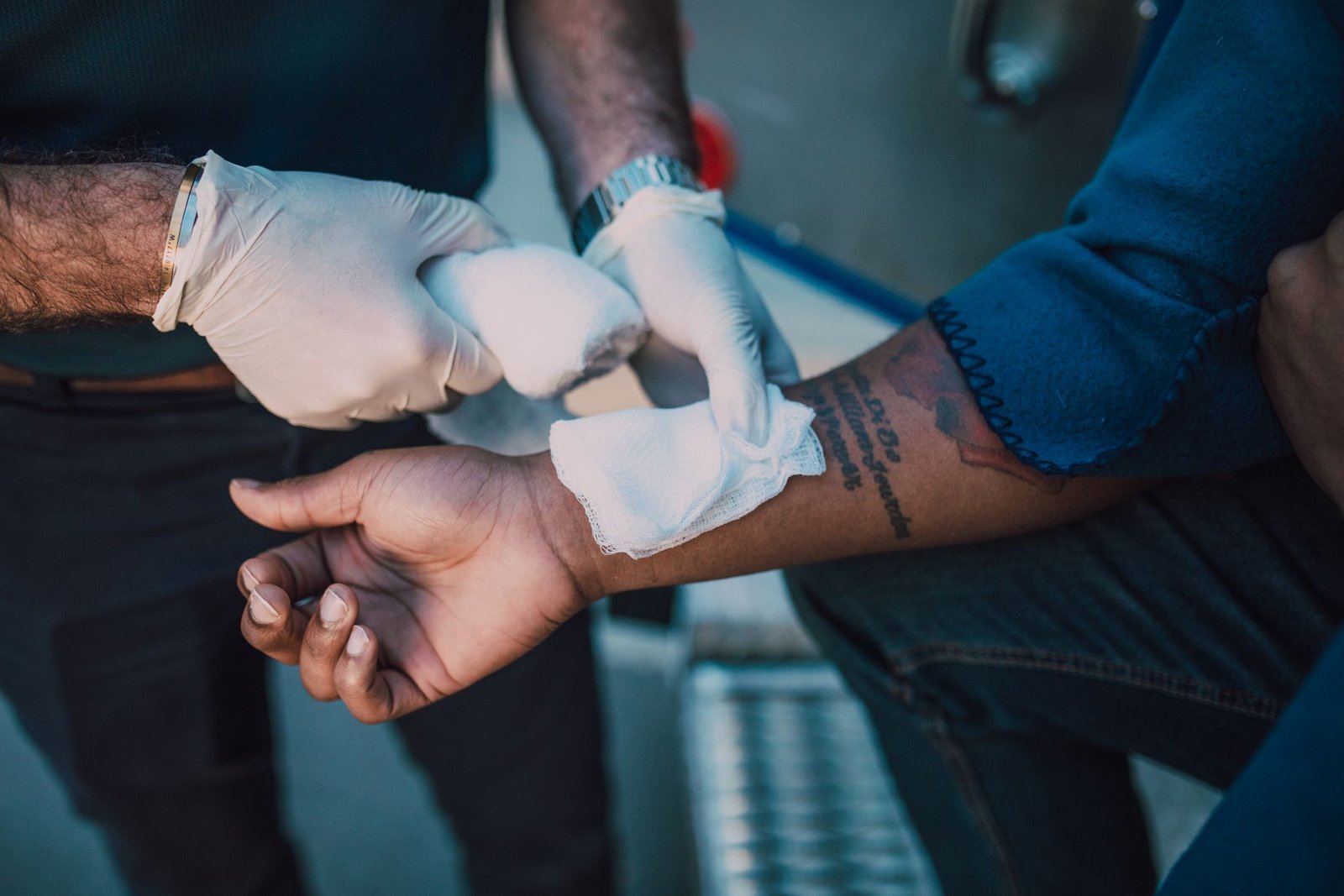
Quick answer: An elbow dislocation happens when the bones of the elbow joint are forced out of their normal position, most often from a fall onto an outstretched arm or a direct collision, and it needs to be put back into place by a medical professional immediately rather than at home. Once properly reduced and…
-
Rotator Cuff Tear Red Flags: When Physio Isn’t Enough
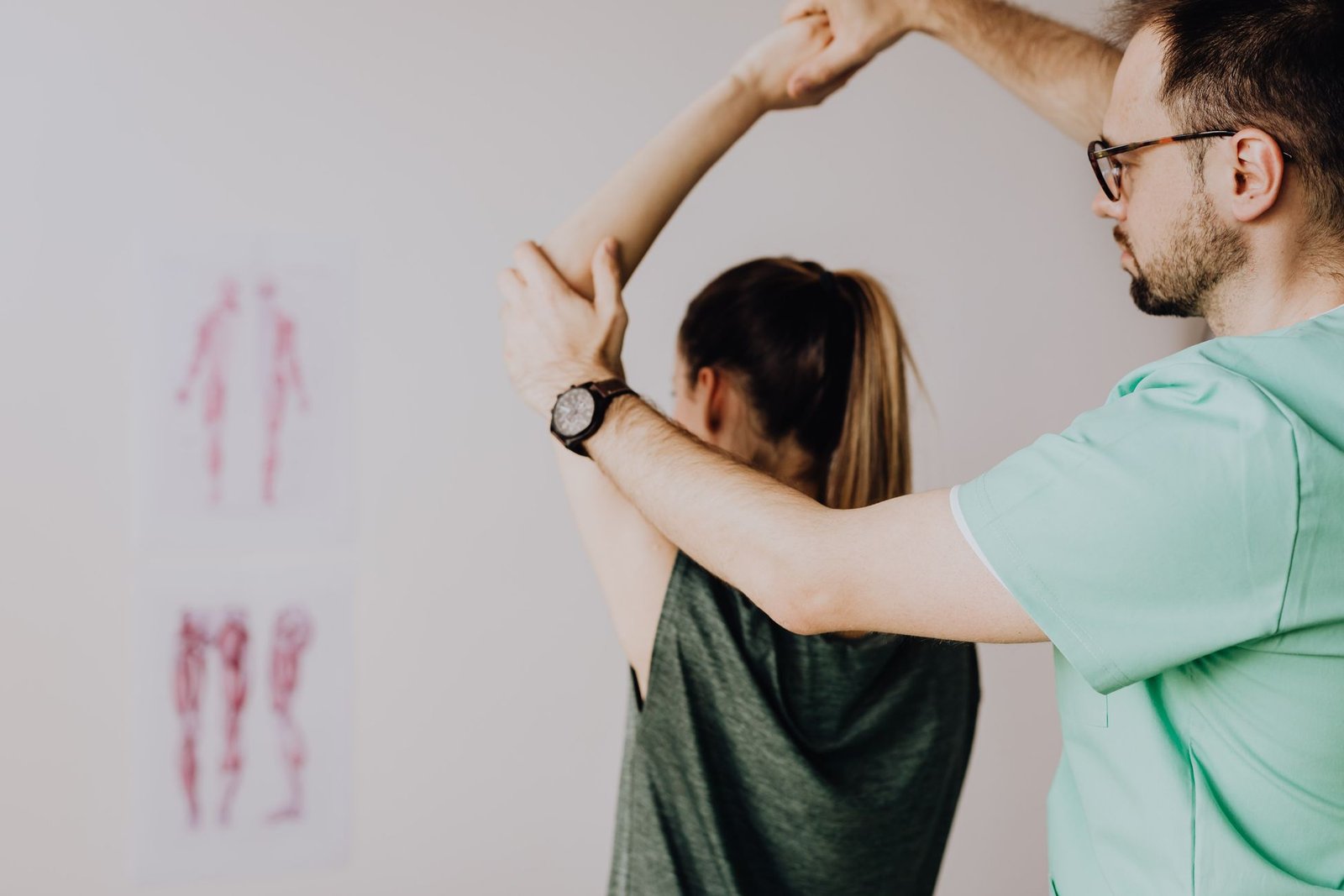
Quick answer: Most rotator cuff issues genuinely do improve with well-guided physiotherapy, so the rotator cuff tear red flags that suggest you need more than exercise are the exception, not the rule. These include significant ongoing weakness that isn’t shifting, a genuine inability to lift the arm away from the body, a clear traumatic onset…
-
SLAP Tear: Symptoms, Treatment And Recovery
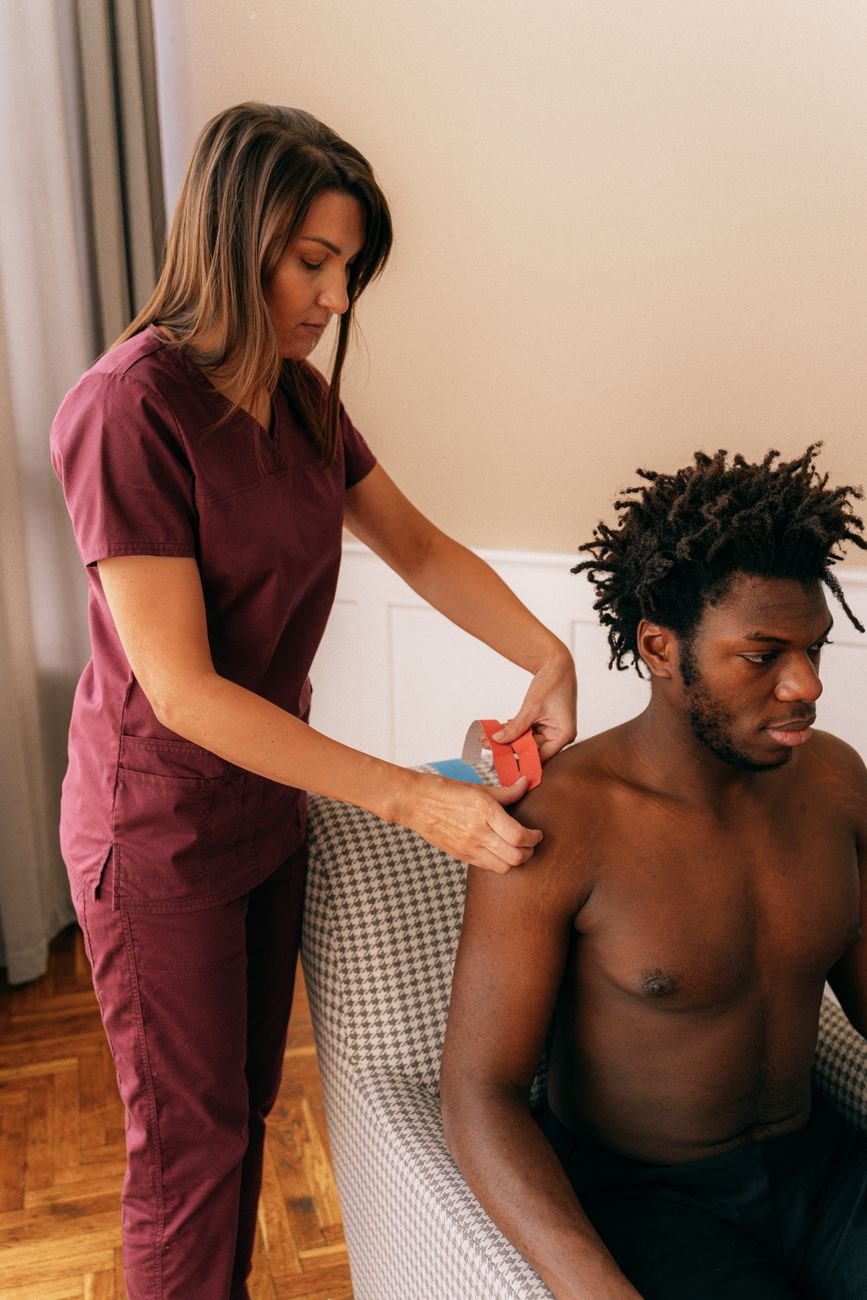
Quick answer: A SLAP tear is damage to the labrum at the top of the shoulder socket, right where the biceps tendon attaches, and it typically causes deep shoulder pain along with catching or clicking during overhead movement. SLAP tear physical therapy treatment is genuinely the right starting point for most cases, though how well…
-
Torn Rotator Cuff Symptoms: How To Tell What You’re Dealing With
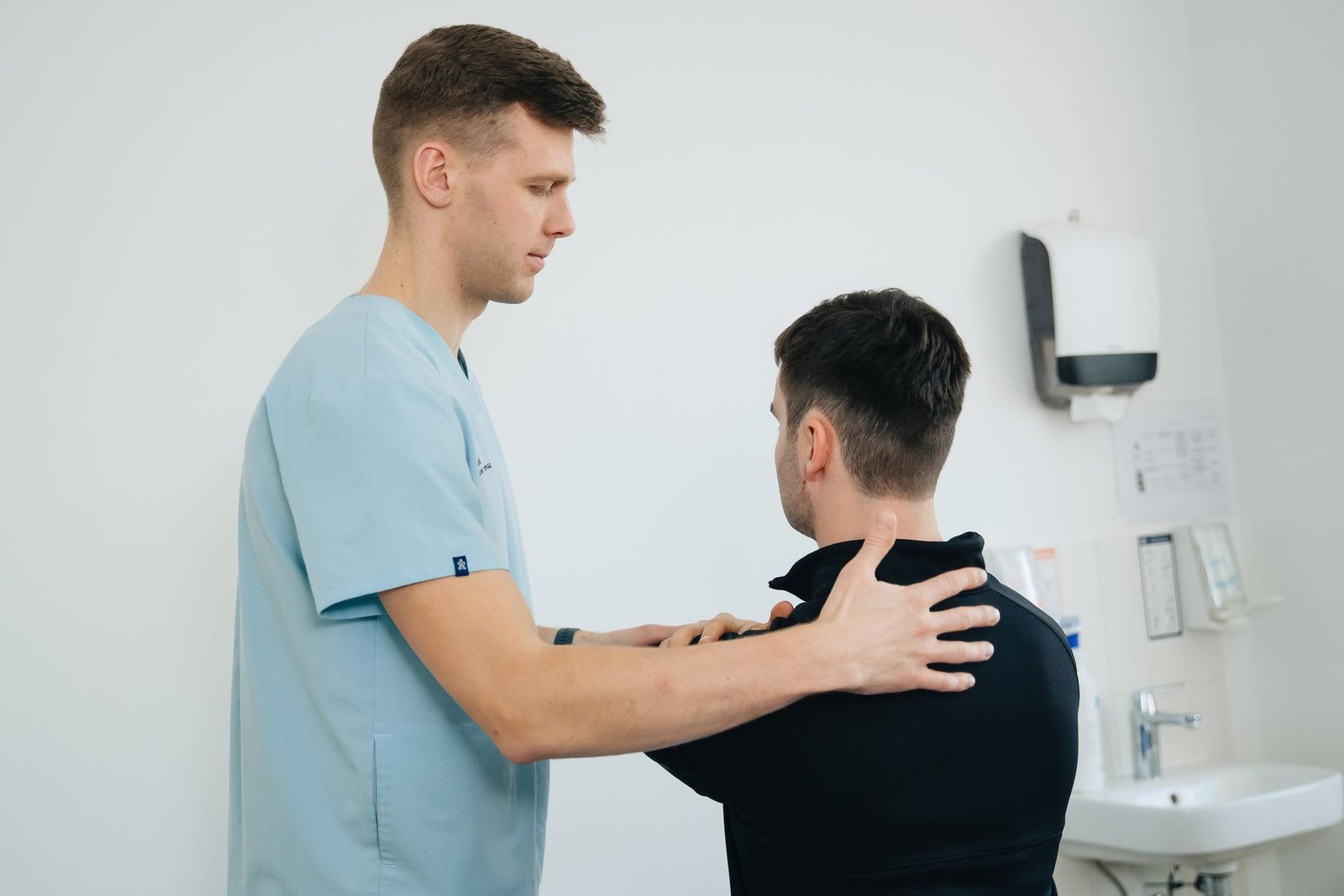
Quick answer: Torn rotator cuff symptoms typically include shoulder pain that’s worse at night or when lifting the arm overhead, along with genuine weakness during specific movements like reaching out to the side or rotating the arm. Which movement feels weak often points to which of the four rotator cuff muscles is affected, though pain…
-
Calf Strain Recovery: What Actually Works
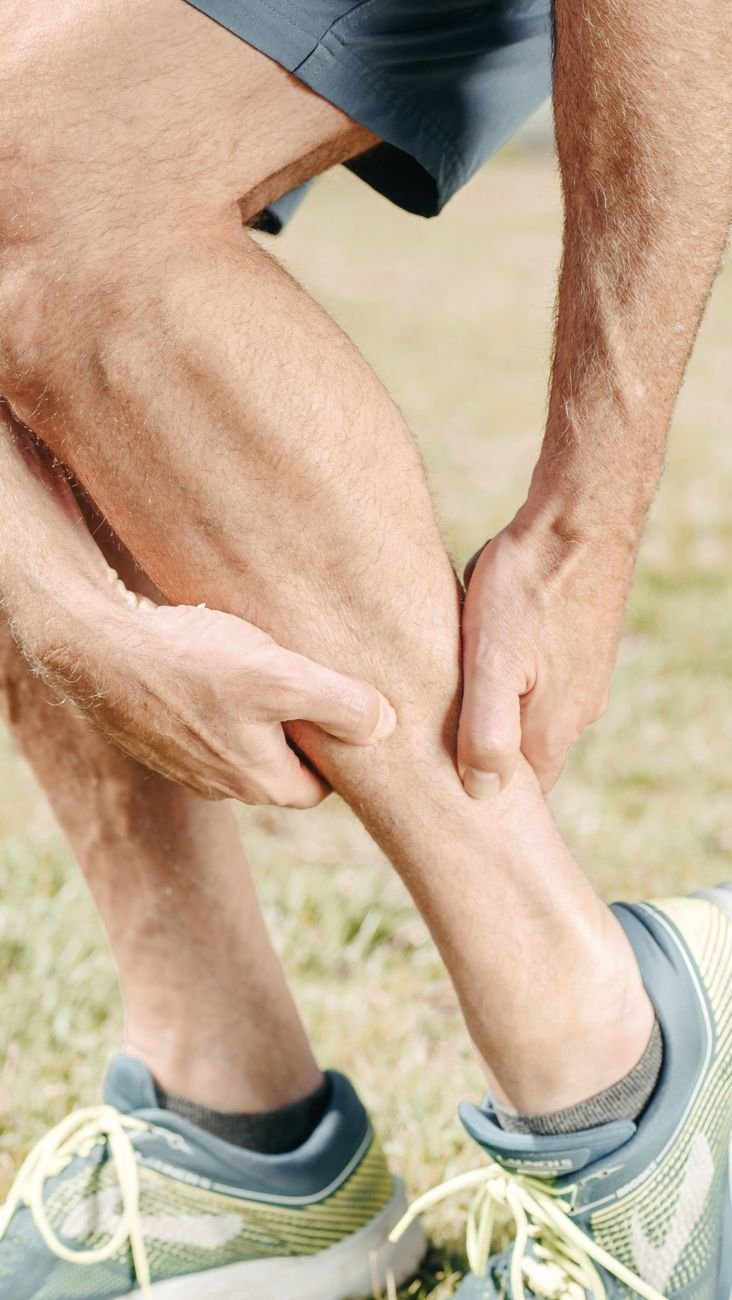
Quick answer: Calf strain recovery genuinely depends on the grade of the tear, ranging from two to four weeks for a mild grade one strain up to three to four months for a severe grade three tear. What actually determines whether it heals for good or keeps coming back isn’t the initial rest period, it’s…
-
Ligament Damage: Signs, Causes & Fixes
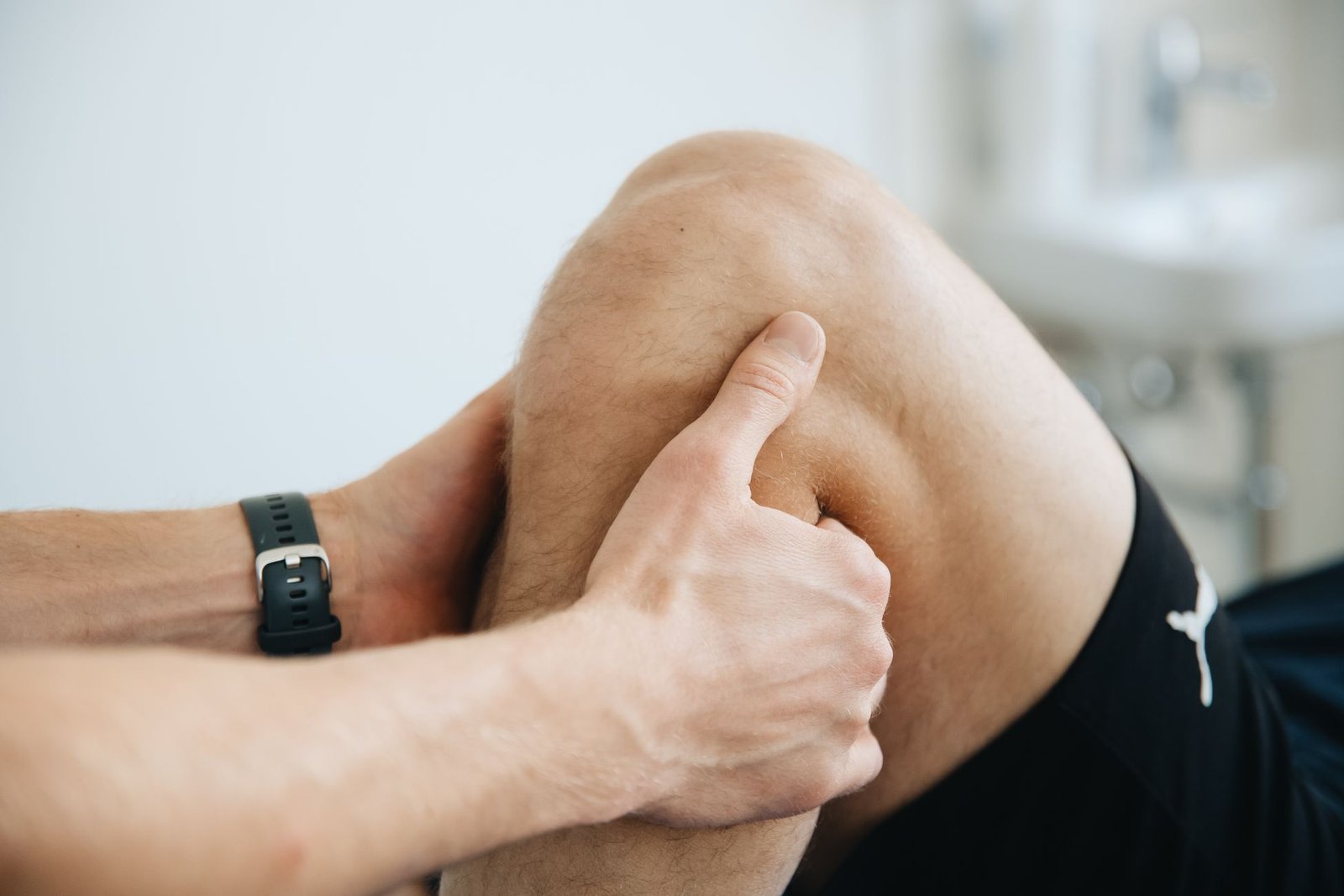
Quick answer: Ligament damage happens when the tough, fibrous tissue connecting bone to bone gets stretched or torn, usually from a sudden twist, impact, or awkward landing during sport. Signs range from mild tenderness and swelling in a stretched ligament to visible bruising, joint instability, and real difficulty bearing weight in a full tear. The…
-
Quadratus Lumborum Pain: Causes & Recovery Tips
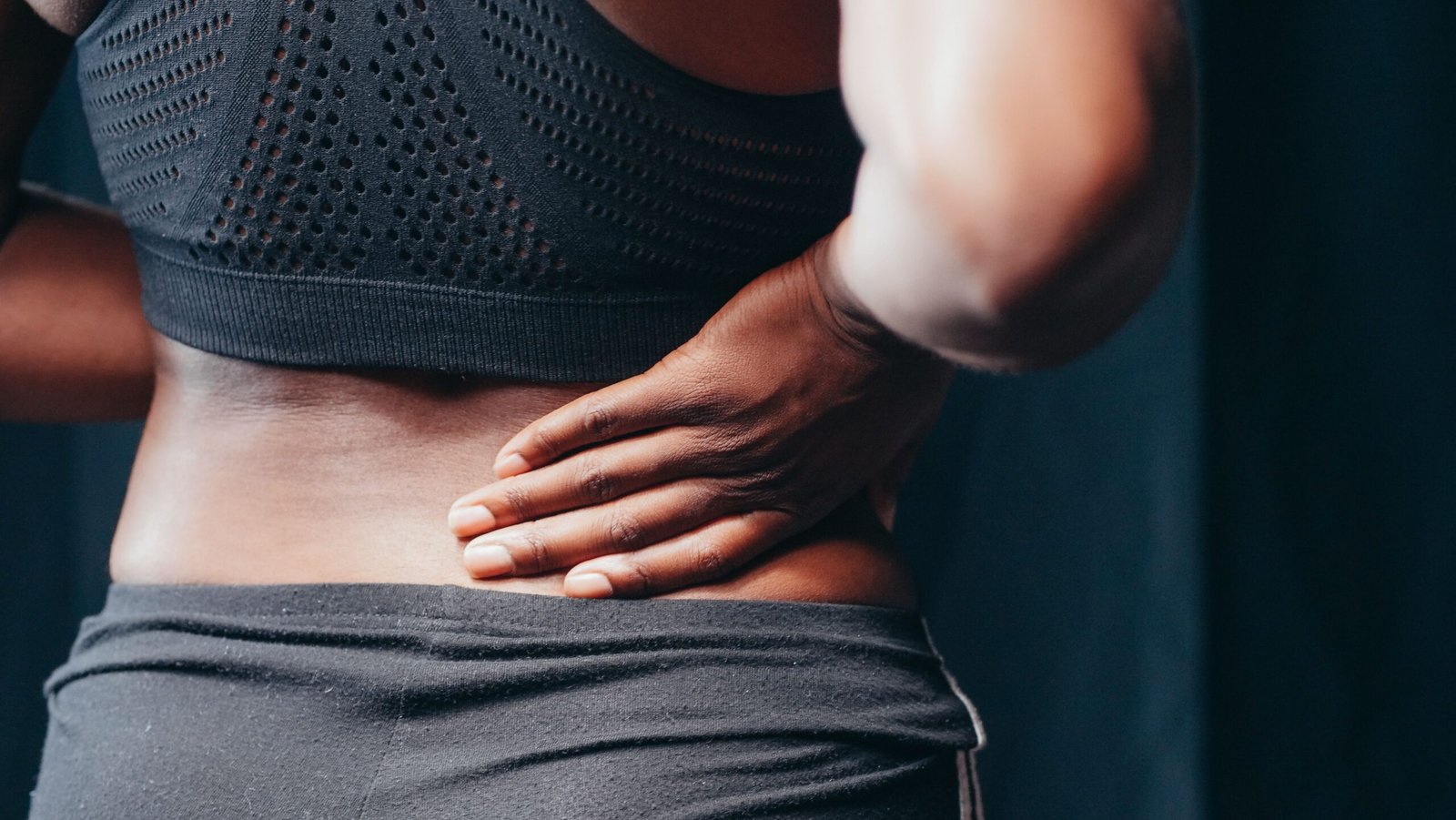
Quick answer: Quadratus lumborum pain is a deep, dull ache felt on one side of the lower back, roughly between your lowest rib and the top of your pelvis, caused by tightness or strain in the quadratus lumborum muscle. It tends to change with posture and movement rather than radiating down the leg, which is…
-
Deltoid Ligament Sprain: A Complete Guide
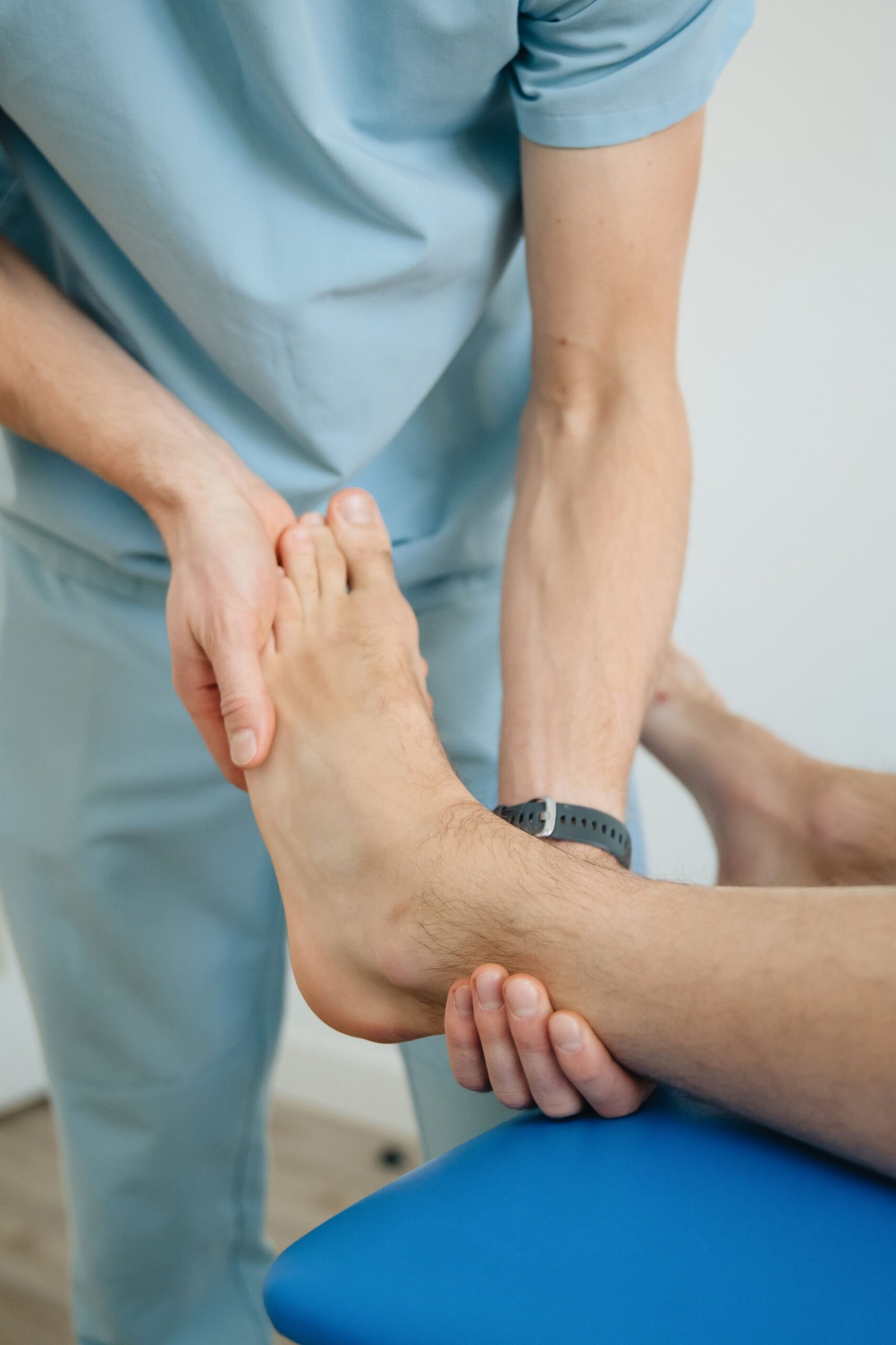
Quick answer: A deltoid ligament sprain is an injury to the strong, triangular ligament complex on the inside of your ankle, not the deltoid muscle in your shoulder, despite the confusingly identical name. It happens when the foot is forced outward at the ankle, and it’s considerably less common than the everyday ankle sprain, which…
-
Tibialis Posterior Tendon: What You Need To Know
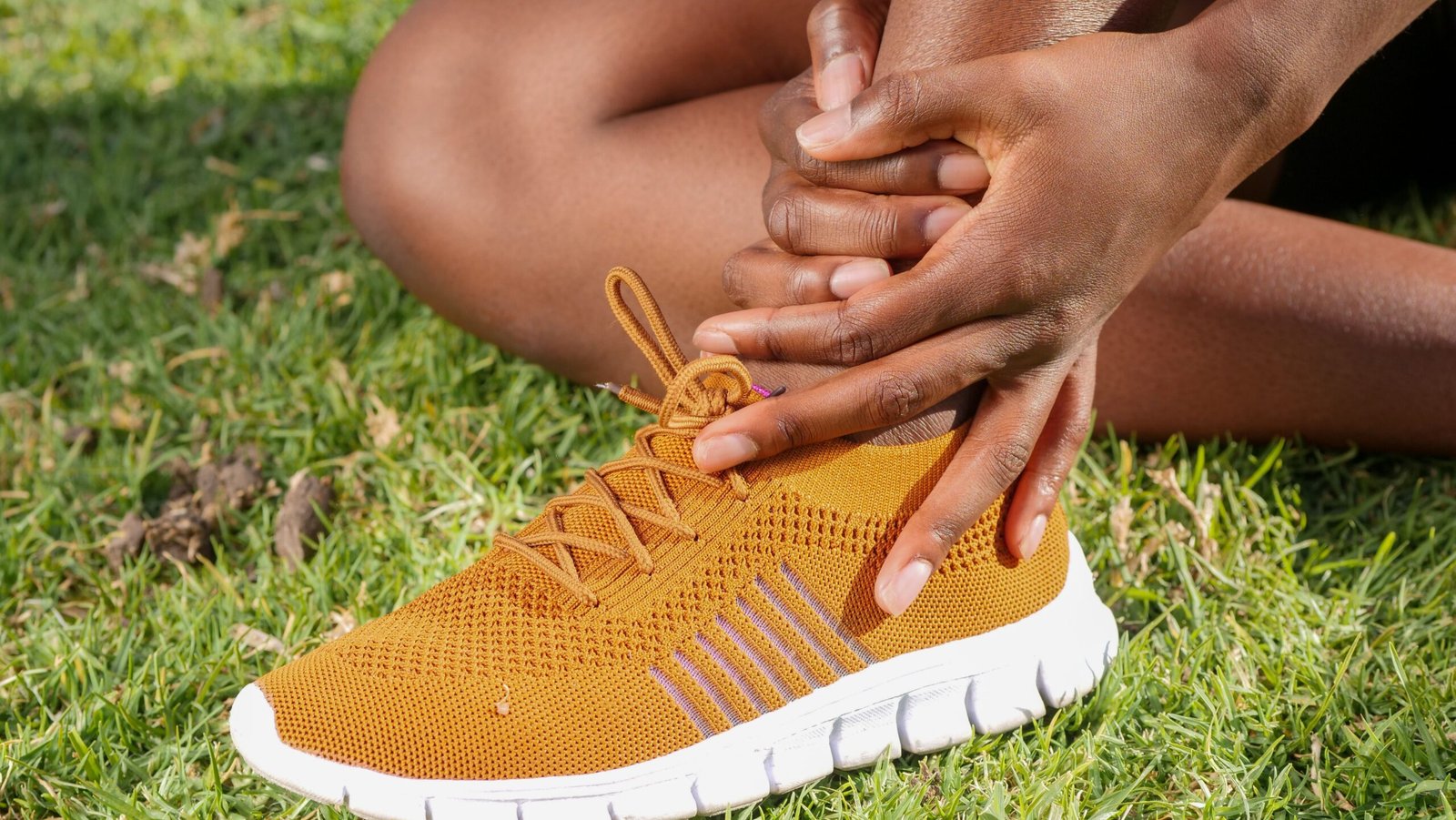
Quick answer: The tibialis posterior tendon runs behind the inside of your ankle and is one of the most important structures for holding up your arch and controlling how your foot moves during walking and running. It’s a common source of inner ankle and arch pain, particularly in runners and people with flatter feet, and…
-
Muscle Recovery: Explained Simply
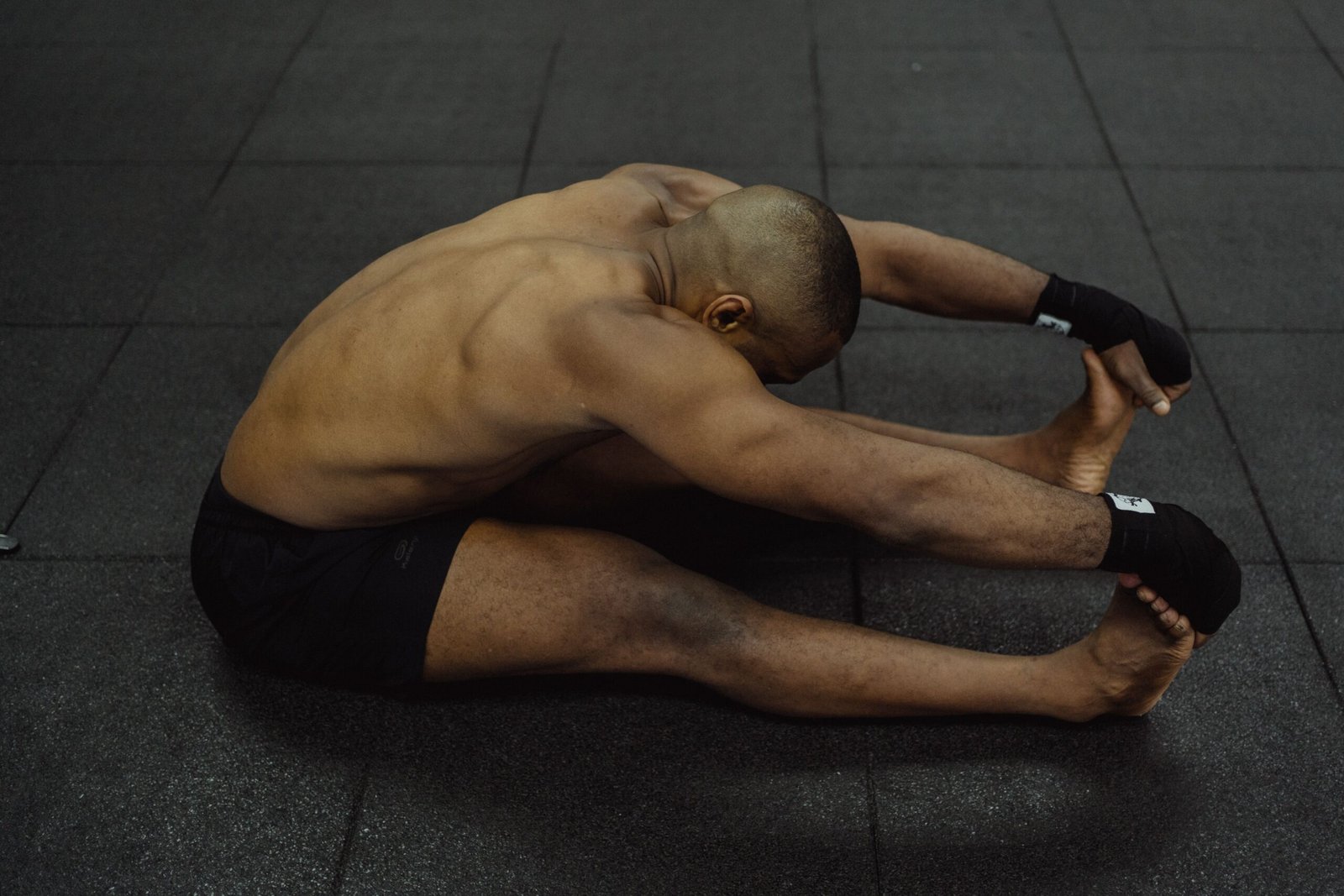
Quick answer: Muscle recovery is the process your body goes through to repair the microscopic muscle damage caused by exercise, rebuild the tissue stronger, and restore energy stores so you’re ready to train again. It depends on a combination of sleep, adequate overall nutrition, and sensible training load, with hands-on treatments like sports massage and…