
Latest posts
-
Torn Ligament: What Actually Works
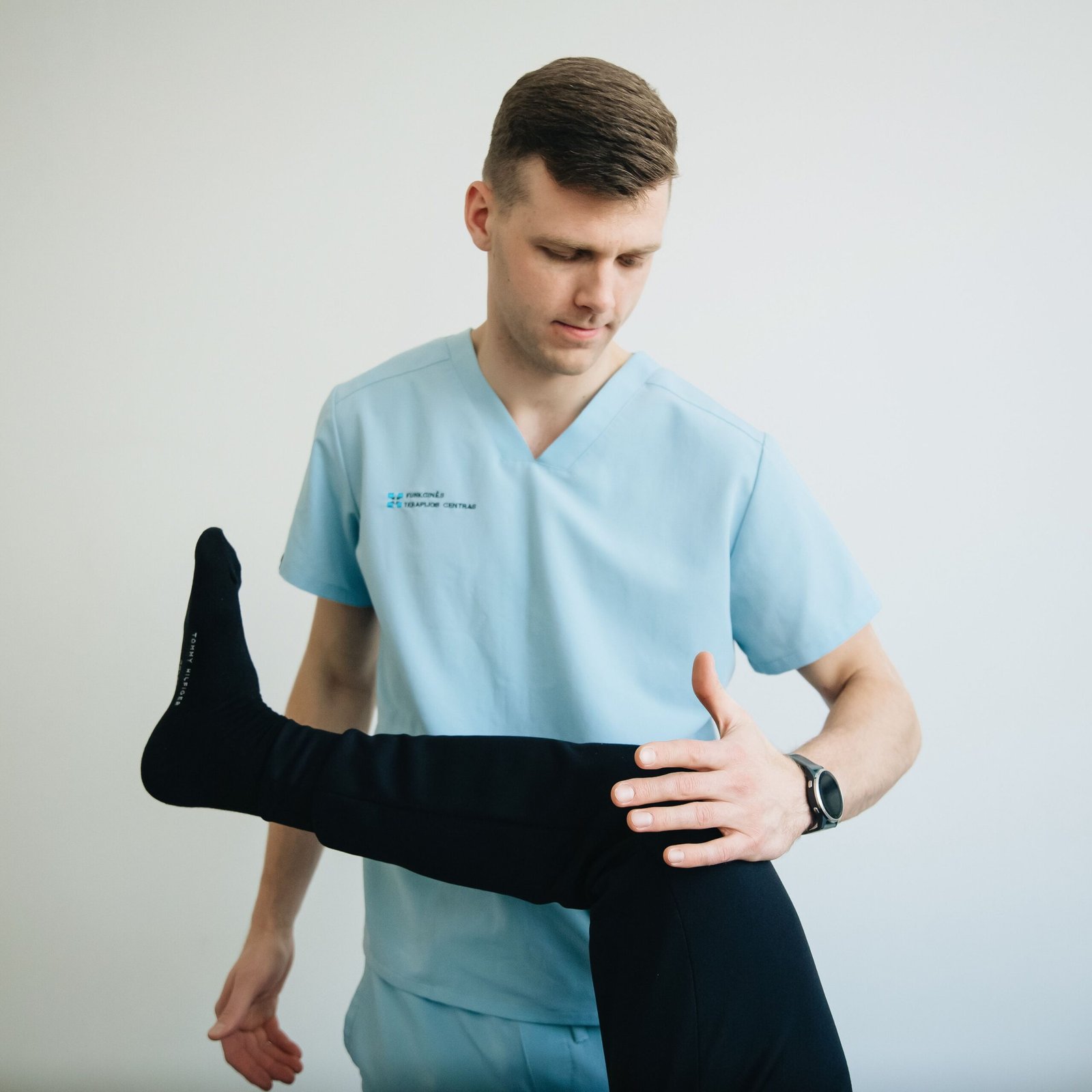
Quick answer: A torn ligament can mean anything from a mild grade 1 sprain that settles in a couple of weeks to a complete grade 3 rupture that may need surgery, and the right treatment depends heavily on which ligament is involved, not just how bad it feels. Ligaments like the MCL have a good…
-
Quad Strain: Signs, Causes & Fixes
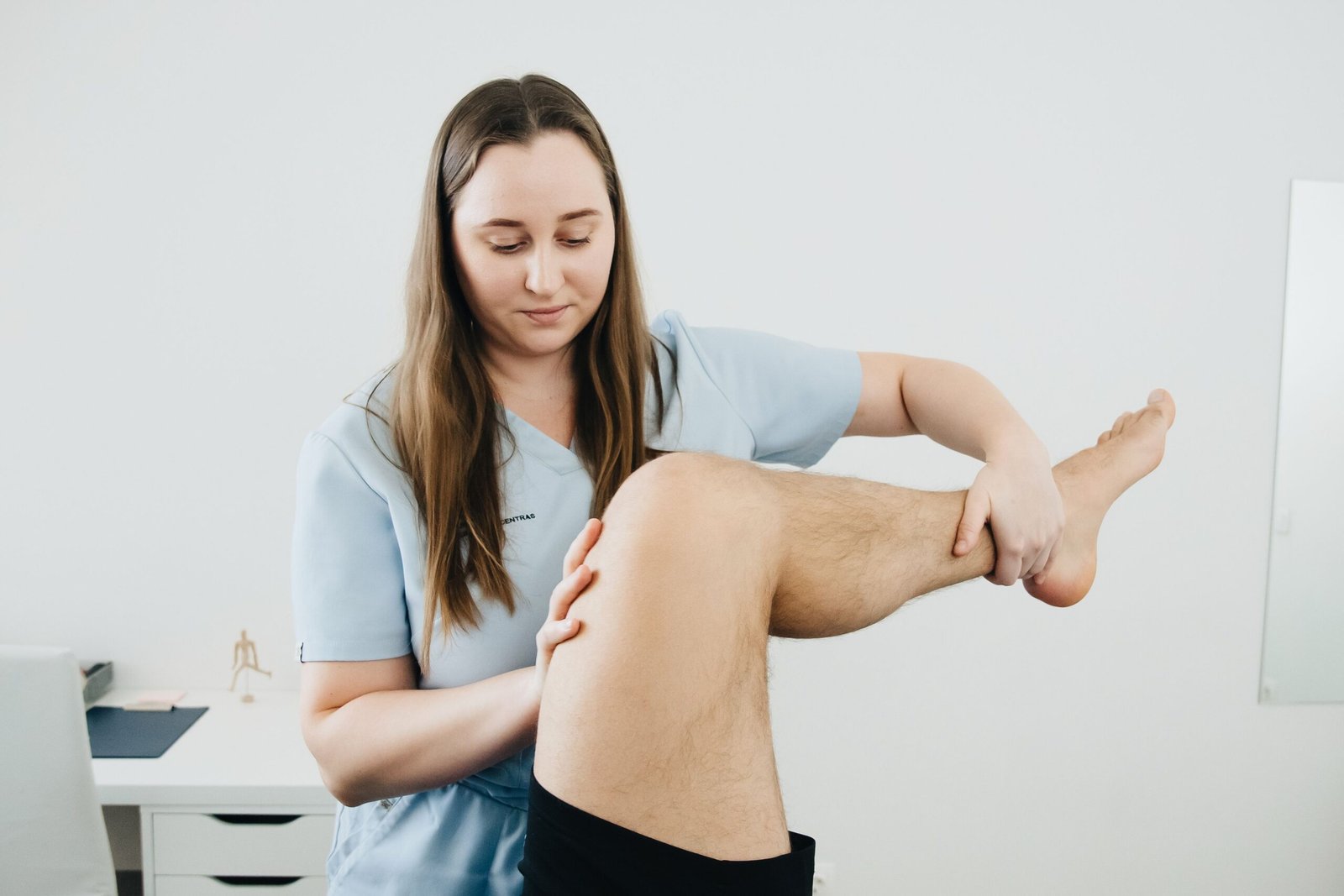
Quick answer: A quad strain is a tear in the quadriceps muscle at the front of the thigh, ranging from a mild grade 1 tightness you can run through to a grade 3 complete tear that needs crutches and a clinical assessment. Grade 1 strains often settle within one to three weeks, grade 2 tears…
-
Rhomboid Muscle Pain: Causes & Recovery Tips

Quick answer: Rhomboid muscle pain is usually a dull, aching sensation between the shoulder blades caused by poor posture, overuse, or training that involves a lot of rowing or pulling movements. Most cases settle well with load management, targeted stretching and strengthening, and hands-on treatment like sports massage, though pain accompanied by chest tightness, shortness…
-
Posterior Tibial Tendonitis: A Complete Guide
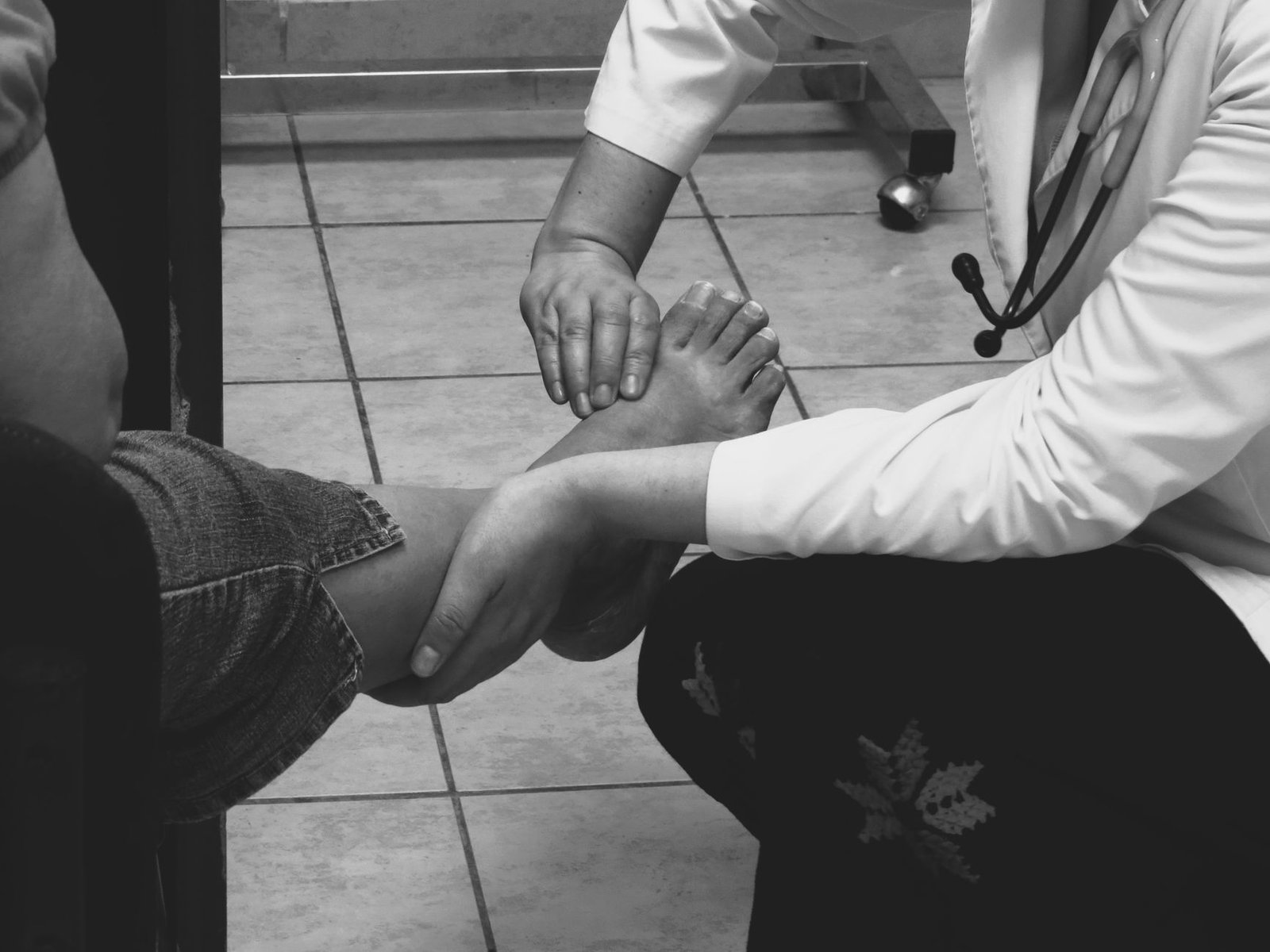
Quick answer: Posterior tibial tendonitis is irritation or overload of the tendon that supports your inner ankle and arch, usually from overuse, poor footwear, or biomechanical factors like flat feet. Most cases respond well to load management, footwear changes, and guided rehab when caught early, though ignoring persistent symptoms can allow the condition to progress…
-
Sprained Ankle Exercises: Causes & Recovery Tips
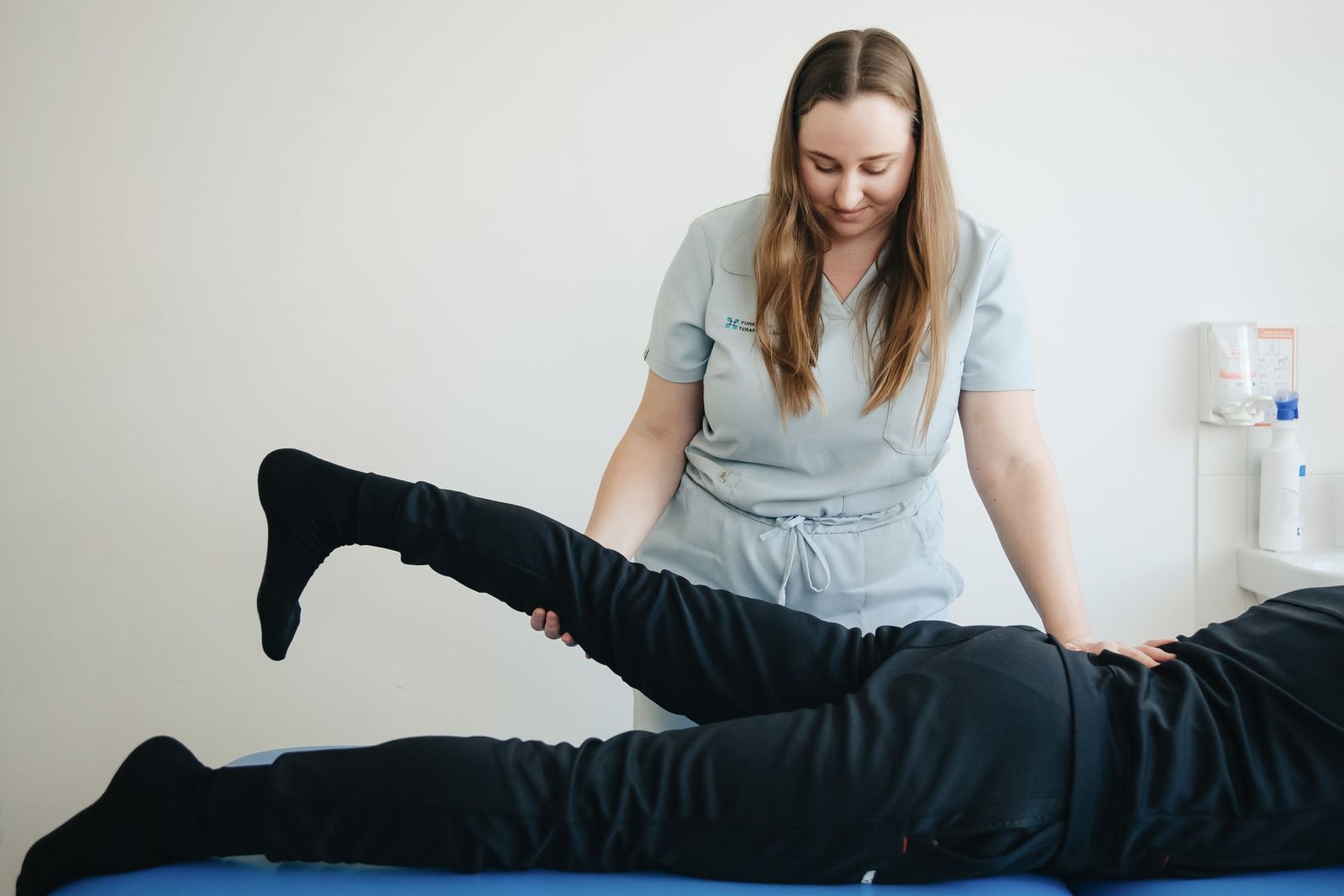
Quick answer: Gentle sprained ankle exercises can usually begin within the first three to seven days after injury, starting with simple range-of-motion movements, then progressing to strengthening and balance work as pain allows over the following weeks. Many people find pushing straight to strength or balance work too early, before basic movement is comfortable, is…
-
Shin Pain Treatment: A Complete Guide
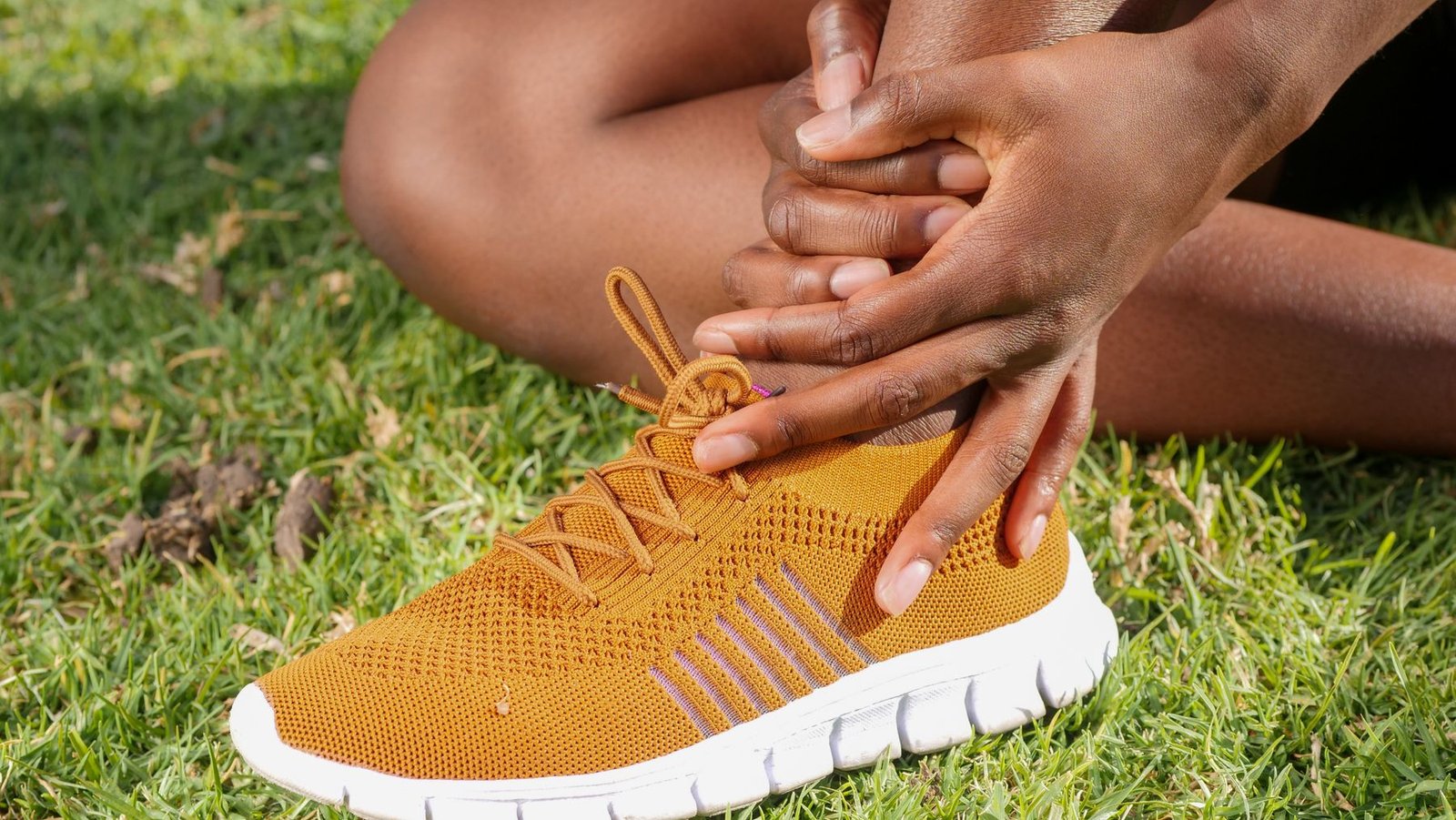
Quick answer: Shin pain treatment genuinely depends on the actual cause, and shin splints, stress fractures, tendinitis, and the much rarer compartment syndrome all produce pain in roughly the same area but behave differently and need different approaches. Shin splints typically ease somewhat with rest and worsen with activity, stress fractures often cause pain that’s…
-
Shin Splint Exercises: What You Need To Know
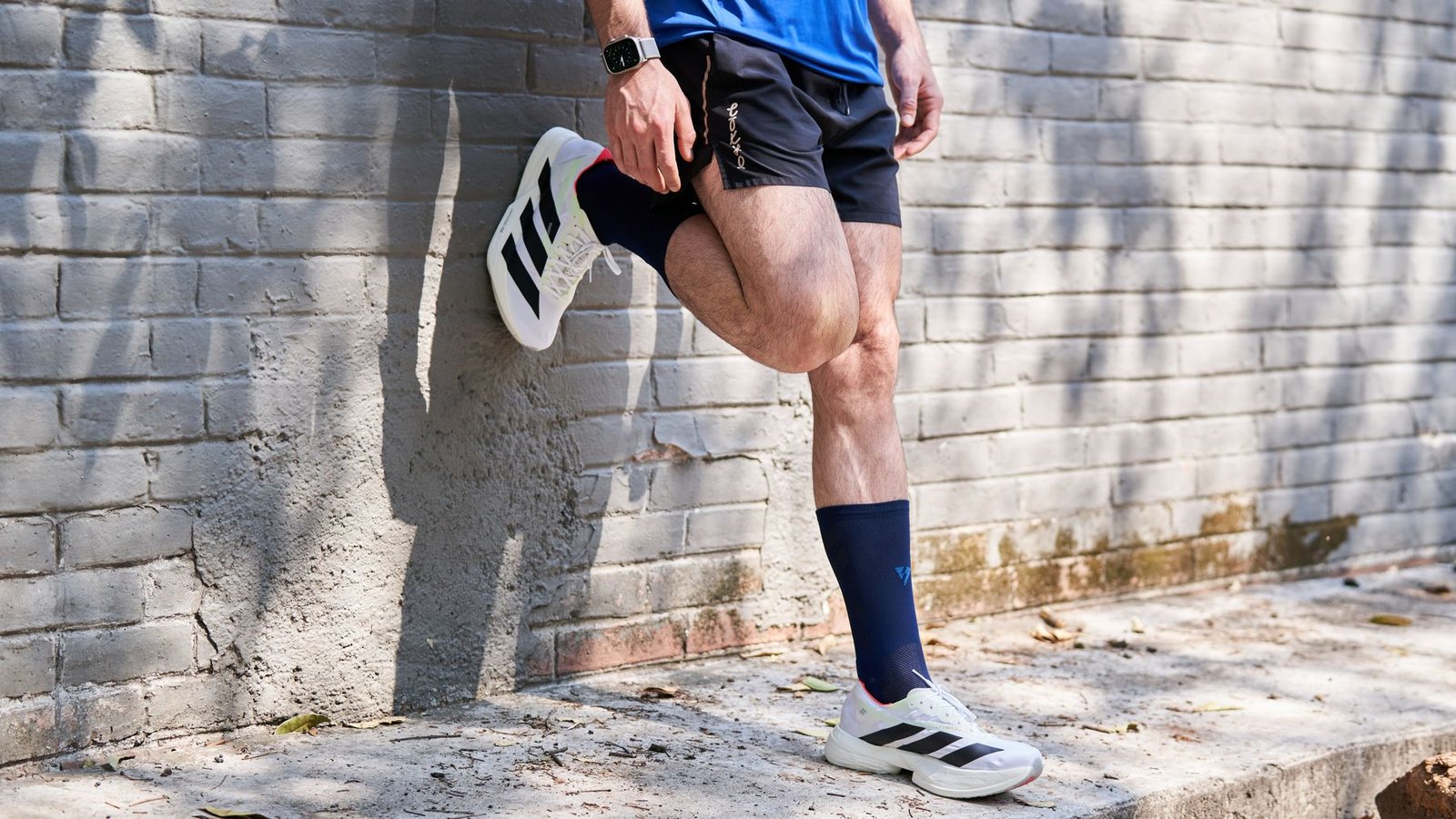
Quick answer: Safe, effective shin splint exercises follow a clear progression: gentle mobility and pain-easing work first, then calf and tibialis anterior strengthening once the acute pain has settled, giving each stage roughly four to six weeks before expecting real results. Many people find toe raises and calf raises, done consistently with slow, controlled reps,…
-
Medial Ankle Ligaments: Explained Simply
Quick answer: The medial ankle ligaments, together called the deltoid ligament complex, are a strong, fan-shaped group of ligaments on the inside of the ankle that connect the shin bone to the foot bones below, stopping the ankle from rolling too far outward and keeping the joint stable during everyday movement and sport. They’re thicker…
-
Ankle Rehab Exercises: What Actually Works
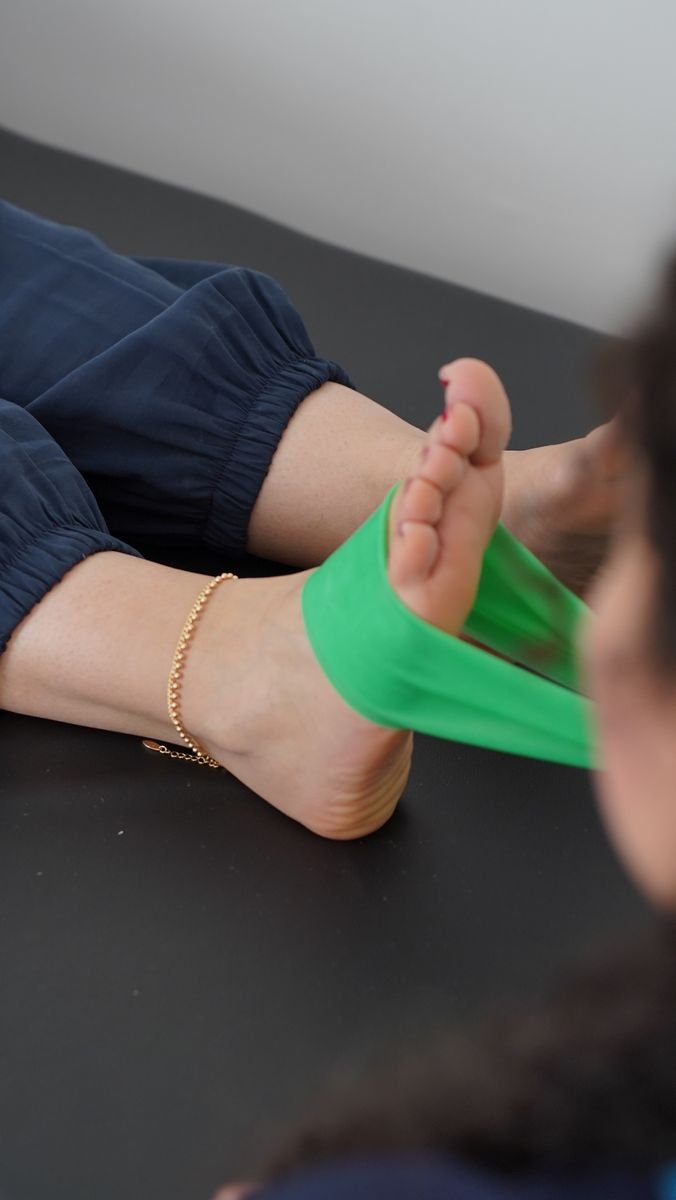
Quick answer: Ankle rehab exercises that actually work follow a genuine phased progression, restoring range of motion first, then strength and balance, then power and sport-specific movement, rather than a static list of the same five moves repeated regardless of where you are in recovery. Many people find they plateau precisely because they never progress…
-
How To Cure Shin Splints: A Step-By-Step Guide

Quick answer: Working out how to cure shin splints properly means four things in order: cutting training load to a genuinely pain-free level rather than stopping completely, managing pain with ice and smart footwear choices, rebuilding calf and shin strength once the acute pain settles, and fixing whatever actually caused the overload in the first…