
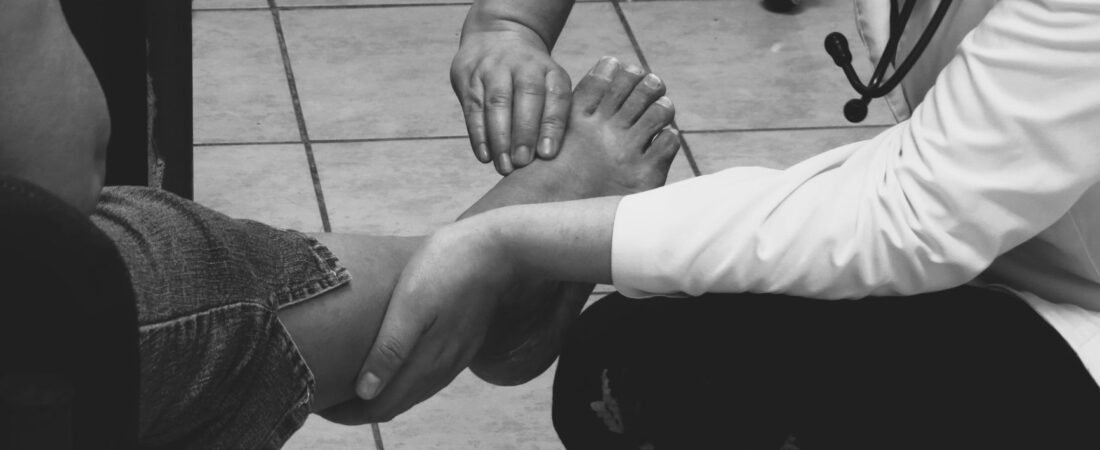
Quick answer: Posterior tibial tendonitis is irritation or overload of the tendon that supports your inner ankle and arch, usually from overuse, poor footwear, or biomechanical factors like flat feet. Most cases respond well to load management, footwear changes, and guided rehab when caught early, though ignoring persistent symptoms can allow the condition to progress toward a more serious arch collapse. Catching it early and getting a proper clinical assessment makes a real difference to how straightforward treatment ends up being.
If you’ve got a dull ache tracking along the inside of your ankle, maybe worse after a run or a long day on your feet, and someone’s mentioned the words “posterior tibial tendon” to you, it’s natural to jump straight to worst-case thinking. Does this mean your flat feet are going to get worse? Are you looking at surgery down the line? Take a breath. Posterior tibial tendonitis is genuinely common, especially in runners and people who spend a lot of time upright, and in our experience the overwhelming majority of cases respond well to the right treatment, especially when they’re caught early. This guide walks through what the tendon actually does, how to recognise where you’re at, and what real, honest treatment looks like.
What The Posterior Tibial Tendon Does And Why It Gets Irritated
The posterior tibial tendon runs from a muscle deep in your calf, behind your shin bone, down and around the inside of your ankle bone, before attaching along the underside of your foot. Its job is deceptively simple but hugely important: it’s one of the main structures holding up your arch and controlling how your foot rolls as you walk and run. Every time your foot strikes the ground, this tendon is working to stop your arch collapsing inward too far, a movement called overpronation.
Because it’s doing that job on every single step, it’s a tendon that copes brilliantly with normal use but can get overwhelmed quickly when the demand on it goes up faster than it can adapt. A sudden jump in running mileage, a switch to less supportive footwear, standing for long stretches on hard floors, or simply having a naturally flatter foot shape that puts more strain on the tendon day to day, all of these can tip it from coping into irritated. It’s rarely one single dramatic moment, more often a slow build that eventually announces itself as pain.
Age plays a role too, since the tendon’s blood supply naturally becomes less generous over the years in a particular stretch just behind the inner ankle bone, which is part of why posterior tibial tendonitis shows up more often in people in their forties and beyond, though it’s certainly not limited to that age group. Body weight and general activity level factor in as well, simply because both change how much load the tendon is asked to absorb on a daily basis.
Recognising The Symptoms, Early To Advanced
In the earliest stage, posterior tibial tendonitis usually shows up as a mild ache or tenderness along the inside of the ankle, sometimes with a bit of swelling in that area, that tends to flare with activity like running or standing and settle with rest. Many people notice it first after exercise rather than during it, and it’s easy to write off as general tiredness in the foot.
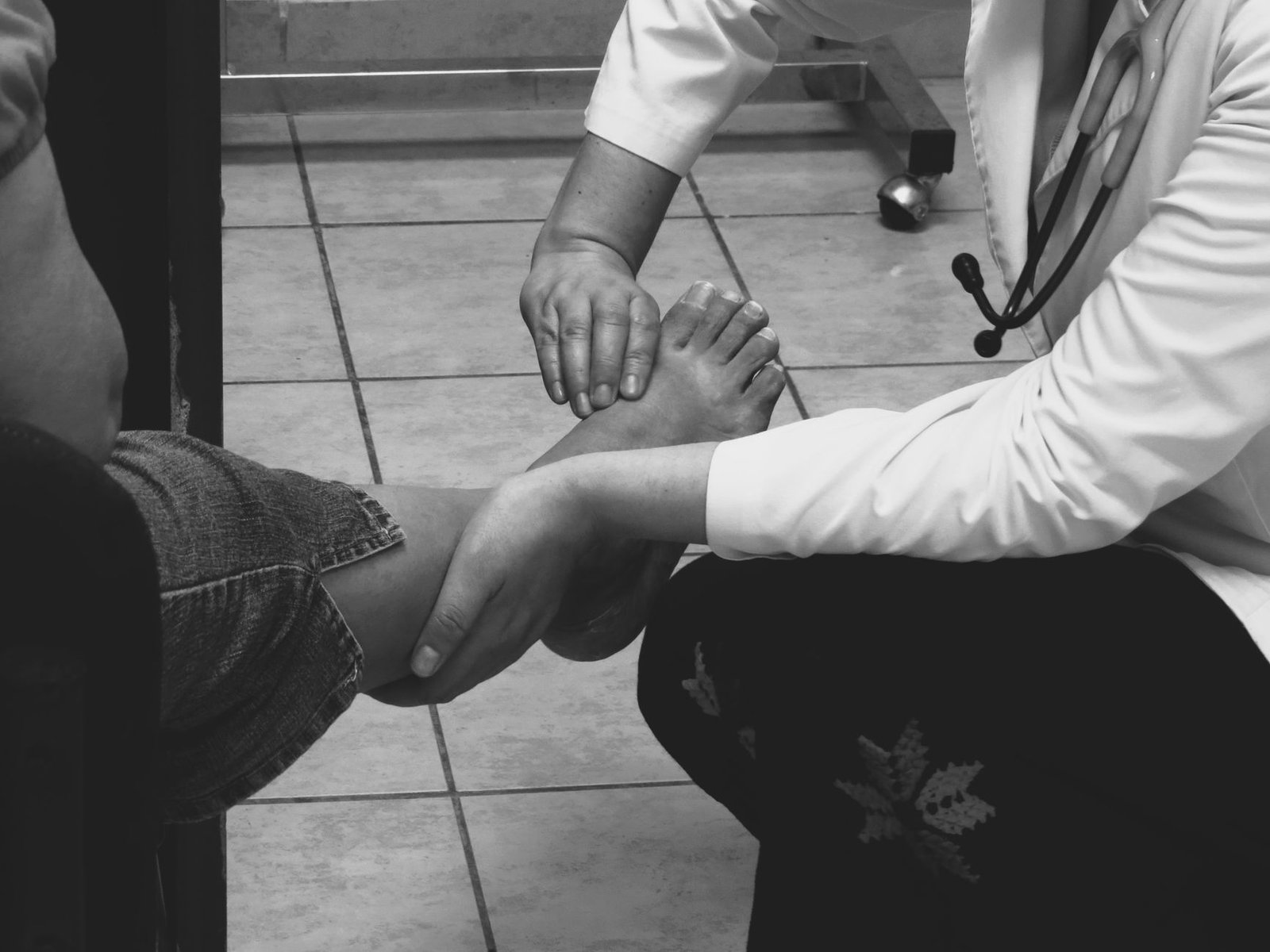
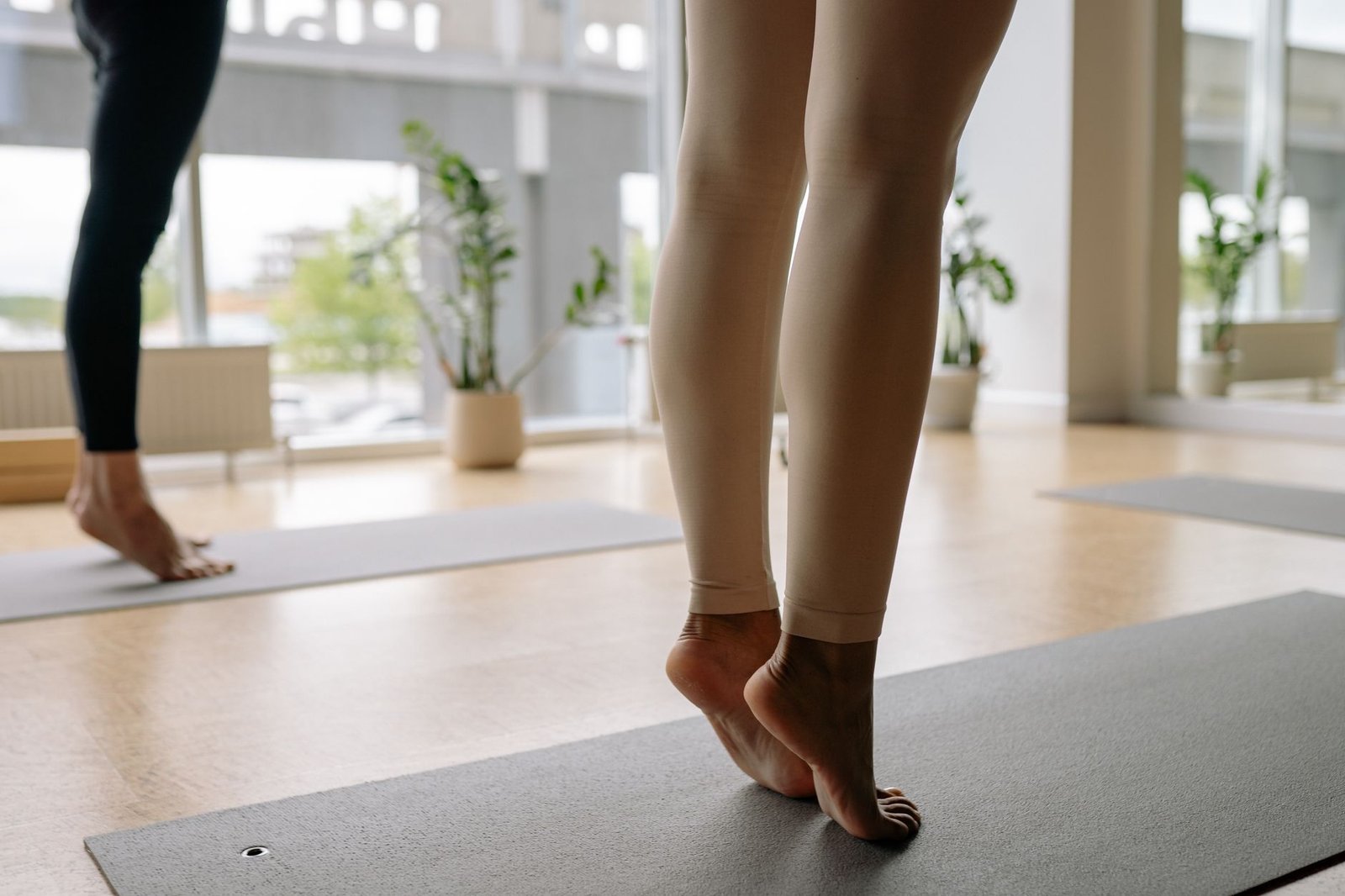
As it progresses without being addressed, the pain can become more persistent and start showing up during normal walking, not just exercise. You might notice your arch looking slightly lower than it used to, or that your foot seems to roll inward more than the other side when you look at your shoes’ wear pattern or watch yourself walk in a mirror. A genuinely useful self-check some clinicians use is the single-leg heel raise: standing on the affected foot and trying to rise up onto your toes. Weakness, pain, or real difficulty completing that movement compared to the other side is a strong signal the tendon is struggling and worth having assessed properly rather than pushed through.
How It Progresses If Left Untreated
This is the part that genuinely matters most, and it’s the bit most general foot pain articles skip past. Posterior tibial tendonitis isn’t a condition that simply plateaus if you ignore it, it tends to move through recognisable stages, and catching it early changes the whole picture. In the first stage, the tendon itself is irritated and possibly a little swollen, but the arch hasn’t actually changed shape yet, and research suggests this is the stage with by far the best outlook for a full recovery without surgery.
Left unaddressed, the tendon can start to lengthen and weaken, and this is where a real, sometimes visible change in the arch begins, along with the classic “too many toes” sign clinicians look for, where more of your toes become visible from behind than on the unaffected side as the foot rolls outward. If it’s allowed to progress further still, the pain often shifts from the inner ankle toward the outer side of the foot, near the ankle bone, as the changed foot position starts loading structures that were never meant to take that pressure, and the deformity itself becomes stiffer and less flexible. In the most advanced stage, the ankle joint itself can become involved, with arthritic changes that are a great deal harder to treat than tendon irritation ever was. The whole reason this staged progression matters isn’t to alarm you, it’s that the earlier stages genuinely do respond best to conservative, non-surgical care, so a nagging ache you’ve been ignoring for months is worth far more attention than the same ache on day one.
Treatment Options From Rest To Bracing
Conservative treatment is the starting point for the vast majority of posterior tibial tendonitis cases, and it usually begins with simply reducing the load that’s aggravating the tendon, whether that’s cutting back running volume, swapping out unsupportive footwear, or adjusting time spent standing, rather than stopping activity altogether. Ice and appropriate rest in the early, more inflamed phase can help settle acute symptoms down.
Footwear genuinely matters here more than people expect, since shoes with proper arch support and motion control can take real strain off the tendon during daily activity. For persistent or more advanced cases, a custom or off-the-shelf orthotic insert is often introduced to support the arch directly, and in some cases a short period in a supportive brace or boot is recommended to properly offload the tendon while it settles. Alongside all of this, a structured strengthening programme targeting the calf and the tendon itself, built up gradually under guidance, is what tends to make the real long-term difference rather than rest alone. Which combination of these makes sense for you really does depend on how advanced things are, which is exactly why a proper clinical assessment matters before you settle on a plan.
How Sports Rehab Supports Recovery
Once you’ve had a proper assessment and know roughly where things stand, this is where a structured rehab plan earns its keep. At Impact Sports Rehabilitation, a Rehabilitation Consultation starts with actually understanding your specific tendon, your training or daily activity demands, and your foot’s own biomechanics, rather than handing you a generic sheet of calf raises and hoping for the best.
From there, many clients find Rocktape kinesiology taping genuinely useful during the strengthening phase, giving the arch a bit of extra support and sensory feedback as load is gradually reintroduced. Sports massage can also help manage the tightness that builds up in the calf as it compensates while the tendon settles down. None of this replaces the foundational strengthening work, but most clients notice it makes the process feel a lot less like guesswork and a lot more like a plan actually built around their foot.
Returning To Running Or Training Safely
Getting back to running or your usual training is very much possible for most people who follow through with proper rehab, but the way you get there matters. A tendon that’s settled down at rest can still be a long way from tolerating the repetitive load of running, so a genuinely safe return usually involves a gradual reintroduction, starting with walking, then a run-walk progression, before building back toward your normal mileage, all while keeping an eye on whether symptoms creep back in.
A useful rule many clinicians use is that some mild awareness during activity is often acceptable, but pain that lingers well after you’ve stopped, or that’s getting worse session to session rather than better, is a sign you’ve progressed too quickly. Our guide to ankle rehab exercises covers some of the broader strengthening and control work that pairs well with tendon-specific rehab during this phase. Patience here genuinely pays off, since rushing back is one of the most common reasons this kind of tendon irritation becomes a repeat problem rather than a one-off.
If that inner ankle ache has been nagging at you for a few weeks now, or you’ve noticed your arch isn’t quite what it used to be, it’s worth getting it looked at properly rather than hoping it settles on its own. Impact Sports Rehabilitation works with runners and everyday athletes across Eccles, Salford, Trafford, and the wider Greater Manchester area on exactly this kind of tendon rehab. Ask about an online consultation if you’re further afield.
Frequently Asked Questions
Is posterior tibial tendonitis the same thing as flat feet?
Not exactly, though the two are closely linked. Posterior tibial tendonitis is irritation of the tendon itself, and if it’s left untreated for long enough it can eventually lead to a genuine flattening of the arch, but plenty of people with naturally flatter feet never develop tendon problems at all, and plenty of people with normal arches do.
Do I really need to stop running completely?
Not necessarily, and it really depends on how irritated the tendon currently is. Many people are able to modify rather than fully stop, cutting volume or intensity while the tendon settles, though a proper assessment is the only way to know whether your specific case needs a fuller break before easing back in.
Will I definitely need surgery for this?
Most cases of posterior tibial tendonitis, especially when caught in the earlier stages, are managed successfully without surgery through load management, footwear, orthotics, and strengthening. Surgery tends to be reserved for more advanced cases where the tendon and arch have already changed significantly, which is exactly why getting it looked at sooner rather than later matters so much.
How do I know if this is tendonitis or just a sprain?
Ankle sprains typically follow a specific twisting incident and involve ligament pain, usually more toward the outer or front of the ankle, while posterior tibial tendonitis tends to build up gradually along the inner ankle without one clear injury moment. If you’re genuinely unsure which one you’re dealing with, that’s a good reason to get it properly assessed rather than guess and risk treating the wrong thing.
Is it normal for this to keep coming back even after it settles down?
It shouldn’t be the norm if the underlying cause, whether that’s footwear, training load, or foot mechanics, has actually been addressed alongside the initial flare-up. Recurring symptoms are usually a sign that something contributing to the original irritation was never fully resolved, and that’s worth revisiting with a clinician rather than just treating each flare-up in isolation.
How long until I notice a real difference once I start treatment?
This varies a lot depending on how advanced things are when you start, but many clients notice some improvement within the first few weeks of consistent load management and strengthening, with fuller recovery taking longer. In our experience, consistency with the rehab plan matters more to the outcome than almost anything else.
This article is provided for general educational purposes by Impact Sports Rehabilitation and does not constitute medical advice, diagnosis, or treatment. It is not intended to help you diagnose the severity or stage of your own condition. Always seek the guidance of a doctor, podiatrist, or qualified health provider for a proper assessment of any suspected posterior tibial tendon issue.