
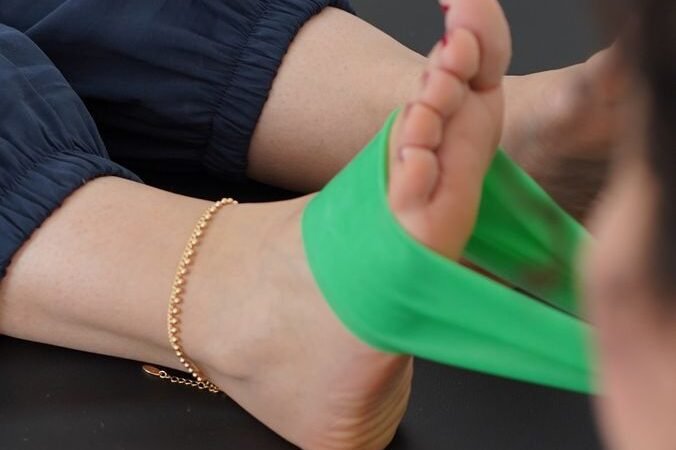
Quick answer: Ankle rehab exercises that actually work follow a genuine phased progression, restoring range of motion first, then strength and balance, then power and sport-specific movement, rather than a static list of the same five moves repeated regardless of where you are in recovery. Many people find they plateau precisely because they never progress past phase one, doing gentle ankle circles for months rather than moving on once they’re genuinely ready. If a specific movement causes sharp pain, stop and get properly assessed rather than pushing through it.
If you’ve searched “ankle rehab exercises” and landed on the same five moves, ankle circles, calf raises, resistance band work, on every single site, you’re not wrong to feel like something’s missing. Those exercises aren’t wrong, but a static list with no sense of when to progress or how to know you’re ready for the next stage isn’t actually a rehab plan. This is what a real, phased approach looks like instead.
Why Most Generic Ankle Rehab Exercises Lists Miss The Point
A list of five exercises assumes every ankle, at every stage of recovery, needs the exact same thing, which simply isn’t how rehab works. Real rehabilitation moves through distinct phases, protecting the joint first, then restoring motion, then rebuilding strength, then balance, then power and sport-specific demands, with progression based on how the ankle is actually responding, not a fixed number of days.
This is exactly why so many people plateau doing the same gentle exercises for months without real progress, or conversely push into advanced movements before the foundation is actually ready and end up re-aggravating things. Ankle rehab exercises only work as well as the plan they sit inside, and a plan needs phases, progression criteria, and someone checking whether you’ve actually met them.
Think about how differently a runner, a footballer, and a grappler eventually need to load their ankle once they’re back to full training. A static five-exercise list can’t account for any of that, since it was never written with your specific sport, injury history, or current phase of recovery in mind, only a generic idea of “an ankle injury” in general.
Phase One: Restoring Range Of Motion
Early on, once acute pain has started to settle, the priority is restoring normal movement in the joint. Gentle plantar flexion and dorsiflexion, pointing the foot and pulling it back toward you, can usually start within the first few days, with inversion and eversion movements, tilting the foot inward and outward, added in as swelling and pain allow.
The goal of this phase isn’t strength yet, it’s simply getting the joint moving through a comfortable, pain-free range again. Most people can move on from this phase within the first one to three weeks for a milder injury, once range of motion is close to matching the uninjured side.
Phase Two: Rebuilding Strength And Balance
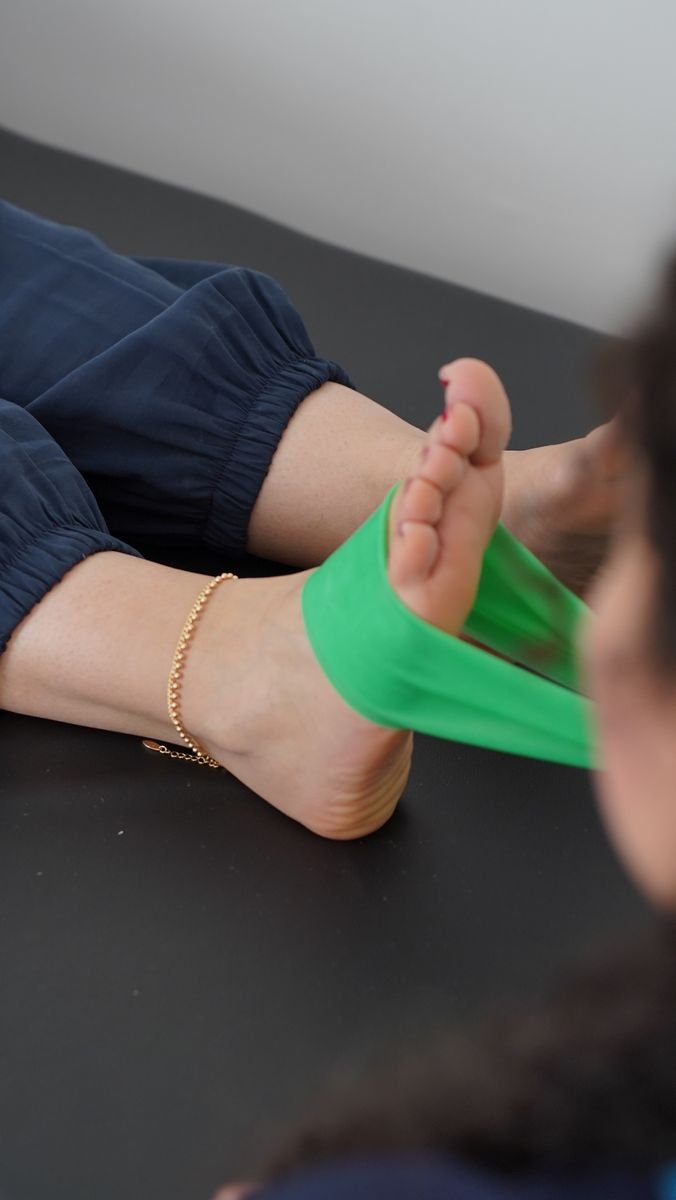
Once range of motion is largely restored, the focus shifts to rebuilding strength, particularly through the muscles running along the outside of the lower leg that play a big role in ankle stability. Resistance band work, calf raises, and controlled single-leg exercises all belong here, progressed gradually as they start to feel genuinely easy rather than jumping straight to the hardest version.
Balance and proprioception work belongs in this phase too, not tacked on as an afterthought. Simple single-leg standing, progressing to eyes closed or on an unstable surface, retrains your ankle’s sense of where it is in space, something that doesn’t automatically come back just because strength has improved.
Phase Three: Power, Agility, And Sport-Specific Movement
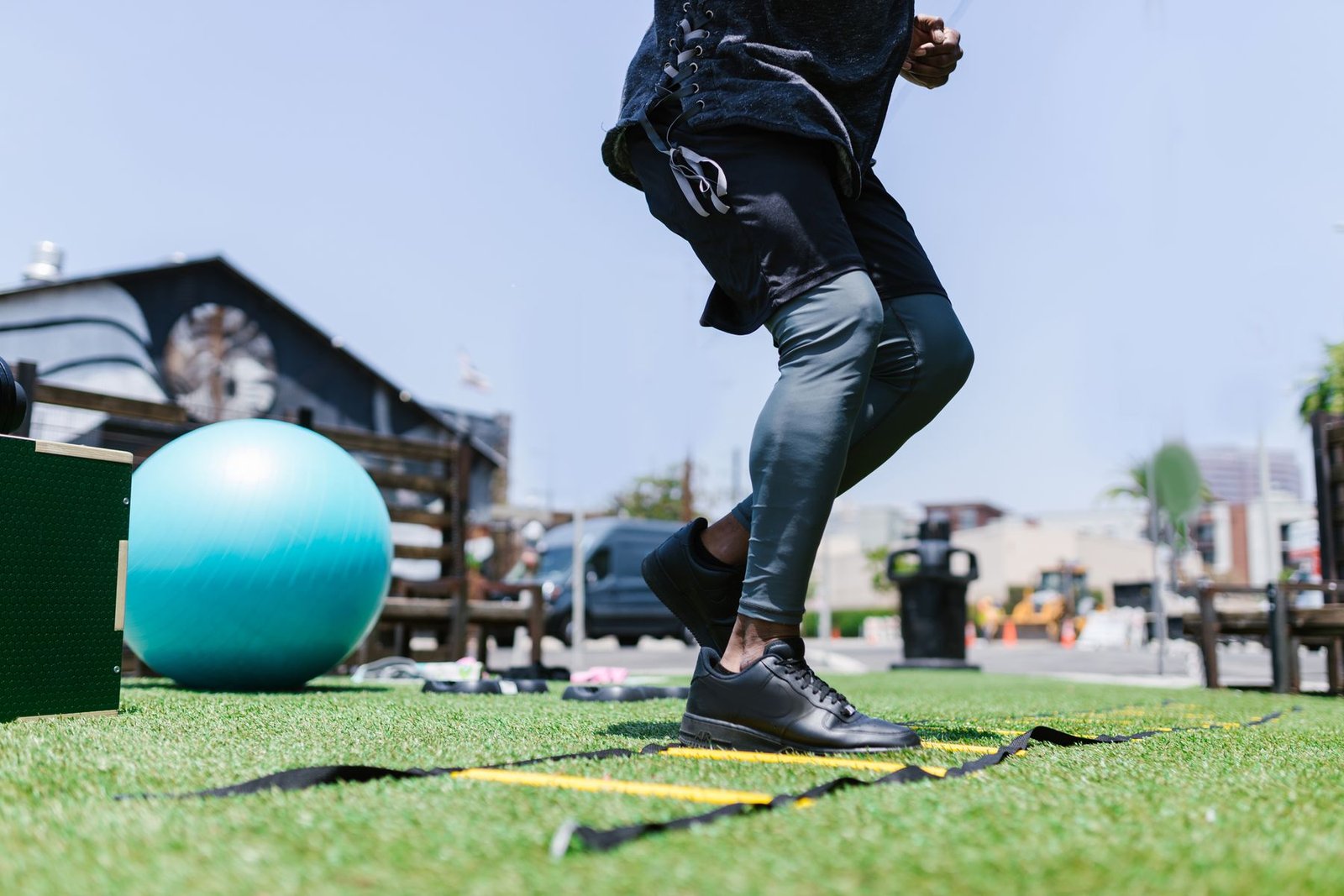
This is the phase most generic exercise lists skip entirely, and it’s exactly where athletes need to spend real time before returning to sport. Once basic strength and balance are solid, work should shift toward plyometric exercises, hopping, bounding, and controlled landing, along with agility drills like ladder work and direction changes that mimic what your sport actually demands.
For grapplers and combat-sports athletes specifically, this phase should include movements that replicate the fast, unpredictable rotational stress of a scramble, not just straight-line running or jumping, since that’s genuinely where the ankle gets tested hardest once you’re back competing.
How Guided Ankle Rehab Exercises Get You There Faster
A generic template can’t tell you when you’ve actually earned the right to progress to the next phase, but a guided plan can. A Rehabilitation Consultation personalises this progression around your specific injury, sport, and how your ankle is actually responding, rather than a fixed timeline that assumes everyone heals at the same pace.
Most clients notice that having someone check their readiness criteria objectively, rather than guessing based on how the ankle feels that day, gets them through all three phases with far fewer setbacks than working from a printed exercise sheet alone. A therapist can also spot compensation patterns, favouring the good leg, avoiding certain angles, that are genuinely hard to catch on your own, and correcting these early tends to prevent secondary issues elsewhere up the chain, like the knee or hip, later on.
Knowing When You’re Ready To Return To Sport
Readiness isn’t just the pain being gone. Practical markers worth checking include being able to hold a single-leg toe stand for around twenty seconds on the injured side, matching the uninjured leg, and completing controlled single-leg hops without pain or a sense of the ankle giving way. From there, being able to jog in a straight line completely pain-free is usually the signal to progress toward cutting, pivoting, and sport-specific drills.
Many people find the confidence piece lags behind the physical numbers, especially the first time they’re back in a genuinely unpredictable situation like a tackle or a scramble. Testing the ankle in those specific conditions, under guidance, matters just as much as any strength or balance benchmark on paper.
It’s worth remembering that “ready” doesn’t mean “identical to before the injury” on day one back. Many people find a short adjustment period even after clearing every readiness marker, where the ankle feels slightly more noticeable than the uninjured side during the first few sessions back. That’s a normal part of the transition, not a sign something’s gone wrong, as long as it continues to settle rather than worsening.
If generic exercise lists have left you unsure whether you’re actually progressing or just maintaining, Impact Sports Rehabilitation builds real, phased ankle rehab exercise plans for athletes across Eccles, Salford, Trafford, and the wider Greater Manchester area. Ask about an online consultation if you’re further afield.
Frequently Asked Questions
How do I know which phase I should actually be starting at?
This depends on how recent and how severe your injury is, and whether you’ve been medically cleared already. If your injury is recent or you’re not sure of the diagnosis, get assessed before starting any structured exercise programme, since starting at the wrong phase is one of the more common ways people set their own recovery back.
Is it bad if a stretch or exercise causes a little discomfort?
Mild, dull discomfort that eases quickly is often normal as you work through range of motion, but any sharp, sudden pain is a signal to stop that exercise and get it checked rather than pushing through. In our experience, this distinction is one of the most common things people get wrong when following exercises alone without guidance.
How long does the whole process usually take?
Many people find they move through all three phases somewhere between six and twelve weeks for a moderate injury, though this varies enormously based on severity, consistency, and how quickly each phase’s readiness criteria are actually met. Rushing ahead of those criteria tends to add time overall rather than saving it.
Do I really need balance exercises, or is strength enough?
Balance and proprioception work addresses something strength training alone doesn’t, your ankle’s sense of where it is in space, which takes a real hit after injury and doesn’t automatically return just because you’re stronger. Most clients notice skipping this piece is exactly what leaves an ankle feeling “off” or prone to rolling again, even once it tests strong.
Can I just keep doing these exercises forever to prevent re-injury?
Continuing some ongoing strength and balance work is genuinely a good habit for anyone with a history of ankle injuries, but it’s not a substitute for completing the full phased progression the first time around. Many clients at Impact Sports Rehabilitation fold a light maintenance version of phase two work into their regular training long after the injury has resolved.
This article is provided for general educational purposes by Impact Sports Rehabilitation and does not constitute medical advice, diagnosis, or treatment. Stop any exercise that causes sharp pain and seek assessment from a qualified medical professional before starting a rehab programme if your injury is recent or the diagnosis is unclear; nothing in this article should be used to self-diagnose or replace a personalised rehab programme. Always seek the guidance of a doctor or other qualified health provider with any questions about your specific injury or condition.