Latest posts
-
High Ankle Sprain Treatment: Causes & Recovery Tips
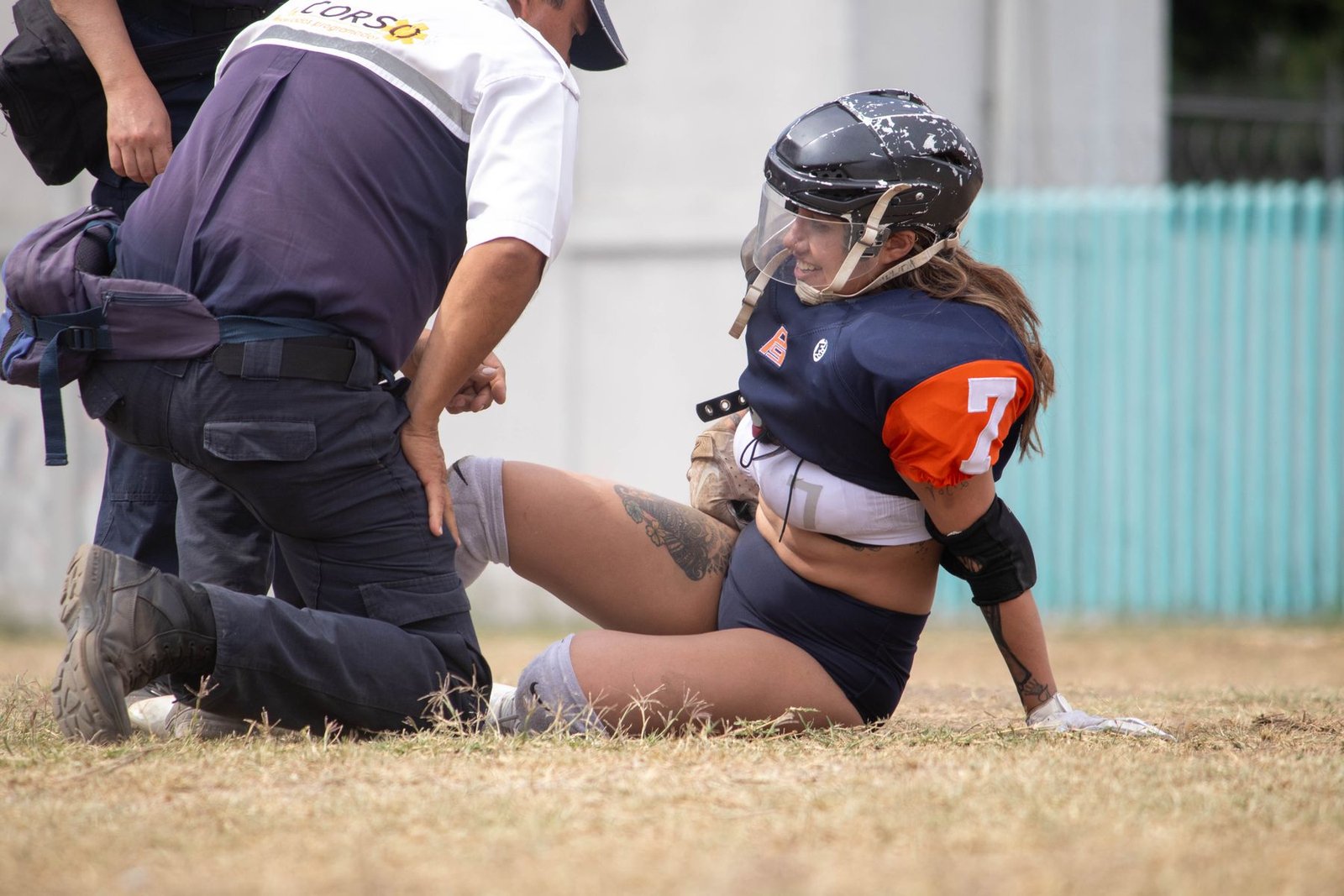
Quick answer: A high ankle sprain, also called a syndesmosis injury, involves the ligaments holding the two lower leg bones together above the ankle rather than the ligaments on the outside of the joint, and it genuinely takes longer to heal than a standard sprain, often two to four times as long. Stable injuries treated…
-
Medial Ankle Sprain: A Complete Guide
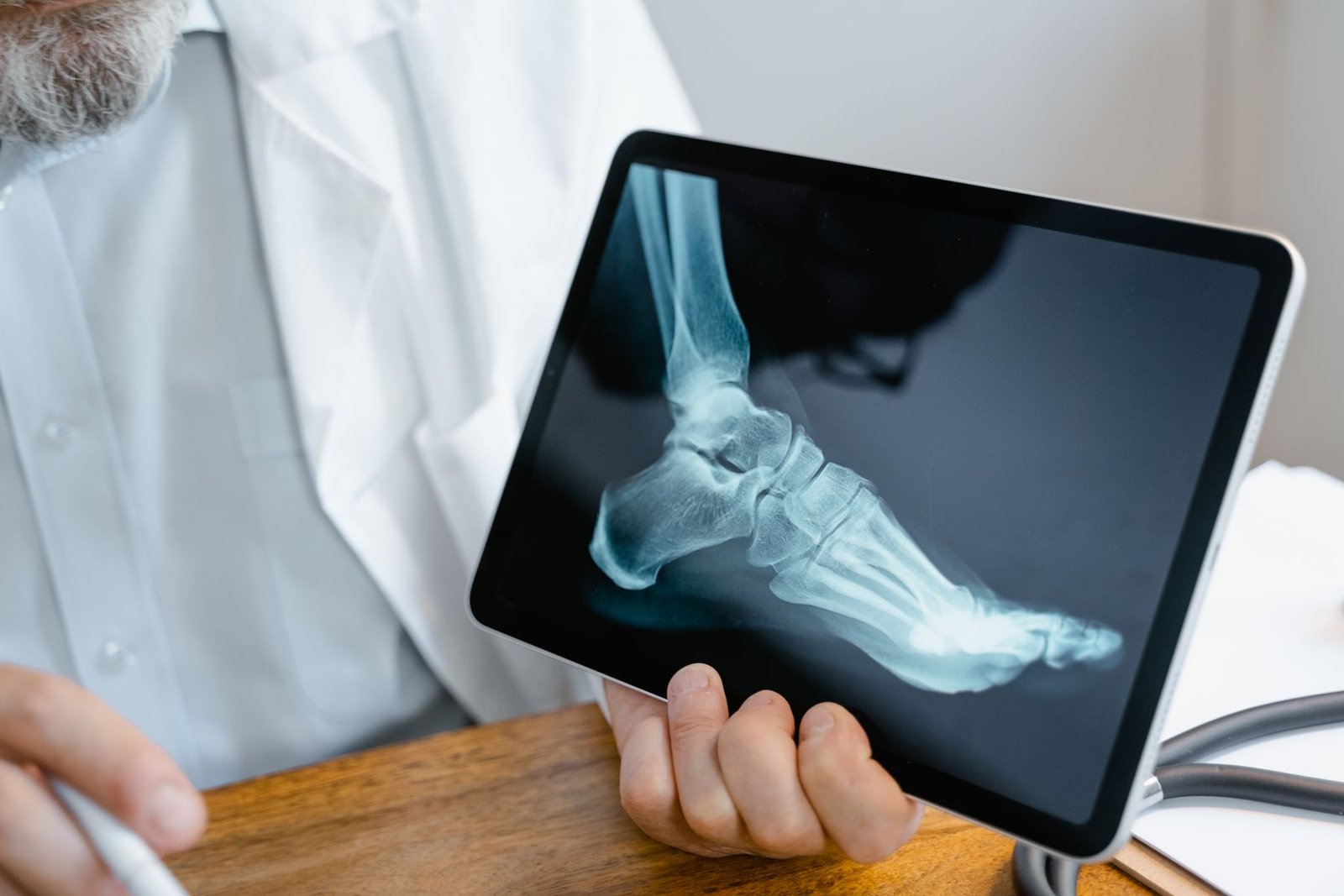
Quick answer: A medial ankle sprain happens when the deltoid ligament on the inside of the ankle is stretched or torn, usually from the foot rolling outward rather than the inward roll behind the far more common lateral sprain. Mild grade one injuries often settle in two to four weeks, moderate grade two sprains typically…
-
Shin Splints Treatment: What You Need To Know
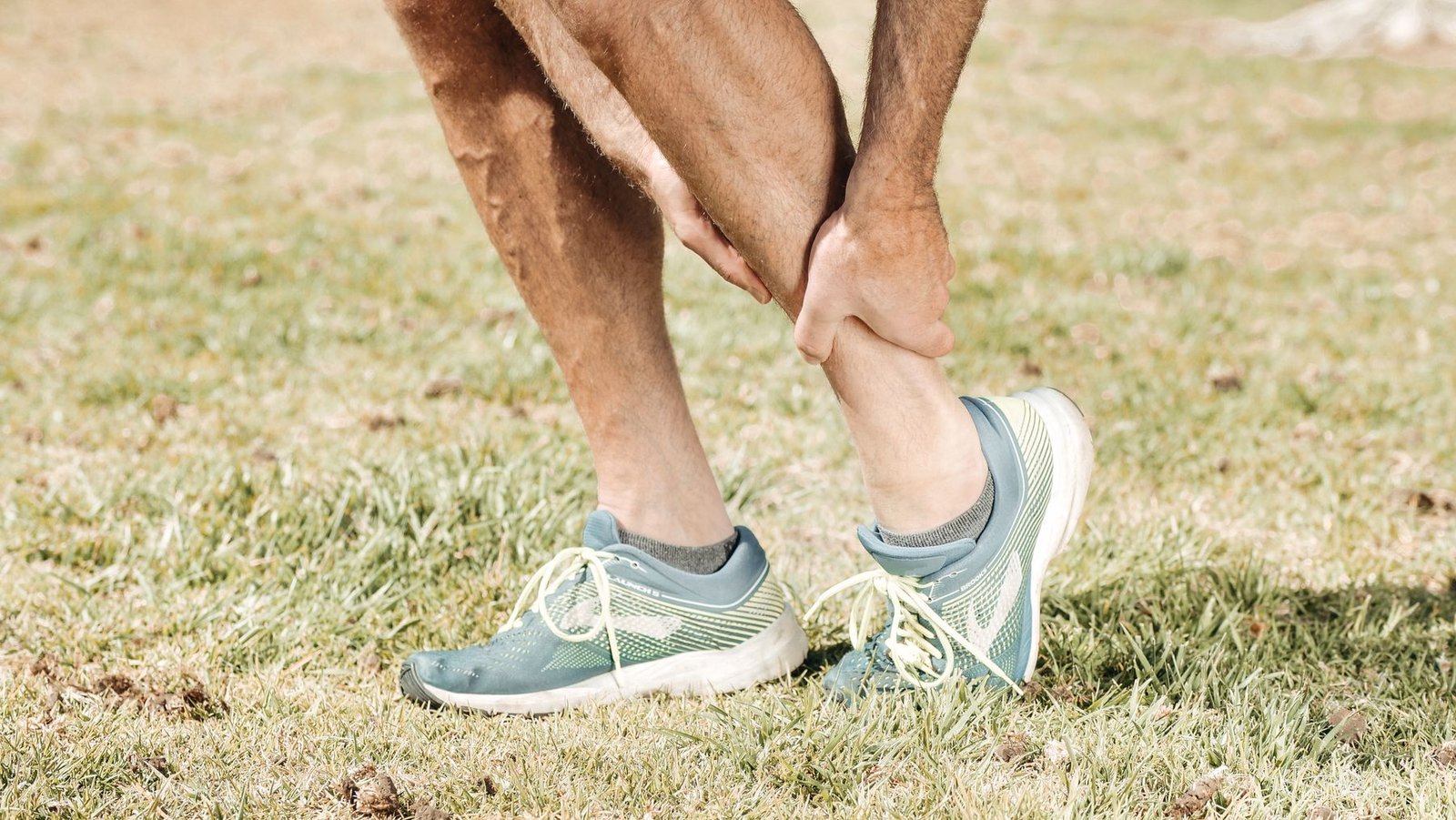
Quick answer: Effective shin splints treatment starts with cutting back the training load that caused the pain in the first place, not stopping completely, alongside ice, supportive footwear, and gentle load-appropriate exercise as things settle. Many people find real relief within two to six weeks of consistent rest and load management, though rushing back to…
-
Broken Ankle Recovery Time: What To Really Expect
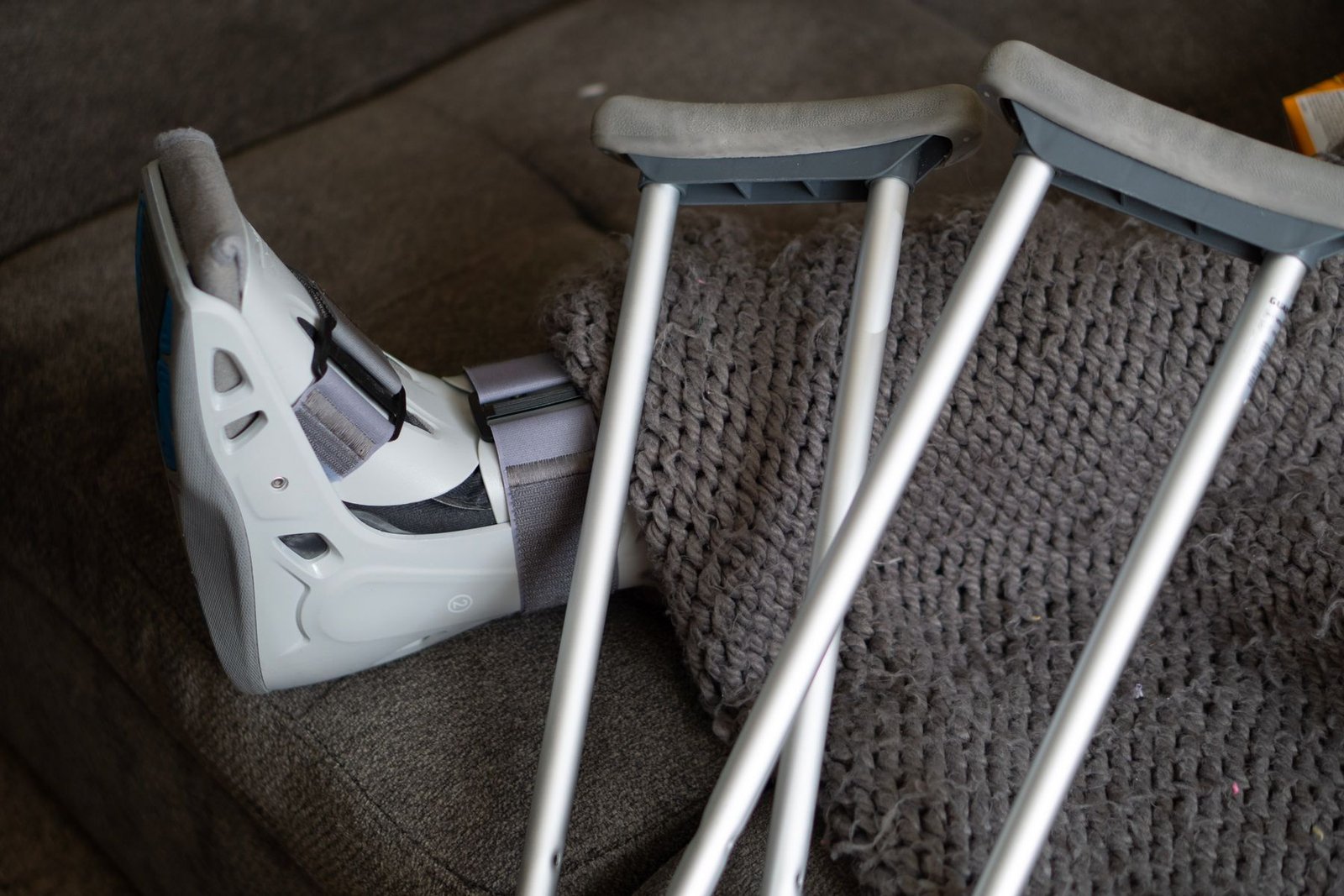
Quick answer: The bone itself typically bridges in six to eight weeks, but that is not the same as being done. Most people move from a cast or boot into a walking boot or shoes somewhere around week six to twelve, and broken ankle recovery time for a genuine return to running, cutting, or contact…
-
Dislocated Ankle Recovery Time: What To Really Expect
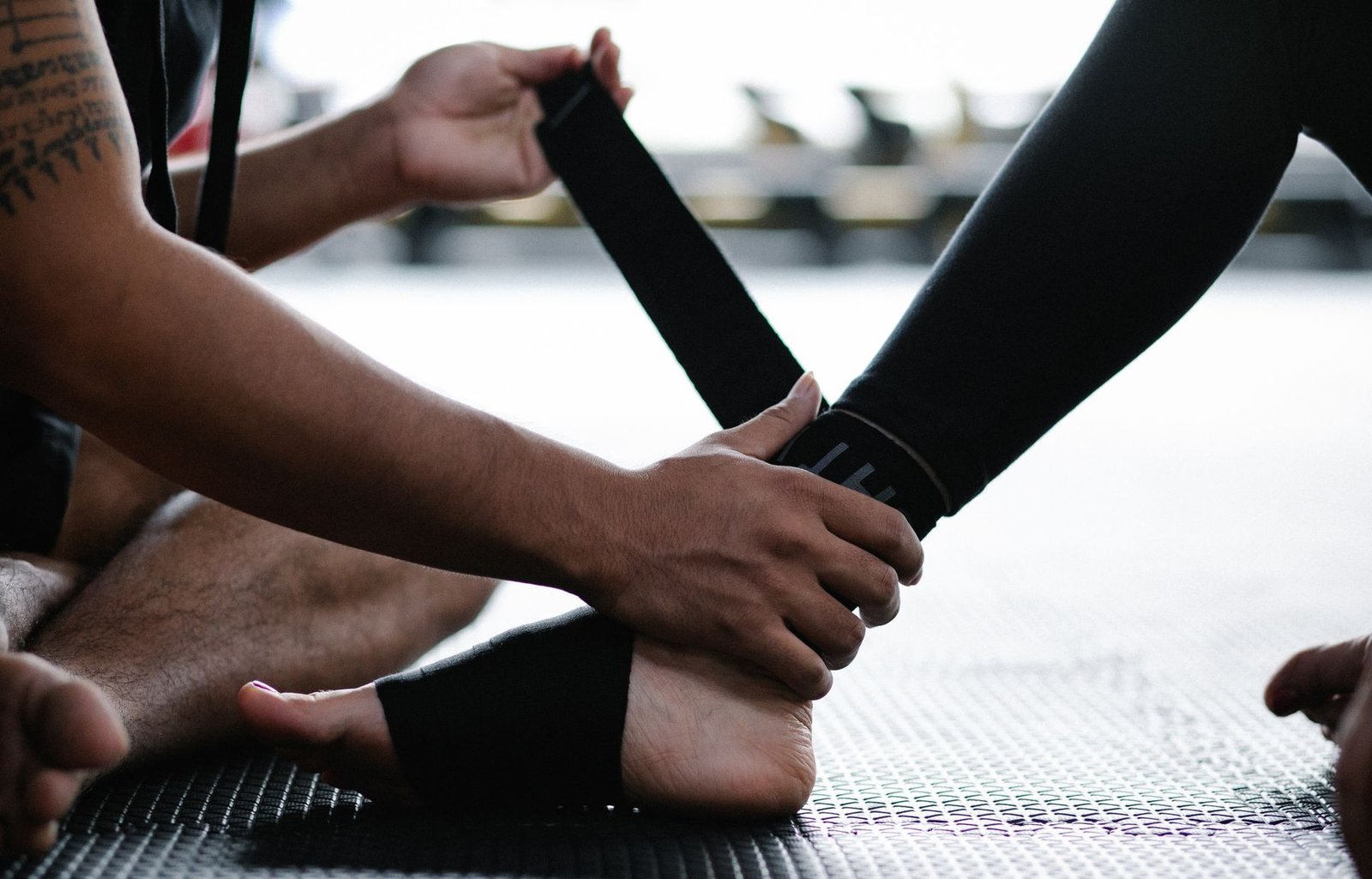
Quick answer: For an uncomplicated dislocated ankle without a fracture, most people move from immobilisation into early rehab within two to six weeks, with fuller functional recovery landing somewhere in the eight to twelve week range and a genuine return to sport typically taking three to six months once strength, balance, and confidence in the…
-
Rehab For BJJ – Armbar
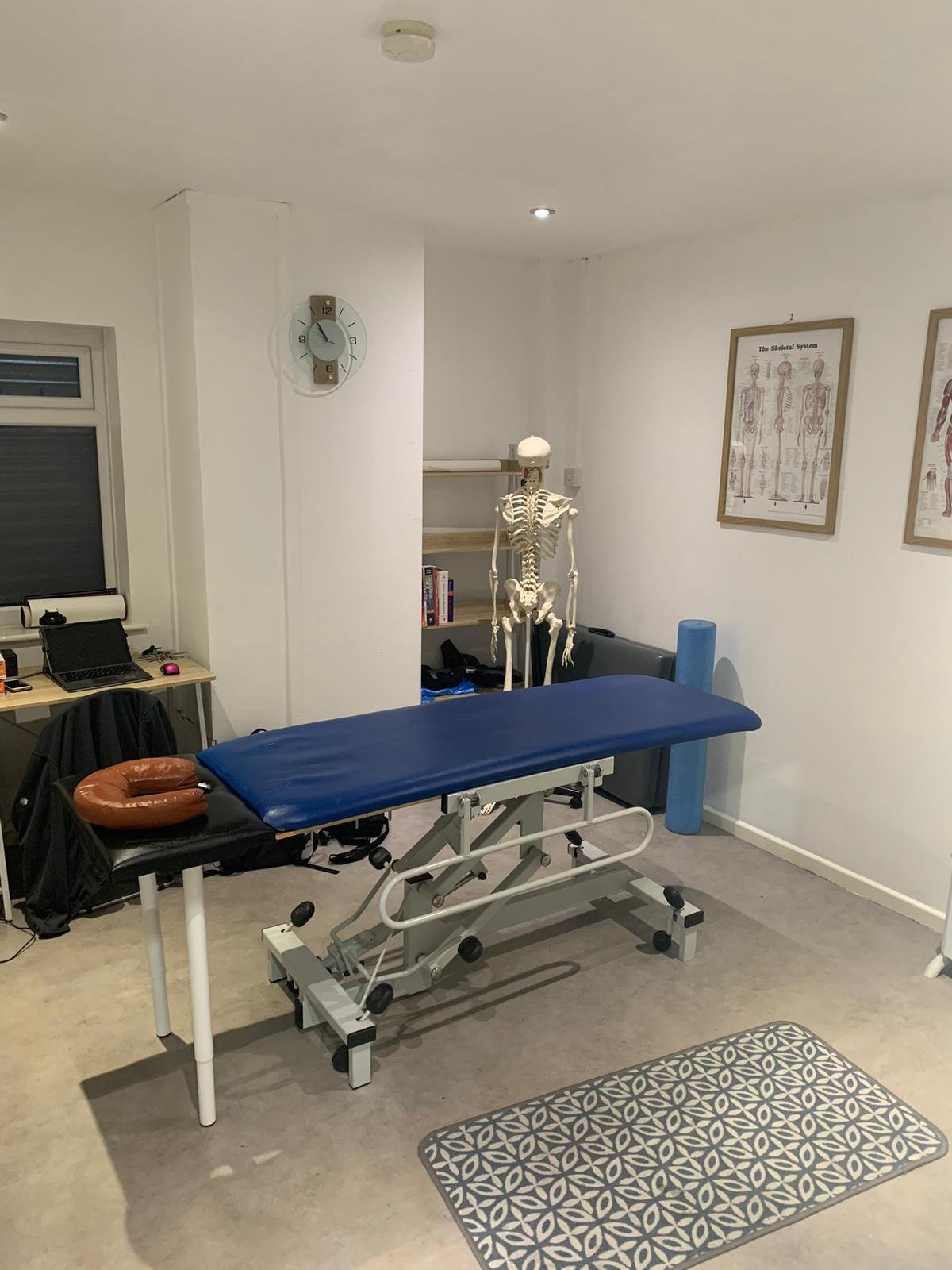
The armbar is possibly one of the best known submission moves from BJJ. The aim of the submission is to hyper extend the elbow until it will ultimately either dislocate or break the elbow of your opponent if he does not tap out in time. For rehabilitation after an armbar injury, when a sports rehab…
-
Rehab For BJJ – Guillotine
The guillotine choke is one of the most common submissions in Brazilian Jiu-Jitsu, and defending against it puts real strain on the neck. Whether it's the standing guillotine or a fully sunk-in choke, the compression and flexion on the cervical spine can leave your neck sore and tight long after training. Good hand position and…