
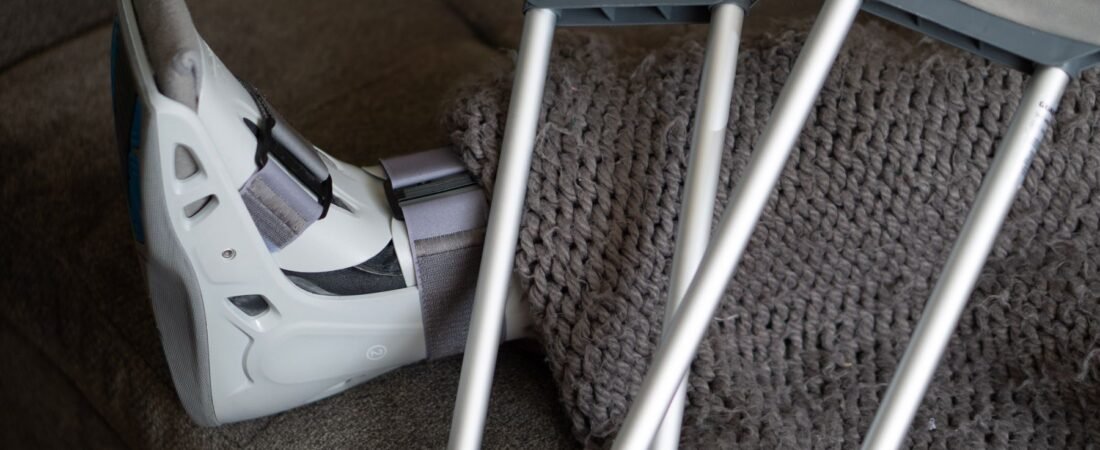
Quick answer: The bone itself typically bridges in six to eight weeks, but that is not the same as being done. Most people move from a cast or boot into a walking boot or shoes somewhere around week six to twelve, and broken ankle recovery time for a genuine return to running, cutting, or contact sport usually lands in the three to six month range for a straightforward fracture, longer for anything involving surgery or multiple bones. The honest number for your ankle depends heavily on exactly which bones broke and how, which is the part most generic advice skips.
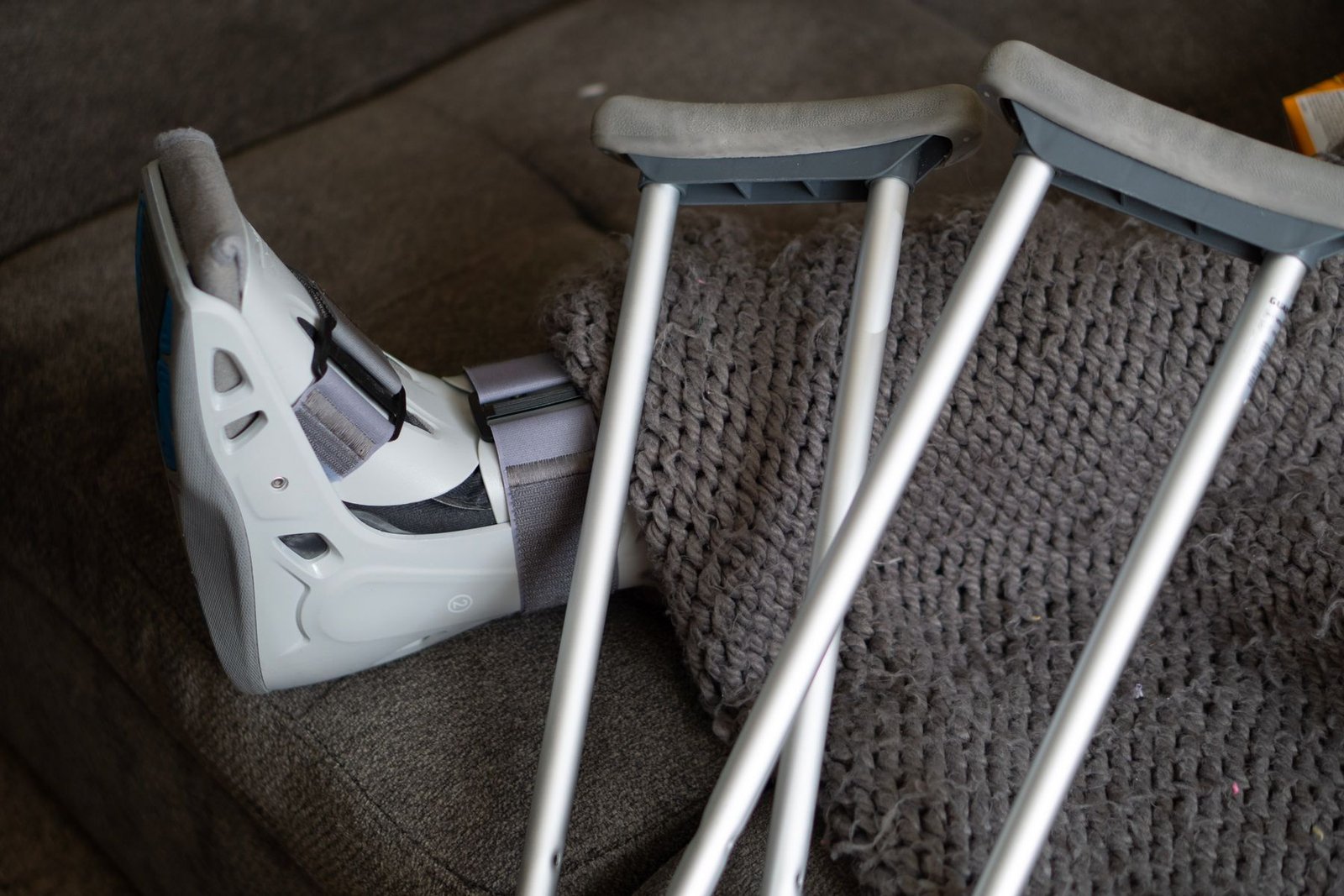
If you're sitting there with a fresh cast, a boot, or a set of crutches leaning against the wall, you probably don't want another article telling you to “rest and elevate.” You want a real sense of how long this actually takes and whether your season, your training, or your next competition is realistically salvageable. Broken ankle recovery time is one of those questions that gets a different real answer for almost everyone, and in this article we'll walk through why, and what the honest stage-by-stage picture actually looks like.
What Actually Happens When Your Ankle Breaks
An ankle fracture means one or more of the three bones that make up the joint, the tibia, fibula, or talus, has actually cracked or broken, rather than the ligaments simply stretching or tearing the way they do in a sprain. That distinction matters a lot: a sprain heals through soft tissue repair, while a fracture needs the bone itself to knit back together, a slower and more structurally strict process.
Fractures range from a small, stable chip that barely disturbs the joint to a break involving multiple bones with the ankle visibly out of position. Some need nothing more than a cast, others need plates and screws to hold everything in place while it heals. Both get called “a broken ankle” by everyone around you, but they are genuinely different injuries with different timelines, which is exactly why two people can compare notes and get confused about whose recovery is “normal.”
Broken Ankle Recovery Time: The Real Timeline, Stage By Stage
Once the bone is set, whether by cast alone or with surgical fixation first, recovery tends to move through a few broad stages.
Immobilisation runs roughly the first six to eight weeks, the period where the actual bone healing happens in a cast or boot with weight-bearing usually restricted, especially early on. From around week six through twelve, most people transition into progressively more weight-bearing, often moving from a boot into supportive shoes, guided by follow-up scans rather than how the ankle feels. Strengthening and rehab proper tends to run from around month three through six, rebuilding the calf, ankle, and foot muscle that weakens fast during weeks of immobilisation, alongside balance and range-of-motion work.
Full return to running, cutting, or grappling typically sits somewhere in the three to six month range for an uncomplicated fracture, and research suggests it can stretch toward nine to twelve months for more severe breaks, ones needing surgical fixation or involving multiple bones. These are typical recovery ranges, not a promise, and the factors below are what actually move your number up or down.
What Affects How Fast You Heal
Age and general health play a real role, since younger, healthier bone tends to bridge faster than older bone or bone affected by conditions like diabetes. Whether the fracture was treated surgically or in a cast alone matters too, not because one is automatically slower, but because it reflects how displaced or unstable the break was in the first place.
Smoking is one of the few factors entirely within your control that measurably slows bone healing, so if you smoke or vape, this is a genuinely good stretch to stop. Consistency with rehab once the cast or boot comes off makes a real difference as well. Many people find that skipping sessions or rushing weight-bearing ahead of what the scans actually show tends to backfire rather than speed anything up.
Why Broken Ankle Recovery Time Isn’t One Number, It’s Several
Here's what most generic recovery-time articles skip entirely: not all ankle fractures are the same injury, even though they all get called “a broken ankle.” A single, stable break in one of the two lower leg bones, treated in a cast with no surgery needed, behaves completely differently to a bimalleolar or trimalleolar fracture involving two or three bones, or a fracture that also damaged the syndesmosis, the strong ligament complex holding the lower leg bones together.
This is exactly why comparing your recovery to someone else's “broken ankle” story can be genuinely misleading. A stable, non-surgical fracture might have someone back in supportive footwear inside six weeks, while a trimalleolar fracture with plates and screws can mean a much longer, more cautious weight-bearing timeline dictated entirely by follow-up imaging. If you know which bones broke and whether surgery was involved, you have a far more honest starting point for your own broken ankle recovery time than any generic average can give you.
When To Get Emergency Care Immediately
If you suspect a fresh ankle fracture, meaning visible deformity, the foot sitting at an odd angle, or pain severe enough that you can't put any weight on it, this needs A&E or urgent medical care right away, not a wait-and-see approach or a clinic booking for later in the week.
Go straight to emergency care if you notice numbness, tingling, or loss of sensation in the foot or toes, a foot that looks pale, blue, or feels unusually cold, no pulse that you or someone with you can find on the foot, or skin that looks tented or under pressure from the bone underneath. These signs can mean the blood supply or nerves are compromised, and that is a genuine emergency, not something to monitor overnight.
How Sports Rehab Supports A Faster, Safer Return
Once a doctor has confirmed the fracture is healing well and cleared you to begin rehab, this is exactly where a sports rehab clinic earns its keep. A structured Rehabilitation Consultation builds a plan around the specific bones that broke, how it was treated, and your sport, rather than a generic sheet of exercises pulled off the internet.
From there, Sports Massage can help manage the muscle tightness and compensation patterns that build up through weeks of favouring the injured leg, easing you back into normal movement patterns. None of this replaces the medical clearance needed for the fracture itself, but most clients notice a guided plan makes the weeks after the cast comes off feel far less like guesswork.

Getting Back To Training Or Competition Safely
The cast coming off is not the same as being ready for sport, and treating it that way is one of the more common ways this injury gets re-aggravated. A genuinely ready ankle has pain-free range of motion close to the other side, strength that's reasonably symmetrical, and it holds up through sport-specific movement, direction changes, landing, or grappling scrambles, without giving way or feeling hesitant.
Later in this phase, Rocktape kinesiology taping is often introduced to give the joint extra proprioceptive feedback and light support as training load increases again. The real marker of readiness isn't the calendar, it's how the ankle actually performs under the demands your sport is going to throw at it.
Free tool: Physio or A&E Decision Tool
Just been hurt and not sure where to go? Our free physio or A&E decision tool checks the red flags first, then gives you one clear recommendation.
If you've been medically cleared and want a real plan for the weeks ahead, or you're still early in recovery and want it managed properly from here, Impact Sports Rehabilitation works with athletes across Eccles, Salford, Trafford, and the wider Greater Manchester area on exactly this kind of rehab. Ask about an online consultation if you're further afield.
Frequently Asked Questions
How do I know if my ankle is broken or just badly sprained?
You genuinely can't reliably tell the difference by feel alone, since severe sprains and stable fractures can feel very similar at first. An X-ray is the only way to know for certain, so if the pain is severe, you can't bear any weight, or the ankle looks visibly out of shape, get it imaged rather than guessing.
Will I need surgery for a broken ankle?
Not always. Many stable, non-displaced fractures heal well in a cast or boot without any surgery at all, while breaks involving multiple bones or significant displacement often do need plates and screws to hold everything in the right position while it heals. Your treating doctor will base this on your imaging, not on how the injury looks or feels from the outside.
How long will I actually be in a cast or boot?
Most straightforward fractures spend somewhere around six to eight weeks in a cast or boot before a gradual shift toward more weight-bearing begins, though this varies by fracture severity and whether surgery was involved. Your surgeon or consultant will time this against follow-up X-rays showing real bone healing, not a fixed date on a calendar.
Is it normal for my ankle to still feel weak months after the cast comes off?
Yes, this is genuinely common. Weeks of immobilisation cause real muscle weakness and stiffness that doesn't resolve just because the bone has healed, which is exactly why the strengthening phase matters so much. Consistent rehab, the kind we build into a plan at Impact Sports Rehabilitation, is what closes that gap fastest.
When can I start running again after a broken ankle?
There's no single safe date for this, since it depends entirely on confirmed bone healing, rebuilt strength, and how the ankle holds up under load-bearing tests. In our experience, running typically doesn't re-enter the picture until well into the strengthening phase, and only once a clinician has actually assessed the joint under those specific demands rather than going by how many weeks have passed.
Can a broken ankle heal wrong if I’m not careful?
It’s possible for a fracture to heal in a less than ideal position, particularly if weight is put through it too early or against medical advice, which is part of why follow-up scans matter so much during the immobilisation stage. Sticking to your treating team’s weight-bearing instructions, even when the ankle feels fine, is the best protection against this.
This article is provided for general educational purposes by Impact Sports Rehabilitation and does not constitute medical advice, diagnosis, or treatment. A suspected ankle fracture requires proper medical diagnosis through imaging; nothing in this article should be used to self-diagnose or self-treat a broken ankle. Always seek the guidance of a doctor or other qualified health provider with any questions about your specific injury or condition.