
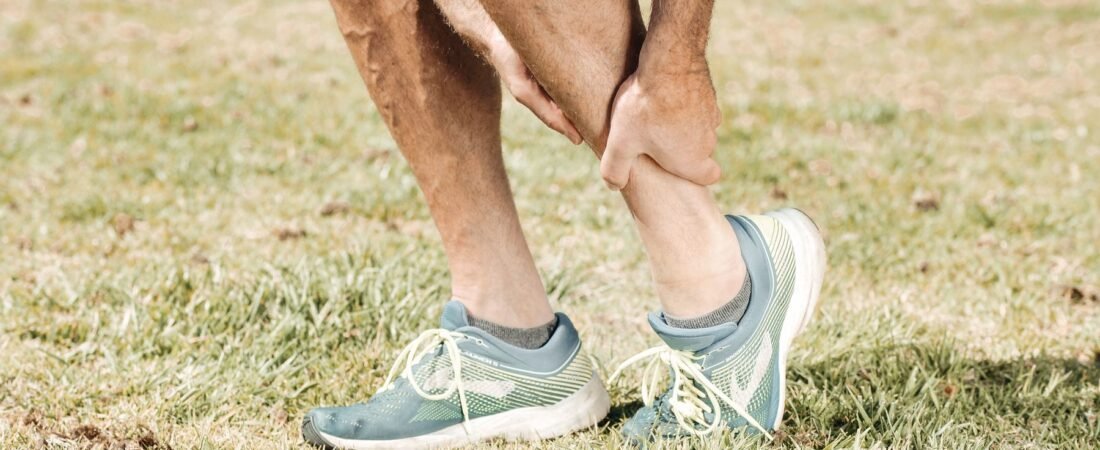
Quick answer: Effective shin splints treatment starts with cutting back the training load that caused the pain in the first place, not stopping completely, alongside ice, supportive footwear, and gentle load-appropriate exercise as things settle. Many people find real relief within two to six weeks of consistent rest and load management, though rushing back to full mileage too soon is the single most common reason it comes straight back. If the pain is sharply localized to one spot, wakes you at night, or doesn't ease with rest, that's no longer typical shin splints territory and needs a proper look before you keep training through it.
Shin pain that shows up every run and lingers after is miserable, especially when you're not sure if it's something you can train through or something that's about to sideline you completely. The good news is that shin splints treatment is genuinely well understood and most people respond well to it. The part that trips people up is doing it properly instead of half-heartedly resting for a few days and jumping straight back to the same mileage that caused it.
What Shin Splints Actually Are (And What They’re Not)
Shin splints, medically called medial tibial stress syndrome, happen when repetitive stress on the shin bone and the muscles attaching to it outpaces the tissue's ability to recover, causing pain along the inner edge of the tibia. It's an overuse injury, not a single traumatic event, which is exactly why it tends to creep in gradually over days or weeks of training rather than announcing itself all at once.
It's different from a muscle strain, which usually has a clear onset tied to one specific movement, and it's different from tendinitis, which tends to sit more precisely over a tendon rather than along a broader stretch of bone. Getting the right label matters because the right shin splints treatment depends on correctly identifying that this is a bone-and-tissue overload problem, not a single torn structure.
Certain things make this overload more likely in the first place: a sudden jump in weekly mileage, a change to a harder running surface, worn-out or unsupportive footwear, or simply a training block that ramped up faster than the shin tissue could adapt to. Runners and jumping-heavy athletes see this most often, though it shows up in footballers and gym-goers who’ve increased impact training quickly too. Knowing which of these applies to you isn't just background information, it directly shapes what actually needs to change for shin splints treatment to hold once the pain has settled.
Shin Splints Treatment: Proven Options From Rest To Rehab
The foundation of shin splints treatment is load management, meaning a genuine reduction in the running or jumping volume that caused the irritation, not necessarily stopping every form of activity. Cross-training options like swimming or cycling let you maintain fitness while giving the shin the break it actually needs.
Ice for ten to fifteen minutes after activity helps manage the acute inflammation, and supportive, well-fitted footwear matters more than people expect, especially if your current shoes are worn down unevenly. Once the sharp pain has settled, gentle calf and ankle mobility work helps keep things from stiffening up while the tissue recovers, and this is usually where a structured rehab approach starts to matter more than generic rest advice.
How Shin Splints Differ From A Stress Fracture
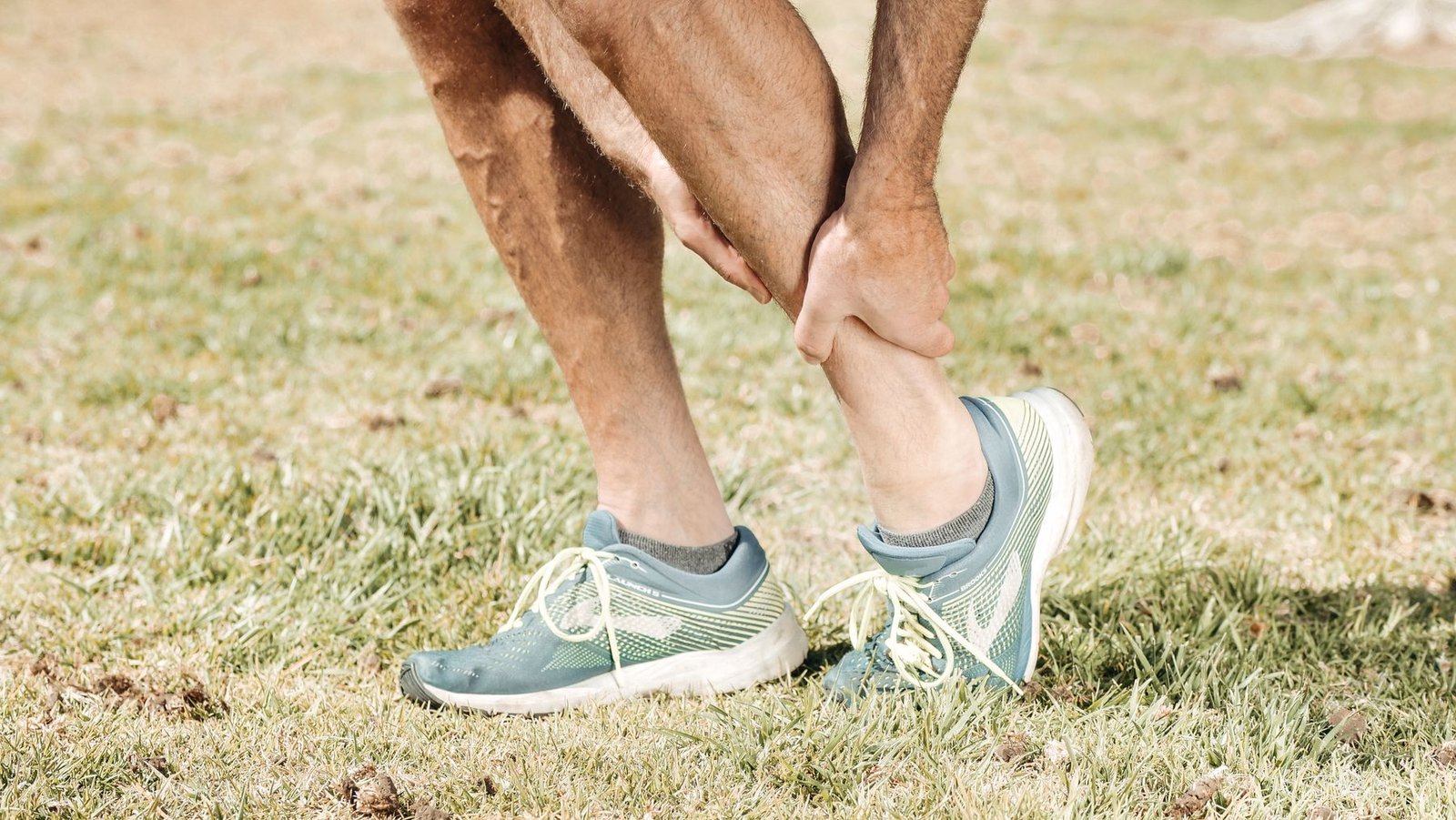
This is the part most shin splints articles skip entirely, and it genuinely matters. Shin splint pain is typically spread along a broader stretch of the inner shin, tends to ease somewhat as you warm up during activity, and generally improves with a few days of rest. A stress fracture, by contrast, usually causes pain concentrated in one small, specific spot, often gets worse rather than better as activity continues, and characteristically hurts at night or even at rest, not just during training.
This distinction is exactly why continuing to self-treat “shin splints” that don't respond to rest is genuinely risky. Research suggests stress fractures need a real break from impact activity to heal, and pushing through what you assume is ordinary shin splints pain can turn a manageable overuse injury into a much longer layoff. If you can press one specific spot and reliably reproduce sharp, focal pain, that's a meaningfully different situation to the broader, dull ache of typical shin splints.
When To See A Clinician Instead Of Waiting It Out
Get it properly assessed rather than continuing to self-treat if the pain is sharply focal to one small spot on the bone rather than spread along a stretch of the shin, if it wakes you at night or persists at rest, or if swelling doesn't improve despite several days of genuine load reduction. These are the signals that this might not be straightforward shin splints, and imaging may be needed to rule out a stress fracture before you continue training through it. Waiting it out on a hunch, when the pattern doesn't match ordinary shin splints, tends to cost far more training time in the long run than getting it checked properly at the point you first noticed something felt different.
How Sports Rehab Speeds Up Shin Splints Treatment
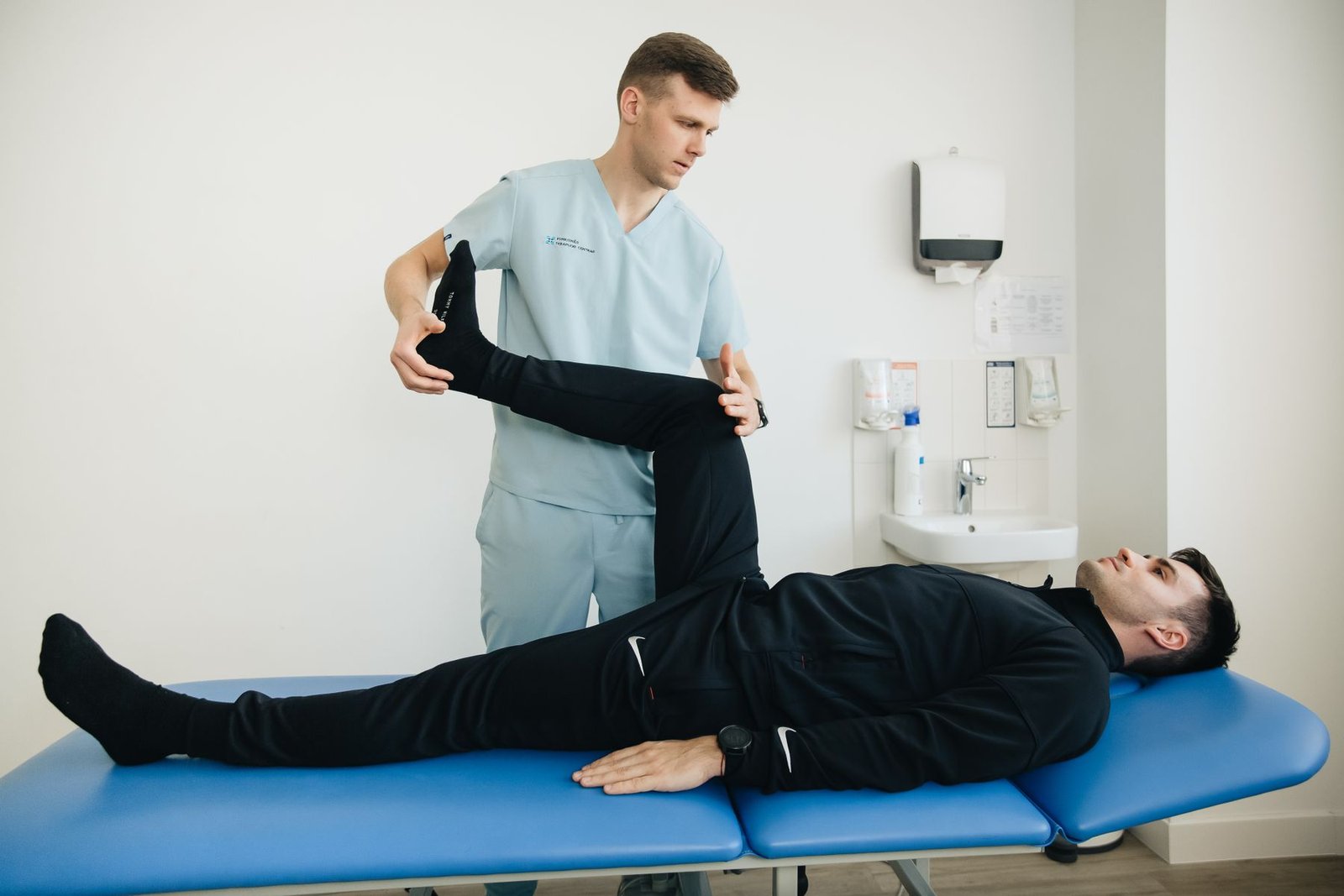
Once anything more serious has been ruled out, a guided rehab plan tends to move people through recovery considerably faster than generic rest-and-hope advice. A Rehabilitation Consultation looks at what's actually driving the overload, whether that's a sudden mileage jump, footwear, or running surface, rather than just treating the symptom in isolation.
Some clients find cupping therapy genuinely useful alongside a structured load-management plan for easing the muscle tightness that builds up around an irritated shin. None of this replaces the fundamental need to actually reduce the training load that caused the problem, but most clients notice a guided plan gets them back to full mileage with far less trial and error than doing it alone.
Getting Back To Running Or Training Safely
The pain going away is not the same as the underlying overload problem being fixed, and jumping straight back to your old mileage is how shin splints become a recurring, seasonal problem rather than a one-off. A genuinely safe return means building volume back gradually, usually in small weekly increases, while staying alert to any return of that familiar ache along the shin.
Addressing whatever actually caused the overload in the first place, whether that's worn footwear, a sudden training spike, or running surface, matters just as much as the rehab itself. Most clients notice that skipping this step is exactly how shin splints come back within a few weeks of returning to full training.
Free tool: ACWR Calculator
Ramping up your training? Our free ACWR calculator compares this week with your recent average and shows whether you are in the sweet spot or building too fast. No email needed.
If shin pain keeps interrupting your training and you want a plan that actually addresses why it keeps happening, Impact Sports Rehabilitation works with runners and athletes across Eccles, Salford, Trafford, and the wider Greater Manchester area on exactly this. Ask about an online consultation if you're further afield.
Frequently Asked Questions
How do I know if it’s shin splints or something more serious?
Typical shin splints cause a dull, broader ache along the inner shin that tends to ease as you warm up and improves with a few days of rest. If your pain is sharply focused on one small spot, gets worse rather than better with continued activity, or wakes you at night, that pattern is different enough that it deserves a proper assessment rather than assuming it’s the same thing.
Can I keep running with shin splints or do I need to stop completely?
You usually don’t need to stop all activity, but you do need to meaningfully reduce the load that’s causing the irritation, often by cutting mileage significantly or switching to cross-training like swimming or cycling for a stretch. Many people find that continuing to run at the same volume that caused the problem simply keeps it from ever fully settling.
How long does shin splints treatment usually take to work?
Many people find genuine improvement within two to six weeks of consistent load reduction and appropriate treatment, though this varies with how long the irritation has been building and how consistently the training load is actually managed during recovery. Rushing back to full training before the tissue has settled is the most common reason this stretches out much longer than it needs to.
Will shin splints just keep coming back every season?
They can, particularly if the underlying cause, whether that’s a sudden mileage increase, worn footwear, or running surface, never actually gets addressed alongside the symptoms. In our experience, clients who work through a proper rehab plan at Impact Sports Rehabilitation that looks at training load and biomechanics tend to see far fewer repeat episodes than those who only ever treat the pain itself.
Is icing actually going to help, or is that outdated advice?
Icing the area for ten to fifteen minutes after activity is still a genuinely useful part of managing the acute inflammation and discomfort, particularly in the earlier, more irritated stage. It’s a supportive measure alongside load management though, not a treatment on its own, so don’t rely on ice alone while continuing to train at the volume that caused the problem.
This article is provided for general educational purposes by Impact Sports Rehabilitation and does not constitute medical advice, diagnosis, or treatment. Persistent, focal, or worsening shin pain should be assessed by a qualified medical professional to rule out a stress fracture or other serious cause; nothing in this article should be used to self-diagnose or self-treat. Always seek the guidance of a doctor or other qualified health provider with any questions about your specific injury or condition.