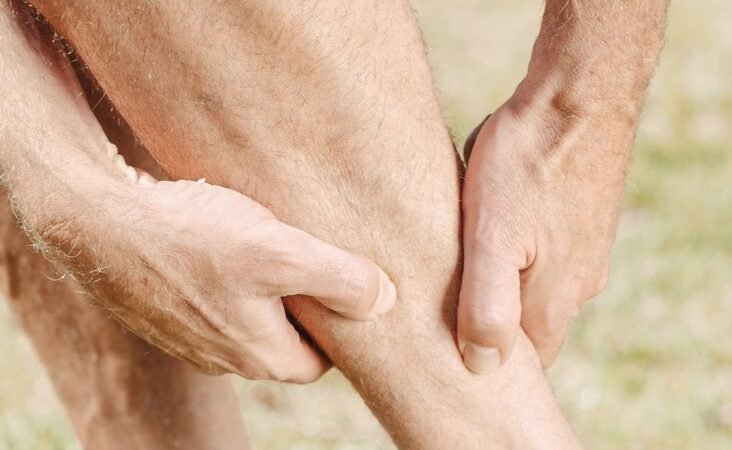
Quick answer: Calf strain recovery genuinely depends on the grade of the tear, ranging from two to four weeks for a mild grade one strain up to three to four months for a severe grade three tear. What actually determines whether it heals for good or keeps coming back isn’t the initial rest period, it’s whether the calf is rebuilt to handle the real forces of running before you return to it. Calf strains are notorious for recurring precisely because they tend to feel healed well before the muscle tissue has genuinely finished remodelling.
If this isn’t the first time you’ve felt that sudden, sharp grab in your calf mid-run, you’re not imagining the pattern, calf strains are one of the most notoriously recurrent injuries in running, and calf strain recovery that only focuses on the first couple of weeks is a big part of why it keeps happening. You’ve probably already done the standard advice, rest, ice, gentle stretching, and it still came back. This is meant to go beyond that, an honest look at why this specific injury is so prone to repeating itself, and what genuinely needs to happen for calf strain recovery to actually hold this time.
What A Calf Strain Actually Is
A calf strain is a tear in one of the muscles that make up your calf, most often the gastrocnemius, the larger, more superficial muscle that crosses both the knee and ankle joints. When this specific injury happens in racket sports it’s sometimes called “tennis leg,” a strain of the medial head of the gastrocnemius, though the mechanism is exactly the same whether it happens on a court or mid-run, a sudden forceful push-off or overstretch while the muscle is under load.
Runners are particularly prone to this injury because the calf does an enormous amount of work with every single stride, the forces travelling through it during running are several times your bodyweight, repeated thousands of times over a run. That’s a lot of repeated load on a muscle that also happens to cross two joints at once, which puts it in a genuinely vulnerable position compared to a muscle that only has one joint to manage.
It’s also worth knowing your calf isn’t just one muscle. Underneath the gastrocnemius sits the soleus, a deeper muscle that doesn’t cross the knee and tends to present quite differently when strained, more of a deep, diffuse ache that builds gradually rather than the sudden sharp pain typical of a gastrocnemius tear. Soleus strains are often missed or mistaken for simple tightness early on precisely because they don’t announce themselves as dramatically, which is part of why calf strain recovery plans need to account for which specific muscle is actually involved rather than treating “calf strain” as a single, interchangeable injury.
Grading The Injury And What Each Grade Means For Recovery
A grade one calf strain involves the muscle fibres being overstretched with little or no actual tearing, causing localised pain and some minor loss of strength, but the muscle is still largely intact. With good calf strain recovery management, this typically settles within two to four weeks.
A grade two strain involves a genuine partial tear of the muscle fibres, usually bringing more noticeable pain, swelling, and sometimes visible bruising a day or two later, along with a real, obvious loss of strength when you try to push off. Recovery here typically takes somewhere between four and eight weeks with proper rehabilitation, not just rest.
A grade three strain is a complete rupture of the muscle, often felt as a sudden, severe pain accompanied by significant swelling and bruising, and frequently an inability to walk normally straight afterward. This is the most serious end of the spectrum, recovery can take three to four months, and in some cases surgical repair is needed. Anyone with significant swelling, bruising, or genuine difficulty walking after a calf injury should get it properly assessed rather than assuming it’s a mild strain that will settle on its own.
Age is worth mentioning too, calf strains are genuinely more common in runners over 40, likely because the muscle-tendon unit becomes somewhat less elastic over time, and the temptation to return on the same timeline that worked at 25 is part of why recurrence tends to be more common in this group specifically. Grading and pacing recovery honestly against your own body, rather than a remembered timeline from years ago, matters more the older you are.
Why Calf Strains Keep Coming Back
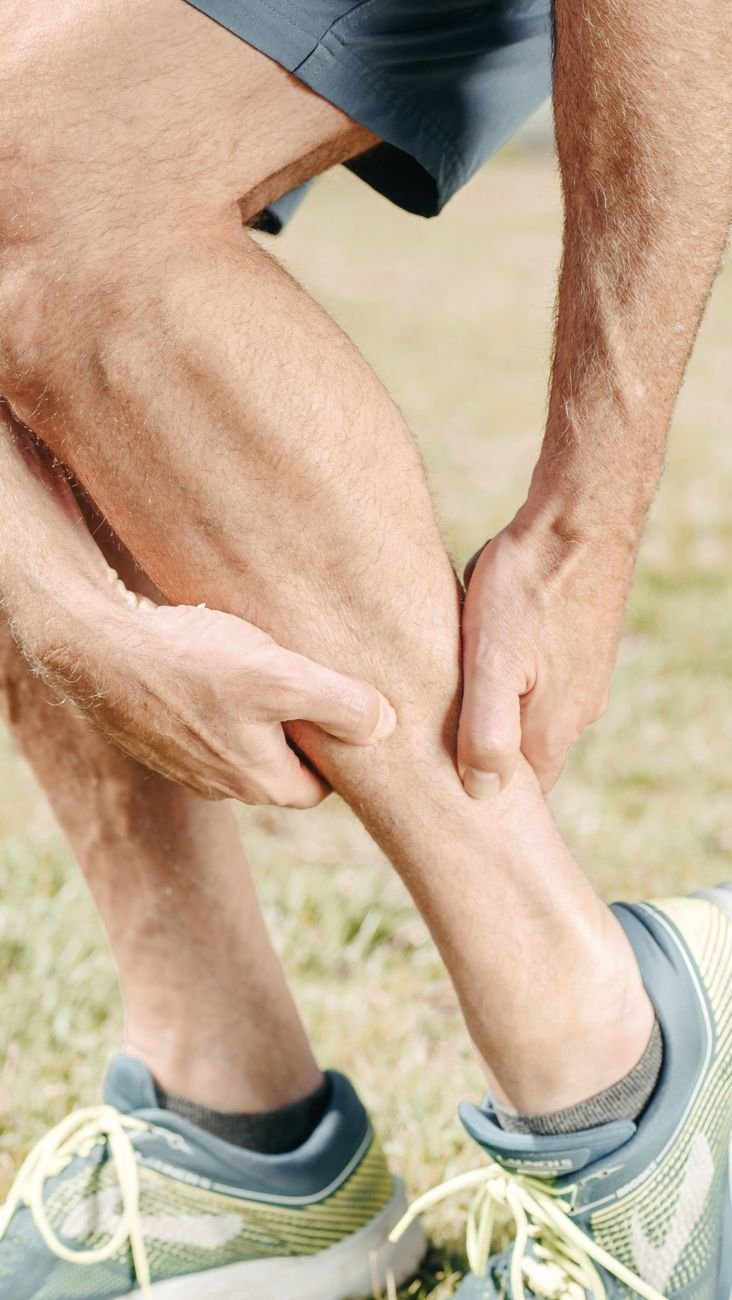
This is the part most calf strain articles skip entirely, they’ll walk you through the first two weeks of treatment and stop there, without addressing why this specific injury has one of the highest recurrence rates of any common sports injury, with some studies putting repeat injury at somewhere between one in five and one in three cases. The honest answer is that a calf strain almost always feels recovered before the muscle tissue has actually finished remodelling underneath.
Pain settling down is not the same thing as the muscle being ready to handle running again, and returning to full training as soon as it stops hurting, rather than once it’s genuinely been rebuilt to handle real load, is the single most common reason this injury keeps recurring. A big part of the problem is usually under-loading during the middle stretch of rehab, roughly the second and third weeks, where it’s tempting to ease off once the sharp pain has gone rather than progressively loading the healing muscle. Skipping or rushing through plyometric work, the springy, elastic loading a calf needs to genuinely tolerate running, is another common gap, along with stopping calf-specific strengthening altogether the moment performance looks roughly back to normal, rather than continuing it as ongoing maintenance.
Treatment From The First 48 Hours Onward
In the first 48 hours, the priority is limiting further damage and managing the initial pain and swelling, relative rest from aggravating activity, ice, gentle compression, and keeping the leg elevated where practical all help in this early window. This isn’t the phase to be testing the injury with a run to “see how it feels.”
From there, calf strain recovery becomes about progressively reintroducing load in a structured way, rather than jumping from rest straight back to running. Gentle range-of-motion work and light, pain-free loading typically comes first, followed by progressively heavier strengthening, often starting with double-leg heel raises before building toward single-leg and then weighted versions, as the muscle tolerates it. Only once genuine strength and control are back does higher-intensity, running-specific loading, including the springy plyometric work mentioned above, get reintroduced. Rushing through these stages in sequence, or skipping straight to running once the double-leg version feels easy, is exactly what tends to set up a repeat injury down the line.
How Sports Rehab Speeds Up Safe Recovery
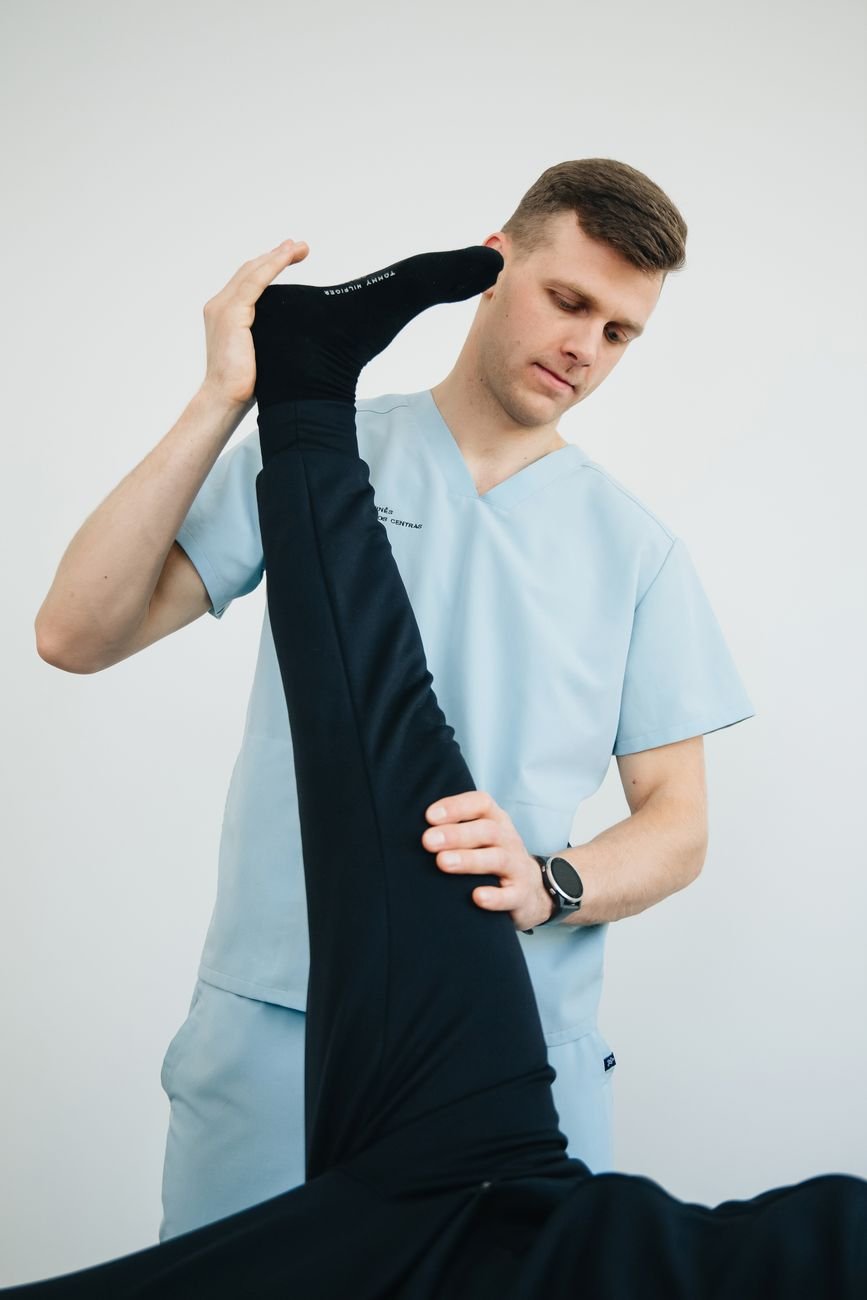
A guided approach tends to get people back to running both faster and more durably than a self-managed recovery, mainly because it’s genuinely hard to judge your own loading progression objectively when you’re the one desperate to get back to training. At Impact Sports Rehabilitation, a Rehabilitation Consultation builds a structured, staged loading plan around your specific grade of strain and your training goals, rather than a generic stretch sheet.
Cupping therapy is something many clients find genuinely helpful for easing tightness in the surrounding calf tissue as strength work ramps up, and for anyone who’s had a calf strain before, our muscle recovery article goes into more detail on where sports massage and cupping genuinely fit into the bigger recovery picture, rather than being treated as the whole plan on their own.
Returning To Running Without Re-Tearing It
A genuinely safe return to running after calf strain recovery isn’t a single “all clear” moment, it’s a gradual increase in distance, pace, and terrain difficulty, giving the muscle repeated chances to prove it can handle a bit more before asking for a bit more again. Hill running, sprinting, and sudden accelerations are typically the last things reintroduced, specifically because they place the highest, most explosive demand on the calf of anything in a runner’s normal training.
It’s also worth being honest that some discomfort during early return-to-running sessions isn’t automatically a red flag, but a return of the original sharp, grabbing pain is a clear signal to back off rather than push through it. A useful, if imperfect, benchmark before returning to running is being able to comfortably manage a good number of single-leg heel raises on the injured side without pain or noticeable weakness compared with the uninjured leg, since this roughly mirrors the demand running places on the calf with every stride. Rebuilding confidence in the calf under real running conditions, not just in a clinic, is genuinely part of what makes a recovery hold rather than becoming another entry in the recurrence statistics.
Free tool: Injury Recovery Time Estimator
Want a realistic timeline for your own injury? Our free injury recovery time estimator gives you a typical recovery range by severity, plus RICE guidance for that specific injury, instantly and with nothing stored.
If your calf keeps letting you down mid-run and you’re tired of the same injury cycling back, Impact Sports Rehabilitation works with runners and everyday athletes across Eccles, Salford, Trafford, and the wider Greater Manchester area on exactly this kind of recurring calf strain recovery. Book a Rehabilitation Consultation for a proper, staged plan built around getting back to running for good, or ask about an online consultation if you’re further afield.
Frequently Asked Questions
Is it safe to keep running lightly on a calf strain if it’s not too painful?
It depends heavily on the grade of the strain, which is genuinely hard to judge accurately yourself, so this is worth getting assessed rather than guessing. Continuing to run on an under-rehabilitated calf strain is one of the most common ways a mild injury turns into a recurring one.
Why does my calf keep tearing in almost the exact same spot?
This is a very common pattern, and it usually points to the muscle not having been rebuilt to handle running-level load before returning to training last time, rather than genuine bad luck. A structured, progressive loading plan is specifically designed to close that gap rather than repeating the same shortened recovery.
How long should I actually rest before trying to run again?
This depends on the grade of your strain and how your specific rehab is progressing, so we’d rather assess it properly than give a blanket number that might not apply to you. Many clients at Impact Sports Rehabilitation find a staged, criteria-based return works far better than picking an arbitrary date on a calendar.
Could this actually be something more serious than a strain, like a blood clot?
It’s rare, but sudden calf swelling, warmth, and pain that doesn’t fit the pattern of a sporting injury should always be checked promptly, since it’s important to rule out a deep vein thrombosis rather than assuming it’s muscular. If in doubt, particularly with no clear sporting mechanism behind the pain, seek medical attention rather than waiting.
Will stretching my calf every day stop it from tearing again?
Stretching alone rarely addresses the actual reason calf strains recur, which is usually a strength and loading gap rather than tightness on its own. Progressive strengthening and plyometric loading tend to matter far more for genuinely preventing a repeat tear.
Do I need a scan to know how bad my calf strain is?
Not always, many strains can be graded clinically through assessment alone, but imaging is sometimes recommended for a more severe-looking injury or one that isn’t progressing as expected. A proper assessment will tell you whether it’s needed in your specific case.
This article is provided for general educational purposes by Impact Sports Rehabilitation and does not constitute medical advice, diagnosis, or treatment. Calf strains range from mild to a complete tear, and significant swelling, bruising, or an inability to walk normally should be assessed by a qualified clinician rather than self-treated. Always seek the guidance of a doctor or other qualified health provider with any questions about your specific injury.