

Quick answer: Torn rotator cuff symptoms typically include shoulder pain that’s worse at night or when lifting the arm overhead, along with genuine weakness during specific movements like reaching out to the side or rotating the arm. Which movement feels weak often points to which of the four rotator cuff muscles is affected, though pain intensity alone doesn’t reliably tell you how large the tear actually is. A proper clinical examination, and often imaging, is the only way to confirm a tear rather than just irritation or impingement.
New shoulder pain, especially the kind that nags at night or makes lifting your arm overhead feel genuinely weak, has a way of sending you straight to Google trying to work out torn rotator cuff symptoms from general shoulder wear and tear. It’s a reasonable thing to want to understand before you’re sitting in front of someone, and the honest answer is that some symptoms genuinely do point more toward a tear than simple impingement, while others overlap so much that self-diagnosis just isn’t reliable. Here’s a clear, honest breakdown of what actually points to a tear, what doesn’t, and when this needs more than a wait-and-see approach.
What The Rotator Cuff Actually Does (And Why Tears Happen)
The rotator cuff is made up of four muscles, the supraspinatus, infraspinatus, subscapularis, and teres minor, that wrap around the shoulder joint and work together to keep the ball of your upper arm bone centred in its socket while also driving specific movements. The supraspinatus helps you lift your arm out to the side, particularly at the start of that motion, the infraspinatus and teres minor handle rotating your arm outward, and the subscapularis, the largest of the four, handles rotating it inward.
Tears happen through two broad routes. Gradual wear, sometimes called degenerative tearing, builds up over years, often alongside general tendon ageing and repetitive overhead use, and can eventually progress to a genuine tear without one specific moment of injury. Acute tears happen suddenly, typically from a fall onto an outstretched arm, a heavy lifting attempt, or a forceful pull, and often affect a tendon that was already somewhat weakened by that same gradual wear process.
Age plays a genuinely bigger role in this injury than most people expect. Degenerative tears become considerably more common from your forties onward, simply because tendon tissue loses some of its resilience over decades of use, which is part of why the same fall or lifting mishap can tear a tendon in someone in their fifties while barely troubling someone in their twenties. This isn’t a comment on fitness level, it’s about tendon tissue quality specifically, and it’s worth keeping in mind rather than assuming a tear only happens through obvious trauma.
The Key Symptoms That Point To A Tear
Most general shoulder pain articles list the same handful of symptoms, pain, weakness, reduced range of motion, without explaining why each one happens or what it actually tells you, so it’s worth connecting the dots properly. Pain that sits at the front or side of the shoulder and travels partway down the outer arm is common to both impingement and tears, so on its own it doesn’t distinguish much. What matters more is which specific movement brings on genuine weakness, not just pain, because that tends to point toward which muscle is actually affected.
Weakness or a real struggle lifting your arm out to the side, particularly noticeable right at the start of that movement, points toward the supraspinatus, by far the most commonly torn of the four rotator cuff muscles. Weakness specifically rotating your arm outward, the motion you’d use turning a door handle away from your body or in the cocking phase of a throw, points toward the infraspinatus or teres minor. Weakness rotating your arm inward, noticeable as genuine difficulty lifting your hand off your lower back if you tuck it behind you, points toward the subscapularis, and is a pattern that’s often missed since people assume all rotator cuff pain looks the same. A larger, full-thickness tear involving the supraspinatus can sometimes cause a genuinely distinct sign, being unable to hold your arm up once it’s lifted for you, it simply drops, which is a more specific indicator than pain alone.
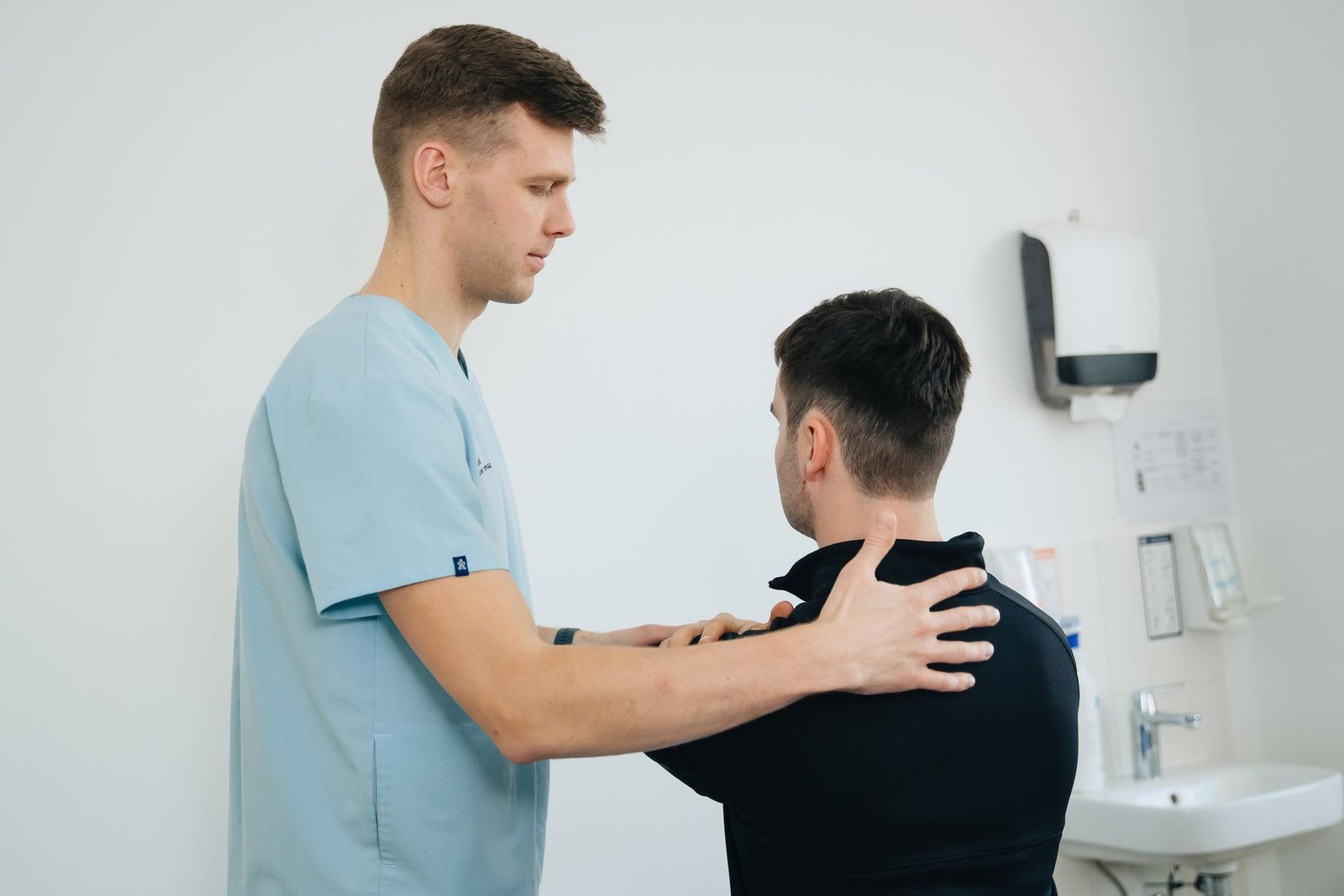
Partial Vs Full Tears: Do The Symptoms Actually Differ
This is a genuinely common question, and the honest answer surprises a lot of people, pain intensity alone does not reliably tell you how large a tear is. Research consistently shows that plenty of people walking around with full-thickness tears have relatively mild symptoms, sometimes none at all, particularly if the remaining rotator cuff muscles and surrounding structures have compensated well. Conversely, a smaller partial tear can be genuinely painful, especially at night, without necessarily being the more serious injury.
What tends to be more informative than pain level is functional weakness in a specific movement, especially something as distinct as the arm-drop pattern mentioned above, or a clear, sudden loss of strength following a traumatic injury rather than pain that’s built up gradually. This is exactly why self-diagnosing tear size from how much something hurts isn’t reliable, and why a proper examination, looking specifically at strength and movement patterns rather than pain alone, matters more than the pain scale you’d naturally focus on.
When To Get It Checked Rather Than Wait
Most shoulder pain, including a lot of rotator cuff irritation, genuinely does respond well to guided rehab without ever needing imaging or surgery. That said, certain signs are worth taking seriously rather than waiting out. Significant, persistent weakness in a specific movement, particularly if it isn’t improving at all with rest, is worth flagging, and a shoulder that genuinely can’t lift away from the body, not just reluctant to due to pain, but a real inability to hold the arm up, suggests a larger tear that’s unlikely to resolve with exercise alone.
A clear traumatic onset, a fall, a wrench, a sudden forceful pull, followed by significant weakness deserves prompt assessment rather than a standard wait-and-see period, since acute tears in an otherwise healthy tendon sometimes respond better to earlier intervention. None of this is about self-diagnosing exactly what’s torn, it’s about recognising when the pattern is different enough from ordinary shoulder pain to warrant getting it looked at properly rather than working through a generic stretching routine.
It’s also worth being honest that a reasonable trial of guided rehab, rather than instant imaging for every ache, is genuinely the right first step for most people, and rushing straight to a scan for ordinary, gradually-onset shoulder pain isn’t usually necessary. The distinction that matters is between shoulder pain that responds, even slowly, to properly guided exercise, and shoulder pain that shows a clear, specific functional deficit that isn’t shifting at all despite doing the right things.
How Sports Rehab Supports Recovery, Surgical Or Not
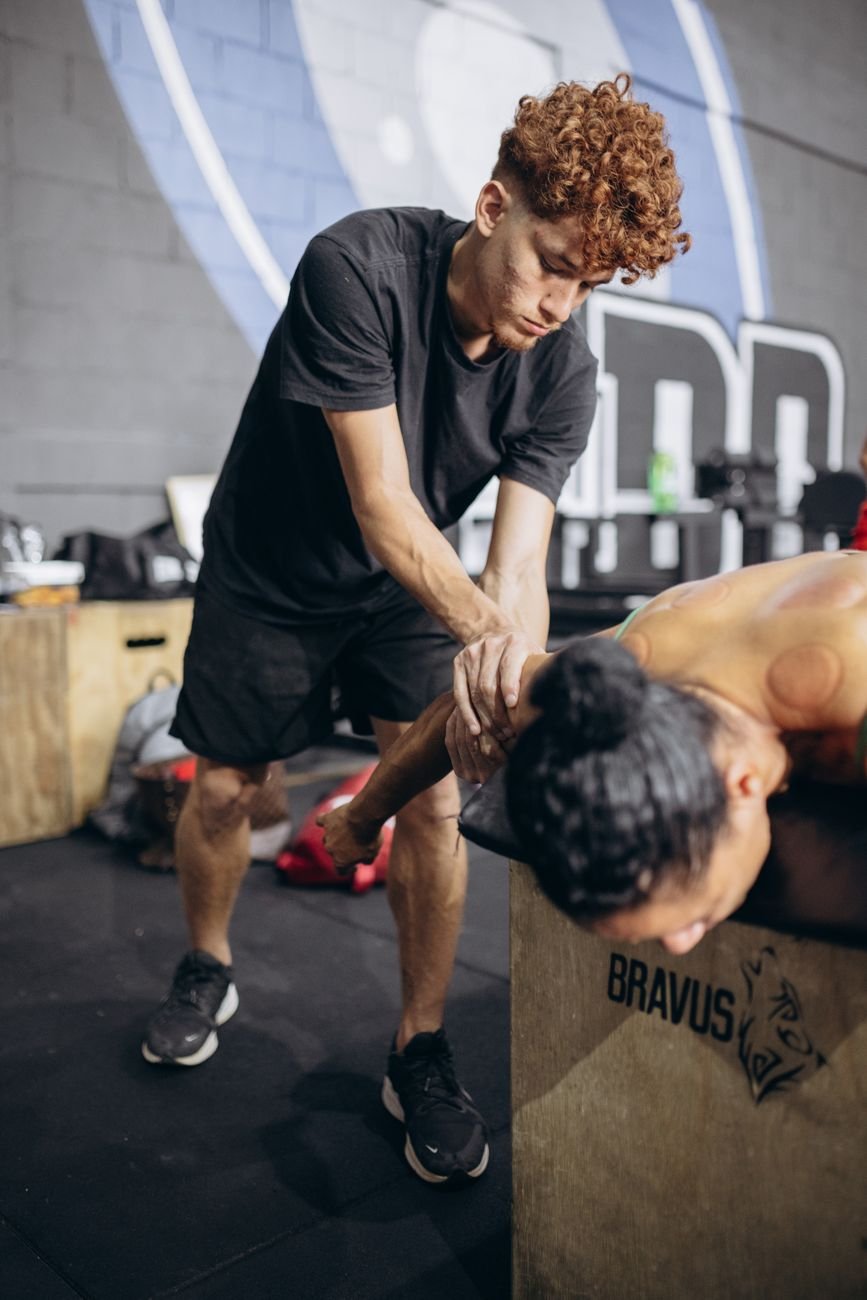
Whether a rotator cuff issue ends up being managed conservatively or surgically, guided rehab plays a genuinely central role either way. At Impact Sports Rehabilitation, a Rehabilitation Consultation starts with a proper assessment of exactly which movements are weak and how the shoulder is compensating, building a plan around strengthening the muscles that are still working well while protecting the ones under strain, rather than a one-size-fits-all shoulder programme.
Rocktape taping is something many clients find genuinely useful for extra proprioceptive support during the strengthening phase, and sports massage can help address the compensatory tightness that builds up in the neck and upper back as the shoulder tries to protect itself. If surgery has been the recommended path, the same guided approach applies post-operatively, just on a different timeline set by your surgeon.
Getting Back To Overhead Activity Safely
A safe return to overhead lifting, throwing, or racquet sports genuinely needs to be graded rather than jumped back into once the pain has settled, since the rotator cuff’s stabilising job under load is very different from its job during a pain-free daily task. Rebuilding rotational strength specifically, not just general shoulder strength, tends to matter more than people expect, given how much of the rotator cuff’s real job is controlling rotation rather than raw lifting power.
Volume and intensity of overhead activity should build up in stages, with plenty of attention paid to whether fatigue brings back the original symptoms, since a shoulder that feels fine for the first few reps but starts aching partway through a session is telling you something genuine about where its current capacity actually sits.
If new or ongoing shoulder pain and weakness are making you wonder whether this is more than simple irritation, Impact Sports Rehabilitation works with everyday athletes and overhead sports players across Eccles, Salford, Trafford, and the wider Greater Manchester area on exactly this kind of shoulder assessment. Book a Rehabilitation Consultation for a proper look at what’s actually going on, or ask about an online consultation if you’re further afield.
Frequently Asked Questions
Could this just be a strain rather than an actual tear?
It’s genuinely possible, plenty of shoulder pain is muscular strain or tendon irritation rather than a true tear, and the two can feel remarkably similar early on. A proper assessment looking at specific movement weakness rather than pain alone is really the only reliable way to tell them apart.
Is it bad news if I can still lift my arm above my head?
Not necessarily, some tears, particularly smaller or partial ones, don’t fully prevent you from lifting your arm, they just make it weaker or more painful to do so. Being able to lift your arm doesn’t rule out a tear, and equally, difficulty lifting it doesn’t automatically mean the worst-case scenario.
Do I definitely need an MRI to know if it’s torn?
Not always straight away, a clinical examination can often give a reasonably confident picture, but imaging is genuinely useful when the exam findings are unclear or when surgery is being considered. At Impact Sports Rehabilitation we’ll always point you toward imaging if it looks genuinely necessary rather than as a routine first step.
Will exercises make a real tear worse?
Appropriately guided exercise is actually part of how most rotator cuff issues, including many confirmed tears, are managed, since strengthening the surrounding muscles can meaningfully improve function. The key word is guided, the wrong exercises done too aggressively can aggravate things, which is exactly why a proper assessment matters before diving into a generic programme.
How worried should I be if the pain is worse at night?
Night pain is a very common feature of rotator cuff problems generally and doesn’t specifically confirm a tear or predict its size on its own. It’s genuinely uncomfortable and worth mentioning to whoever assesses you, but it isn’t, by itself, a reliable measure of severity.
Is surgery inevitable if it turns out to be a full tear?
No, plenty of full-thickness tears are managed successfully without surgery, particularly in less active individuals or where symptoms respond well to guided rehab. Whether surgery is the right path depends on a range of factors specific to you, your activity level, and how the shoulder responds to conservative treatment first.
This article is provided for general educational purposes by Impact Sports Rehabilitation and does not constitute medical advice, diagnosis, or treatment. Rotator cuff tears can only be confirmed through proper clinical examination and often imaging, and significant weakness, an inability to lift the arm away from the body, or a clear traumatic injury should be assessed by a qualified clinician promptly rather than self-treated. Always seek the guidance of a doctor or other qualified health provider with any questions about your specific injury.