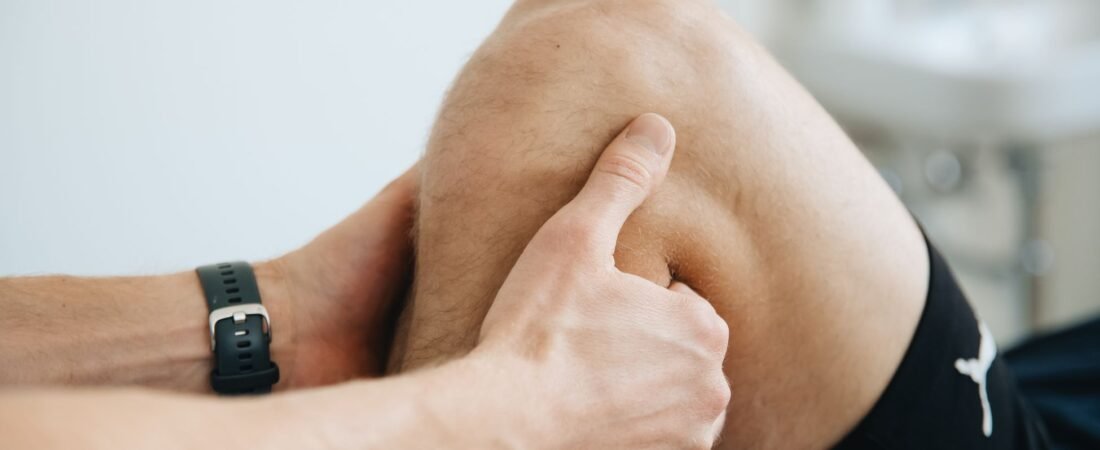
Quick answer: Ligament damage happens when the tough, fibrous tissue connecting bone to bone gets stretched or torn, usually from a sudden twist, impact, or awkward landing during sport. Signs range from mild tenderness and swelling in a stretched ligament to visible bruising, joint instability, and real difficulty bearing weight in a full tear. The right fix depends heavily on which ligament is involved and how severe the damage is, so treatment genuinely isn’t one-size-fits-all.
If you’ve come away from training, a match, or even just an awkward step off a curb with a joint that suddenly feels wrong, swollen, unstable, painful to move properly, there’s a good chance you’re dealing with some degree of ligament damage. It’s one of the most common injuries we see at Impact Sports Rehabilitation, and also one of the most confusing things to research online, because so much of the advice out there treats ligament damage as a single, generic thing when in reality a mild ankle sprain and a fully ruptured knee ligament have almost nothing in common in terms of what actually needs to happen next. This is meant as an honest, broad starting point, whichever joint you’re worried about, before you narrow things down with a proper assessment.
What Counts As Ligament Damage
Ligaments are the tough, fairly inelastic bands of tissue that connect one bone to another and hold your joints together, doing the quiet but essential job of keeping bones lined up correctly while still allowing normal movement. When a ligament is forced beyond its normal range, usually by a sudden twist, wrench, or impact, it can stretch, partially tear, or tear completely, and clinicians generally describe this on a three-grade scale. A grade one injury is a mild overstretch with the fibres still largely intact, a grade two is a partial tear with some genuine structural damage, and a grade three is a complete rupture, where the ligament has torn all the way through and can no longer do its job of holding the joint stable.
This is really what the word “sprain” means, specifically, an injury to a ligament, as distinct from a “strain,” which refers to a muscle or tendon injury instead. Ligament damage can happen at almost any joint in the body, though the ankle, knee, wrist, and fingers are among the most commonly affected in sport, each with its own set of ligaments doing slightly different jobs depending on how much rotation, bending, or side-to-side force that particular joint normally has to control.
Recognising The Signs, Mild To Severe
A mild, grade one injury usually shows up as tenderness around the joint and a small amount of swelling, and you can typically still bear weight or use the joint, even if it aches to do so. It’s easy to underestimate at this stage, since the joint often still feels roughly functional.
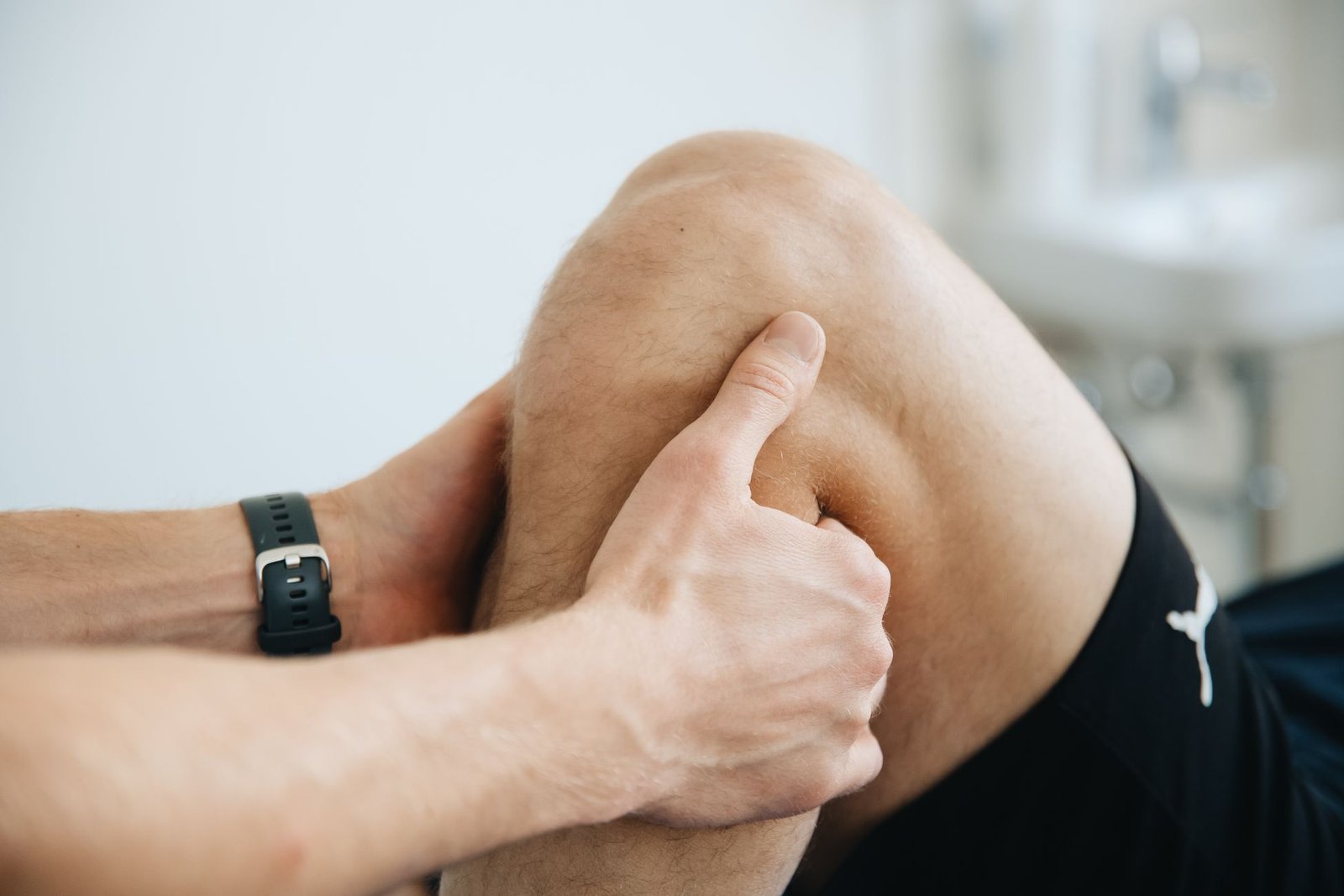
A moderate, grade two injury tends to bring more obvious swelling, often with bruising appearing over the following day or two, and a noticeable sense that the joint feels less stable, particularly under load or at the extremes of its movement. Range of motion is usually more restricted too, and pushing through it tends to feel genuinely uncomfortable rather than just tight.
A severe, grade three injury typically causes significant swelling almost immediately, visible bruising, and a distinct feeling that the joint is loose or gives way under you, sometimes described as feeling like the joint just isn’t there to catch you anymore. Bearing weight or using the limb normally is often genuinely difficult, and some people report hearing or feeling a pop at the exact moment of injury. It’s worth saying clearly that the same “grade three” label doesn’t mean the same thing in every joint, which is something we’ll come back to.
What Causes Ligament Damage In Sport
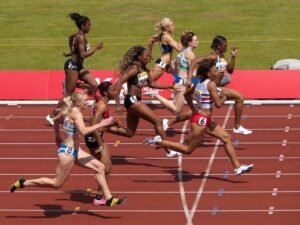
Sudden changes of direction are one of the most common mechanisms, cutting, pivoting, or changing pace sharply while your foot is planted asks a lot of the ligaments around your ankle and knee, which is why sports involving a lot of stop-start movement and direction changes see so much of this injury. Direct impacts, a tackle, a collision, or a fall onto a joint, can force it beyond its normal range in a single moment, and landing awkwardly from a jump, particularly onto an uneven surface or someone else’s foot, is another very common route to a sprained ankle or knee ligament specifically.
Repetitive overload without adequate recovery can also gradually weaken a ligament’s ability to do its job, even without one single dramatic moment of injury. And for the combat sports and BJJ practitioners we work with regularly, joint locks and submissions applied through a limb’s normal range but held under sustained pressure are a mechanism almost unique to that world, capable of causing real ligament damage even when nothing about the movement looks especially violent from the outside.
How Ligament Damage Is Treated
This is where most general articles on ligament damage give you the same generic advice regardless of what’s actually going on, rest, ice, and see how it feels, and it’s genuinely not that simple. Which ligament is damaged matters just as much as how severely, because different ligaments sit in very different healing environments.
Ligaments that sit outside a joint capsule, extra-articular ligaments, like most of the ligaments around your ankle or the inner ligament of your knee, tend to have a reasonably good blood supply and often heal well with conservative treatment, bracing, guided rehab, and time, even when the injury is a full grade three tear. Ligaments that sit inside a joint capsule, intra-articular ligaments, like the ACL in your knee, are bathed in joint fluid that actively works against clot formation, a genuinely hostile environment for healing, which is a major reason why a complete tear there usually does need surgical reconstruction rather than rest alone. We’ve written a more detailed look at this exact distinction in our torn ligament article, if you want to understand why some full tears heal without surgery and others don’t.
The demands placed on the joint matter too. A knee has to control rotation and absorb enormous force under bodyweight, so instability there tends to be treated more cautiously than a similar-grade injury somewhere that mostly needs proprioceptive, positional stability rather than raw structural load-bearing. All of this is exactly why “how is ligament damage treated” doesn’t have one universal answer, and why a proper clinical assessment, ideally including imaging for anything beyond a clearly mild injury, matters more than following generic advice written for every joint at once.
How Sports Rehab Supports Every Stage Of Recovery
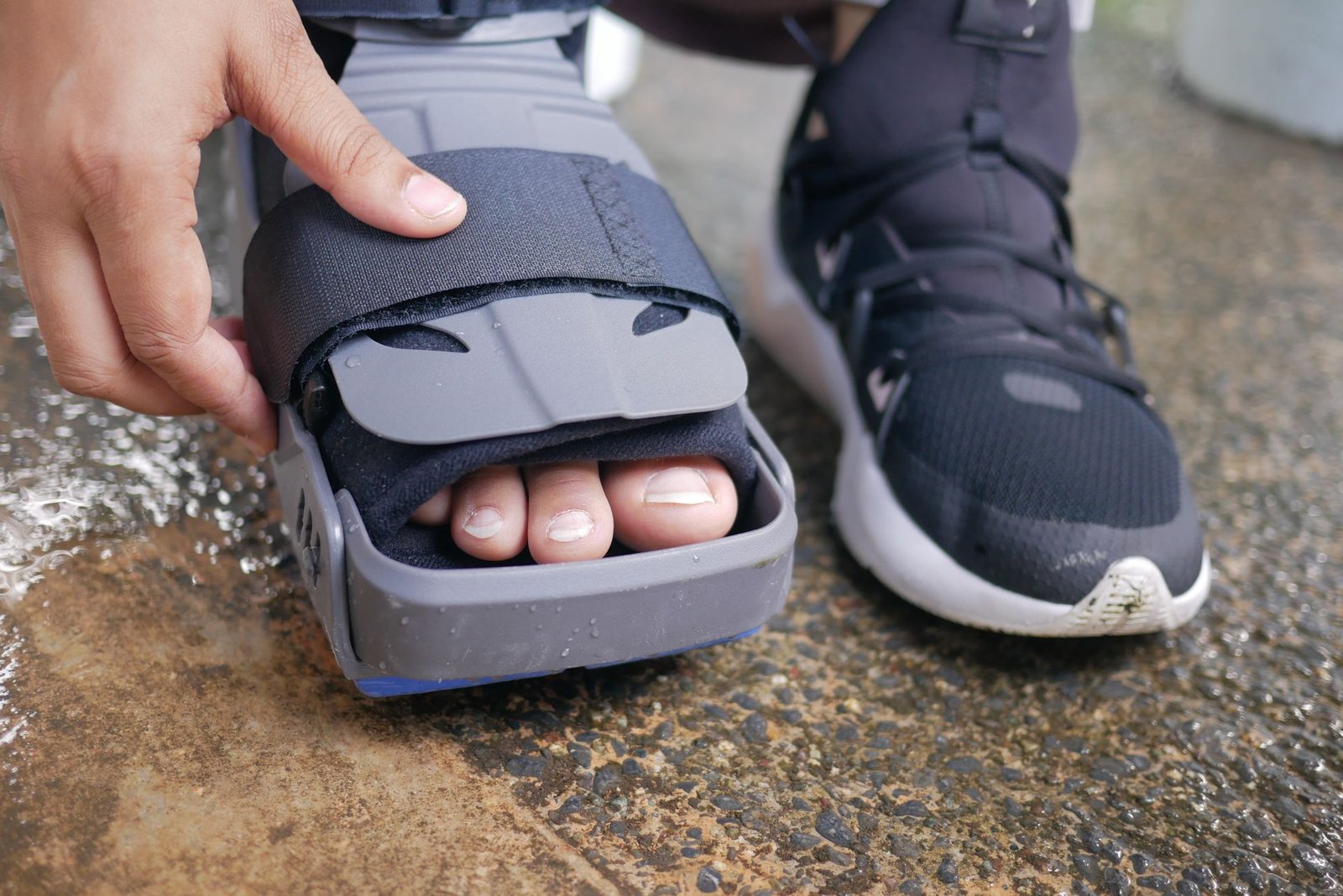
Good rehab for ligament damage genuinely changes shape as recovery progresses, rather than being one static plan from day one. In the early stage, the priority is protecting the joint and managing swelling without letting it stiffen up completely. As things settle, the focus shifts to gradually restoring full range of motion and rebuilding strength in the muscles that support the joint, since a ligament rarely works entirely alone, and strong surrounding muscles take some of the stabilising load off it. In the later stage, rebuilding genuine confidence in the joint under sport-specific movement is just as important as the physical healing itself, since plenty of people are structurally ready to return before they trust the joint again.
At Impact Sports Rehabilitation, a Rehabilitation Consultation is where this whole plan gets built around your specific joint, grade, and sport, rather than handed to you generically. Rocktape taping is something many clients find genuinely useful during the return-to-training phase, offering extra support and proprioceptive feedback around a joint that’s still rebuilding full confidence, without restricting the movement it needs to relearn.
Preventing Future Ligament Injuries
A previous ligament injury is genuinely one of the biggest risk factors for injuring the same joint again, which makes prevention work worth taking seriously rather than treating it as optional once the pain has gone. Strength and proprioceptive training, exercises that specifically challenge your balance and joint position sense, help the surrounding muscles and nervous system react faster to an awkward position before it becomes a full injury. For sports involving cutting and direction changes, technique work on how you plant, pivot, and land can meaningfully reduce the forces going through vulnerable ligaments in the first place.
A proper warm-up that gradually prepares the joint for sport-specific demands matters more than it gets credit for, and so does genuinely finishing rehab rather than stopping as soon as the pain settles down. Returning to full training on a ligament that’s technically pain-free but hasn’t rebuilt its full strength and stability is one of the most common reasons the same joint gets re-injured within the following months.
If you’re dealing with a joint that feels swollen, unstable, or just not right after an injury, Impact Sports Rehabilitation works with everyday athletes and combat-sports practitioners across Eccles, Salford, Trafford, and the wider Greater Manchester area on exactly this kind of ligament damage. Book a Rehabilitation Consultation for a proper assessment of your specific injury, or ask about an online consultation if you’re further afield.
Frequently Asked Questions
I heard a pop when I got injured, does that definitely mean I’ve torn a ligament?
Not necessarily, a pop or snapping sensation is reported in some ligament tears but it isn’t a reliable way to diagnose severity on its own, and plenty of significant injuries happen without one. It’s worth mentioning to whoever assesses you, alongside the swelling, bruising, and stability of the joint, rather than treating it as the deciding factor by itself.
Can a sprained ligament heal on its own without seeing anyone?
Many mild, grade one sprains do settle with rest, ice, and time, but it’s genuinely hard to know how mild an injury is without an assessment, and a joint that feels unstable, swells significantly, or doesn’t improve within a few days is worth getting properly checked rather than assumed to be minor.
How do I know if my ligament damage needs surgery?
This depends on which ligament is involved, how completely it’s torn, and how much instability it’s causing, which is exactly why it needs a clinical assessment and often imaging rather than a guess. At Impact Sports Rehabilitation we’ll always point you toward the right specialist if surgery genuinely looks like it might be needed.
Is it normal for the swelling to still be bad after a few days?
Some swelling in the first 48 to 72 hours is common, but swelling that’s still severe, getting worse, or accompanied by an inability to bear any weight at all beyond a few days is worth getting checked rather than waiting it out further.
Will my joint ever feel as stable as it did before the injury?
Many people do get back to feeling fully confident and stable, particularly when the rehab is followed through properly rather than stopped once the pain eases, though how complete that recovery is genuinely depends on the specific ligament, grade, and how it’s managed. A structured, guided rehab plan gives the joint the best realistic chance of getting there.
Should I keep training on it if it doesn’t hurt too much?
It’s tempting, but continuing to load a joint before it’s properly rehabilitated is one of the most common ways a mild ligament injury turns into a more serious, recurring one. A proper assessment can tell you what’s genuinely safe to keep doing and what needs to be backed off for now.
This article is provided for general educational purposes by Impact Sports Rehabilitation and does not constitute medical advice, diagnosis, or treatment. Ligament damage covers a wide range of severity and affected joints, and a suspected significant injury should always be assessed by a qualified clinician, including imaging where appropriate, rather than self-treated. Always seek the guidance of a doctor or other qualified health provider with any questions about your specific injury.