Quick answer: Muscle recovery is the process your body goes through to repair the microscopic muscle damage caused by exercise, rebuild the tissue stronger, and restore energy stores so you’re ready to train again. It depends on a combination of sleep, adequate overall nutrition, and sensible training load, with hands-on treatments like sports massage and cupping able to support the process rather than replace those fundamentals. Most people notice a real difference once they stop chasing quick fixes and start treating recovery as seriously as the training itself.
If you’ve ever finished a hard session and immediately started wondering whether you should ice it, stretch it, foam roll it, or just eat a load of protein and hope for the best, you’re not alone. Muscle recovery gets talked about constantly, but it’s rarely explained clearly, and most of what circulates online is either oversimplified or quietly trying to sell you something. In our experience, once people actually understand what’s happening in their muscles after exercise and what genuinely helps, they stop guessing and start training smarter between sessions, not just harder during them. Here’s the honest, practical version.
What’s Actually Happening In Your Muscles After Exercise
When you train, especially with new movements, heavier loads, or higher volume than you’re used to, you create microscopic damage to the muscle fibres involved. That damage triggers an inflammatory response and a repair process that rebuilds the fibres slightly stronger and more resilient than before, which is the basic mechanism behind getting fitter and stronger over time. Delayed onset muscle soreness, the ache that shows up a day or two after a tough session, is simply a normal part of that process, not a sign that something’s gone wrong.
This repair process takes real time and resources, which is exactly why recovery isn’t just the gap between workouts, it’s an active part of the training process itself. Skipping it, or assuming your body will just handle it regardless of how you sleep, eat, or manage your training load, tends to catch up with people eventually, usually as nagging fatigue, plateauing performance, or a higher risk of injury.
It’s also worth understanding that different types of training create different recovery demands. A heavy strength session tends to create more localised muscle damage that needs targeted repair, while a long endurance session places more demand on your overall energy stores and central fatigue. Neither is automatically harder to recover from than the other, but treating every session’s recovery needs identically, regardless of what you actually did in training, is one of the more common ways people misjudge how ready they are for the next one.
The Building Blocks Of Good Recovery, Sleep, Nutrition And Load
Sleep is genuinely the single biggest lever most people underuse. It’s during deep sleep that a large share of muscle repair and hormonal recovery actually happens, and consistently cutting sleep short tends to blunt recovery far more than people expect, regardless of how well everything else is dialled in. Prioritising consistent, adequate sleep is one of the most underrated performance habits going.
Nutrition matters too, though not in the narrow, obsessive way it’s often presented. Overall adequate protein and energy intake across the day supports the repair process, and staying properly hydrated helps as well, but the idea that you need to hit some precise number within a tight window after training matters far less than getting your overall intake right day to day. Training load is the third piece, and it’s the one people most often get wrong in the opposite direction, ramping up volume or intensity faster than their recovery capacity can actually keep up with. Building load gradually, and genuinely respecting a harder week with a lighter one afterward, does more for long-term progress than grinding through fatigue ever does.
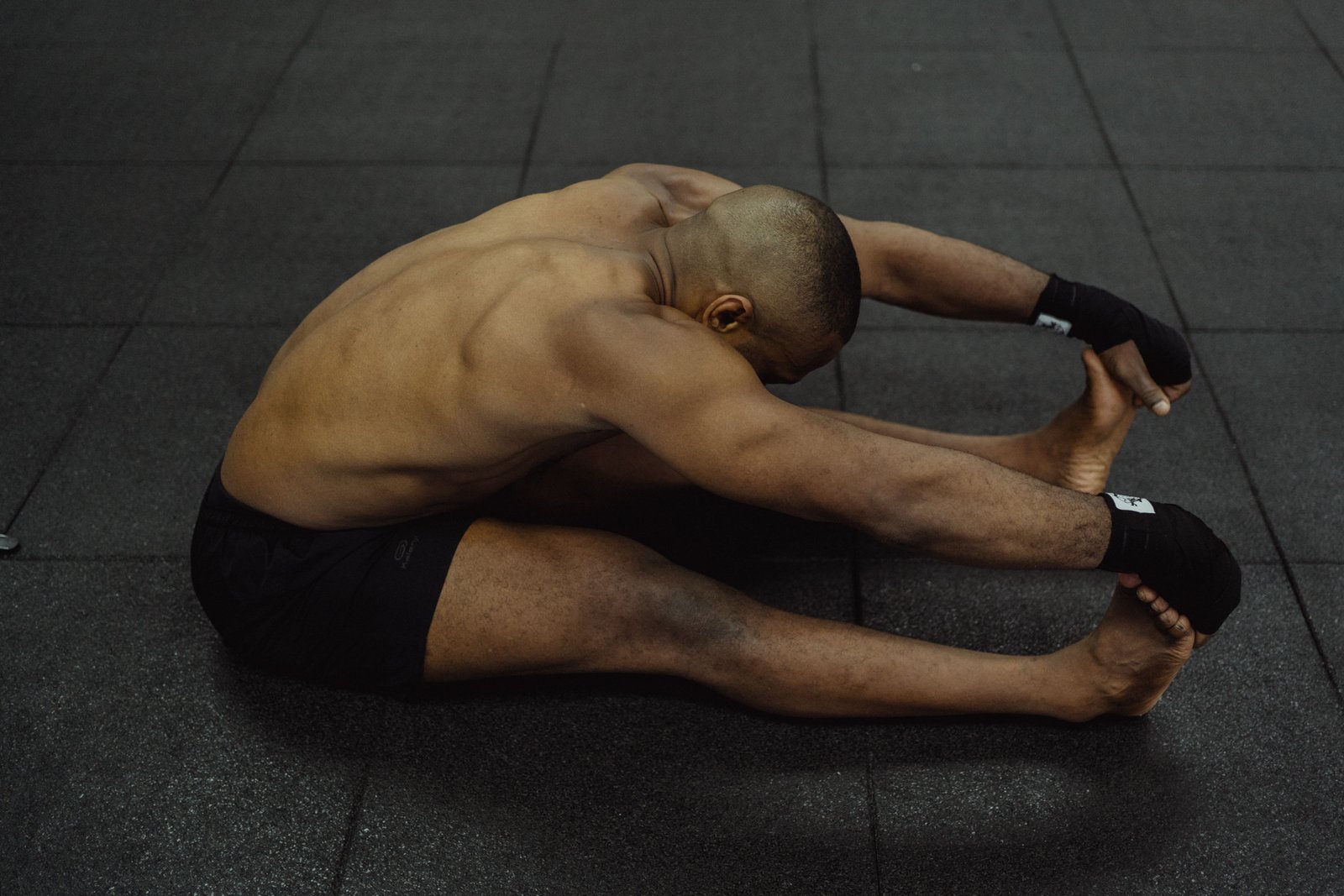
Where Sports Massage, Cupping And Taping Fit In
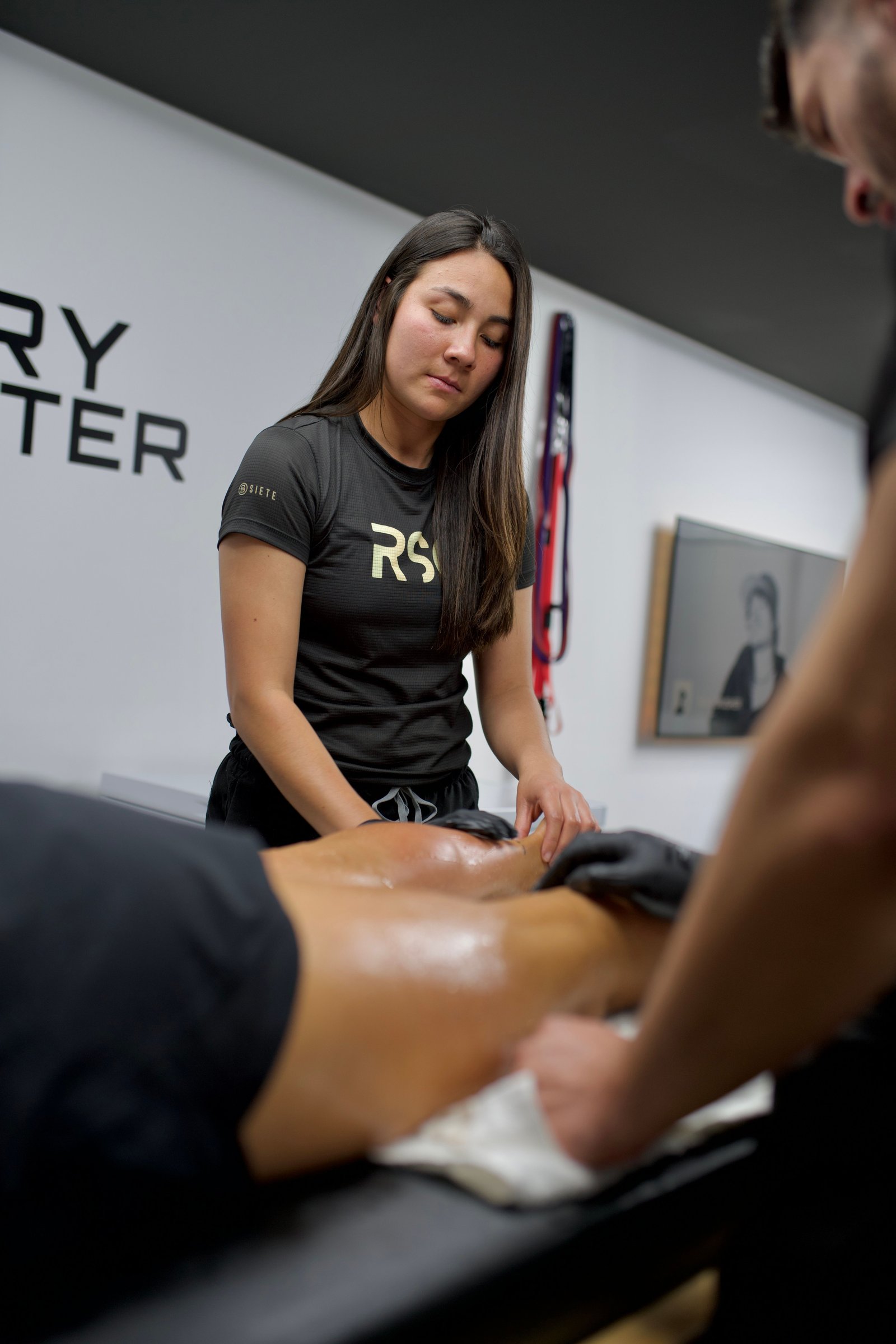
This is where most muscle recovery articles either ignore hands-on treatment entirely or oversell it as a shortcut, and neither is honest. Research on sports massage shows it doesn’t meaningfully improve things like strength, sprint speed, or measurable fatigue, but it does show a real, modest benefit for how sore muscles actually feel, which matters more than it sounds for staying consistent with training. Cupping shows a broadly similar pattern for delayed onset soreness, with research suggesting it can ease both how sore muscles feel and some objective markers of muscle damage, performing comparably to other active recovery approaches like ice baths in some studies.
Kinesiology taping has the least robust evidence of the three when it comes to directly speeding up recovery from soreness, though many clients find it genuinely useful for proprioceptive feedback and light support around a joint or muscle during the return to training. The honest summary is that none of these treatments replace sleep, nutrition, and sensible training load as the real foundations of recovery, but as a supportive layer on top of those fundamentals, many clients notice they feel more able to train consistently and manage soreness more comfortably, which over a full training block genuinely adds up.
Common Muscle Recovery Myths Worth Ignoring
A few recovery myths are so widely repeated they’re worth addressing directly. The idea that feeling extremely sore means you had a good, effective workout doesn’t really hold up, soreness is just a marker of unfamiliar muscle damage, not a reliable measure of training quality, and plenty of highly effective sessions leave you barely sore at all once your body has adapted to the movement.
The strict thirty-minute “anabolic window” for eating protein after training is another one worth relaxing about, research suggests the practical window for supporting muscle repair through nutrition is considerably longer than the old advice implied, and your total intake across the day matters far more than sprinting to a shaker bottle the second you finish. Ice baths are a more nuanced case than the marketing suggests too, they can genuinely ease soreness, but some research indicates using them immediately after a strength-focused session may blunt part of the adaptation you were actually training for, so timing and purpose matter more than treating cold exposure as an automatic win after every session.
The idea that more recovery tools automatically means better recovery is worth questioning too. Stacking foam rolling, compression gear, an ice bath, and a supplement stack all in one evening rarely outperforms simply getting a proper night’s sleep and eating consistently well, and in our experience it’s often a sign that the basics have been overlooked in favour of whatever feels like a more active, exciting fix.
How Sports Rehab Builds A Recovery Plan Around You
A generic recovery routine copied from someone else’s programme rarely fits your actual training, sport, and body the way a genuinely individualised approach does. At Impact Sports Rehabilitation, sports massage and cupping therapy are used as part of a broader plan built around your specific training load, recovery patterns, and any niggles you’re managing, rather than a one-size-fits-all add-on.
This matters even more if you’re actively recovering from a specific injury rather than just managing normal training fatigue, whether that’s something like a quad strain or a torn ligament, where recovery needs a properly staged, guided approach rather than the general habits covered here. Most clients find that having someone actually track how they’re responding over time, rather than following the same routine regardless of how a particular week has gone, makes a genuine difference to how consistently they can train.
Signs You’re Not Recovering Properly Between Sessions
Some signs are worth paying attention to if you suspect your recovery genuinely isn’t keeping up with your training. Persistent fatigue that doesn’t lift with a normal night’s sleep, a noticeable dip in performance or strength that doesn’t recover with a lighter week, and mood or motivation that’s dropped off despite training you’d normally enjoy are all common early indicators that something in the sleep, nutrition, or load balance needs adjusting.
It’s also worth knowing the difference between normal training soreness and something that needs a proper look. Soreness that’s sharp rather than dull, pain that’s localised to a joint rather than spread through a muscle, or discomfort that isn’t easing with the usual day or two is worth getting assessed rather than assuming it’s just recovery running behind schedule.
Sleep quality is often the first thing worth checking honestly when recovery feels off, since it’s easy to assume the problem is training-related when actually the bigger issue is going to bed too late or too inconsistently for the body to do its repair work properly. In our experience, clients who address sleep and overall training load together, rather than reaching straight for another recovery gadget or treatment, tend to see the most noticeable turnaround.
Free tool: Sore or Injured Self-Check
Wondering whether to train today? Our free sore or injured self-check takes seven quick questions and tells you whether to train as planned, go lighter, or rest and get it checked.
If you want a genuinely individualised recovery plan rather than a generic routine, or you’re managing a specific niggle alongside your regular training, Impact Sports Rehabilitation works with athletes and gym-goers across Eccles, Salford, Trafford, and the wider Greater Manchester area to build a recovery approach around your actual training and body. Book a Rehabilitation Consultation to get started, or ask about an online consultation if you’re further afield.
Frequently Asked Questions
Is it normal to still feel sore two or three days after a workout?
Yes, this is common, especially after a new exercise, a heavier load than usual, or a longer break from training, and it typically settles within a few days on its own. If soreness is unusually severe, sharp rather than dull, or lasting well beyond that, it’s worth getting checked rather than assuming it will pass.
Do I really need to eat protein straight after my workout to recover properly?
Not as urgently as the old “anabolic window” advice suggested, research suggests your overall protein intake across the day matters considerably more than eating within a tight window immediately after training. Consistent daily habits genuinely make more difference than the timing of any single meal.
Should I use an ice bath after every training session?
Not necessarily, ice baths can help ease soreness, but some research suggests using them straight after a strength-focused session may blunt part of the training adaptation you were working for, so it’s worth thinking about timing and purpose rather than using them as an automatic step every time.
Can sports massage actually speed up how quickly my muscles recover?
The evidence suggests it doesn’t dramatically change measurable recovery markers like strength or fatigue, but many clients at Impact Sports Rehabilitation do notice it genuinely helps how sore muscles feel and how ready they feel to train again, which matters for staying consistent over time.
How do I know if I’m just sore or if I’ve actually picked up an injury?
Normal recovery soreness tends to be a dull, generalised ache spread through the muscle that eases day by day, while an injury more often feels sharp, localised to one specific spot, or doesn’t improve with the usual rest and time. If you’re genuinely unsure which one you’re dealing with, that uncertainty is worth a proper assessment rather than waiting it out.
This article is provided for general educational purposes by Impact Sports Rehabilitation. Individual recovery needs vary considerably from person to person and depend on training history, health, and lifestyle, so this content isn’t a substitute for personalised advice. If you’re experiencing pain rather than normal training soreness, or you’re unsure which one you’re dealing with, please seek a proper assessment from a qualified professional rather than relying on general guidance alone.