
Quick answer: Most rotator cuff issues genuinely do improve with well-guided physiotherapy, so the rotator cuff tear red flags that suggest you need more than exercise are the exception, not the rule. These include significant ongoing weakness that isn’t shifting, a genuine inability to lift the arm away from the body, a clear traumatic onset like a fall or forceful pull, and symptoms that keep worsening despite properly guided rehab. If any of these apply to you, it’s worth asking about imaging or a specialist opinion rather than continuing exercises indefinitely.
If you’ve been doing your shoulder exercises properly, showing up to sessions, actually putting the work in, and it just isn’t improving the way you expected, you’re probably quietly wondering whether you need something more than physio. That’s a genuinely fair question, and it deserves a straight answer rather than either blind reassurance to keep going regardless or unnecessary alarm. Here’s an honest look at the real rotator cuff tear red flags that mean it’s time to ask for imaging or a specialist opinion, and why most people, reading this out of frustration rather than genuine red flags, are probably still on the right track.
Why Physio Is The Right First Step For Most Rotator Cuff Issues
It’s worth saying clearly upfront, most rotator cuff problems, including plenty of genuine partial tears, respond well to properly guided physiotherapy, and starting there rather than jumping straight to imaging or surgery is genuinely the right approach for the majority of people. If you’re still trying to work out whether your symptoms even suggest a tear in the first place, our torn rotator cuff symptoms article walks through what actually points to a tear versus general shoulder irritation.
Strengthening the muscles around the shoulder, improving how the shoulder blade moves, and gradually reloading the joint genuinely can resolve pain and rebuild function even in a confirmed tear, which is exactly why most guidelines recommend a proper trial of rehab before considering more invasive options. The frustration of feeling like progress has stalled doesn’t automatically mean physio has failed, sometimes it means the plan needs adjusting rather than abandoning altogether.
It also helps to remember why this order of operations exists in the first place. Imaging like an MRI is genuinely good at showing structural damage, but it isn’t especially good at predicting how much that damage is actually limiting you day to day, plenty of people have tears visible on a scan with barely any symptoms. Starting with a proper rehab trial, and reserving imaging for situations where progress genuinely stalls or a clear red flag is present, avoids over-investigating findings that may never have needed treating in the first place.
The Red Flags That Suggest You Need More Than Exercise
This is the question most rotator cuff content skips entirely, articles either cover initial symptoms or full treatment guides, and rarely address the specific escalation question someone already doing physio actually has. So here are the genuine red flags, clearly. Significant, ongoing weakness in a specific movement that isn’t improving at all despite consistent, correctly performed exercise over a reasonable period is worth flagging, rather than assuming more time alone will fix it.
A genuine inability to lift your arm away from your body, not just reluctance due to pain but an actual inability to hold it up once it’s lifted for you, suggests a tear that’s unlikely to resolve through strengthening alone. A clear traumatic onset, a fall, a heavy lifting injury, a forceful wrench, is itself worth mentioning even if you’re already doing exercises, since acute tears in an otherwise healthy tendon sometimes benefit from earlier intervention rather than a long conservative trial. And symptoms that are genuinely worsening, not just plateauing but getting worse, despite properly guided rehab done consistently, is a clear signal that something beyond a standard strengthening approach may be needed.
Trauma Vs Gradual Onset: Why The Cause Matters
A rotator cuff issue that started with a specific traumatic moment, a fall, a car accident, a heavy attempted lift, tends to be treated somewhat differently to one that crept in gradually over months of overhead activity or general wear. A sudden, traumatic tear in a tendon that was otherwise healthy is more likely to be a clean, full-thickness tear, and there’s some evidence that earlier surgical repair in this specific situation can lead to better outcomes than waiting, particularly in younger, more active people.
Gradual-onset symptoms, by contrast, often reflect a slower degenerative process, and a trial of rehab is almost always the sensible starting point regardless of what’s eventually found on imaging, since strengthening genuinely helps this pattern even when some degree of tearing is present. Being honest with yourself, and with whoever is treating you, about how your symptoms actually started is more useful than it might seem, since it genuinely shapes how quickly escalation should be considered.
Age and general activity level factor into this too, alongside the cause. A physically demanding job or sport that relies heavily on overhead shoulder strength changes how much functional loss matters day to day, compared with someone whose daily activities place far less demand on the same movement, and that context is worth mentioning openly when you’re being assessed rather than assuming your case should be treated identically to anyone else’s.
What Happens If Physio Isn’t Working
A reasonable trial of physiotherapy for a rotator cuff issue is generally somewhere in the region of six to twelve weeks of properly guided, consistent exercise, with progress checked every couple of weeks along the way rather than waiting until the end to find out it hasn’t worked. If you’re genuinely doing the programme as prescribed and reassessments aren’t showing meaningful improvement by around that point, that’s a reasonable moment to ask directly about imaging or a specialist opinion rather than continuing indefinitely on the assumption that more time alone will fix it.
It’s also worth remembering that not every persistent shoulder pain that hasn’t responded to cuff-focused rehab is necessarily the rotator cuff at all, a labrum issue like a SLAP tear can present with a broadly similar pattern of ongoing shoulder pain and can be genuinely missed if the assessment only ever considered the rotator cuff.
How Sports Rehab Knows When To Refer On
A good rehab provider isn’t just running you through a generic exercise sheet and hoping, they’re tracking your progress against realistic markers and know when the pattern isn’t behaving the way a straightforward rotator cuff strain or partial tear should. At Impact Sports Rehabilitation, a Rehabilitation Consultation includes ongoing reassessment specifically so that a genuine lack of progress gets flagged and acted on, rather than exercises continuing on autopilot indefinitely.
Knowing when to refer for imaging or a specialist orthopaedic opinion is as much a part of good rehab as the exercises themselves, and a clinician who’s comfortable saying “this isn’t progressing the way it should, let’s get it looked at properly” is doing their job correctly, not admitting rehab has failed.
What A Realistic Escalation Pathway Looks Like
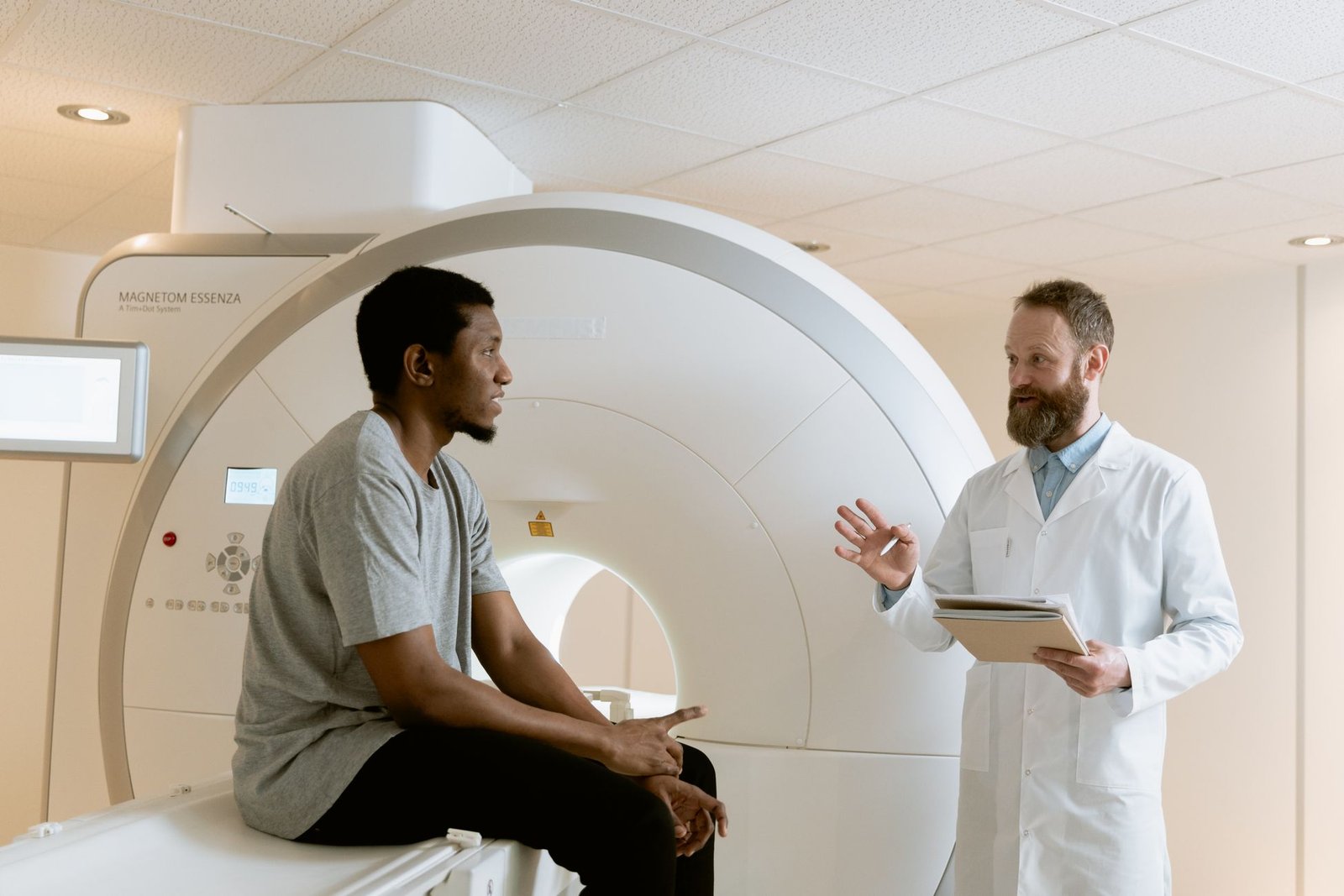
If a genuine red flag applies to you, or a proper rehab trial genuinely hasn’t worked, the next step is usually a referral for imaging, typically an ultrasound or MRI, to get a clear picture of what’s actually going on structurally. From there, a specialist orthopaedic opinion helps weigh up whether the specific tear found is one that’s likely to benefit from surgical repair or whether continuing a modified conservative approach still makes sense.
This isn’t a guarantee that escalation leads to surgery, plenty of people get imaging, get reassured about what it shows, and continue successfully with rehab, adjusted with a clearer picture of what they’re actually working with. The value of escalating appropriately is getting genuine clarity, not a fixed outcome either way.
It’s also worth knowing that even when surgery is discussed as an option, it’s rarely presented as urgent unless a specific red flag, like a large traumatic tear, makes it so. Most escalation conversations are about weighing the realistic pros and cons of surgical versus continued conservative management for your specific tear and lifestyle, not being funnelled toward an operation the moment imaging shows something. Going into that conversation with a clear picture of your own priorities, whether that’s returning to a specific sport, avoiding time off work, or simply resolving persistent pain, genuinely helps you and the specialist land on the right decision together.
Free tool: Physio or A&E Decision Tool
Just been hurt and not sure where to go? Our free physio or A&E decision tool checks the red flags first, then gives you one clear recommendation.
If your rotator cuff rehab genuinely doesn’t feel like it’s working the way it should, Impact Sports Rehabilitation works with everyday athletes across Eccles, Salford, Trafford, and the wider Greater Manchester area on exactly this kind of shoulder reassessment. Book a Rehabilitation Consultation for an honest look at your progress and whether escalation makes sense, or ask about an online consultation if you’re further afield.
Frequently Asked Questions
Does it mean my physio has failed if I’m not better yet?
Not necessarily, plenty of genuine rotator cuff issues take longer than people expect and still respond well with continued, correctly guided work. It’s the complete lack of any progress over a proper trial, rather than simply not being fully recovered yet, that’s worth flagging.
How do I know if my rehab is being done correctly?
This is exactly what regular reassessment is for, checking whether your specific exercises, load, and progression are appropriate rather than assuming a generic programme fits everyone. If you’re unsure, it’s worth asking your provider directly how your progress compares to what’s expected at this stage.
Is it normal to still have some pain even if the tear is healing well?
Some residual discomfort during rehab is common and doesn’t automatically mean things aren’t progressing, particularly as load is being gradually increased. What matters more is the overall trend over weeks, not day-to-day fluctuation.
Should I push for an MRI even if my therapist hasn’t suggested one yet?
It’s genuinely fine to ask directly if you feel like you’re not progressing, and a good provider should be able to explain clearly why they do or don’t think imaging is needed yet. At Impact Sports Rehabilitation we’d rather have that conversation openly than leave you wondering.
Could this actually be a different shoulder problem entirely?
Yes, that’s a genuine possibility, conditions like frozen shoulder, labrum tears, or referred pain from the neck can all mimic a rotator cuff issue that isn’t responding as expected. This is exactly why a lack of progress warrants a proper reassessment rather than just doing the same exercises for longer.
What if I can’t afford or access a private specialist opinion quickly?
Continuing appropriately guided rehab while working through whatever referral pathway is available to you is genuinely reasonable, since most rotator cuff issues aren’t emergencies even when escalation is appropriate. The red flags in this article are about knowing when to push for that referral, not implying every case needs to be seen within days.
This article is provided for general educational purposes by Impact Sports Rehabilitation and does not constitute medical advice, diagnosis, or treatment. Most rotator cuff issues respond well to guided rehabilitation, but significant ongoing weakness, an inability to lift the arm away from the body, a clear traumatic onset, or worsening symptoms despite properly guided rehab should be assessed by a qualified clinician rather than self-managed indefinitely. Always seek the guidance of a doctor or other qualified health provider with any questions about your specific injury.