Quick answer: The best way to sleep with sciatica for most people is side-lying with a pillow between the knees, or back-lying with a pillow under the knees, on a medium-firm mattress that supports the spine without creating pressure points. This helps manage symptoms rather than treat the underlying cause, and a proper assessment is the right next step if disrupted sleep is ongoing.
Lying awake at 2am because your leg won’t stop aching is genuinely one of the more miserable parts of dealing with sciatica. If you’ve already tried the usual step-by-step positioning advice and want to understand why some of it actually works, this is a closer look at the best way to sleep with sciatica, including what the evidence genuinely says about mattress firmness rather than just which side to lie on. For the full practical walkthrough of positions and habits, our how to sleep with sciatica guide covers that ground in more detail, this article focuses more on the why behind the advice, and where the evidence is genuinely stronger or weaker than it’s often presented.
Why Sciatica Often Feels Worse At Night
Lying down changes the pressure and position of your spine and hips in ways that can either ease or aggravate irritation of the sciatic nerve, depending on the specific position. Many people also notice pain feels more prominent at night simply because there are fewer distractions competing for attention once the day’s activity and noise settle down, which doesn’t make the pain less real, just more noticeable.
Staying in one position for hours, unlike shifting around during the day, can also allow pressure to build in a way that wouldn’t bother you during normal daytime movement, which is part of why position genuinely matters more overnight than it might during a short rest. There’s also a genuine physiological piece, prolonged stillness can allow inflammation and fluid to settle around irritated tissue in a way that’s less likely when you’re moving around during the day, which is part of why so many people notice stiffness is often worst first thing in the morning.
Sleep deprivation itself can also lower your overall pain tolerance, creating a genuinely frustrating cycle where poor sleep makes the pain feel worse, which then makes sleep even harder, which is exactly why addressing the sleep side of things, even while the underlying cause is still being worked on, is worth taking seriously rather than treating as a secondary concern.
Sleep Positions People Commonly Find More Comfortable
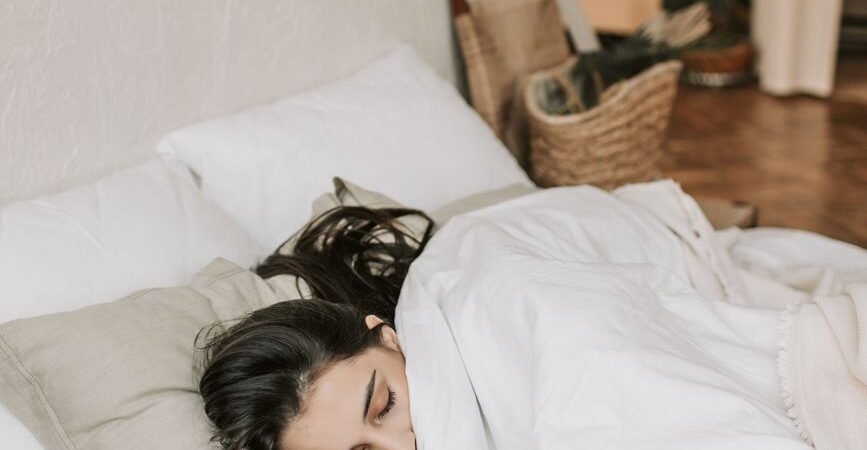
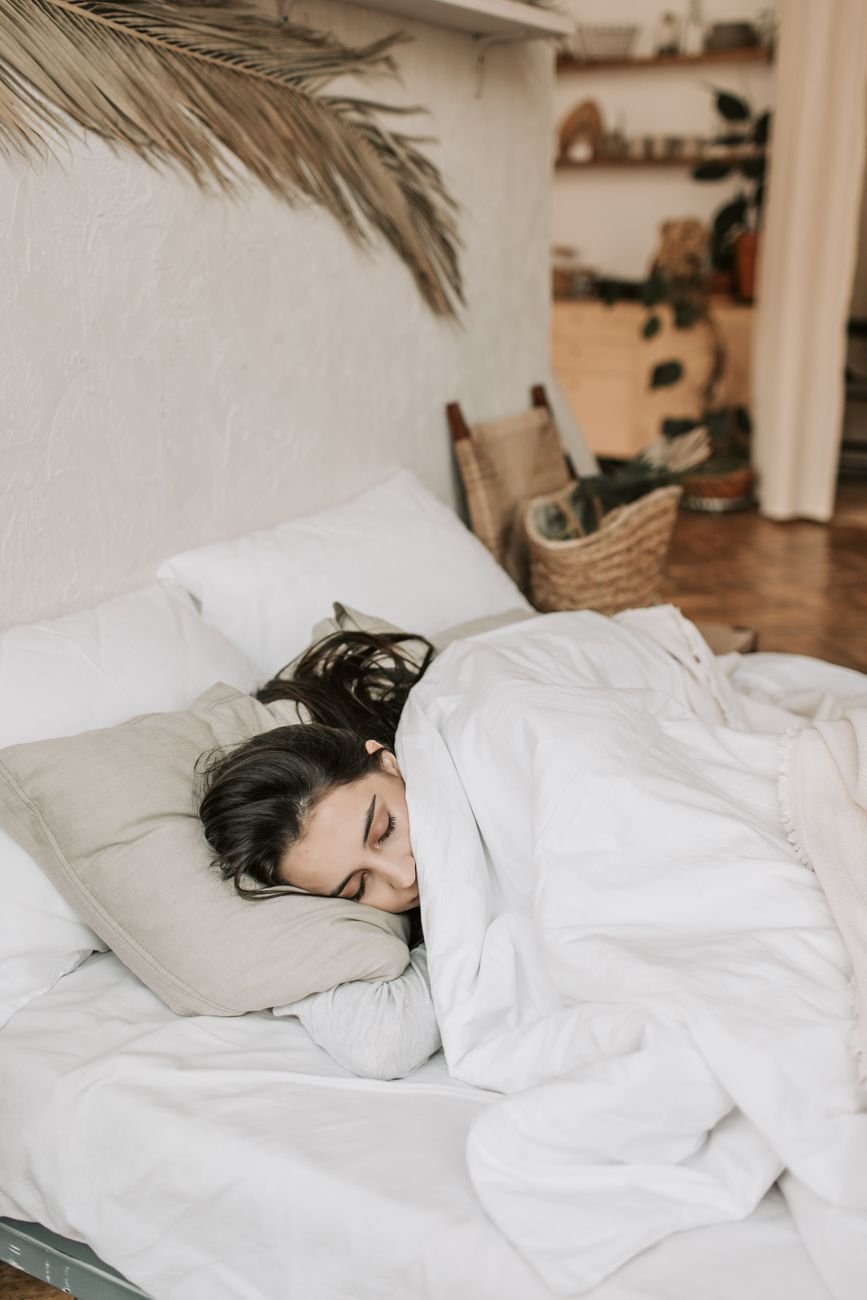
Side-lying with a pillow placed between your knees is one of the most commonly recommended positions, since it helps keep your hips, pelvis, and spine in better alignment and reduces rotational strain through the lower back. Lying on your back with a pillow under your knees is another commonly used option, since it takes some of the tension off the lower back by keeping the hips in a slightly flexed position.
Which specific side to favour, if one leg is more affected than the other, genuinely varies by individual and by what’s actually causing the irritation, so this is worth experimenting with rather than assuming one universal answer applies to everyone. A slightly reclined position, using an adjustable bed or a wedge pillow to keep the upper body a little elevated, is another option some people find takes pressure off compared to lying completely flat, though it’s very much a personal preference rather than a rule.
What The Evidence Actually Says About Mattress Firmness
A lot of content on this topic recommends a specific mattress type with more confidence than the underlying research actually supports, so it’s worth being honest about what we genuinely know. A review of studies on chronic low back pain found medium-firm mattresses generally outperformed very firm or very soft ones for pain, sleep quality, and spinal alignment, roughly in the middle of a typical firmness scale rather than at either extreme. The reasoning makes sense too, too soft a mattress lets your hips sink and misaligns the spine, while too firm a surface can create pressure points that add their own discomfort.
The honest caveat worth knowing is that most of this research looks at general chronic low back pain rather than sciatica specifically, so the evidence is genuinely more limited and should be treated as reasonable guidance rather than a guarantee for your particular situation. Body weight and preferred sleep position both influence which firmness actually suits you best too, which is why a mattress that works well for one person isn’t automatically the right answer for another.
If buying a whole new mattress isn’t realistic right now, a mattress topper is a genuinely practical middle ground a lot of people find helpful, softening an overly firm surface or adding some support to one that’s too soft, without the cost of a full replacement. It’s worth being sceptical of any product marketed with strong, specific claims about “curing” sciatica through sleep surface alone, since no mattress addresses the actual underlying cause of nerve irritation, however comfortable it makes the symptoms in the meantime.
Other Habits That Can Support Better Sleep Alongside Positioning
A consistent sleep schedule, winding down with a calm routine before bed, and avoiding a lot of screen time right before trying to sleep are general sleep-hygiene habits that many people find genuinely help, independent of the sciatica itself. Gentle stretching or a warm shower before bed is something a lot of people find eases tension enough to make settling into a comfortable position easier.
Keeping the bedroom on the cooler side and genuinely dark also supports better sleep quality generally, which matters more than usual when pain is already making sleep harder to come by. Some people find a small amount of gentle movement, a short, easy walk earlier in the evening rather than right before bed, helps rather than aggravates symptoms, though this genuinely varies enough by individual that it’s worth trying cautiously rather than assuming it will help.
When Sciatica Disrupting Sleep Needs Professional Assessment
Positioning and mattress adjustments help manage symptoms, but they don’t address whatever’s actually causing the sciatic nerve irritation in the first place, so ongoing disrupted sleep is worth bringing to an assessment rather than treating indefinitely with pillows alone. Numbness, tingling, or weakness that’s worsening, or pain that’s severe enough that no position genuinely helps, are reasons to get assessed sooner rather than continuing to just manage around it.
If you’ve been managing this for weeks or months with positioning alone and it isn’t meaningfully improving, that’s also a reasonable point to seek an assessment rather than assuming better pillows or a firmer mattress will eventually solve it on their own.
What To Expect When You Book An Assessment With Impact Sports Rehab
At Impact Sports Rehabilitation, an assessment for sciatica looks at what’s actually driving the nerve irritation, rather than just managing the symptoms it’s causing at night. This runs alongside our coverage of sciatica numbness on top of foot, for readers noticing that particular pattern of symptoms too.

If sciatica is disrupting your sleep, Impact Sports Rehabilitation works with clients across Eccles, Trafford, and Salford to address what’s actually causing it. Ask about an online consultation if you’re further afield.
Frequently Asked Questions
Which side is best to sleep on with sciatica?
Many people find sleeping on the side opposite the affected leg, with a pillow between the knees, more comfortable, though this genuinely varies by individual and which structures are involved. A physiotherapist can advise on what’s likely to suit your specific presentation.
Does a firmer or softer mattress actually help?
Research on chronic low back pain generally favours a medium-firm mattress over either extreme, though sciatica-specific evidence is more limited, so this is reasonable guidance rather than a guarantee for your situation. Your own body weight and preferred position also genuinely factor into what works best for you.
How long does sciatica-related sleep disruption typically last?
This varies considerably depending on the underlying cause and how it’s addressed, so we wouldn’t want to guess a fixed timeline without an assessment. Positioning helps manage symptoms in the meantime, but ongoing disrupted sleep is worth having properly assessed.
Should I avoid sleeping on my stomach?
Many people find stomach sleeping tends to increase lower back arching and can aggravate sciatica symptoms, so side or back sleeping with appropriate pillow support is generally more comfortable. Your own experience genuinely matters here too, so this is a starting point rather than a strict rule.
Will fixing my sleep position actually cure the sciatica?
Positioning helps manage symptoms and can genuinely improve sleep quality, but it doesn’t address whatever’s actually irritating the sciatic nerve in the first place. We wouldn’t want to suggest positioning alone resolves the underlying cause without an assessment confirming what that cause actually is.
This article is provided for general educational purposes by Impact Sports Rehabilitation and does not constitute medical advice, diagnosis, or treatment. It offers general sleep positioning tips as supportive self-management, not treatment for the underlying cause of sciatica. Always seek the guidance of a qualified physiotherapist, sports therapist, or doctor for individual assessment and diagnosis.