
Quick answer: Learning how to sleep with sciatica genuinely comes down to finding a position that keeps your spine neutral and takes pressure off the irritated nerve, usually side-lying with a pillow between the knees or back-lying with a pillow under the knees. What works best varies from person to person, so a step-by-step approach to finding your own best setup matters more than a single generic tip. Severe or worsening symptoms, or any weakness, numbness, or loss of bladder or bowel control, need urgent medical attention rather than a sleep positioning fix.
Sciatica is exhausting enough during the day, but the disrupted sleep it causes genuinely makes everything worse, pain feels sharper, recovery slows, and you’re running on empty the next day too. If you’re lying awake trying every position hoping one will finally ease things, here’s a genuine, step-by-step guide to actually working out how to sleep with sciatica, based on what actually reduces nerve irritation overnight rather than one generic tip that doesn’t account for your specific situation.
Why Sciatica Gets Worse At Night For So Many People
Lying down changes the pressure and position of your spine in ways that can genuinely increase irritation of the sciatic nerve or the nerve root it originates from, depending on the underlying cause. Certain positions, particularly lying flat on your back with legs straight, or twisted positions that most people naturally roll into during sleep, can increase pressure on the lower spine and the nerve itself, which is exactly why sciatica often feels worse at night even when you haven’t done anything differently during the day.
Being still for extended periods also plays a role, since sciatica often responds to movement and position changes during the day in ways that simply aren’t happening while you’re asleep. Understanding this is actually the first useful step, sleep position genuinely matters for sciatica specifically, it’s not just about comfort in general, it’s about which positions keep pressure off the specific structures causing your symptoms.
Temperature and general muscle tension can play a role too, since a tense, cold body tends to hold more guarding tension around an already irritated nerve than a warm, relaxed one. A brief period of gentle movement or a warm shower before bed, allowing your body to genuinely relax rather than getting into bed straight from a stressful day, can make settling into a good sleep position noticeably easier for some people.
The Best Sleeping Positions For Sciatica
Most sciatica sleep articles hand you one generic position and move on, without explaining why it helps or acknowledging that what works genuinely varies between people, so here’s a proper step-by-step approach instead. Start with side-lying, on the side that feels more comfortable, with a pillow placed between your knees. This keeps your hips, pelvis, and spine in better alignment, reducing rotational stress through the lower back that can aggravate an irritated nerve.
If side-lying doesn’t feel right, try lying on your back with a pillow placed under your knees rather than flat. This slightly bends your hips and knees, which can reduce tension through the lower back and take some pressure off the nerve compared to lying completely flat with legs straight. Test each position for a genuine period, not just a minute or two, since it can take a little time lying still to notice whether a position is actually easing things or not. Many people find one of these two positions works noticeably better than the other, and which one that is genuinely varies by individual, so don’t assume the “standard” advice applies exactly the same way to you.
A third option worth trying if neither of those feels right is a slightly curled, semi-fetal position on your side, knees drawn up somewhat toward your chest, which can further reduce tension on the nerve for some people, though it’s worth testing gently rather than curling up tightly from the start.
Work through these options methodically rather than randomly trying whatever feels vaguely comfortable in the moment. Give each position a genuine, consistent trial across a few nights if you can, rather than switching every single night, since it can take a bit of consistency to properly judge whether a position is actually helping versus just feeling different. Keeping a brief mental note, or even a quick written one, of how each night went can genuinely help you spot the pattern more clearly than relying on memory alone.
Positions And Habits That Tend To Make It Worse
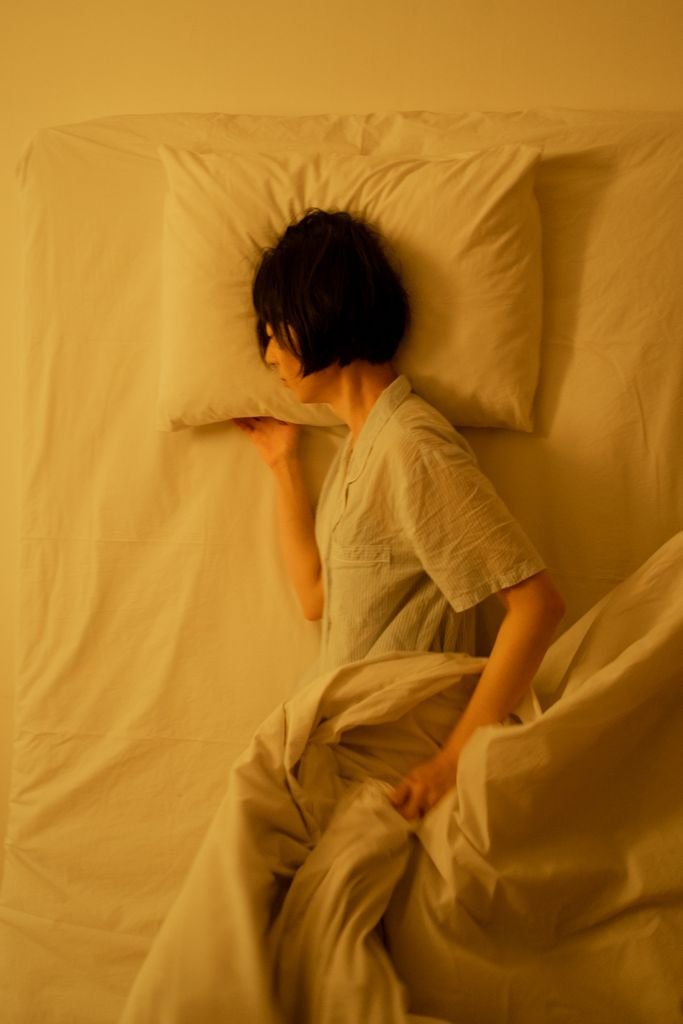
Stomach sleeping is generally worth avoiding with sciatica, since it tends to extend the lower back in a way that can increase pressure on the nerve, and it also commonly involves twisting your neck to one side for extended periods, adding further strain. Sleeping flat on your back with legs fully straight, without any pillow support under the knees, is another common aggravating habit, since it can increase pressure through the lower spine compared to a slightly bent-knee position.
Twisting positions generally, where your upper body and lower body end up rotated relative to each other during sleep, tend to aggravate sciatic symptoms, so paying attention to keeping your hips and shoulders roughly aligned, rather than twisted, genuinely helps. If you tend to shift positions a lot overnight without realising it, which is genuinely common, a supportive pillow arrangement that gently discourages rolling into the worst positions can make a meaningful difference even if you can’t consciously control your sleep position all night.
Setting Up Your Mattress And Pillows Properly
A mattress that’s too soft can let your hips sink out of alignment with your spine, while one that’s too firm can create pressure points that make finding a comfortable position harder, so a medium-firm mattress genuinely tends to work best for most people with sciatica. If replacing a mattress isn’t an option right now, a supportive mattress topper can sometimes help bridge the gap for a mattress that’s too soft.
Pillow placement matters as much as the mattress itself. Beyond the knee pillow for side-lying or under-knee pillow for back-lying already mentioned, a small pillow or rolled towel placed at the small of your back while side-lying can provide additional support for some people. Your head pillow matters too, one that keeps your neck roughly aligned with your spine, not tilted too far up or down, supports the same neutral positioning principle that helps through the rest of your body.
When Poor Sleep From Sciatica Means You Need Treatment
While sleep positioning genuinely helps manage symptoms for a lot of people, it’s not a substitute for treatment if your sciatica is significant or has an underlying cause that needs addressing. Sciatica that’s severe or clearly worsening, rather than staying roughly stable or gradually improving, is worth getting properly assessed rather than continuing to manage with sleep adjustments alone.
Any weakness in your leg or foot, numbness that’s spreading or significant, or particularly any loss of bladder or bowel control, are genuine red flags requiring urgent medical attention, since they can indicate a more serious underlying issue that needs prompt assessment rather than home management. These specific symptoms are not something to wait out with better sleep positioning, seek urgent medical care if you experience any of them.
How Sports Rehab Addresses The Underlying Cause
Sleep positioning genuinely helps manage symptoms overnight, but addressing the underlying cause of sciatica is what actually improves things longer term, and often improves sleep as a direct result once the nerve irritation itself settles. At Impact Sports Rehabilitation, once more serious causes have been ruled out, a Rehabilitation Consultation focuses on identifying what’s actually contributing to your sciatic nerve irritation and building a plan around that, rather than just managing symptoms indefinitely.
Sports massage and acupuncture may be discussed as supportive treatment options for the musculoskeletal contributors to sciatica once serious causes have been ruled out, alongside guided exercise addressing the underlying mechanical factors. This combined approach, treating the actual cause rather than only the symptom, is genuinely what tends to make the biggest difference to both daytime symptoms and sleep quality over time.
If sciatica keeps disrupting your sleep and you want to address what’s actually causing it, Impact Sports Rehabilitation works with everyday clients and active people across Eccles, Salford, Trafford, and the wider Greater Manchester area on exactly this. Ask about an online consultation if you’re further afield.
Frequently Asked Questions
Why does my sciatica feel so much worse the moment I lie down?
Lying down changes the pressure and alignment through your spine in ways that can increase irritation of the sciatic nerve for a lot of people, particularly if you’re lying flat with legs straight. Finding a position that keeps your spine more neutral, like side-lying with a pillow between your knees, often genuinely helps.
Is it bad to sleep on my stomach if I have sciatica?
Generally yes, it’s worth avoiding, since stomach sleeping tends to extend your lower back in a way that can increase nerve pressure, and it usually involves twisting your neck too. Side-lying or back-lying with proper pillow support tends to work better for most people with sciatica.
Should I just take painkillers to get through the night instead?
That’s genuinely a conversation to have with your doctor or pharmacist rather than something we’d advise on here, since it depends on your specific situation. Sleep positioning changes are something you can try alongside whatever your doctor recommends, not a replacement for their guidance.
How long will it take before better sleep positioning actually helps?
This genuinely varies by individual and by what’s actually causing your sciatica, so we wouldn’t want to promise a specific timeframe. Many people find some relief fairly quickly once they find their best position, though addressing the underlying cause is what tends to make the difference last.
Could my mattress actually be making my sciatica worse?
Yes, genuinely, a mattress that’s too soft or too firm can contribute to poor spinal alignment overnight, which can aggravate sciatic symptoms. If you’ve tried positioning changes without much improvement, your mattress and pillow setup is genuinely worth reviewing too.
This article is provided for general educational purposes by Impact Sports Rehabilitation and does not constitute medical advice, diagnosis, or treatment. Sciatica has various underlying causes, and while sleep positioning can help manage symptoms, severe or worsening sciatica, or any weakness, numbness, or loss of bladder or bowel control, requires urgent medical attention. Always seek the guidance of a doctor or other qualified health provider with any questions about your specific symptoms.