
Quick answer: Rhomboid major pain refers specifically to the larger of the two rhomboid muscles, which runs from the spine to the shoulder blade and does most of the heavy lifting in pulling the shoulder blades together. It’s usually strained through rowing-heavy training, sudden load increases, or prolonged poor posture, and genuinely responds well to targeted strengthening once identified specifically. Pain radiating to the jaw or arm, chest tightness, or shortness of breath are red flags requiring urgent medical attention rather than muscular self-care.
If you’ve been told specifically that it’s your rhomboid major, not just a general “upper back” diagnosis, you’ve clearly already done some digging and want real specificity rather than another generic explanation. Fair enough, that precision matters, and here’s a proper anatomical explanation of the rhomboid major specifically, what distinguishes it from its smaller neighbour, how it gets strained, and what genuinely helps it recover.
Rhomboid Major Vs Rhomboid Minor: What’s The Difference
Almost no general rhomboid content actually explains this distinction properly, so here it is. The rhomboids are actually two separate muscles, not one, the rhomboid minor sitting higher up and slightly smaller, and the rhomboid major sitting just below it, larger and doing proportionally more of the work in most shoulder blade movements. They work together as a functional pair, but they’re genuinely distinct muscles with slightly different attachment points.
The rhomboid minor attaches from the base of your neck down to the top part of the shoulder blade, near where the shoulder blade’s spine begins. The rhomboid major, being larger, attaches lower down, from further down your upper spine to the wider, lower portion of your shoulder blade’s inner edge. Because the rhomboid major is bigger and sits lower, it tends to be the one more heavily loaded during typical pulling and rowing movements, which is part of why it’s specifically the rhomboid major, rather than the minor, that tends to get symptomatic more often in athletes doing pulling-heavy training.
It’s worth noting that the two muscles sit so close together, and work so closely as a functional unit, that clinically distinguishing pain specifically from one versus the other isn’t always perfectly clean, even with a thorough assessment. That said, the location, size difference, and slightly different attachment points genuinely do provide useful, real clues, which is exactly why understanding both muscles properly, rather than treating “the rhomboids” as one single entity, gives you a more accurate picture of what’s actually going on.
Where The Rhomboid Major Attaches And What It Does
In plain terms, the rhomboid major runs from the spinous processes, the bony bumps you can feel down the middle of your upper back, roughly in the mid-back region below where the rhomboid minor attaches, across to the inner edge of your shoulder blade, attaching along its lower portion. This diagonal orientation is genuinely important to its function.
Functionally, the rhomboid major’s main job is pulling your shoulder blade toward your spine, retraction, and helping rotate the shoulder blade downward, working alongside the levator scapulae and the lower fibres of the trapezius as part of a coordinated system controlling shoulder blade position and movement. Because of its size and lower attachment, it does proportionally more of this retraction work than the rhomboid minor during resisted pulling movements specifically, which is exactly why it’s the muscle most commonly implicated when someone reports pain from rowing-type exercise or heavy pulling.
The rhomboid major also plays a supporting role in maintaining good shoulder blade positioning generally, even outside of active pulling movements, since a degree of baseline tension in this muscle helps keep the shoulder blade sitting appropriately against the rib cage rather than winging or sitting too far forward. This ongoing, lower-level postural role, alongside its more obvious job during active pulling, is part of why it can become symptomatic from prolonged poor posture alone, not just from acute training overload.
How This Specific Muscle Gets Strained Or Irritated
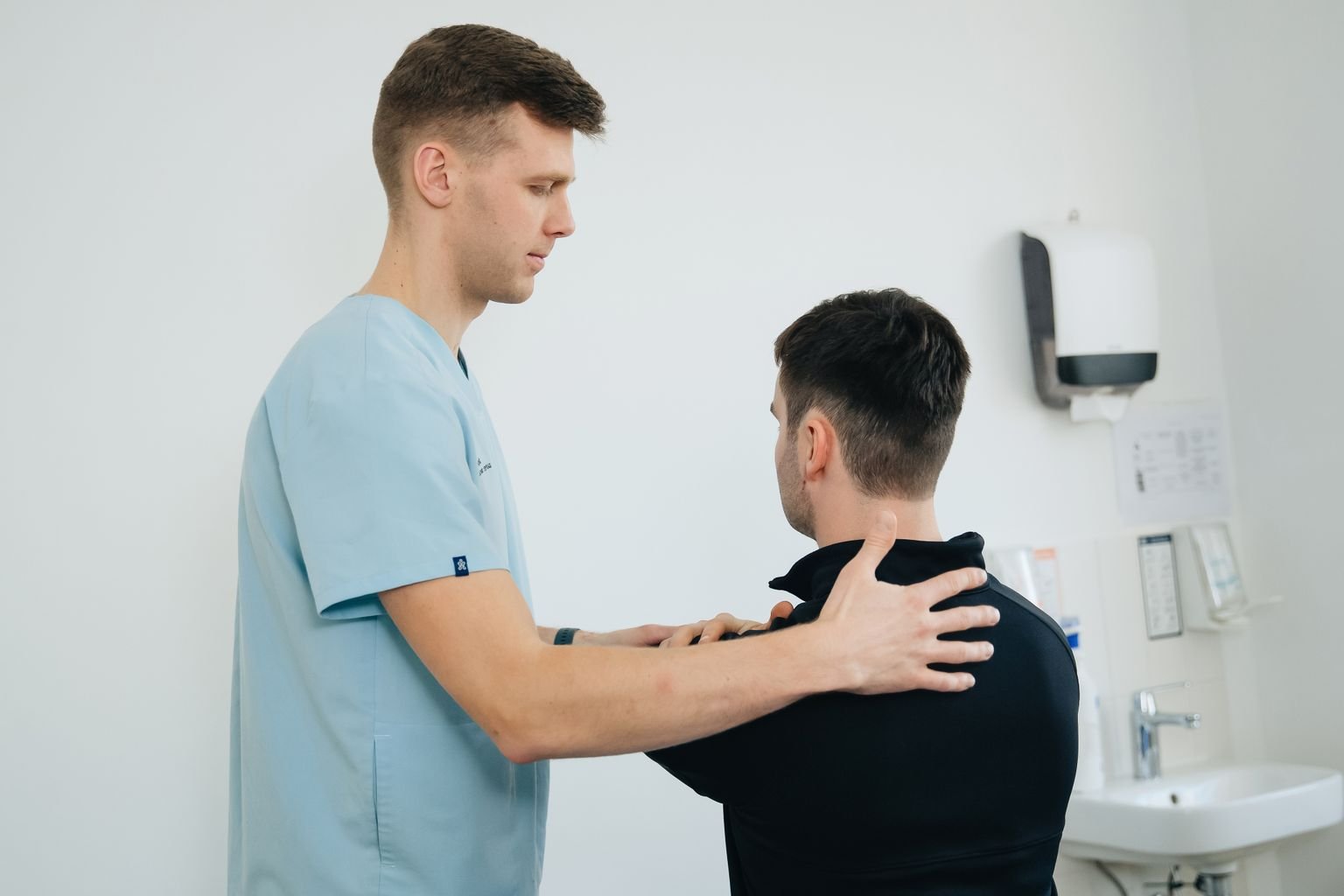
Given its role in resisted pulling and retraction, the rhomboid major gets specifically loaded, and potentially strained, during rowing motions, whether that’s actual rowing, seated cable rows, bent-over rows, or any heavy pulling exercise, particularly with a sudden increase in load or volume. Poor technique during these movements, particularly failing to control the shoulder blade properly through the movement, can place disproportionate strain specifically on this muscle rather than distributing load appropriately across the wider upper back system.
Prolonged poor posture, specifically prolonged slumped sitting with rounded shoulders, keeps the rhomboid major in a lengthened, constantly working position trying to counteract that posture, which can lead to a specific pattern of overuse and tightness in this particular muscle over time. Sudden, unaccustomed pulling activity, an unusually demanding house move or a single heavy training session after a break, is another genuinely common trigger specific to this larger, more heavily loaded muscle. Sports involving repetitive pulling under load, rowing as a sport, climbing, and combat sports with a lot of grip-and-pull grappling exchanges, all place genuine ongoing demand on this specific muscle, making it more prone to overuse-related irritation in athletes who train these disciplines heavily without adequate strengthening and recovery balance.
Symptoms Specific To The Rhomboid Major
Because the rhomboid major sits lower and more medially than the minor, pain attributable specifically to this muscle tends to sit in the mid-to-lower portion of the space between your shoulder blades, rather than right up near the top of your shoulder blade closer to your neck, which would more likely implicate the smaller rhomboid minor or the upper trapezius instead. A tender, tight band running diagonally in this lower-mid region, following the muscle’s actual fibre direction, is a fairly specific sign pointing toward the rhomboid major particularly.
Pain that’s specifically reproduced or worsened by resisted shoulder blade retraction, actively pulling your shoulder blades together against resistance, rather than just general movement, also points more specifically toward this muscle given its central role in that exact motion. This level of symptom specificity is genuinely useful information if you’re trying to understand your own presentation, though a proper hands-on assessment remains the only way to confirm it definitively. Tenderness that runs in a diagonal line, rather than a purely horizontal or vertical band, is another subtle but genuinely useful clue reflecting the muscle’s actual fibre orientation, something worth mentioning specifically if you’re describing your symptoms to a clinician.
When This Pain Needs Urgent Medical Attention
While rhomboid major pain is usually straightforwardly musculoskeletal, a few symptoms mean this needs urgent medical attention rather than continued self-care, the same red flags that apply to upper back pain generally. Pain radiating to the jaw or down the arm, chest tightness, or shortness of breath alongside upper back pain are genuine red flags that could indicate a cardiac issue rather than a muscular one, requiring urgent assessment.
Pain that stays exactly the same regardless of movement, position, or activity, rather than easing or changing with stretching, movement, or rest, as typical muscular rhomboid pain usually does, is also worth taking seriously rather than assuming it’s simply this muscle. If you experience any of these red flag symptoms, seek urgent medical attention rather than trying self-care or attributing it confidently to the rhomboid major.
How Sports Rehab Targets This Muscle Specifically
Once more serious causes have genuinely been ruled out, treating rhomboid major pain effectively benefits from the same specificity as diagnosing it. At Impact Sports Rehabilitation, understanding that it’s specifically the rhomboid major, rather than the minor or the broader upper back system generally, shapes exactly where hands-on treatment and strengthening exercises are targeted, rather than a generic upper-back protocol applied uniformly.
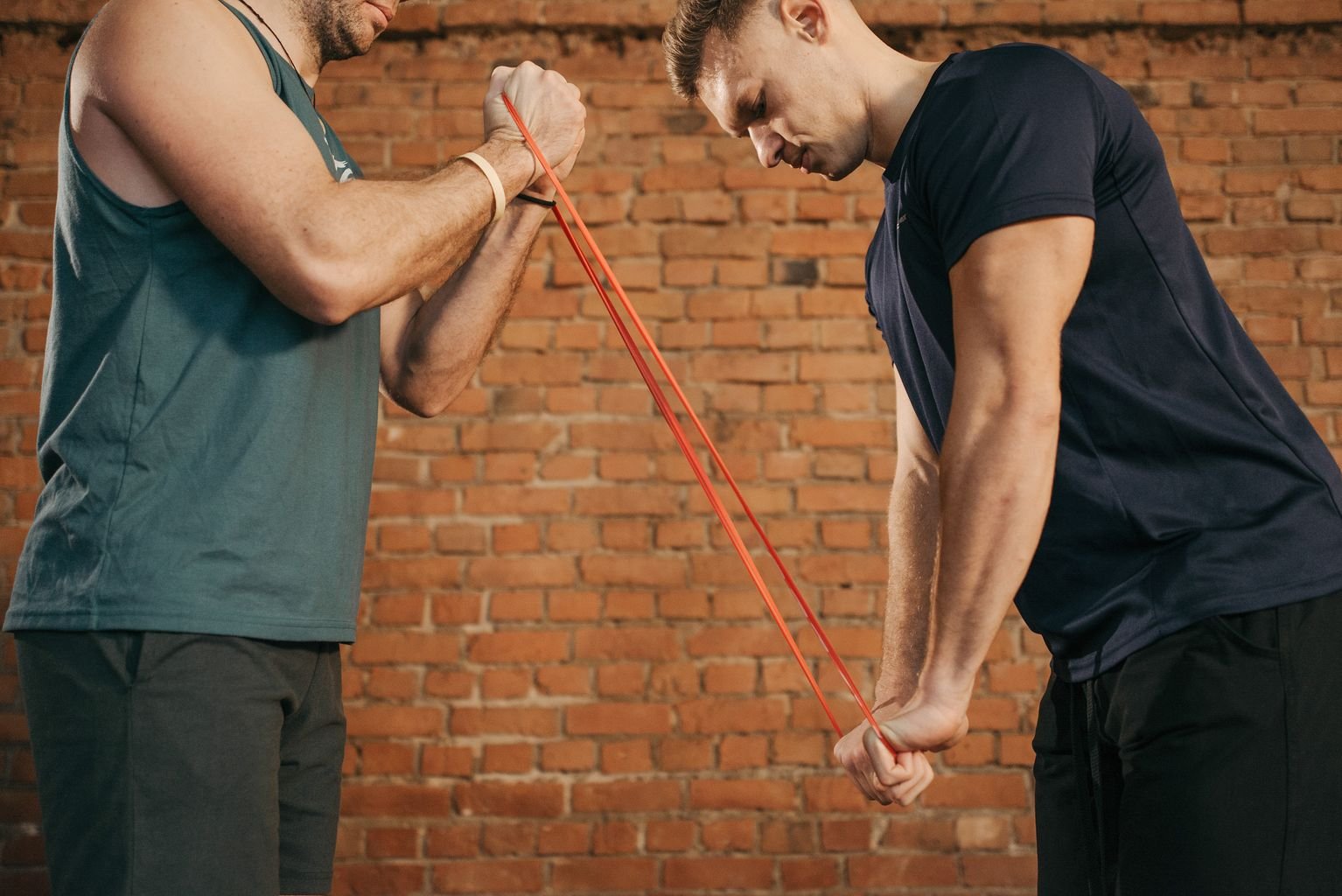
Sports massage targeting the specific diagonal fibre direction of the rhomboid major, alongside a strengthening programme addressing this muscle’s specific role in resisted retraction, tends to genuinely address the actual pattern more effectively than generic upper-back stretching alone. If your pain isn’t specifically confirmed to be the rhomboid major, or you want the broader picture covering rhomboid pain generally, our companion article on rhomboid pain signs, causes, and fixes and our existing piece on rhomboid muscle pain and recovery both cover that wider ground.
If you’ve been told it’s specifically your rhomboid major and want treatment that’s actually targeted at this muscle rather than generic upper-back advice, Impact Sports Rehabilitation works with everyday athletes and desk-bound clients across Eccles, Salford, Trafford, and the wider Greater Manchester area on exactly this kind of specific assessment. Ask about an online consultation if you’re further afield.
Frequently Asked Questions
How is the rhomboid major actually different from the rhomboid minor?
The rhomboid major is larger and sits lower, attaching further down the spine and to the wider lower portion of the shoulder blade, while the rhomboid minor is smaller and sits higher up near the base of the neck. Because the major does proportionally more work in resisted pulling movements, it’s the one more commonly implicated in pulling-related strain specifically.
Why does my pain feel like it’s lower down between my shoulder blades rather than up near my neck?
This pattern genuinely points more specifically toward the rhomboid major, given its lower attachment point, compared to the rhomboid minor or upper trapezius, which would more likely produce pain higher up closer to the neck. It’s a genuinely useful distinguishing detail worth mentioning at any assessment.
Can I strengthen my rhomboid major without a gym?
Yes, genuinely, resistance bands and bodyweight exercises that involve pulling your shoulder blades together can effectively target this muscle without needing a full gym setup. In our experience, consistency with the right movement pattern matters more than the specific equipment used.
Is rowing bad for my rhomboid major if it caused the pain in the first place?
Not necessarily bad long-term, rowing-type movements are actually part of what strengthens this muscle appropriately once any acute irritation has settled and technique issues are addressed. Many clients find a graded return to rowing, with attention to technique, is part of the actual recovery rather than something to avoid indefinitely.
How do I know if it’s genuinely my rhomboid major and not something else nearby?
A proper hands-on assessment, checking specifically how your pain responds to resisted shoulder blade retraction and exactly where the tenderness sits, is really the only reliable way to confirm it’s specifically this muscle. Impact Sports Rehabilitation can help pinpoint this rather than you continuing to guess from symptoms alone.
This article is provided for general educational purposes by Impact Sports Rehabilitation and does not constitute medical advice, diagnosis, or treatment. Pain attributed to the rhomboid major is usually musculoskeletal but can occasionally represent referred pain from the heart, lungs, or spine; pain radiating to the jaw or arm, chest tightness, shortness of breath, or pain unaffected by movement or position requires urgent medical attention. Always seek the guidance of a doctor or other qualified health provider with any questions about your specific symptoms.