

Quick answer: Jones fracture treatment depends heavily on the specific break, but because this fracture sits in an area of the fifth metatarsal with a relatively poor blood supply, it needs proper medical management rather than the approach used for a typical minor foot fracture. Treatment ranges from a period of non-weight-bearing immobilisation through to surgical fixation with a screw, and the right approach depends on factors like displacement, activity level, and non-union risk. This is not a fracture to self-manage, and proper diagnosis and treatment planning from a clinician is essential.
If you’ve been told you have a Jones fracture, you’ve probably also picked up that it’s treated a bit differently to a typical broken foot bone, and you’re wondering why. Fair question, and it’s genuinely worth understanding. Here’s a clear, honest explanation of exactly where this fracture sits, why it gets treated with more caution than other foot fractures, and what treatment, from immobilisation through to surgery, actually involves.
What A Jones Fracture Actually Is
A Jones fracture is a specific break at the base of the fifth metatarsal, the long bone on the outer edge of your foot that connects to your little toe. Specifically, it occurs in a particular zone of that base, roughly the area where the bone’s shaft meets its wider base, rather than right at the very tip where a different, more common fracture type happens.
This exact location matters enormously, which is really the whole point of this article. Not every break near the base of the fifth metatarsal is a Jones fracture, and the precise location genuinely changes both healing expectations and the right treatment approach, which is why getting an accurate diagnosis from imaging, rather than assuming from the general area of pain, is so important here.
Named after the surgeon who first described it, this fracture has a genuinely specific reputation in sports medicine for being a fracture that can behave unpredictably if it isn’t managed with the right level of caution from the start, which is exactly why understanding it properly, rather than treating it like any other break in the foot, matters so much for how well it ultimately heals.
Why This Fracture Is Treated Differently To Others
Most foot fracture content treats metatarsal breaks fairly uniformly, so here’s the genuinely important detail that gets missed. The specific zone where a Jones fracture occurs has a relatively poor blood supply compared to other parts of the fifth metatarsal, sitting in what’s sometimes called a watershed area between two different blood supply zones. Bone needs a good blood supply to heal properly, and this reduced supply is exactly why Jones fractures are genuinely prone to slow healing, or in some cases non-union, meaning the bone doesn’t fully heal back together, if not managed appropriately.
This is meaningfully different from a fracture right at the tip of the fifth metatarsal, sometimes called an avulsion fracture, which sits in an area with a better blood supply and generally heals more predictably with simpler management. Confusing the two, or treating a Jones fracture the same casual way you might treat that simpler avulsion fracture, is exactly the kind of mistake that can lead to a genuinely worse outcome, which is why an accurate diagnosis distinguishing between them matters so much before deciding on treatment.
There’s actually a third relevant zone too, further along the shaft of the fifth metatarsal, where a genuinely different stress fracture pattern can occur, often in athletes with a sudden jump in training load rather than a single twisting injury. All three, the simpler tip fracture, the true Jones fracture, and this further stress fracture pattern, sit close together anatomically but carry meaningfully different healing expectations, reinforcing why precise imaging and diagnosis matters so much rather than lumping all “fifth metatarsal fractures” together as one entity.

How This Injury Typically Happens
A Jones fracture typically happens through a twisting injury, often during sport, where the foot is planted and the body twists over it, or through a sudden inward-rolling movement of the ankle and foot under load. This is a genuinely common mechanism in sports involving cutting, pivoting, or sudden changes of direction, football, basketball, and racquet sports among them.
It can also occur from repetitive stress without one single dramatic moment, particularly in athletes with a sudden increase in training load, though this pattern is more commonly associated with a related but distinct stress fracture in a slightly different zone of the same bone. Either way, persistent pain along the outer edge of the foot following this kind of mechanism, especially pain that doesn’t settle with simple rest, is worth getting properly imaged rather than assumed to be a minor sprain.
Treatment Options, From Immobilisation To Surgery
Treatment genuinely varies depending on the specific fracture, and this is not something to guess at or self-manage. For some Jones fractures, a period of non-weight-bearing immobilisation, meaning staying completely off the foot in a cast or boot for a number of weeks, is the appropriate approach, allowing the bone the best possible chance to heal given its reduced blood supply.
For other cases, particularly in competitive athletes, fractures with any displacement, or situations where non-union risk is judged to be higher, surgical fixation with a screw is often recommended, both to improve healing reliability and, for athletes, to allow a more predictable return to sport. The factors that genuinely influence which approach is right include how displaced the fracture is, the person’s activity level and goals, and clinical judgement about individual non-union risk, which is exactly why this decision needs to be made by the treating clinician based on your specific imaging and circumstances, not predicted or chosen from an article.
It’s genuinely worth knowing that even the non-surgical, immobilisation-based approach for a Jones fracture tends to be more cautious and closely monitored than immobilisation for a simpler fracture elsewhere in the foot, often involving follow-up imaging partway through to confirm healing is genuinely progressing as expected, rather than a fixed period of immobilisation followed by an assumption that it’s healed.
How Sports Rehab Supports Recovery After Treatment
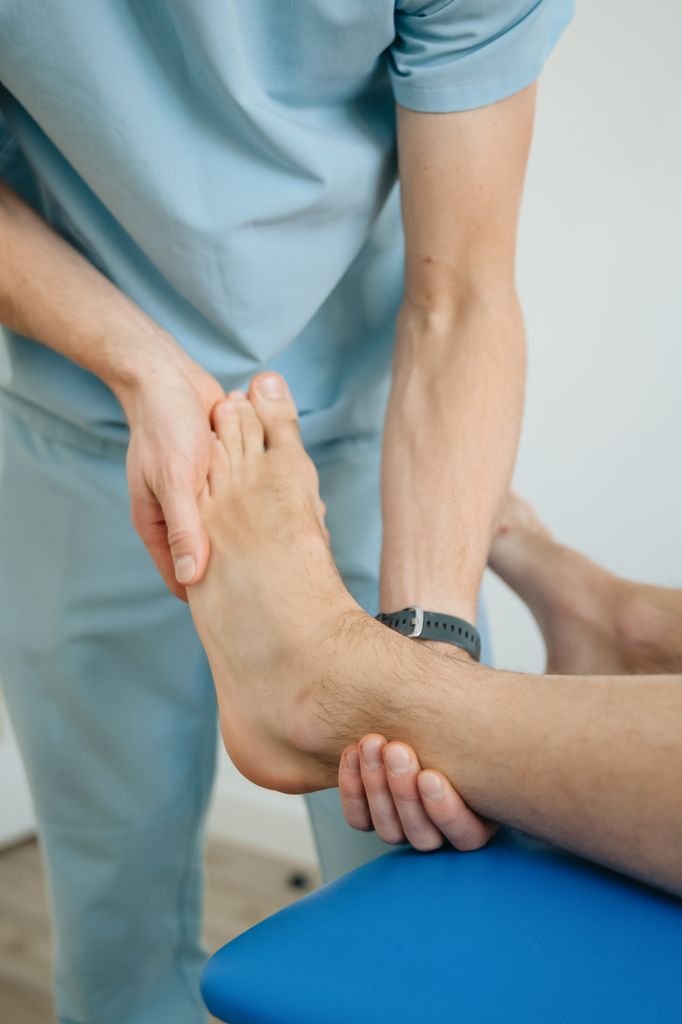
Once the fracture has been appropriately treated and a clinician has confirmed it’s healed enough to progress, and specifically cleared the foot for hands-on work, guided rehab plays a genuinely important role in getting back to full function and sport. At Impact Sports Rehabilitation, a Rehabilitation Consultation at this stage focuses on rebuilding strength, mobility, and confidence in the foot after a period of immobilisation, which genuinely does reduce strength and range of motion even once the bone itself has healed.
Rocktape taping and sports massage can be used as supportive tools during this later rehab phase, helping with confidence and addressing compensatory tightness that builds up elsewhere in the leg from altered movement patterns during the immobilisation period. None of this begins until the fracture itself has been properly medically managed and a clinician has given the appropriate clearance, this is rehab that follows proper fracture treatment, not a substitute for it.
Returning To Sport Safely
Returning to sport after a Jones fracture genuinely needs confirmation of proper bone healing first, typically through follow-up imaging from the treating clinician, before any meaningful loading progression begins. This confirmation step matters more here than with many other injuries, given the specific non-union risk this fracture carries, and rushing back before healing is properly confirmed carries a genuine risk of re-fracture or ongoing non-union. This caution is specifically because a re-fracture or a fracture that never fully united in the first place is a genuinely more serious setback than the original injury, sometimes requiring surgery even where the initial fracture was managed successfully without it.
Once healing is confirmed, a graded return through walking, then running, then sport-specific movement, gives the foot the chance to rebuild strength and confidence at each stage before progressing to the next. Athletes who’ve had surgical fixation sometimes progress on a different timeline than those managed with immobilisation alone, and this is genuinely something to follow the treating clinician’s specific guidance on rather than a generic recovery timeline.
If you’re recovering from a Jones fracture and want proper guided support getting back to full strength and sport, Impact Sports Rehabilitation works with everyday athletes and combat-sports and BJJ practitioners across Eccles, Salford, Trafford, and the wider Greater Manchester area on exactly this kind of post-fracture rehab. Ask about an online consultation if you’re further afield.
Frequently Asked Questions
Is a Jones fracture the same as breaking your foot?
It’s a specific type of foot fracture, a break at a particular point on the fifth metatarsal, but it’s genuinely treated more cautiously than many other foot fractures because of its reduced blood supply and non-union risk. This is exactly why an accurate diagnosis matters more here than with a typical minor foot fracture.
Will I definitely need surgery for a Jones fracture?
Not necessarily, treatment genuinely depends on the specific fracture, its displacement, and your activity level and goals, and this decision is made by your treating clinician based on your imaging. We can’t predict or recommend surgery versus immobilisation from an article, that’s a decision for the clinician managing your specific case.
Why can’t I just rest and let it heal like a normal fracture?
Because this specific area of the fifth metatarsal has a relatively poor blood supply, simply resting without proper medical management carries a genuine risk of the bone not healing correctly, called non-union. Proper diagnosis and a structured treatment plan from a clinician genuinely matters more here than with fractures in better blood-supplied areas.
How do I know if my foot pain is actually a Jones fracture and not just a sprain?
You genuinely can’t reliably tell the difference without imaging, since the symptoms can feel broadly similar in the early stages. Persistent pain along the outer edge of the foot following a twisting injury, especially pain that isn’t settling, is worth getting properly imaged rather than assumed to be a simple sprain.
Once it’s healed, will my foot be back to normal?
Many people find that with appropriate treatment and guided rehab afterward, function returns well, though this genuinely varies by individual and by how the fracture was managed. In our experience, the rehab phase after proper fracture treatment plays a real role in getting strength and confidence back, rather than this happening automatically once the bone itself has healed.
This article is provided for general educational purposes by Impact Sports Rehabilitation and does not constitute medical advice, diagnosis, or treatment. A Jones fracture occurs in an area with a relatively poor blood supply and is prone to slow healing or non-union if not properly treated; this fracture requires proper medical management, often including non-weight-bearing immobilisation or surgical fixation, and should never be self-managed. Always seek the guidance of a doctor or other qualified health provider with any questions about your specific injury.