
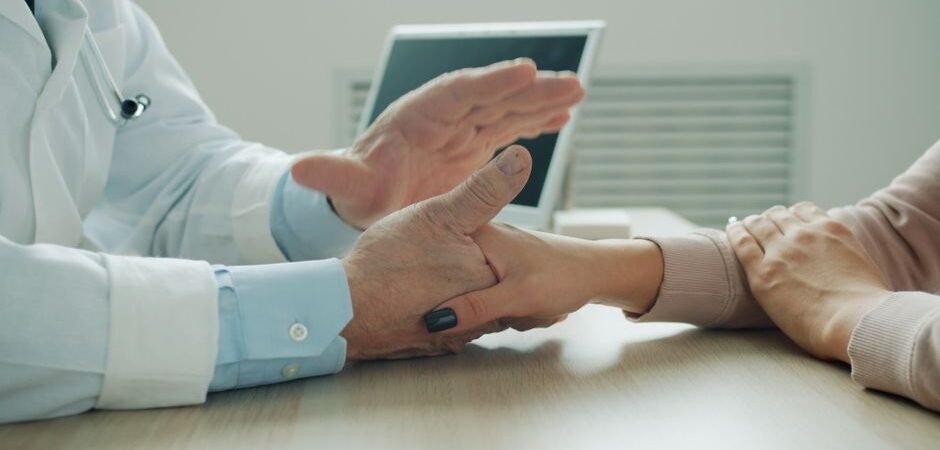
Quick answer: A FOOSH injury, short for a fall onto an outstretched hand, can cause anything from a mild wrist sprain to a fracture affecting the wrist, elbow, shoulder, or collarbone, depending on the force and angle of the fall. Significant pain, swelling, or visible deformity after this kind of fall should be assessed promptly, potentially at an emergency department, since the range of possible injuries is genuinely wide. This is general education, not a diagnosis of your specific injury.
Instinctively throwing your hand out to break a fall is one of the most natural human reflexes there is, and it’s also how a genuinely wide range of upper-body injuries happen. If you’ve heard the term FOOSH injury and want to understand what it actually covers, here’s an honest look at the range of structures it can affect, from a mild wrist sprain all the way up to fractures that need urgent care.
What A FOOSH Injury Actually Is
FOOSH stands for “fall onto outstretched hand,” and it describes a mechanism of injury rather than one specific diagnosis, the force of the fall travels up through your hand and wrist, and depending on the angle, speed, and how much force is involved, it can affect structures anywhere from the hand all the way up to the shoulder or collarbone. This is exactly why two people describing “I fell on my hand” can end up with completely different injuries, the mechanism is the same, but where the force actually goes varies considerably.
It’s a genuinely common mechanism too, cited as one of the more frequent causes of upper-limb injury across both sport and everyday life, from a slip on a wet floor to a fall during combat-sports training or a cycling accident.
Common Injuries This Mechanism Can Cause
At the milder end, a wrist sprain, involving stretched or partially torn ligaments without a break, is a genuinely common outcome, particularly from a lower-force fall. At the more serious end, a scaphoid fracture, breaking one of the small bones in the wrist, is notably easy to miss on an initial assessment since it doesn’t always show clearly on a first X-ray, alongside Colles and Smith’s fractures of the forearm bones near the wrist, both classic FOOSH-related breaks.
Further up the chain, elbow dislocations and fractures can occur with a higher-force fall, and in more significant falls, the shoulder can dislocate or the rotator cuff can tear. Even the collarbone isn’t immune, a clavicle fracture is a recognised FOOSH-related injury too, particularly in children, whose bones and typical fall mechanics differ from adults in ways covered below. It’s this genuine range, from a fairly minor sprain right through to a fracture that needs urgent surgical input, that makes “I fell on my hand” such an unhelpful description on its own, and why a proper hands-on assessment matters more than trying to guess the severity from how the fall felt.
Why Age Genuinely Changes Which Structure Tends To Break
Most content on FOOSH injuries treats the wrist as the default outcome, but which structure actually gets hurt varies meaningfully by age, a detail rarely explained clearly. In children, whose bones are more porous and still growing, injuries near the elbow and clavicle fractures are notably more common than in adults, partly reflecting differences in bone density and typical fall height and mechanics. In adults, wrist injuries, particularly scaphoid fractures and the classic forearm breaks, are the most frequently seen outcome, while a higher-force fall in an older adult with lower bone density can also result in a fracture with comparatively less force than it would take in a younger person.
This is a genuinely useful piece of context for understanding your own risk and why “it’s probably just a sprain” isn’t a safe assumption purely based on how the fall happened, age and bone health both meaningfully change the picture.
Signs That Suggest A More Serious Injury
A visible deformity, the wrist or arm looking obviously out of shape, significant swelling that develops quickly, or an inability to move the joint at all are all signs that point toward something more significant than a mild sprain. Severe pain that doesn’t ease with basic first aid, numbness or tingling in the hand or fingers, or a fall from a significant height or at speed, such as during cycling or combat-sports training, are further reasons to treat the injury as potentially serious rather than assuming the best.
What To Do In The Minutes Right After A Fall Like This
What happens in the first few minutes after a FOOSH fall genuinely matters, and it’s simpler than most people expect. The first priority is making sure the immediate area is safe, moving away from traffic, a busy mat, or anything else that could cause a second injury, before doing anything else. From there, the injured hand, wrist, or arm should be kept as still as possible rather than being tested or moved around to “see how bad it is,” since further movement on a genuinely broken bone can make things worse.
A simple improvised splint, a rolled-up towel, a magazine, or even taping the arm gently against the body, can help limit movement on the way to being properly assessed. Alongside this, the standard RICE approach, rest, ice wrapped in a cloth rather than applied directly to skin for around 15 to 20 minutes at a time, gentle compression if a support or bandage is available, and elevating the arm above heart height where possible, genuinely helps limit swelling in those early hours. None of this replaces a proper assessment, but it can make the wait for one considerably more comfortable.
General Recovery Approaches For Milder FOOSH Injuries
Once anything more serious has genuinely been ruled out, milder wrist sprains generally follow a period of protective rest, ice, and gentle, pain-guided movement, gradually building back up strength and range of motion as tolerated. Many people find that avoiding weight-bearing through the affected hand, leaning on it to get up from a chair, for instance, in the early stages supports a more comfortable recovery.
When To Seek Urgent Care After A FOOSH Injury
Any visible deformity, inability to move the wrist or arm, numbness or tingling, or pain that’s severe and not easing warrants urgent assessment, potentially at an emergency department, rather than waiting to see if it settles. Given how easily a scaphoid fracture in particular can be missed on a first X-ray, persistent wrist pain and tenderness following a fall, even after an initial “clear” scan, is worth a follow-up if it hasn’t genuinely improved within a week or two.
Why Grapplers And Combat-Sports Athletes See This Mechanism Often
For anyone training BJJ, judo, or another grappling discipline, FOOSH injuries aren’t just a slip-on-ice story, they’re a genuine, recurring feature of the sport. Being thrown, swept, or simply losing balance during a scramble puts the hand and wrist in exactly the position this mechanism describes, and it’s one of the more frequently seen ways grapplers end up with an injury outside of joint locks and chokes specifically.
One genuinely useful, under-discussed angle here is that learning to fall properly, what’s called ukemi or breakfall training in judo and other grappling arts, is specifically designed to reduce this exact injury pattern. Rather than instinctively throwing a straight arm out to catch a fall, proper breakfall technique teaches controlled wrist and elbow flexion and a progressive lowering of the shoulder to absorb and spread the impact force across the forearm and body instead of concentrating it through a locked-out hand. Athletes who train this consistently tend to fall differently, and more safely, even outside a formal throw, which is worth knowing if FOOSH injuries have been a recurring issue for you specifically.
What To Expect When You Book An Assessment With Impact Sports Rehab
At Impact Sports Rehabilitation, once anything urgent has been ruled out, an assessment for a FOOSH-related injury confirms exactly what’s been affected and builds a recovery plan around your specific injury. This runs alongside our coverage of LCL injury symptoms, for readers dealing with a different fall-related injury pattern affecting the knee instead.
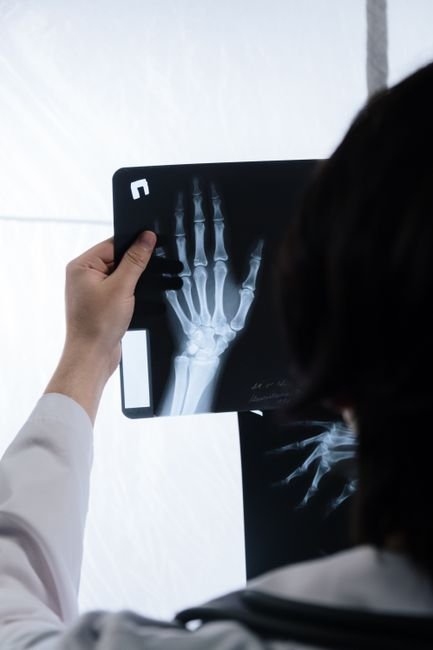
If you’ve had a fall onto an outstretched hand and want a proper assessment once anything urgent has been ruled out, Impact Sports Rehabilitation works with clients across Eccles, Trafford, and Salford. Ask about an online consultation if you’re further afield.
Frequently Asked Questions
Is my wrist broken or just sprained?
Signs like visible deformity, significant swelling, and inability to move the wrist point more toward a fracture than a sprain, but a proper assessment, sometimes with an X-ray, is the only reliable way to tell the two apart. We wouldn’t want to diagnose your specific injury without seeing you.
Should I go to A&E or wait to see if it settles?
Significant pain, visible deformity, inability to move the joint, or numbness and tingling are reasons to seek urgent care rather than wait, given the range of injuries a fall onto an outstretched hand can cause. If it’s milder and improving, a routine assessment is a reasonable next step instead.
How long does a milder FOOSH sprain typically take to recover?
This varies by severity and which structure was affected, so we wouldn’t want to guess a fixed timeline without an assessment. Mild sprains often improve over a couple of weeks with sensible early management, while more significant injuries take considerably longer.
My X-ray came back clear, so why does it still hurt?
Certain fractures, particularly of the scaphoid bone in the wrist, are genuinely easy to miss on a first X-ray, so persistent pain and tenderness after a “clear” scan is worth a follow-up rather than being dismissed. A physiotherapist or doctor can advise on whether further imaging is appropriate.
Could this have affected my shoulder too, not just my wrist?
Yes, genuinely, the same fall mechanism can affect structures anywhere from the wrist to the shoulder depending on the force and angle involved, so it’s worth mentioning any shoulder discomfort at your assessment rather than assuming it’s unrelated. A full assessment looks at the whole affected limb, not just the most obvious painful spot.
This article is provided for general educational purposes by Impact Sports Rehabilitation and does not constitute medical advice, diagnosis, or treatment, and does not diagnose the reader’s specific injury. A FOOSH injury can range from mild to a fracture requiring urgent assessment, so significant pain, swelling, or deformity after this kind of fall should be assessed promptly, potentially at an emergency department.


