
Quick answer: Sciatica numbness on top of foot can happen when irritation or compression affects a specific nerve root in the lower back, most often around the L5 level, which can refer sensation changes down the leg and into the top of the foot and big toe. Numbness with this pattern isn’t the only possible cause though, and persistent or worsening numbness should be properly assessed rather than assumed to be sciatica. This is general education, not a diagnosis of your specific symptoms.
Noticing numbness across the top of your foot alongside lower back or leg discomfort naturally raises the question of whether sciatica is behind it. Sciatica numbness on top of foot is a genuinely recognised pattern, but it’s worth understanding properly, including what else it could be, before assuming you know the cause. Numbness can be an unsettling symptom precisely because it’s harder to interpret than pain, it’s genuinely useful to have a clearer picture of what it might mean and when it warrants prompt attention.
How Sciatic Nerve Irritation Can Refer Sensation Changes To The Foot
Sciatica describes irritation or compression affecting one of the nerve roots that make up the sciatic nerve, which runs from the lower back, through the buttock and leg, down toward the foot. Because the nerve pathway is long and specific nerve roots supply specific areas of skin, irritation at the spine can genuinely produce sensation changes, numbness, tingling, or pain, at a location quite far from where the actual problem sits.
The top of the foot and big toe area is specifically associated with the L5 nerve root, one of the lower lumbar levels commonly involved in sciatica. When this particular nerve root is affected, numbness or altered sensation across the top of the foot is a recognised pattern, often alongside similar sensation changes running down the outer part of the lower leg.
This nerve root can become irritated or compressed for a few genuinely common reasons at the spine itself, a disc bulge or herniation, most often at one of the two lowest lumbar levels, is among the more frequent causes, since these levels sit closest to where the L5 nerve root exits the spine. Narrowing of the space the nerve travels through, sometimes related to age-related changes in the spine, or one vertebra shifting slightly relative to the one below it, are other recognised causes worth being aware of, since they can all produce a broadly similar symptom pattern despite being genuinely different underlying problems.
Other Possible Causes Of Top-Of-Foot Numbness
It’s genuinely important not to assume sciatica is automatically the cause, since numbness on top of the foot has several other possible explanations worth ruling out. Peripheral nerve compression at the ankle or foot itself, rather than at the spine, can produce similar symptoms, as can circulation issues, certain metabolic conditions affecting nerve function more broadly, or simply tight, restrictive footwear compressing a nerve locally.
This is exactly why self-diagnosing based on symptom location alone is genuinely risky, several different conditions can produce a similar sensation in a similar place, and the appropriate management differs considerably depending on which one is actually going on. Diabetes and other conditions affecting nerve function more broadly can also cause numbness in the feet that has nothing to do with the lower back at all, which is another reason a proper assessment, rather than an assumption based on internet research, genuinely matters here.
Even among genuinely sciatica-related causes, the specific level and severity of nerve involvement varies considerably between individuals, which is part of why two people describing similar top-of-foot numbness can end up needing quite different management approaches once properly assessed.
What A Professional Assessment For This Symptom Typically Involves
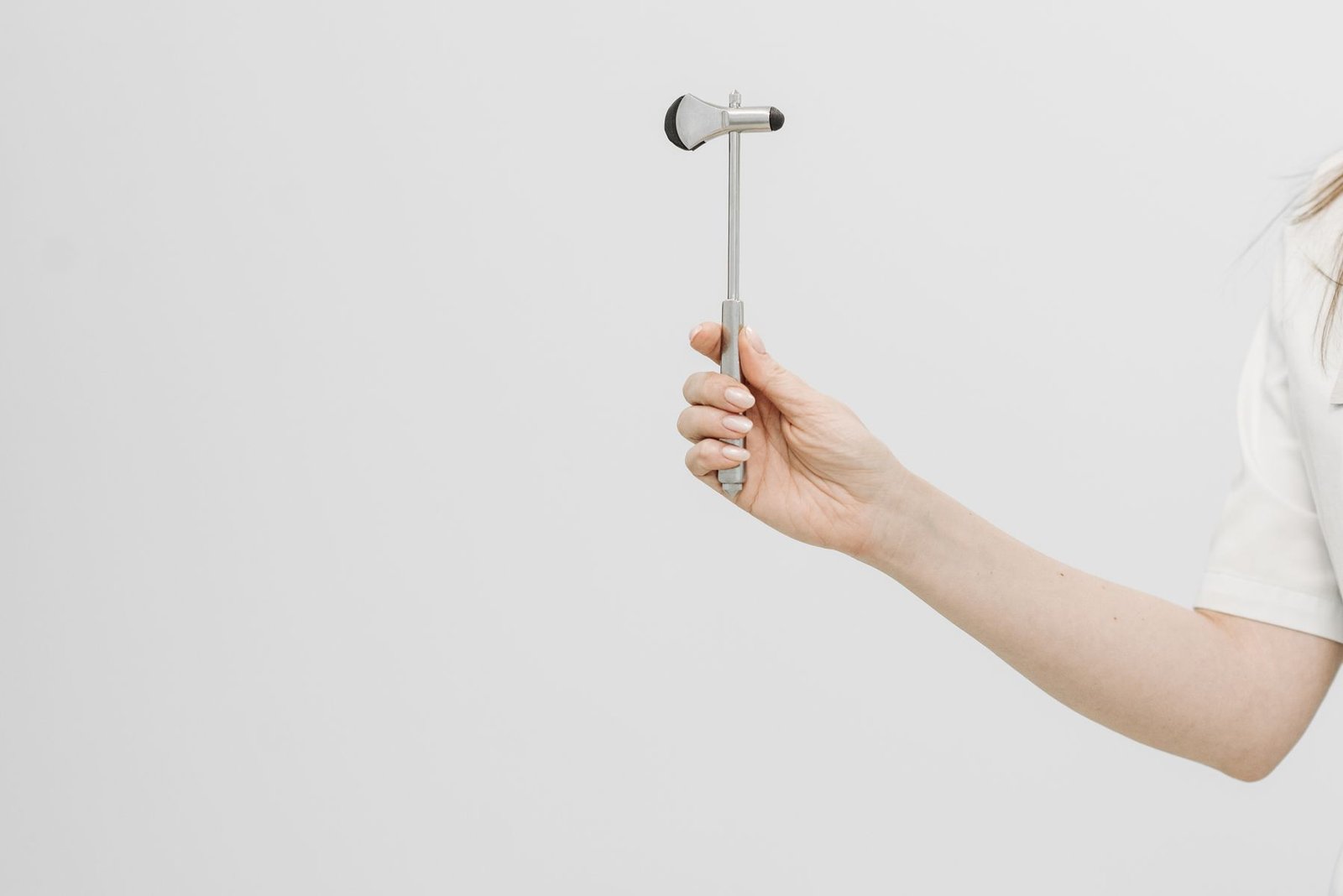
A proper assessment for foot numbness typically starts with understanding when it started, what makes it better or worse, and whether it’s accompanied by other symptoms like back pain, leg pain, or weakness. Specific tests of strength, reflexes, and sensation across different areas of the leg and foot help narrow down which nerve level, if any, is actually involved, since the pattern of symptoms genuinely helps distinguish between possible causes.
Depending on what’s found, further investigation such as imaging may be recommended, though this isn’t always immediately necessary, many cases of nerve-related symptoms are managed based on the clinical picture initially, with imaging reserved for cases that don’t improve as expected or where certain red flags are present.
Muscle strength testing specifically around lifting the foot upward, toward the shin, is a genuinely important part of this assessment, since weakness in this particular movement is a more significant clinical sign than numbness alone and helps guide how urgently further action is needed. A clinician will typically also check reflexes and sensation across several areas, not just the top of the foot, since the fuller pattern of findings helps distinguish between the different possible nerve levels and causes far more reliably than any single symptom in isolation.
General Self-Care Approaches People Often Try While Awaiting Assessment
While waiting for a proper assessment, many people find gentle movement, avoiding prolonged sitting in one position, and paying attention to posture during daily activities genuinely helpful for general comfort, though these are supportive measures rather than a treatment for the underlying cause. Footwear that isn’t excessively tight or restrictive across the top of the foot is also worth checking, since local compression there can occasionally compound symptoms coming from elsewhere.
It’s worth being cautious about aggressive stretching or exercise routines found online without a proper diagnosis first, since the right approach genuinely depends on what’s actually causing the numbness, and the wrong approach for a particular cause can occasionally aggravate things rather than help. Sleep position is another commonly overlooked factor, sciatic symptoms often feel worse at night, and finding the best way to sleep with sciatica can genuinely support comfort alongside proper treatment, even though it doesn’t address the underlying cause on its own.
When Numbness Needs Prompt Medical Attention
Certain features of foot numbness warrant prompt medical attention rather than a routine appointment. Numbness accompanied by genuine weakness, particularly difficulty lifting the front of the foot upward, sometimes described as the foot slapping the ground when walking, is a more significant sign than numbness alone and should be assessed promptly. Numbness that’s rapidly worsening, affects both legs, or comes with loss of bladder or bowel control is a medical emergency and needs immediate attention.
Even without these more serious features, numbness that’s persistent, that isn’t improving, or that’s accompanied by increasing pain or weakness over time should be properly assessed by a doctor or physiotherapist rather than monitored indefinitely at home. A genuinely useful way to think about this is that mild, stable numbness that isn’t changing is generally less urgent than numbness that’s spreading, worsening, or increasingly interfering with daily activity, since a clearly worsening pattern is a stronger signal that something needs attention sooner rather than later.
What To Expect When You Book An Assessment With Impact Sports Rehab
At Impact Sports Rehabilitation, an assessment for suspected sciatic-related symptoms looks at your full symptom pattern, not just where numbness happens to be, to build an accurate picture of what’s actually going on before recommending next steps. Where appropriate, this may include referral for further investigation, or a staged rehabilitation consultation addressing the underlying contributing factors alongside your GP or specialist’s guidance, always working collaboratively with whichever medical team is already involved in your care rather than in isolation.

If numbness or nerve-related symptoms have you concerned, Impact Sports Rehabilitation works with clients across Eccles, Trafford, and Salford on genuinely thorough assessment. Ask about an online consultation if you’re further afield.
Frequently Asked Questions
Does numbness on top of my foot definitely mean I have sciatica?
Not necessarily, while it’s a recognised pattern associated with a specific lower back nerve level, other causes including local nerve compression at the foot or ankle, circulation issues, or other conditions can produce similar symptoms. A proper assessment is the only reliable way to know what’s actually causing your specific symptoms.
How long does this kind of numbness typically take to resolve?
This varies considerably depending on the underlying cause and how it’s managed, so we wouldn’t want to give a fixed timeline without an assessment. Numbness that’s persistent or not improving over a reasonable period is worth having properly evaluated rather than waiting indefinitely.
Is numbness in my foot something to worry about?
Mild, stable numbness is often manageable and worth monitoring with an assessment, but numbness accompanied by weakness, rapid worsening, or symptoms in both legs warrants prompt medical attention. If you’re ever unsure how concerning your specific symptoms are, it’s always reasonable to get checked rather than wait and see.
Can exercise make the numbness worse?
It depends entirely on the underlying cause, which is exactly why a proper assessment before starting any specific exercise approach genuinely matters. The right approach for one cause of foot numbness can be inappropriate for another, so we’d recommend getting assessed before starting a new exercise routine aimed at this symptom.
Will this numbness affect my ability to walk or run normally?
Mild numbness alone often doesn’t significantly affect walking, but if weakness is also present, particularly difficulty lifting the foot, this can genuinely affect gait and walking safety. This combination warrants a prompt assessment rather than continuing with normal activity as though nothing has changed.
This article is provided for general educational purposes by Impact Sports Rehabilitation and does not constitute medical advice, diagnosis, or treatment, and does not diagnose the cause of your specific symptoms. Numbness that is persistent, worsening, or accompanied by weakness should be assessed promptly by a doctor or physiotherapist, since it can occasionally signal something requiring urgent attention.