Quick answer: Lower back pain after squats is most commonly linked to technique breakdown under load, particularly the lower back rounding at the bottom of the movement, core fatigue that shifts stability demands onto the spine, or progressing weight faster than your body has adapted to. Many people find it settles with active recovery and technique adjustments, though persistent or worsening pain deserves a proper assessment rather than guesswork. This is general education, not a diagnosis of your specific pain.
Finishing a heavy squat session only to feel your lower back nagging afterward is a genuinely common experience in the gym, and it’s easy to assume the worst. Lower back pain after squats has a range of possible explanations, some purely technique-related and entirely manageable, others worth getting properly checked. Here’s a clear, honest breakdown.
Common Technique-Related Causes
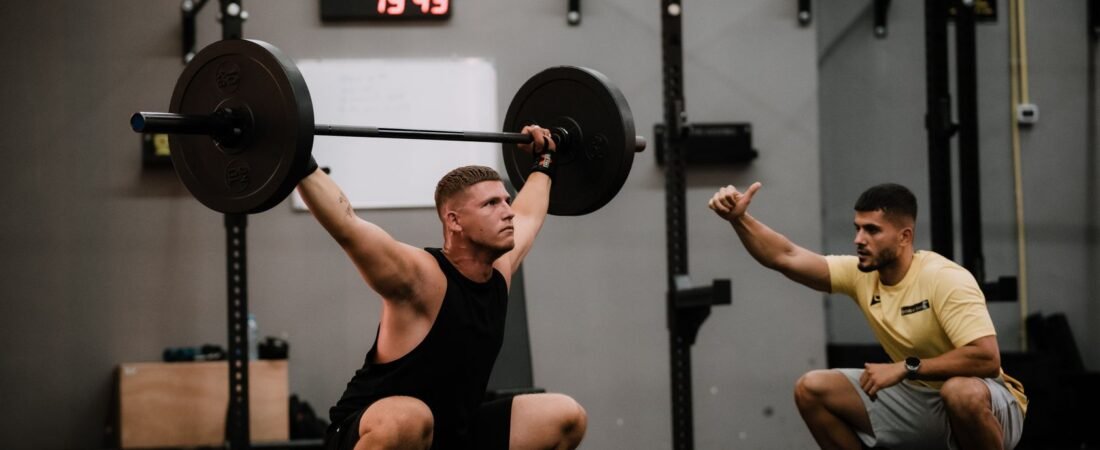
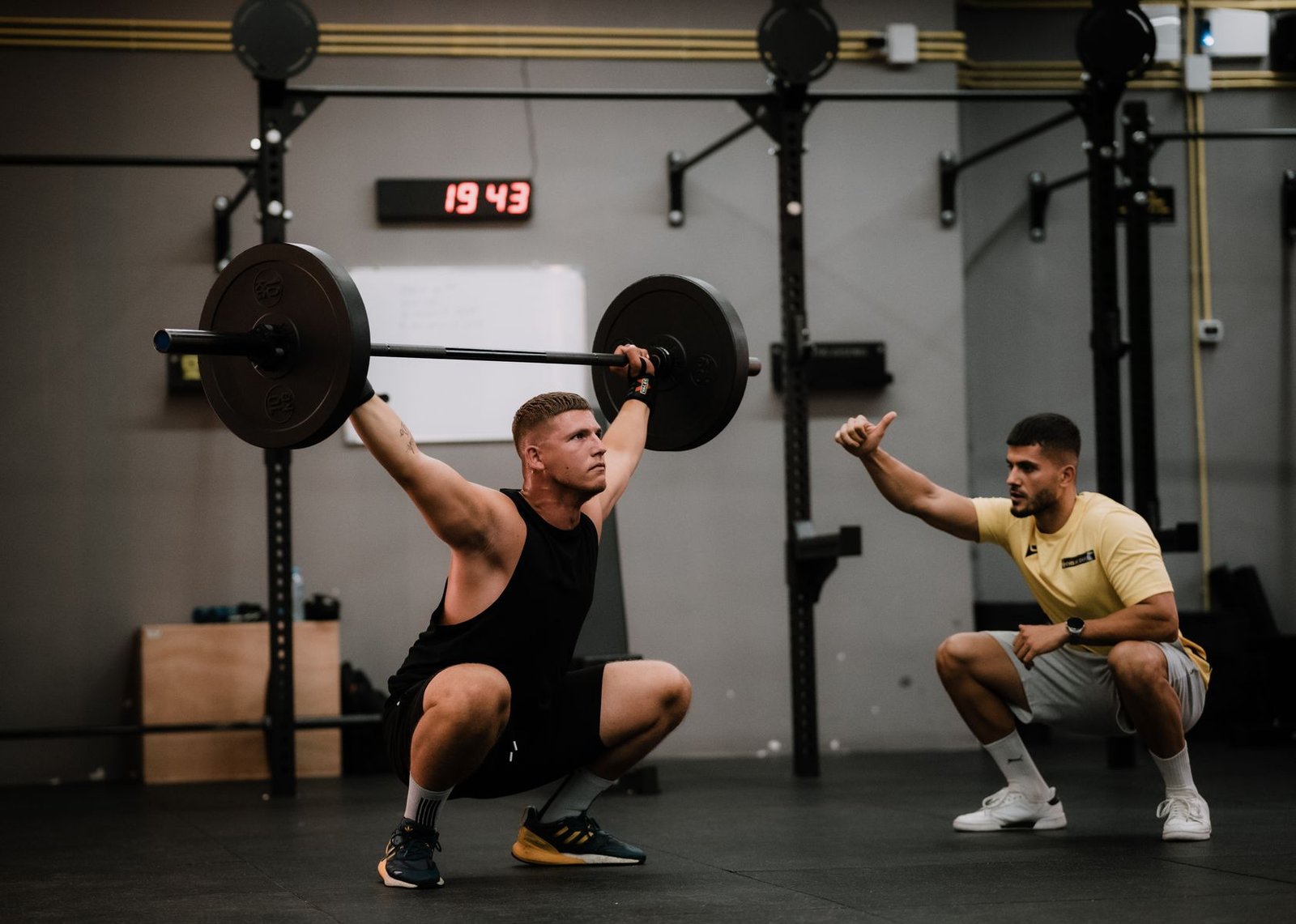
The most frequently cited cause of lower back pain after squats is a breakdown in form under load, the back rounding, excessive forward lean, or the knees collapsing inward, all of which shift stress away from the legs and onto the lumbar spine. A particularly common and specific version of this is often called “butt wink,” where the pelvis tucks underneath at the very bottom of the squat, creating a rounding of the lower back at exactly the point where the load on the spine is greatest.
This pelvic tuck can happen for a few different reasons, sometimes it’s a mobility limitation, most often at the hip or ankle, that forces the pelvis to compensate as you reach depth, and sometimes it’s simply technique that hasn’t been refined yet. Either way, understanding that this specific movement pattern, not squatting in general, is often the actual driver of discomfort is genuinely useful, since it points toward a specific, addressable cause rather than a vague sense that squats are inherently bad for the back.
Excessive forward lean is a closely related issue, often driven by limited ankle mobility or simply bar path habits developed over time, and it forces the lower back to work harder to keep you balanced rather than letting the legs and hips do the bulk of the work. Knees collapsing inward, sometimes called valgus collapse, changes how load travels through the whole kinetic chain and can indirectly increase demand on the lower back as the body compensates for reduced stability further down the leg.
Common Load-Related Causes
Progressing weight faster than your body has adapted to is another frequent contributor, particularly when the increase outpaces how quickly your core and stabilising muscles are genuinely strengthening alongside the lift itself. Core fatigue specifically deserves attention here, your deep core muscles play a genuine stabilising role during a squat, and if they fatigue before your legs do, your body tends to seek stability elsewhere, often resulting in exactly the kind of back rounding described above.
Insufficient recovery between heavy sessions is a less obvious but genuinely common factor too, training the same movement pattern with inadequate rest doesn’t give tissue the chance to adapt and recover, and cumulative fatigue across a training block can show up as back discomfort well before it shows up anywhere else. Programming factors matter here too, a sudden jump in either weight or training volume, without a gradual build-up, is a recognised way to outpace what your spine and supporting muscles have actually adapted to handle, regardless of how good your technique looks on any single rep.
General Recovery Approaches People Often Use
Active rest, gentle movement rather than complete inactivity, is generally favoured over total rest for this kind of discomfort, since a bit of light movement tends to support recovery better than staying completely still. Many people find gradually reintroducing loaded movement, rather than avoiding squats entirely once things settle, genuinely helps rebuild confidence and capacity, provided it’s done at a sensible pace rather than jumping straight back to previous weights.
Addressing the underlying contributor, working on hip or ankle mobility if that’s limiting your depth, or building core stability and endurance if fatigue is the bigger factor, tends to be more useful long-term than simply resting and hoping the same pattern doesn’t repeat itself next session. Some people also find temporarily reducing squat depth or load while working on the underlying limitation, rather than stopping the movement entirely, keeps them training productively while the actual issue gets addressed in parallel.
When Squat-Related Back Pain Is A Sign To Get Assessed
Pain that’s sharp rather than a dull ache, that radiates down into the leg, or that’s accompanied by numbness or tingling, is a different picture from typical muscular soreness and warrants a proper assessment rather than continued self-management. Pain that persists well beyond the expected muscle-soreness window, or that’s getting worse rather than better with light activity, is also worth having checked.
If you’re genuinely unsure whether what you’re feeling is typical post-training soreness or something that needs attention, that uncertainty itself is worth raising with a physiotherapist or sports therapist rather than guessing and hoping it resolves. A useful general distinction many people find helpful is that typical muscular soreness tends to be fairly symmetrical, dull, and gradually improving day by day, while something needing attention is more likely to be one-sided, sharp, or static or worsening rather than trending in a clearly positive direction.
Common Mistakes That Make Squat-Related Back Pain Worse
Continuing to load a movement pattern that’s clearly contributing to symptoms, without addressing the technique or mobility issue behind it, is the most common mistake, since more reps of the same flawed pattern tend to reinforce rather than resolve the problem. Complete avoidance of squatting altogether, without ever working back toward the movement in a structured way, is a less obvious but similarly common misstep, since it can leave the underlying weakness or mobility limitation unaddressed indefinitely.
Chasing heavier weight to “push through” discomfort, rather than temporarily reducing load while the underlying issue is addressed, tends to compound the problem rather than resolve it. Ignoring genuinely useful feedback, filming your own squat from the side to check for the pelvic tuck described earlier is a simple, accessible way many lifters catch a pattern they otherwise wouldn’t notice.
Skipping a proper warm-up before heavy squat sessions is another common contributor worth naming, tissue that hasn’t been adequately prepared for load tends to tolerate that load less well, and a rushed warm-up is an easy corner to cut when time is limited. Similarly, neglecting general core and hip strength work outside of the squat itself, relying purely on the squat to build the stability it also demands, can leave a genuine gap between what the lift requires and what the surrounding muscles can currently provide.
What To Expect When You Book An Assessment With Impact Sports Rehab
At Impact Sports Rehabilitation, an assessment for squat-related back pain looks at your specific movement pattern, mobility, and core control, rather than assuming squats themselves are the problem. This often includes practical technique feedback alongside a staged rehabilitation consultation addressing whatever’s actually driving your particular presentation, whether that’s mobility, load management, or core stability work. The same load-management principles genuinely apply beyond the squat rack too, similar thinking underpins good marathon recovery tips for runners managing cumulative training load.
If squats keep leaving your lower back sore, Impact Sports Rehabilitation works with clients across Eccles, Trafford, and Salford on genuinely targeted assessment and technique support. Ask about an online consultation if you’re further afield.
Frequently Asked Questions
Is it safe to keep squatting if my lower back hurts afterward?
This depends on the nature and severity of your pain, mild, settling soreness is often fine to work through with technique adjustments, but sharp pain, pain that radiates, or pain that’s worsening warrants a pause and a proper assessment. We’d recommend checking with a physiotherapist or sports therapist if you’re unsure which category your symptoms fall into.
Is poor form definitely the cause of my back pain?
Technique is a genuinely common contributor, but it’s not the only possible cause, core fatigue, load progression, and underlying mobility limitations can all play a role too. A proper assessment, ideally including watching you actually squat, gives a much clearer picture than guessing from symptoms alone.
How long does this kind of soreness typically take to settle?
Typical muscular soreness from training often settles within a few days with light activity, but this varies by individual and by what’s actually driving the discomfort. Pain that persists well beyond that window is worth having properly assessed rather than assuming it will resolve on its own.
Should I stop squatting altogether until it’s sorted out?
Not necessarily, complete avoidance often isn’t the answer and can leave underlying weakness or mobility issues unaddressed, though temporarily reducing load or depth while the cause is identified is often sensible. A professional assessment can help you find the right level to work at rather than an all-or-nothing approach.
Could this actually be something more serious, like a disc issue?
It’s possible, though most squat-related back discomfort is muscular or technique-related rather than a disc problem. Pain that radiates into the leg, or comes with numbness, tingling, or weakness, is worth getting properly assessed to rule this out rather than assuming it either way.
This article is provided for general educational purposes by Impact Sports Rehabilitation and does not constitute medical advice, diagnosis, or treatment, and does not diagnose the cause of your specific pain. Always seek the guidance of a qualified physiotherapist, sports therapist, or doctor for individual assessment and diagnosis, and stop and seek professional advice if you experience worsening pain, numbness, or swelling.