Quick answer: Marathon recovery tips that actually help focus on gentle movement in the first 24 to 48 hours rather than complete rest, followed by a gradual return to training, good sleep, and adequate protein and fluid intake, while some popular recovery habits have more marketing behind them than genuine evidence. This is general education, not medical advice, and persistent pain beyond typical post-race soreness is worth getting assessed.
You’ve crossed the finish line, and now your body is asking you to sit down and never move again. If you’re looking for marathon recovery tips that genuinely help rather than just recovery-culture noise, here’s an honest, practical breakdown of what actually works, and what’s more hype than substance.
What Happens To Your Body After A Marathon
Running 26.2 miles causes genuine microscopic damage to muscle fibres, particularly in the quads and calves from the repeated eccentric loading of thousands of foot strikes, alongside significant fluid loss, depleted glycogen stores, and a measurable inflammatory response. This is exactly why marathon recovery isn’t just about feeling sore, your body is doing real repair work in the days that follow, and recovery habits that support that repair process genuinely matter more than ones that just make you feel better in the moment.
Delayed onset muscle soreness, the deep, stiff ache that typically peaks around 48 hours after a hard effort, is a normal part of this process and generally resolves fully within about five to seven days on its own, regardless of what recovery methods you use, which is worth knowing so you don’t mistake ordinary soreness for something going wrong. Swelling in the legs and feet, particularly noticeable the day after, is also a normal part of this response for a lot of runners, reflecting the inflammatory process and fluid shifts your body goes through rather than a sign anything has gone wrong.
The immune system also takes a genuine, temporary hit after an event this demanding, which is part of why a lot of runners notice they’re more prone to catching a cold in the week or two following a marathon, another reason prioritising sleep and nutrition in this window matters more than it might seem.
The First 24 To 48 Hours, Gentle Movement Over Complete Rest
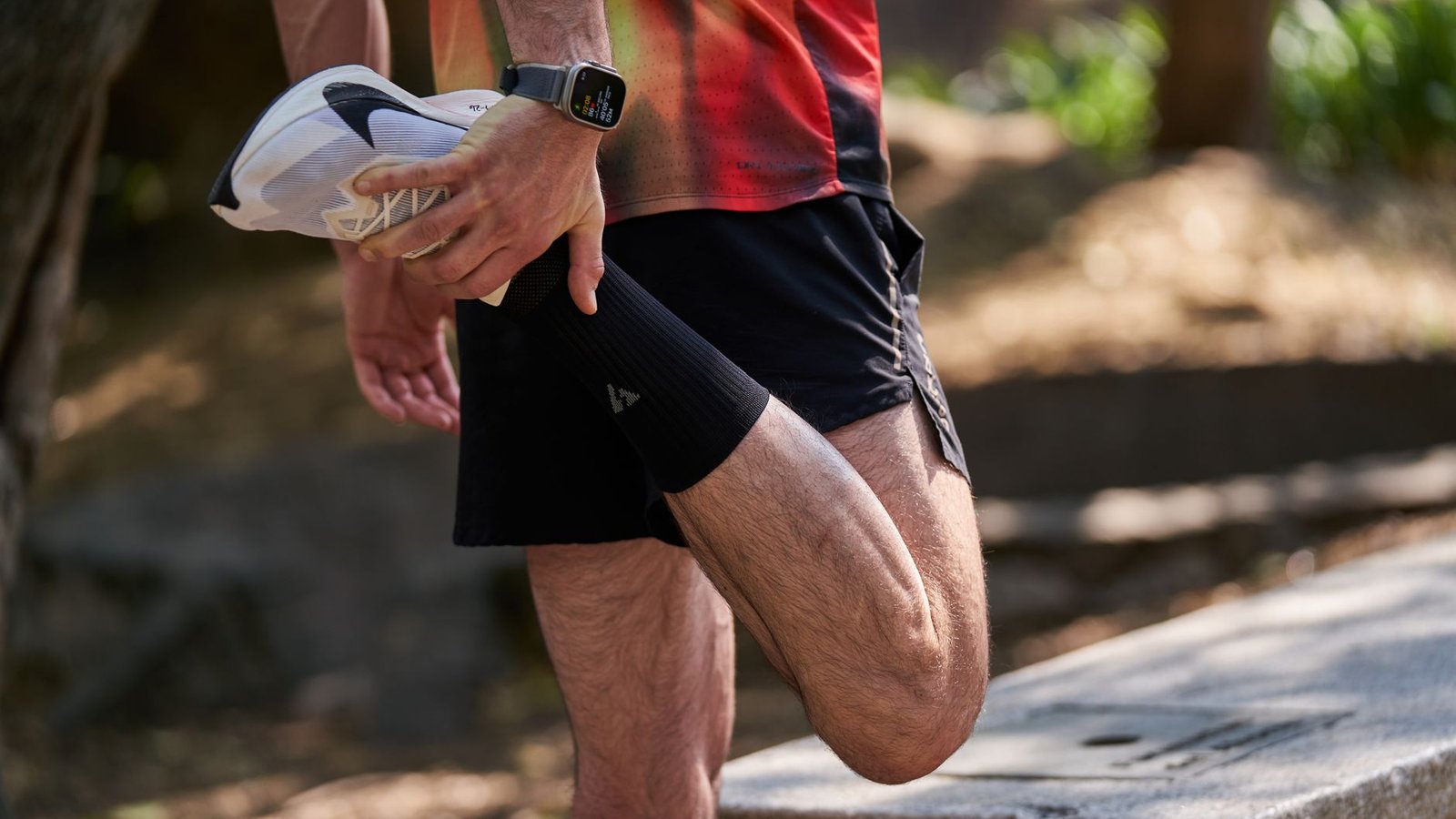
Many people assume total rest is the right move immediately after a marathon, but gentle, low-intensity movement, an easy walk, light stretching, or just moving around rather than lying flat all day, tends to support circulation and recovery better than complete immobility. Staying on top of hydration and getting adequate protein in the first day or two supports the genuine tissue repair happening beneath the soreness.
Sleep is genuinely one of the most underrated recovery tools in this early window, prioritising it over squeezing in extra activities in the days right after the race tends to pay off more than most people expect. Compression garments are a popular choice in this window too, and while the evidence for them is more modest than some marketing suggests, many people find them genuinely comfortable for reducing that heavy, swollen feeling in the legs, even if the effect on actual tissue repair is less dramatic than claimed.
The Following Weeks, A Gradual Return To Training
Once the initial soreness has settled, easing back into training gradually, starting with easy, shorter runs before returning to your previous volume and intensity, tends to reduce injury risk considerably compared to jumping straight back into hard training. Many people find cross-training, swimming or cycling at an easy effort, a genuinely useful way to stay active while giving the specific impact-loaded tissues more time to fully recover.
Listening to how your body responds to each step back up, rather than following a rigid schedule regardless of how you feel, tends to work better here, since individual recovery genuinely varies by how hard the race was run and each runner’s own training background. A common guideline some coaches use is roughly one easy recovery day for every mile raced before returning to structured hard training, though this is a general rule of thumb rather than a fixed rule that applies identically to everyone.
Strength work, particularly for the areas that took the most repetitive impact, tends to be worth reintroducing gradually during this window too, rather than jumping straight back into your pre-race strength programme at full intensity.
Recovery Habits That Are More Hype Than Substance
Ice baths have a reasonable evidence base for reducing perceived soreness and speeding markers of muscle damage clearance in the short term, but timing matters more than a lot of marketing suggests, taking one within about an hour of finishing may actually blunt some of the training adaptation your body would otherwise be building, so many people find it’s worth waiting rather than jumping in immediately. Foam rolling has genuinely mixed evidence, it tends to help with muscle stiffness and tightness reasonably well but doesn’t appear to meaningfully reduce pain on its own, so it’s worth using as one tool among several rather than expecting it to do all the work.
Expensive recovery gadgets and supplements marketed heavily around race day often promise more than the evidence behind them supports, while the genuinely well-supported basics, active recovery, sleep, adequate protein, and staying hydrated, tend to get far less attention despite doing more of the actual work. This isn’t to say every recovery tool is useless, just that it’s worth being honest about which ones are doing genuine work and which are mostly doing marketing.
Percussion massage guns have become genuinely popular in recent years, and while many people find them a comfortable, convenient way to ease stiffness, the evidence that they meaningfully speed up recovery beyond what a good stretch or regular massage achieves is still fairly limited. They’re a reasonable addition to a recovery routine, just not a replacement for the basics that carry the strongest evidence behind them.
Common Mistakes Runners Make After A Marathon
Returning to hard training too soon, because the legs feel reasonable a week or two out, is a particularly common mistake, since the deeper tissue repair from a marathon’s cumulative impact often takes longer than surface-level soreness suggests. Skipping sleep and proper nutrition in the days after the race, while focusing entirely on specific recovery techniques, tends to undermine the basics that matter most.
Ignoring pain that’s different in character from ordinary post-race soreness, sharp, localised, or getting worse rather than better day by day, rather than getting it checked, is a mistake that can turn a manageable niggle into a genuine injury if it’s pushed through rather than addressed early. Signing up for the next race too soon, riding the post-marathon motivation without giving the body a genuine break first, is another common trap that tends to catch up with people in the form of accumulated fatigue or injury a few months down the line.
What To Expect When You Book Recovery Support With Impact Sports Rehab
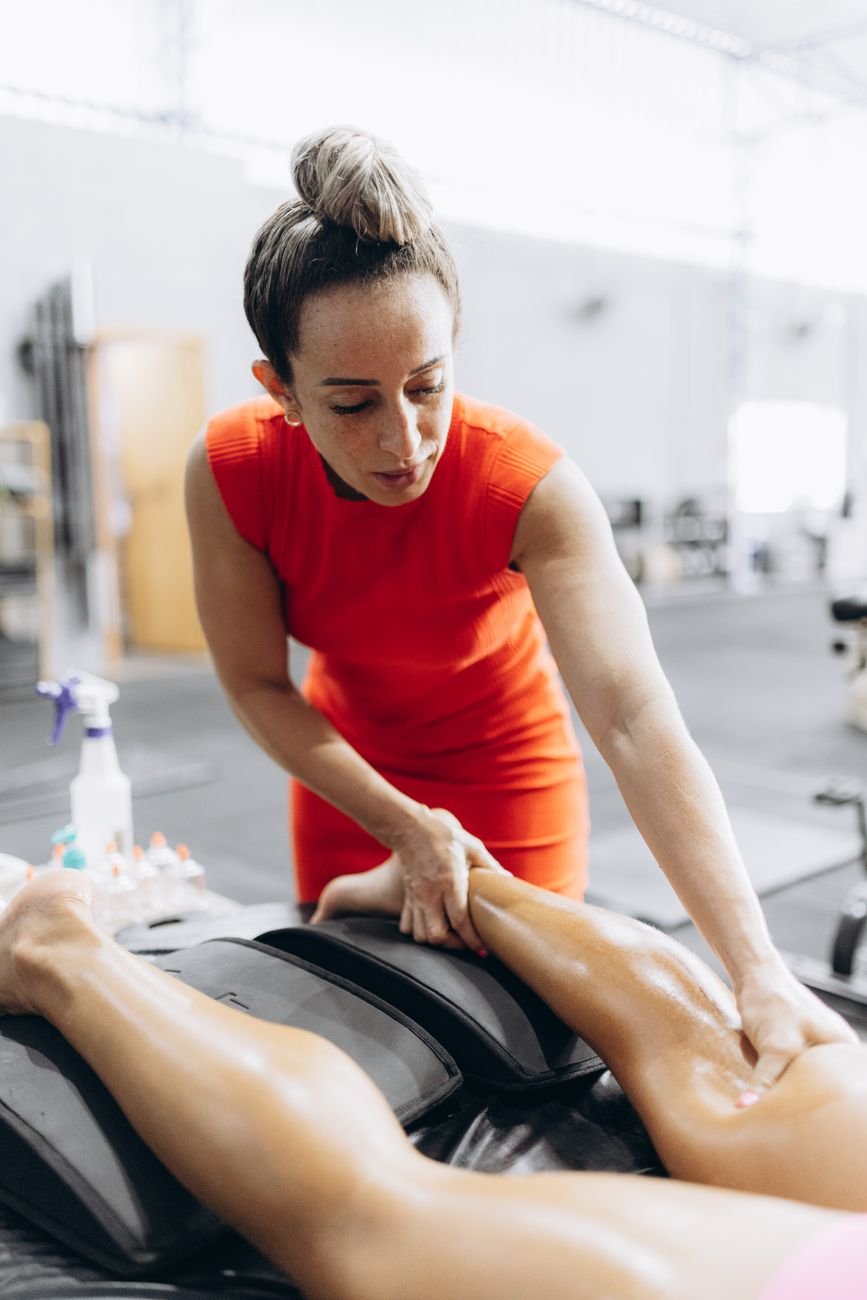
At Impact Sports Rehabilitation, post-marathon sports massage and rehab support helps address specific tightness or niggles that ordinary rest alone doesn’t fully resolve, and where something feels like more than typical soreness, we can properly assess it. This runs alongside the same honest, evidence-based approach covered in lower back pain after squats, for runners who’ve picked up a strength-training-related niggle alongside their marathon training.
Free tool: Sore or Injured Self-Check
Wondering whether to train today? Our free sore or injured self-check takes seven quick questions and tells you whether to train as planned, go lighter, or rest and get it checked.
If you’ve just finished a marathon and want genuine recovery support, Impact Sports Rehabilitation works with runners across Eccles, Trafford, and Salford. Ask about an online consultation if you’re further afield.
Frequently Asked Questions
How long is soreness supposed to last after a marathon?
Ordinary post-race soreness generally resolves within about five to seven days, with peak discomfort typically around 48 hours, though this varies by individual and how hard the race was run. Pain that’s getting worse rather than better, or that’s still significant well beyond a week, is worth getting checked.
Is it safe to start running again too soon?
Returning to hard training before the deeper tissue repair has caught up with how your legs feel is a genuinely common way niggles turn into real injuries, so we wouldn’t want to guess a fixed timeline without knowing your specific situation. A gradual, symptom-guided return tends to work better than a rigid schedule.
Do ice baths actually help recovery?
There’s reasonable evidence ice baths can reduce perceived soreness in the short term, though taking one very soon after finishing may blunt some training adaptation, so timing is worth considering rather than assuming sooner is always better. A physiotherapist can advise on what’s sensible for your specific recovery goals.
Should I get a massage straight after the race or wait?
Many people find some benefit from massage in the days following a marathon rather than immediately at the finish line, when tissue is at its most acutely inflamed. In our experience, timing it a day or two out tends to feel more genuinely useful than rushing straight into one.
What if a specific pain isn’t going away?
Pain that’s sharp, localised to one specific spot, or not improving with rest and the usual recovery approaches is worth getting properly assessed rather than assuming it’s just normal marathon soreness. We wouldn’t want to guess your specific situation without seeing you.
This article is provided for general educational purposes by Impact Sports Rehabilitation and does not constitute medical advice, diagnosis, or treatment, and does not diagnose the reader’s specific pain. Always seek the guidance of a qualified physiotherapist, sports therapist, or doctor for individual assessment and diagnosis, and seek assessment for any pain that persists beyond typical post-race soreness.