Quick answer: What actually helps a QL strain recover is a mix of appropriate early management, avoiding both complete rest and pushing through pain, then a genuinely graded return to normal movement and activity. Many people find early, gentle movement supports recovery better than staying completely still. This is general education, not a personalised recovery plan, and a proper assessment is the right starting point for confirming severity.
An awkward lift or twist that leaves your lower back or side genuinely sore is a common way a QL strain happens. Once it’s happened, the real question is what actually helps it recover, rather than what sounds reasonable but doesn’t genuinely move the needle. Here’s an honest breakdown.
What A QL Strain Is And How It Typically Happens Acutely
A QL strain describes an acute injury to the quadratus lumborum, the deep muscle running from the lower ribs to the pelvis, most often occurring through an awkward lifting or twisting movement, particularly one combining bending and rotation under load. Unlike the broader, more gradually developing pattern of general QL pain, a strain has a distinct onset, you can often point to the specific moment it happened.
The sudden, sharp pain at the moment of injury, followed by stiffness and a duller ache over the following hours, is a fairly typical pattern, and the affected side often feels noticeably tighter and more guarded than the other.
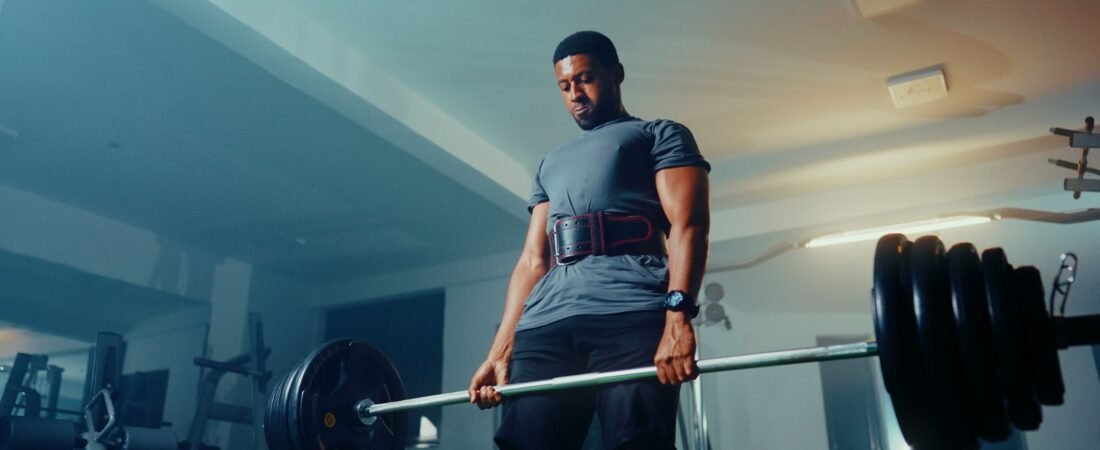
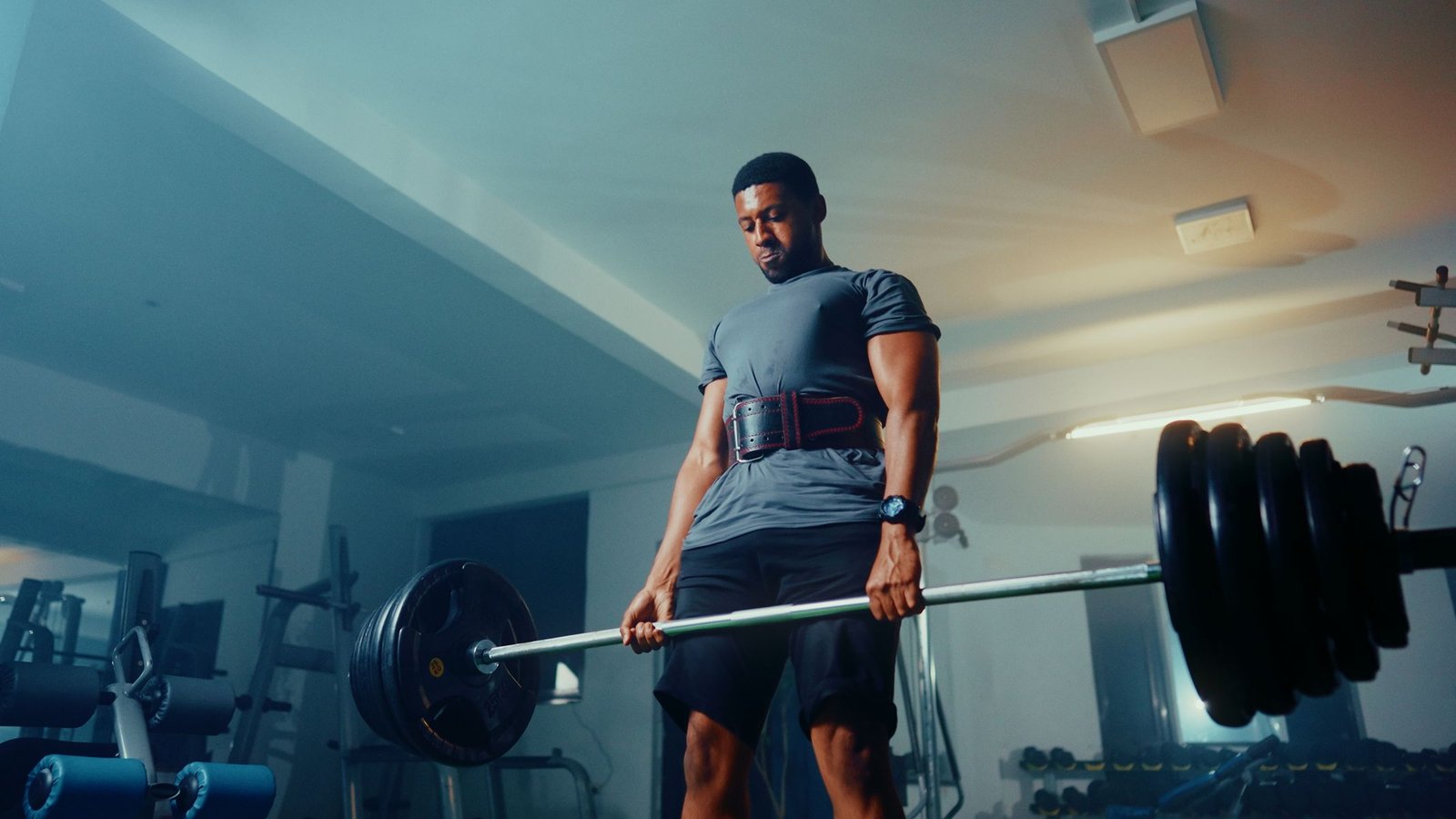
Combat-sports athletes and gym-goers doing loaded, rotational movements, a heavy deadlift with slightly uneven weight distribution, or a grappling scramble involving forceful twisting, are genuinely more exposed to this specific mechanism than people doing purely straight-line movement. Recognising the movement pattern that caused it is genuinely useful context to bring to an assessment, since it helps distinguish an acute strain from the more gradual, posture-related QL pain that builds up over time instead.
General Early-Stage Approaches That Genuinely Help Versus Less Useful Habits
In the first day or two, gentle movement within a comfortable range genuinely tends to support recovery better than complete bed rest, since prolonged inactivity can lead to increased stiffness and doesn’t actually speed up the underlying healing process. Simple things like walking, changing position regularly, and avoiding prolonged sitting in one position are commonly recommended general approaches during this early phase.
A less useful habit worth naming honestly is aggressive stretching in the very acute phase, pulling hard into a stretch when the muscle is freshly strained can aggravate things rather than help, even though stretching feels intuitively like it should ease tightness. Heat is often more comfortable than ice for muscular strains like this once the most acute phase has passed, though individual preference genuinely varies and either can be reasonable depending on what feels better for you. Over-bracing the area protectively, unconsciously holding the whole trunk rigid to avoid triggering pain, is another habit worth being aware of, since prolonged guarding like this can itself contribute to ongoing stiffness once the acute injury has actually started settling.
General Graded Return To Activity
Once the acute pain has settled somewhat, a graded return to normal movement and activity, gradually reintroducing bending, twisting, and loaded movement rather than jumping straight back to previous activity levels, tends to support a more complete recovery. Many people find it genuinely useful to reintroduce specific movements one at a time, noting which ones still feel provocative, rather than resuming a full previous routine all at once.
Strengthening work, once the acute phase has settled, targeting not just the QL itself but the surrounding core and hip muscles, is commonly introduced to support the area and reduce the likelihood of the same pattern recurring. This staged approach, rest briefly, move gently, then rebuild strength progressively, mirrors the general pattern used for most acute muscle strains, though the specific pacing should reflect your own recovery rather than a fixed generic schedule.
Preventing Repeat Strains Once Recovered
Addressing lifting technique, particularly avoiding combined bending and twisting under load where possible, genuinely reduces the mechanical demand that commonly causes this type of strain in the first place. Building general core and hip strength, so the QL isn’t compensating for weakness elsewhere, is a sensible longer-term approach for reducing recurrence, alongside addressing any of the postural or repetitive-loading factors covered in the broader picture of QL muscle pain.
Warming up properly before activities involving lifting or twisting, rather than going straight into demanding movement cold, is a simple, practical habit that genuinely reduces strain risk more broadly, this particular muscle included.
Common Mistakes That Slow Down QL Strain Recovery
Returning to full activity too soon, before the acute phase has genuinely settled, is the most common mistake, often triggering a setback that extends the overall recovery timeline. Complete rest for an extended period, rather than the genuinely more helpful gentle movement approach, is another frequent misstep that tends to leave the area stiffer rather than more recovered.
Ignoring the underlying contributing factors, poor lifting technique or surrounding muscle weakness, once acute symptoms settle is a common reason the same strain recurs within weeks or months of apparently recovering.
What To Expect When You Book An Assessment With Impact Sports Rehab
At Impact Sports Rehabilitation, an assessment for a suspected QL strain confirms severity and rules out other contributing factors before building a genuinely staged recovery plan. This is often paired with sports massage for the acute phase and addresses the broader picture covered in QL muscle pain and lower back pain after squats where relevant to your specific presentation, since these areas frequently overlap.
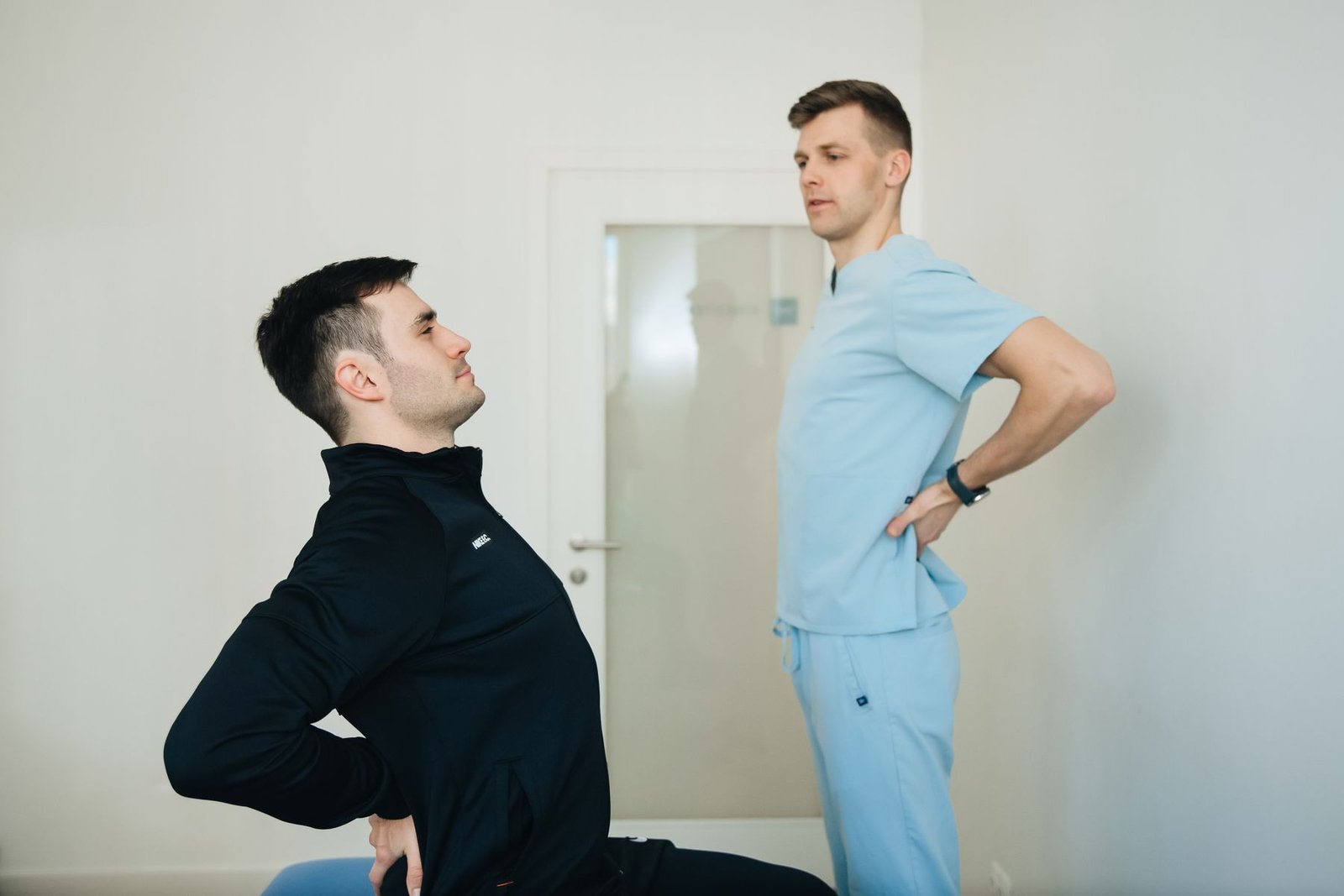
If you’ve strained your QL and want genuinely effective recovery support, Impact Sports Rehabilitation works with clients across Eccles, Trafford, and Salford on staged assessment and treatment. Ask about an online consultation if you’re further afield.
Frequently Asked Questions
Should I rest completely or keep moving?
Most current thinking favours gentle, comfortable movement over complete rest for this kind of strain, since prolonged inactivity tends to increase stiffness without speeding healing. That said, the right amount and type of movement genuinely depends on severity, so a professional assessment can guide this more precisely for your specific injury.
How long does a QL strain typically take to heal?
This varies considerably by severity and individual, so we wouldn’t want to guess a fixed timeline without an assessment. Many milder strains improve meaningfully within a few weeks with appropriate management, while more significant strains can take longer.
Will this keep coming back?
It can, particularly if the underlying contributing factors, lifting technique or surrounding muscle weakness, aren’t addressed once the acute phase settles. Working on these factors genuinely reduces the likelihood of recurrence compared to only treating the acute symptoms each time.
Is heat or ice better for this kind of strain?
Many people find heat more comfortable for muscular strains like this, particularly once the most acute phase has passed, though ice can also be reasonable and individual preference genuinely varies. Neither is likely to cause harm, so using whichever feels more comfortable for you is a reasonable approach.
When is it safe to lift heavy things again?
This depends on how your specific strain has progressed through recovery, so we wouldn’t want to guess a fixed timeline without an assessment. A gradual, graded return to lifting, rather than jumping straight back to your previous loads, tends to reduce the risk of re-injury.
This article is provided for general educational purposes by Impact Sports Rehabilitation and does not constitute medical advice, diagnosis, or treatment, and does not diagnose the reader’s specific severity. Always seek the guidance of a qualified physiotherapist, sports therapist, or doctor for individual assessment and diagnosis, and stop and seek professional advice if you experience worsening pain, numbness, or swelling.