Quick answer: QL muscle pain refers to discomfort in the quadratus lumborum, a deep muscle running from the lower ribs to the pelvis, commonly linked to prolonged sitting, poor posture, heavy lifting, or compensating for weakness elsewhere in the back and hips. It typically presents as a dull ache or sharper pain, often on one side of the lower back. This is general education, not a diagnosis of your specific pain, and persistent or worsening symptoms deserve a proper assessment.
Deep, one-sided lower back or side pain that doesn’t quite match a typical muscle strain often leads people to the term “QL,” short for quadratus lumborum. If you’ve come across this term and want to understand what it actually is and why it can hurt, here’s a clear, honest breakdown.
What The Quadratus Lumborum Is And Its General Role
The quadratus lumborum is a deep muscle running from the bottom of the rib cage down to the top of the pelvis on each side of the spine, and it plays a genuine role in stabilising the lower back and pelvis, particularly during side-bending and helping control posture when standing or sitting. Because it sits deep beneath more superficial back muscles, it’s not something you can easily see or feel directly, which is part of why QL-related pain can feel harder to pin down than more surface-level muscle soreness.
It also has a close working relationship with the muscles around the hip and pelvis, meaning weakness or dysfunction in those surrounding areas can genuinely increase the demand placed on the QL, sometimes making it the muscle that ends up sore even when it isn’t the true root of the problem. It also sits close to the sacroiliac joint, the joint connecting the base of the spine to the pelvis, and some research has looked at how QL function and sacroiliac joint issues can influence each other, another reason a full assessment of the surrounding area, not just the QL in isolation, tends to give a clearer picture.
Common Causes Of QL Pain Beyond Acute Strain
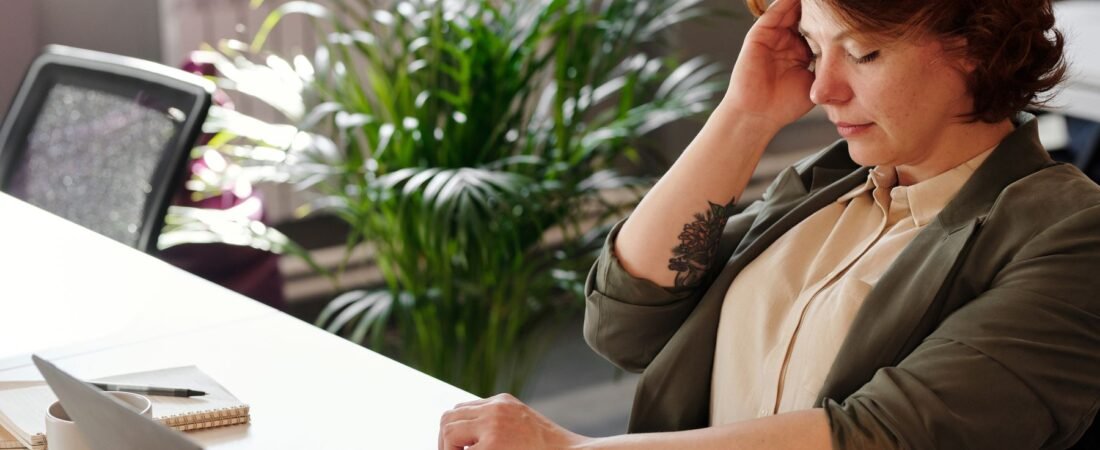
Prolonged sitting is a genuinely common contributor, since sustained sitting keeps the QL in a shortened, continuously engaged position that can lead to fatigue, tightness, and reduced blood flow over time. Poor posture, slouching, leaning consistently to one side, or sitting without adequate back support, places added, uneven stress on the muscle in a similar way.
Beyond posture, repetitive movement patterns and heavy lifting, particularly with asymmetrical loading, can also contribute. Genuinely worth understanding too is the compensatory pattern mentioned above, when surrounding hip and core muscles are weak, the QL frequently ends up working harder than it’s really designed to, becoming overworked and tense as a result of a problem that isn’t actually located in the QL itself.
Occupations and hobbies involving a lot of one-sided repetitive movement, carrying a bag consistently on the same shoulder, or activities with an asymmetrical loading pattern, are also worth being aware of as genuine contributing factors, since the cumulative, repetitive nature of these habits can build QL tension gradually over weeks or months rather than through any single identifiable moment.

How QL Pain Typically Presents
QL pain typically presents as a deep, dull ache, sometimes sharper with certain movements, usually on one side of the lower back, and it can radiate toward the hip or buttock on that same side. It often feels worse with prolonged sitting or standing in one position, and many people notice it flares specifically with movements that involve side-bending or twisting.
Because the QL sits deep and close to structures like the kidney, some people worry pain here might be something more serious, and while it’s genuinely reasonable to want that ruled out, most QL-related discomfort is musculoskeletal rather than related to an internal organ, something a proper assessment can clarify rather than requiring you to guess. A genuinely useful distinguishing feature is that musculoskeletal QL pain typically changes with movement or position, easing or worsening depending on how you’re sitting or moving, while pain from an internal cause tends to stay more constant regardless of position, though this isn’t a substitute for a proper check if you’re genuinely concerned.
General Approaches That Tend To Help Manage It
Addressing the underlying contributor, improving sitting posture and taking regular breaks from prolonged sitting, or building strength in the surrounding hip and core muscles if compensation is playing a role, tends to help more than only treating the QL itself in isolation. Gentle stretching and movement, rather than complete inactivity, is generally favoured, alongside targeted treatments like massage that many people find genuinely helpful for easing acute tightness.
Addressing training load if repetitive or heavy lifting is a contributing factor, rather than continuing the same pattern that triggered symptoms, is another sensible general approach worth considering alongside any hands-on treatment.
When QL Pain Needs Professional Assessment
Pain that’s severe, persistent despite a reasonable period of self-care, or accompanied by fever, urinary symptoms, or pain that doesn’t change at all with movement or position, warrants prompt medical assessment rather than continued self-management, since these features suggest something beyond a straightforward muscular issue worth ruling out. Pain that radiates down the leg with numbness or tingling is also a different pattern worth having properly assessed rather than assumed to be QL-related.
What To Expect When You Book An Assessment With Impact Sports Rehab
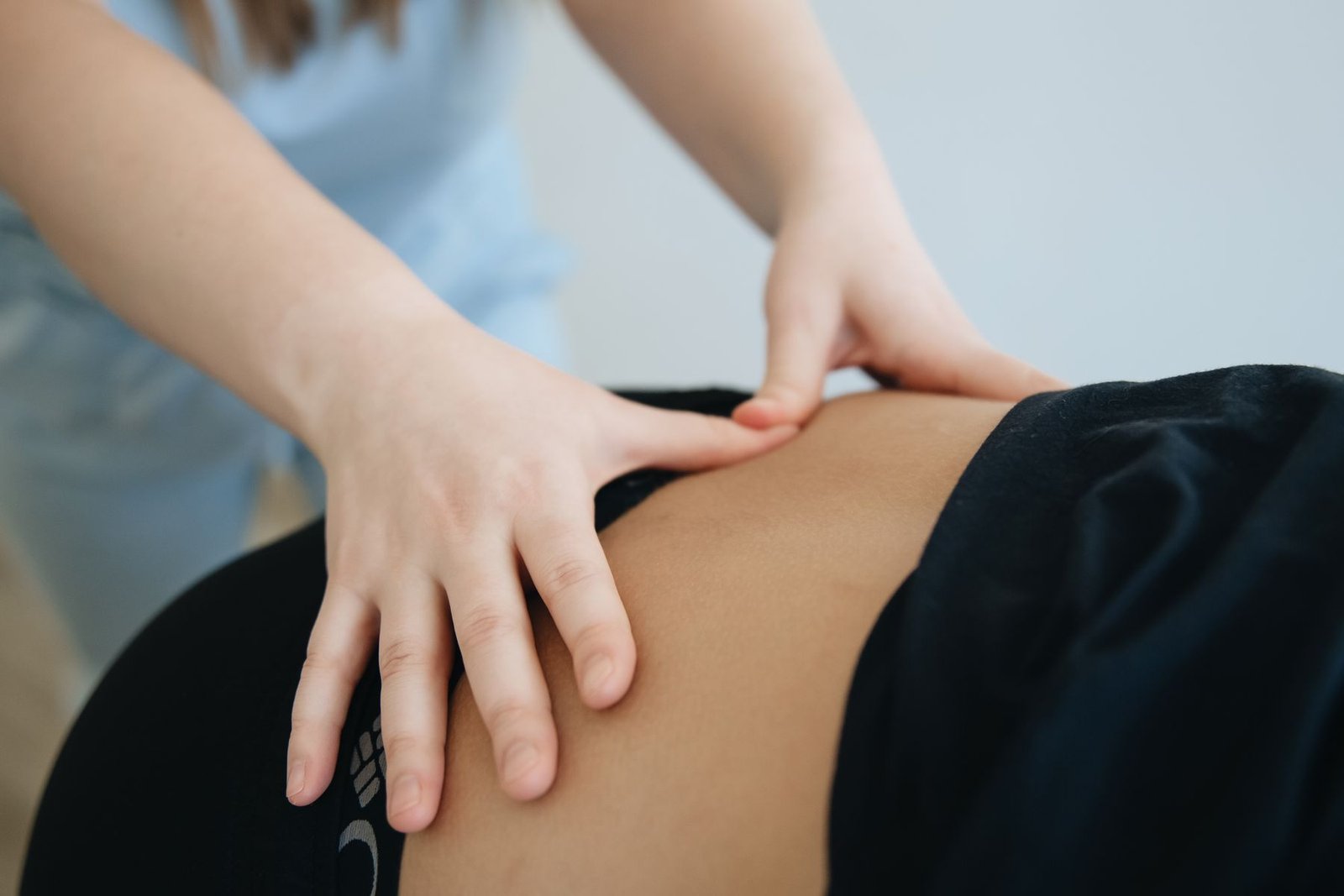
At Impact Sports Rehabilitation, an assessment for suspected QL pain looks at your posture, movement patterns, and surrounding muscle strength to identify what’s genuinely driving your symptoms, rather than treating the QL in isolation. Where a more acute presentation is involved, this ties into the same principles covered in QL strain, adapted for your specific situation, and is often paired with sports massage or a broader rehabilitation consultation addressing contributing factors like lower back pain after squats where relevant.
If deep lower back or side pain has you wondering about your QL, Impact Sports Rehabilitation works with clients across Eccles, Trafford, and Salford on genuinely thorough assessment. Ask about an online consultation if you’re further afield.
Frequently Asked Questions
Could my QL pain actually be a herniated disc?
It’s possible, but QL pain and disc-related pain typically present differently, disc pain more often radiates down the leg with numbness or tingling, while QL pain tends to stay more localised to the lower back and hip area. A proper assessment is the only reliable way to tell the difference for your specific symptoms.
How is this different from a QL strain?
QL strain specifically refers to an acute, sudden injury to the muscle, often from an awkward lift or twist, while QL pain more broadly covers ongoing discomfort that can build up gradually from posture, prolonged sitting, or compensation patterns. Both involve the same muscle but through different mechanisms.
How long does QL pain typically take to settle?
This varies considerably depending on the underlying cause and how consistently it’s addressed, so we wouldn’t want to guess a fixed timeline without an assessment. Pain related to posture or prolonged sitting often improves with consistent changes, while pain from a more significant strain may take longer.
Is it safe to keep exercising with QL pain?
This depends on the severity and cause of your specific pain, mild discomfort often tolerates modified activity reasonably well, while more significant pain may need a temporary reduction in aggravating movements. A physiotherapist or sports therapist can advise on what’s appropriate for your specific situation.
Can massage alone fix QL pain?
Massage can genuinely help ease acute tightness and discomfort, but if an underlying postural or strength issue is driving the pain, addressing that alongside massage tends to produce more lasting results than massage on its own. A proper assessment helps identify whether there’s more going on beneath the surface tightness.
This article is provided for general educational purposes by Impact Sports Rehabilitation and does not constitute medical advice, diagnosis, or treatment, and does not diagnose the cause of your specific symptoms. Always seek the guidance of a qualified physiotherapist, sports therapist, or doctor for individual assessment and diagnosis, and stop and seek professional advice if you experience worsening pain, numbness, or swelling.