Quick answer: The purpose of cupping is to use suction to increase local blood flow and ease muscle tightness, and many athletes find it genuinely helpful for how sore or tight a muscle feels afterward. The evidence for cupping improving perceived soreness and recovery is better supported than the evidence for it boosting measurable athletic performance. Understanding cupping this way, as a recovery-support tool rather than a performance enhancer, sets realistic expectations before booking a session.
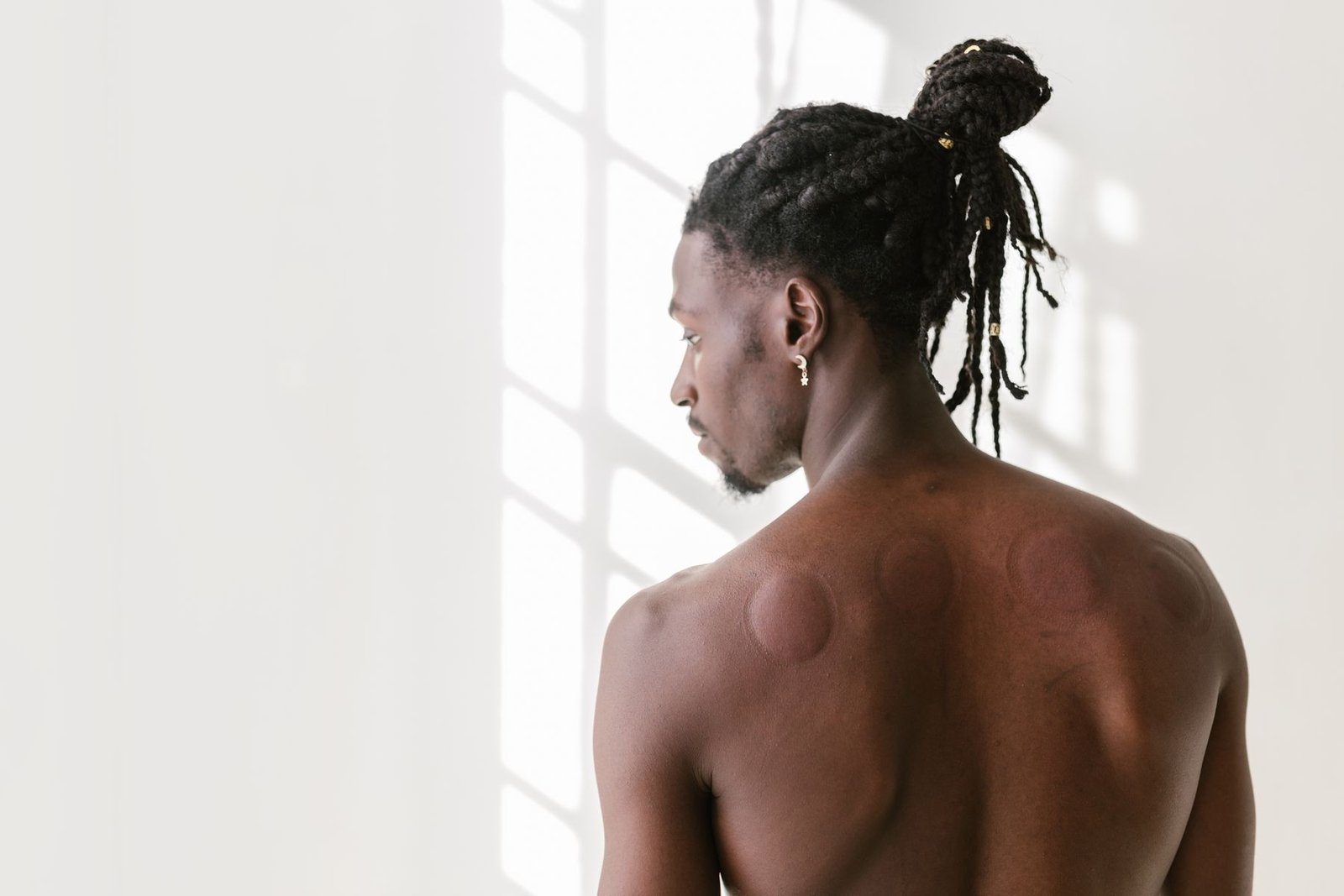
If you’ve seen the round, circular marks cupping leaves behind on an athlete’s back and wondered what the actual purpose of cupping is meant to be, you’re asking a fair question. Cupping has gone from a niche treatment to something you’ll see on Olympic swimmers and Premier League footballers alike, but popularity alone doesn’t tell you what it’s genuinely for or whether it delivers. Here’s an honest look at what cupping is meant to do, what athletes actually use it for, and what the current evidence really supports.
What Cupping Actually Is And How It’s Meant To Work
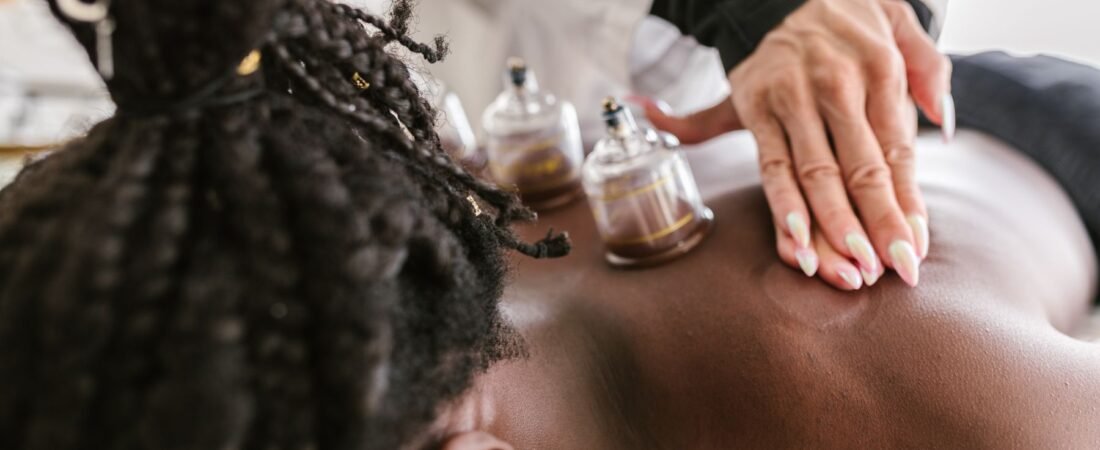
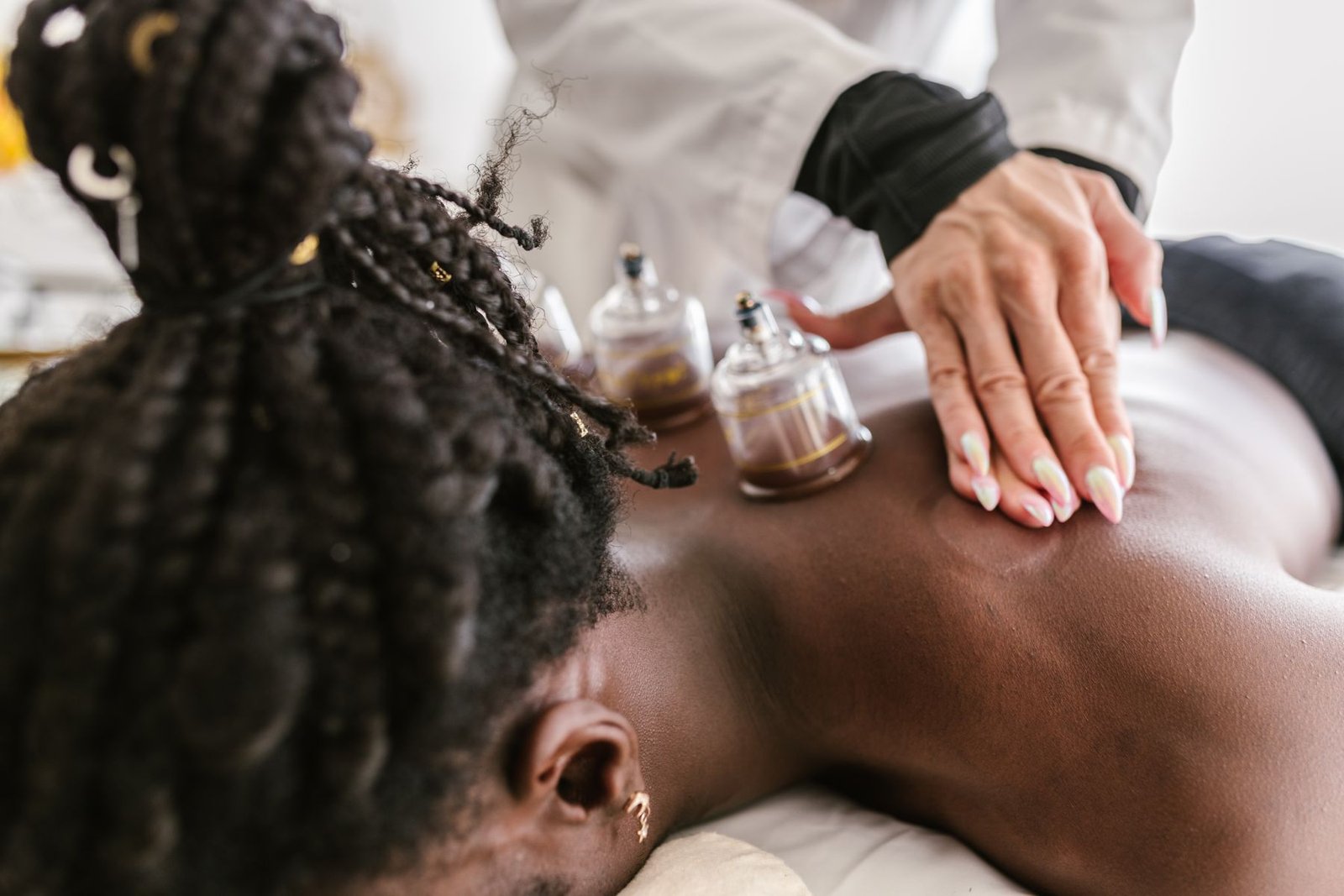
Cupping involves placing special cups, traditionally glass but more commonly silicone or plastic in a sports setting, onto the skin and creating suction, either by heating the cup beforehand or using a hand pump. That suction draws the skin and underlying soft tissue up into the cup, which is the opposite pulling direction to a typical massage stroke that pushes down and across the tissue.
It’s worth being clear that what most sports clinics offer is dry cupping, suction only, rather than the wet cupping practised in some traditional settings, which involves small skin incisions and is not something offered in a sports rehab context in the UK. Dry cupping is what people generally mean when they talk about the marks visible on athletes at major competitions, and it’s the form this article focuses on throughout.
The general mechanism practitioners describe is that this suction increases local blood flow to the area, which is thought to support the delivery of oxygen and nutrients to tissue and help clear some of the metabolic byproducts that build up after hard training. There’s also a proposed effect on the fascia, the connective tissue that surrounds muscles, with the idea being that the lifting action helps release tightness or restrictions in that layer, and some practitioners suggest it may temporarily reduce the sensation of tightness by affecting how the nervous system perceives that area. It’s worth being upfront that some of this mechanism is better established than others, the blood flow increase is fairly well documented, while the fascial-release and nervous-system explanations are more theoretical and less consistently measured across studies.
What Athletes Actually Use Cupping For
In practice, most athletes and active people who use cupping are after one of two things, muscle tightness relief or general recovery support after hard training. It’s commonly worked into a broader in-season or pre-competition routine alongside sports massage and physiotherapy, rather than being used as a standalone treatment for anything specific.
People training in combat sports, including BJJ and grappling, often report finding it particularly useful for the kind of deep, generalised muscle tightness that comes from repeated heavy gripping, driving, and positional work, areas that don’t always respond as predictably to standard massage strokes alone. It’s also commonly used simply to support how a muscle feels day to day during a demanding training block, rather than as a treatment aimed at a specific diagnosed injury.
What The Evidence Actually Shows About Cupping
This is the part most articles about the purpose of cupping either oversell or dismiss entirely, and neither extreme is honest. The genuinely useful distinction the research draws is between subjective measures and objective ones, and it’s a distinction worth understanding properly rather than lumping cupping into a single “does it work” verdict.
On the subjective side, several of the more comprehensive studies on cupping in athletic populations suggest it may meaningfully help with how sore a muscle feels, how tired someone feels after a session, sleep quality, and general perceived wellness. Many people genuinely do report feeling less tight and more comfortable after a session, and that subjective benefit shouldn’t be waved away just because it’s harder to measure with a machine.
On the objective side, the picture is considerably weaker. When researchers look at measurable outcomes, athletic performance, strength restoration, or how quickly someone returns to full training, cupping hasn’t reliably shown it moves the needle. For musculoskeletal pain specifically, including back and neck pain in a sporting context, reviews have found the evidence for cupping being genuinely effective is weaker still. Some research has also looked specifically at delayed onset muscle soreness, the deep ache that typically peaks a day or two after unusually hard training, and found cupping may modestly ease how that soreness feels without necessarily changing how quickly the underlying tissue actually repairs itself.
In our experience, the honest way to frame cupping is as a tool that can support how you feel during recovery, not one that will measurably speed up healing or boost your numbers. This matters because it changes what a reasonable expectation looks like going in, cupping is genuinely worth trying if you want to feel less tight and support your general recovery routine, but it isn’t a substitute for proper rehab if you’re managing an actual injury, and it won’t turn an average training block into a personal best on its own.
What A Cupping Session Typically Involves
A typical session starts with a brief conversation about which areas feel tight or are giving you trouble, followed by the cups being applied to those areas for anywhere from a few minutes up to around fifteen or twenty, sometimes left static in one spot and sometimes moved slowly across the skin in what’s called gliding or dynamic cupping. A third, lighter variation, sometimes called flash cupping, involves the cup being applied and removed repeatedly in quick succession rather than left in place, and some practitioners use this as a gentler introduction for a first-time client. The sensation is usually described as a strong pulling or tight feeling rather than pain, and most people find it tolerable, though the first session can feel unusual if you’ve never experienced suction-based treatment before.
Aftercare is genuinely simple. The circular marks cupping leaves, which range from light pink to a deeper purple depending on how much local blood pooled under the suction, typically fade within a few days to around a week and aren’t bruises in the traditional sense, though they can look dramatic in photos. Staying hydrated afterward and avoiding intense training on the treated area for the rest of that day is generally sensible, and mild tenderness in the treated spots for a day or so is common and expected.
Who Cupping Tends To Suit
Cupping tends to suit people dealing with general muscle tightness, ongoing training-related soreness, or those already engaged in a broader rehab or recovery plan who want an additional tool for how their muscles feel day to day. It’s a reasonable option for combat-sports athletes and gym-goers alike who find their usual recovery routine isn’t quite cutting through persistent tightness in specific areas.
It suits people less well if they’re expecting it to replace proper injury diagnosis or treatment, or if they’re hoping for a measurable performance boost rather than a comfort-and-recovery benefit. Certain skin conditions, blood clotting issues, or being on blood-thinning medication are worth flagging to your practitioner beforehand, since cupping isn’t appropriate for everyone. Pregnant clients and people with very fragile or thin skin should also discuss this specifically with their practitioner before booking, since the suction can be more likely to cause discomfort or marking in these circumstances.
What To Expect When You Book Cupping With Impact Sports Rehab
At Impact Sports Rehabilitation, cupping is offered as part of a genuinely considered treatment approach rather than a one-size-fits-all add-on. Your practitioner will talk through what you’re hoping to get out of it, check for anything that would make cupping unsuitable, and target the areas that are actually giving you trouble rather than applying it generically. It’s often combined with sports massage or worked into a broader rehabilitation consultation where it makes sense alongside other treatment, particularly for clients managing ongoing training loads from combat sports, running, or general strength work.
If muscle tightness or training soreness has you curious about cupping, Impact Sports Rehabilitation works with clients across Eccles, Trafford, and Salford on genuinely tailored recovery support. Ask about an online consultation if you’re further afield.
Frequently Asked Questions
Does cupping actually work, or is it basically a placebo?
The honest answer is somewhere in between. Many people genuinely do notice less muscle tightness and better perceived recovery after cupping, but the evidence for it improving measurable things like strength or performance is much weaker, so it’s best thought of as a genuine comfort-and-recovery tool rather than a performance enhancer.
Will cupping leave bruises, and do they hurt?
The marks cupping leaves aren’t bruises in the traditional sense, they come from local blood being drawn to the surface by the suction, and they typically fade within a few days to a week. Most people describe mild tenderness rather than genuine pain in the treated area afterward.
How many cupping sessions will I typically need?
This varies by individual and what you’re using it for, some people find benefit from a single session before a competition, while others build it into a regular recovery routine every few weeks. Your practitioner can talk through a sensible plan based on your specific training and recovery needs.
Can cupping help with a specific injury I already have?
Cupping is best thought of as supporting general muscle tightness and recovery rather than treating a specific diagnosed injury on its own. If you’re dealing with a particular injury, it’s worth getting that properly assessed first so cupping can be used as part of a broader plan rather than a standalone fix.
Is cupping safe for everyone to try?
Most healthy adults tolerate cupping well, but certain skin conditions, clotting disorders, or blood-thinning medication can make it unsuitable, so it’s worth mentioning any relevant health history to your practitioner beforehand. If you’re ever unsure whether cupping is appropriate for you, checking with a doctor or your treating clinician first is a sensible step.
This article is provided for general educational purposes by Impact Sports Rehabilitation and does not constitute medical advice, diagnosis, or treatment. Cupping’s evidence base is mixed, and it does not cure or resolve any specific medical condition. Always seek the guidance of a doctor or other qualified health provider with any questions about your specific symptoms before starting cupping or any new treatment.