Quick answer: Research on whether acupuncture works for sports injuries suggests it may help with short-term pain relief and recovery from dysfunction, particularly for lower-body injuries with an inflammatory component, but the overall evidence base is still evolving and largely built on weaker study designs. Most of the genuine benefit shows up when acupuncture is used alongside other rehab work, not as a standalone fix. It’s not a treatment that will diagnose or resolve a specific injury on its own.
If you train in a sport where niggles and overuse injuries are part of the territory, you’ve probably heard mixed opinions on acupuncture, some swear by it, others dismiss it entirely. So does acupuncture actually work for sports injuries, or is it just needles and placebo? Here’s an honest, evidence-grounded look at what the research genuinely shows.
What Current Research Generally Says About Acupuncture
The honest starting point is that acupuncture research for sports injuries is genuinely mixed rather than settled. There is evidence supporting acupuncture as a useful treatment for sports injuries that involve inflammation and pain, particularly in the lower extremities, with researchers suggesting this relates to both an analgesic, pain-reducing effect and improvements in local blood flow to the treated area.
Where the evidence gets weaker is in study quality. A lot of the available research comes from case reports and case series rather than large, tightly controlled clinical trials, and that matters because case reports can’t rule out a placebo effect or the simple fact that many injuries improve somewhat on their own over time regardless of treatment. Reviewers looking at this body of research have been fairly consistent in flagging that stronger, better-designed trials are still needed before firmer conclusions can be drawn.
It’s also worth being clear that acupuncture research tends to cluster around certain injury types more than others. Most of the available evidence looks at pain and inflammation-driven presentations rather than acute structural injuries like complete ligament tears or fractures, which is a genuinely important distinction, the research doesn’t really speak to whether acupuncture helps with the kind of injury that needs surgical or highly structured rehab input from the outset.
Which Sports Injuries Acupuncture Is Most Commonly Used Alongside
In practice, acupuncture tends to be used as a complement to other rehab work rather than a standalone treatment, and it’s most commonly reached for alongside conditions with a clear inflammatory or pain component. Research has looked at its use alongside conditions such as lateral meniscus issues, hip impingement-type pain, and sports hernia, generally as one part of a broader, multimodal treatment plan rather than the sole intervention.
At Impact Sports Rehabilitation, acupuncture and dry needling are often worked into a plan alongside sports massage, cupping, or Rocktape taping, particularly for clients managing ongoing training-related pain from combat sports, running, or grappling, where a multimodal approach tends to be more realistic than expecting any single treatment to do all the work.
Why Acupuncture Is Genuinely Hard To Study Properly
This is the part most articles about whether acupuncture works skip over, and it’s genuinely useful context. Acupuncture is difficult to test with the same gold-standard placebo-controlled design used for medications, because it’s hard to create a convincing “fake” acupuncture that a participant can’t tell apart from the real thing, unlike a sugar pill that looks identical to the real medication.
Researchers have tried various workarounds, retractable “sham” needles that don’t actually pierce the skin, or needling at non-traditional points, but each comes with its own limitations, and some evidence suggests even sham acupuncture may produce a modest effect, which muddies the comparison further. There’s also the practical problem that a practitioner delivering acupuncture can’t be “blinded” to what they’re doing the way a pharmacist dispensing an unlabelled pill can, which introduces another layer of potential bias that’s genuinely difficult to design around in a real clinical trial.
Understanding this genuinely changes how you should read “the evidence is mixed” headlines, it’s not necessarily that acupuncture does nothing, it’s that proving precisely how much of its effect is specific to the treatment itself, versus touch, attention, and expectation, is a genuinely difficult research problem that most competing articles don’t explain. That nuance matters if you’re deciding whether to try it, a mixed evidence base built on a genuinely hard-to-study treatment is a different proposition to a mixed evidence base built on a treatment that’s simply been tested thoroughly and found wanting.
What A Typical Acupuncture Session For A Sports Injury Involves
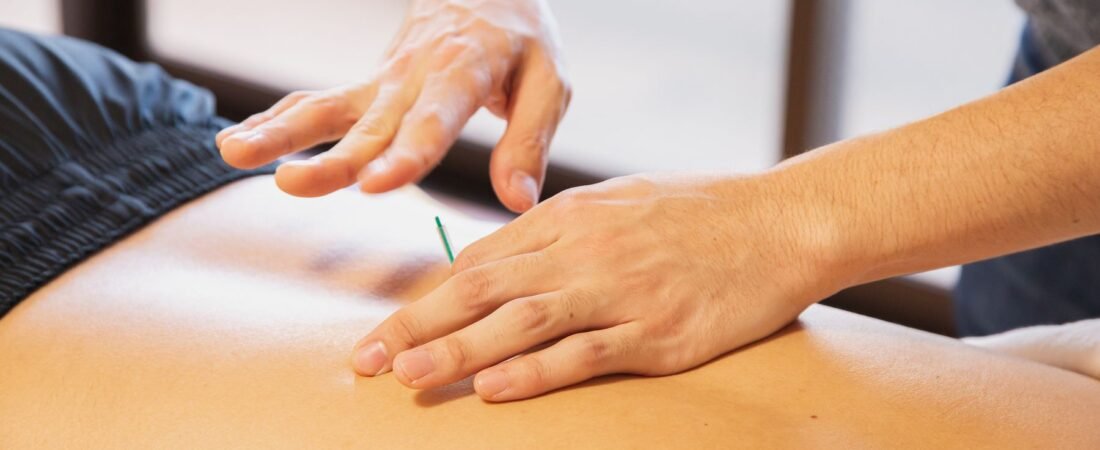
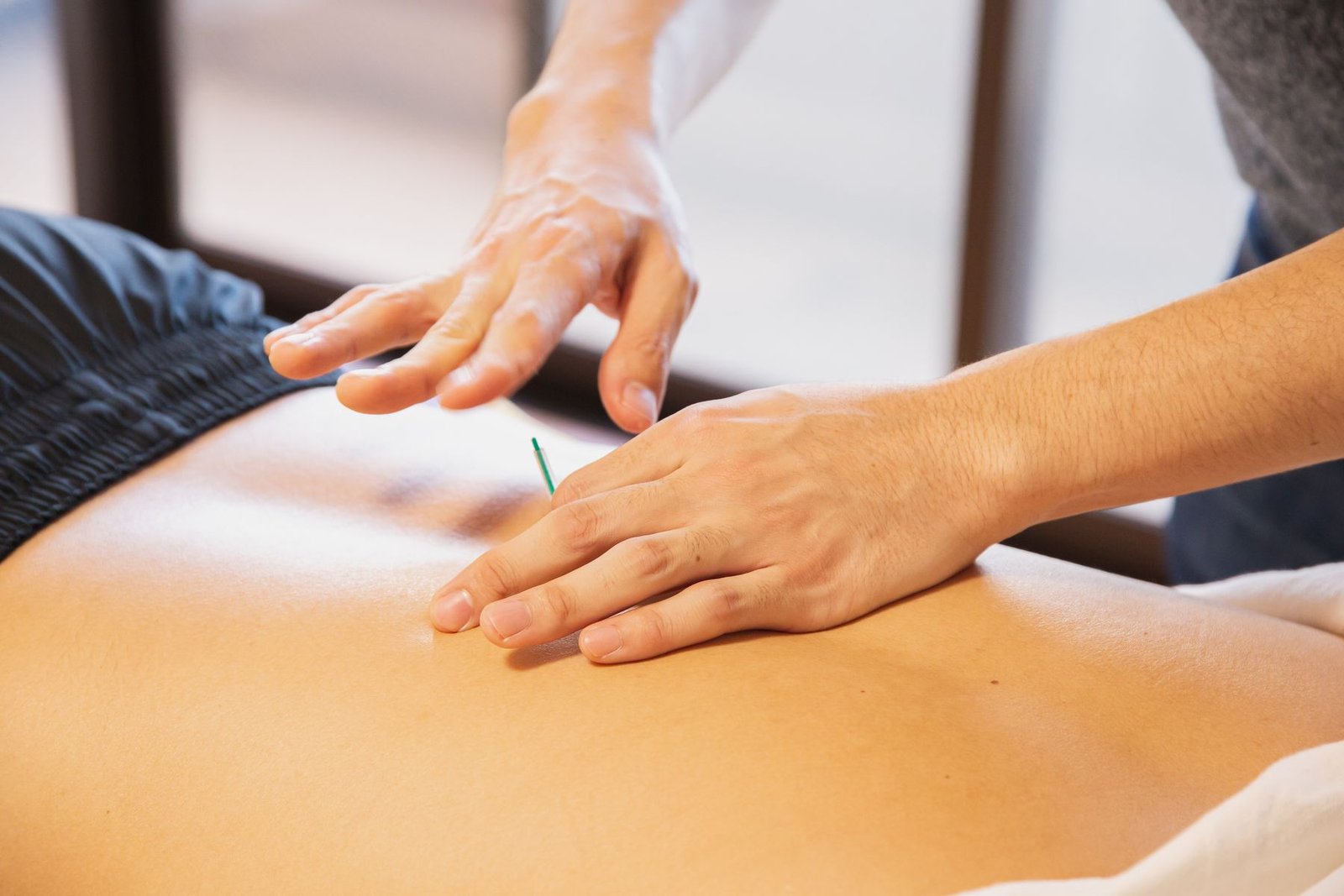
A typical session starts with a conversation about your training, the specific area giving you trouble, and your general health history, since certain conditions and medications can affect whether acupuncture is appropriate. Thin, sterile, single-use needles are then inserted at specific points, sometimes at the site of pain and sometimes at points along the body thought to relate to that area, and left in place for somewhere between ten and thirty minutes.
Most people describe the sensation as a brief pinprick followed by a dull ache, tingling, or heaviness rather than sharp pain, and many find the session itself genuinely relaxing. Dry needling, which Impact Sports Rehabilitation also offers, is a related but distinct technique that targets specific muscular trigger points rather than traditional acupuncture points, and your practitioner can talk through which approach suits your specific presentation.
When Acupuncture Is Not An Appropriate Substitute For Proper Rehab
It’s worth being direct about this, acupuncture is not a substitute for proper diagnosis, and it’s not going to fix a structural problem, like a genuine ligament tear or a fracture, on its own. Where it tends to fall short is when it’s used as the only intervention for an injury that actually needs a staged rehab programme, graded loading, or in some cases a referral for imaging or specialist input.
If you experience worsening pain, numbness, swelling, or any symptom that concerns you, that’s a sign to seek professional assessment rather than continuing with acupuncture alone. Many people find it works best as one part of a broader plan, addressing the pain and tightness side of things, while rehab exercise and load management address the underlying mechanical cause.
A useful way to think about it is that acupuncture can genuinely help you feel better while the actual rehab work does the heavier lifting of correcting whatever mechanical or load-related issue caused the injury in the first place. Relying on it as the sole treatment for something like a recurring tendon issue or an unstable joint, without ever addressing the underlying strength or movement pattern, tends to mean the same problem keeps coming back regardless of how many sessions you have.
Who Might Benefit From Trying Acupuncture Alongside Rehab
Acupuncture tends to suit people managing ongoing pain or tightness related to training, particularly where inflammation seems to be a factor, and who are already engaged in, or about to start, a broader rehab plan rather than looking for it to be a standalone cure. It’s also a reasonable option for combat-sports athletes dealing with the kind of cumulative, low-grade overuse discomfort that’s common in BJJ and grappling, where a multimodal approach genuinely tends to help more than any single tool.
It’s less likely to be the right first step for a fresh, acute, traumatic injury that hasn’t been properly assessed yet, or for anyone hoping it will diagnose what’s actually wrong. In those situations, starting with a proper assessment makes more sense than starting with treatment. Anyone with needle phobia, certain skin conditions, a pacemaker, or who is on blood-thinning medication should also flag this to their practitioner beforehand, since it affects whether or where needling is appropriate.
What To Expect When You Book With Impact Sports Rehab
At Impact Sports Rehabilitation, acupuncture and dry needling are offered as part of a genuinely considered approach, not a default add-on. Your practitioner will talk through your training history, what’s actually going on with the affected area, and whether acupuncture makes sense alongside other treatment such as a rehabilitation consultation, sports massage, or Rocktape taping, rather than in isolation.
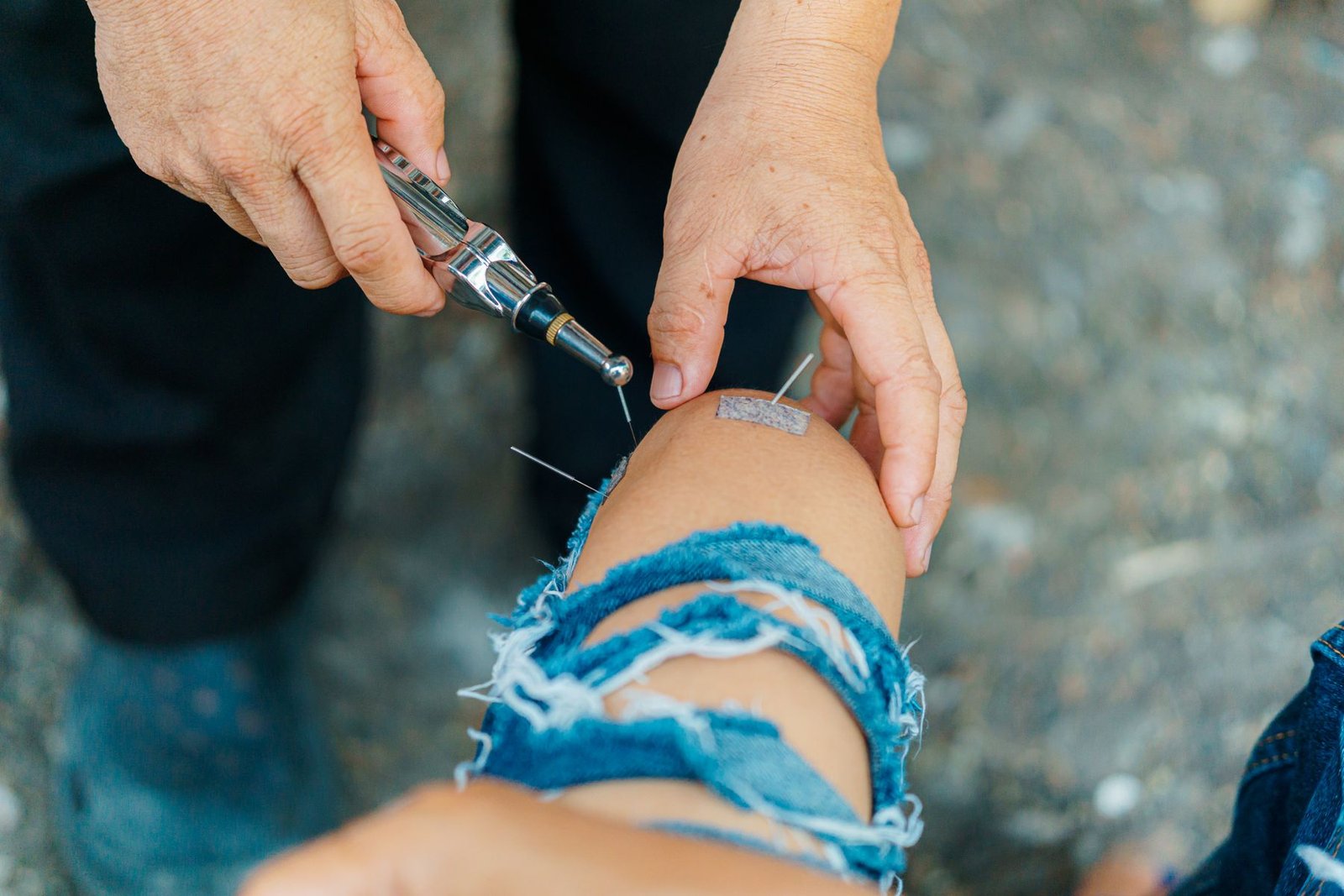
If ongoing training pain has you wondering whether acupuncture could help, Impact Sports Rehabilitation works with clients across Eccles, Trafford, and Salford on genuinely tailored assessment and treatment. Ask about an online consultation if you’re further afield.
Frequently Asked Questions
Does acupuncture actually work, or is it just placebo?
It’s genuinely hard to say with total certainty, since acupuncture is difficult to study with a true placebo control, but research does suggest a real analgesic effect for pain and inflammation in many people, beyond what a placebo alone would explain. In our experience, it tends to work best as part of a broader plan rather than a standalone answer.
Does acupuncture hurt?
Most people describe it as a brief pinprick followed by a dull ache, tingling, or heaviness rather than sharp pain, and many find sessions genuinely relaxing. If a specific point feels more uncomfortable than expected, tell your practitioner, since needle placement can usually be adjusted.
How many sessions will I typically need?
This varies by individual and what you’re treating, some people notice benefit after one or two sessions, while others use it as an ongoing part of managing training-related pain over several weeks. Your practitioner can talk through a realistic plan based on your specific situation.
Can acupuncture treat my injury on its own without other rehab?
For most genuine sports injuries, acupuncture works best alongside other treatment rather than as a standalone fix, particularly if there’s an underlying mechanical or structural issue that needs proper rehab. We’d recommend a full assessment first so acupuncture, if used, is part of an actual plan rather than the only tool.
Is acupuncture safe, and could it make my injury worse?
Acupuncture performed by a trained practitioner using sterile, single-use needles is generally considered safe for most people, though it isn’t appropriate for everyone, certain medical conditions and medications are worth flagging beforehand. If you experience worsening pain, numbness, or swelling at any point, stop and seek professional advice rather than continuing to self-manage.
This article is provided for general educational purposes by Impact Sports Rehabilitation and does not constitute medical advice, diagnosis, or treatment. Acupuncture’s evidence base is mixed and evolving, and it does not cure or resolve any specific injury. Always seek the guidance of a qualified physiotherapist, sports therapist, or doctor for individual assessment and diagnosis before starting any new treatment, especially following an injury.