Quick answer: Inside knee pain, felt on the inner side closest to your other leg, genuinely responds best to a combination of sensible early-phase management, progressive strengthening of the quadriceps and hip, and honest activity modification rather than passive treatments alone. Several commonly recommended treatments have surprisingly weak evidence behind them despite sounding helpful. Self-treatment works for a lot of cases, but persistent, significant, or worsening pain, or any locking or instability, needs proper clinical assessment.
If you’ve already tried a few things for your inside knee pain, rest, maybe some stretching, and you’re still dealing with it, you’re probably past wanting another explanation of anatomy and causes. Fair enough, our Inner Knee Pain guide covers that ground if you want it, and our Medial Knee Pain complete guide covers the fuller range of causes. This is the practical, no-nonsense version, what genuinely helps in the first few days, what builds real long-term strength, which commonly recommended treatments are honestly overrated, and when it’s time to stop self-treating and get a proper assessment.
What Genuinely Helps In The First Few Days
In the first few days, the goal is calming things down without going overboard on rest. Relative rest, cutting out whatever specifically aggravates the inner knee while still moving normally through your day, tends to work better than sitting completely still, which can actually leave the joint stiffer and slower to recover.
Ice in short sessions during the first 48 to 72 hours, along with gentle compression and keeping the leg elevated when you’re sitting, genuinely help manage swelling and discomfort for a lot of people. Gentle, pain-free range-of-motion movement, simply moving the knee through a comfortable arc a few times a day, helps prevent stiffness from setting in without stressing the structures that are actually irritated. None of this needs to be complicated, it’s really about staying sensibly active rather than either pushing through pain or avoiding all movement entirely.
Sleep and daily habits matter more than people expect in this early window too. A pillow between the knees if you sleep on your side can genuinely reduce overnight irritation, and being a little more deliberate about how you get up from low chairs or out of a car, avoiding a sudden twisting push through the inner knee, helps avoid small repeated aggravations that quietly slow the settling-down process without you necessarily noticing why.
Strengthening Work That Addresses The Root Cause
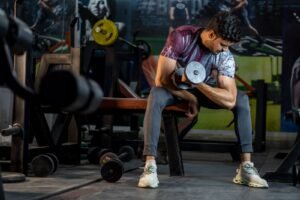
Once the acute discomfort has calmed down, strengthening work is genuinely where most of the real progress happens, and quadriceps strength is a good place to start, since a stronger thigh takes meaningful pressure off the structures at the inner knee during everyday movement. Straight-leg raises and controlled mini-squats are typical early exercises here, progressing toward fuller-range squats and step-ups as tolerance improves.
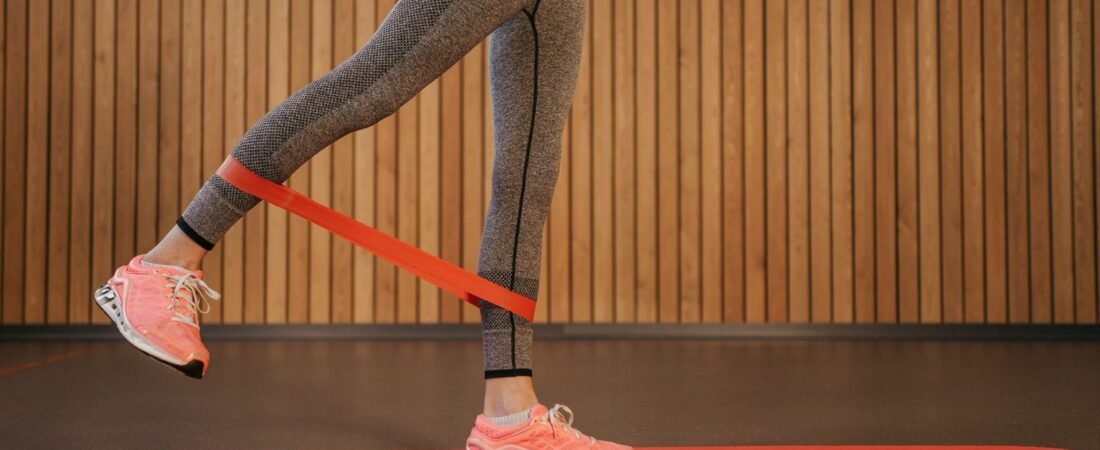
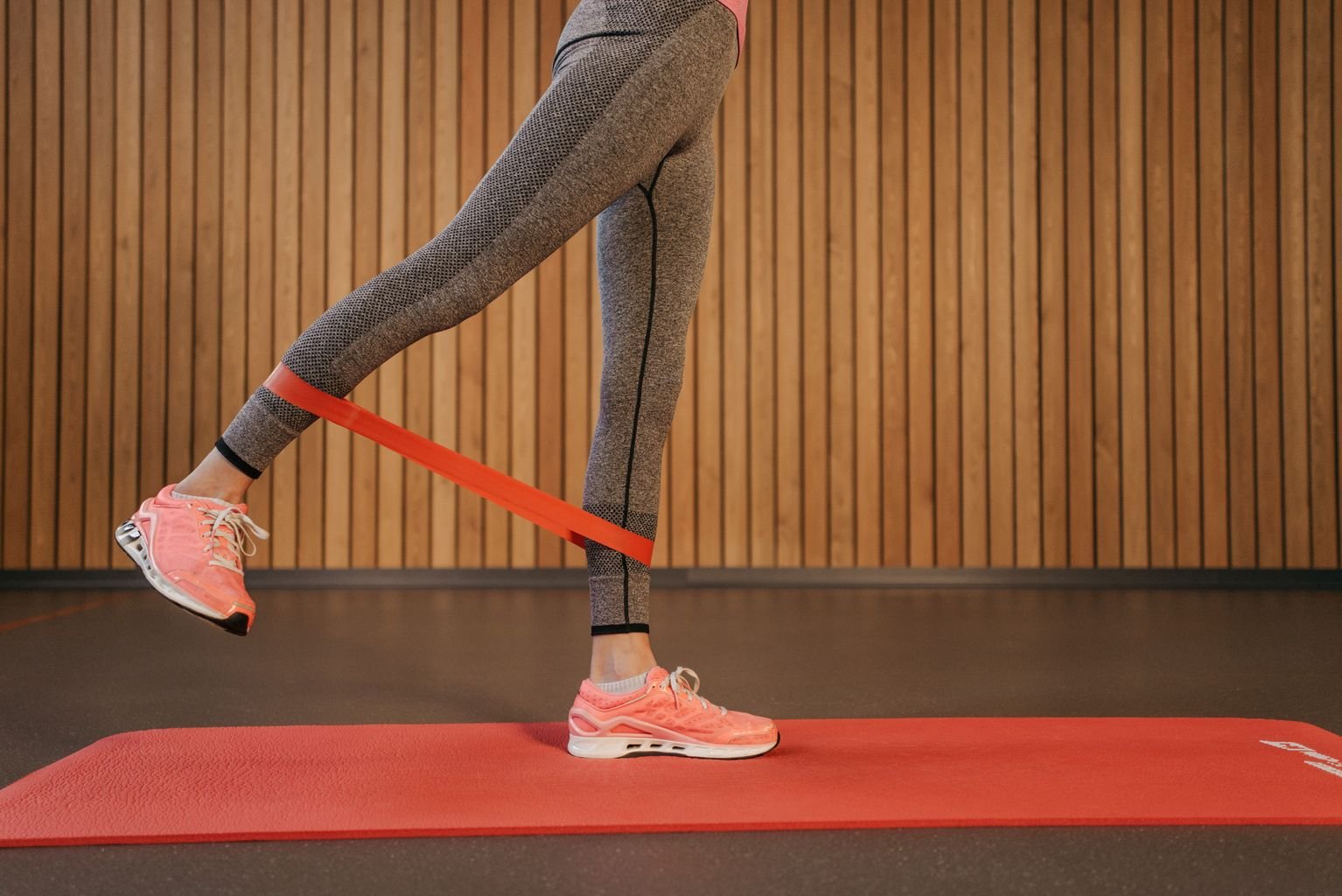
Hip strength, particularly the muscles that control how your leg tracks during single-leg movement, matters more than most generic knee advice gives it credit for. Weakness through the hip can change the angle your knee moves through during walking, running, and stairs, putting more strain on the inner knee than a stronger hip would allow. Targeted hip work, things like side-lying leg raises and controlled single-leg balance exercises, genuinely addresses a root contributor that a lot of inside knee pain advice skips over entirely in favour of just focusing on the knee itself.
Activity Modifications That Actually Make A Difference
Modifying activity doesn’t have to mean stopping everything, and for most people it shouldn’t. Reducing the volume or intensity of whatever specifically aggravates your inner knee, rather than cutting activity out entirely, tends to keep you moving while still giving the knee room to settle. For runners, this might mean shorter distances or flatter routes for a while rather than stopping running altogether. For anyone doing a lot of squatting or kneeling at work, breaking that activity into shorter stretches with more frequent breaks can make a genuine difference.
Footwear is worth a mention too, since worn-out or unsupportive shoes can subtly change how load travels through your knee during walking and running, and it’s a genuinely easy thing to overlook when troubleshooting ongoing knee pain. Training surfaces matter as well, a sudden switch from a soft gym floor to hard pavement, or vice versa, changes the load pattern through the knee more than most people account for, and easing into a surface change gradually rather than all at once is a genuinely useful, low-effort modification.
Treatments That Sound Helpful But Usually Aren’t
Most inside knee pain articles list a generic mix of treatments without being honest about which ones actually have decent evidence behind them, so here’s a more candid take. Knee braces or sleeves for general, undifferentiated inner knee pain have fairly limited evidence beyond some short-term proprioceptive benefit, some people find they help them feel more confident moving, but they’re not doing much structurally and shouldn’t be relied on as a fix on their own.
Passive treatments like ultrasound therapy, used in isolation without any accompanying strengthening work, also have a notably weak evidence base for genuinely improving outcomes, despite sounding like a proper clinical treatment. Foam rolling can feel good and may temporarily ease muscle tightness around the knee, but treating it as a standalone solution rather than a small adjunct to actual strengthening work tends to leave the underlying issue, usually a strength or loading problem, completely unaddressed. The honest pattern across most of these is that anything purely passive, done to you rather than actively building strength and control, tends to underdeliver compared to what a proper progressive strengthening plan achieves. That doesn’t mean these tools have zero place at all, taping or a brief period of taping-assisted loading can genuinely help some people feel confident enough to start moving again, it just means they work best as a small supporting piece alongside real strengthening work, not as the main plan on their own.
How Sports Rehab Builds A Plan That Actually Works
Generic advice only goes so far, because inside knee pain genuinely varies a lot in its underlying cause from person to person. At Impact Sports Rehabilitation, a Rehabilitation Consultation starts with identifying what’s actually driving your specific pain, rather than applying a one-size-fits-all inner knee protocol, then builds a strengthening plan around that specific finding.
This individualised approach is exactly why some people try a stack of generic advice for weeks with little progress, then see a genuine shift once the plan is actually matched to what’s going on in their knee specifically, rather than a checklist of treatments that sound reasonable in general but aren’t targeted at their actual issue.
Rocktape taping and sports massage are sometimes used alongside the strengthening programme too, as supportive tools once a clinician has assessed what’s actually going on, rather than a replacement for the strength work itself. The plan is built around your progress specifically, adjusting the pace of strengthening based on how the knee is genuinely responding rather than following a fixed generic timeline.
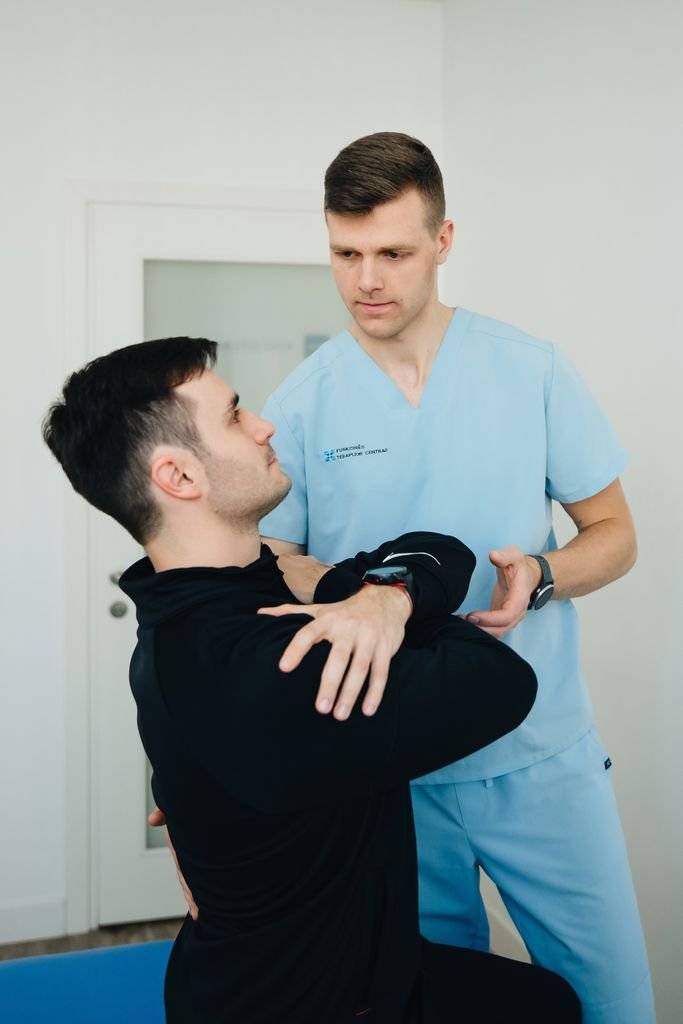
When Self-Treatment Isn’t Cutting It
Plenty of inside knee pain does respond well to the sensible self-management covered above, so there’s no need to rush to a clinic for every twinge. That said, a few signs mean it’s time to stop self-treating. Pain that isn’t improving after a genuinely reasonable period of consistent effort, rather than a few half-hearted days, is worth flagging.
Locking, catching, or a real sense of the knee giving way point toward something more specific going on structurally that self-treatment alone isn’t going to resolve, and pushing on with the same home exercises regardless tends to waste time rather than genuinely help. Significant or worsening pain, real difficulty weight-bearing, or pain that keeps returning every time you try to resume normal activity are all reasonable points to get a proper assessment rather than continuing to cycle through the same self-treatment without knowing why it isn’t sticking. If your pain specifically happens or worsens during the actual movement of bending and straightening the knee, our dedicated guide on that exact pattern goes into more targeted detail than general inside knee pain advice can.
If you’ve tried the sensible self-treatment steps and your inside knee pain still isn’t shifting, Impact Sports Rehabilitation works with everyday athletes and active people across Eccles, Salford, Trafford, and the wider Greater Manchester area on building a plan that’s actually matched to your knee. Ask about an online consultation if you’re further afield.
Frequently Asked Questions
I’ve been resting for weeks and it’s still not better, what am I doing wrong?
Extended rest without any strengthening work is a genuinely common reason inside knee pain doesn’t fully resolve, since the underlying strength or loading issue is still there once you return to activity. Many people find that shifting from pure rest to a guided strengthening approach makes a real difference at exactly this stage.
Do knee braces actually help inside knee pain?
For general, undifferentiated pain, the evidence for braces is fairly limited beyond some people finding them reassuring to move in, so they’re not something to rely on as your main treatment. A proper strengthening plan tends to make a more meaningful difference long term.
Is it normal for my inside knee pain to come back after I feel better?
This often points toward the underlying strength or loading issue not being fully addressed, rather than the original problem never actually resolving. A staged strengthening progression, continued past the point symptoms first settle, tends to reduce how often this happens.
Should I be doing squats if my inner knee hurts?
Often yes, in a modified or controlled form appropriate to your current tolerance, since squatting strength is genuinely part of what protects the inner knee long term. In our experience, avoiding squats entirely for too long can actually slow progress rather than help it.
How do I know if it’s worth paying for a proper assessment instead of just continuing to self-treat?
If you’ve genuinely given sensible self-treatment a fair go, meaning consistent effort over a reasonable period, and it’s not shifting, that’s usually a good sign it’s worth getting properly assessed. Impact Sports Rehabilitation can help identify what’s actually going on rather than you continuing to guess.
This article is provided for general educational purposes by Impact Sports Rehabilitation and does not constitute medical advice, diagnosis, or treatment. Inner knee pain has several possible causes, and general advice here is not a substitute for a proper diagnosis; significant, persistent, or worsening pain, or any locking or instability, should be assessed by a qualified clinician. Always seek the guidance of a doctor or other qualified health provider with any questions about your specific condition.