

Quick answer: Inner knee pain, felt on the side of the knee closest to your other leg, usually involves the MCL, the medial meniscus, or one of the tendons crossing that area, since these are the structures that take the most load there. It’s rarely one single obvious cause, and how the pain started and behaves gives real clues about what’s likely going on. Most inner knee pain settles well with the right approach, though persistent, worsening, or mechanical symptoms like locking deserve a proper look rather than guesswork.
Noticed a new ache on the inner side of your knee and want to understand what’s actually going on before diving into anything more detailed? That’s exactly what this guide is for. Rather than a long list of possible diagnoses that mostly just adds to the confusion, here’s a simple, honest starting point for understanding what’s on the inside of your knee, why this particular area is so prone to pain, and how to know when it’s worth getting looked at properly.
What’s Actually On The Inside Of Your Knee
Think of the inside of your knee as having three main players. First, the MCL, medial collateral ligament, a strong band running from your thighbone to your shinbone along the inner side, acting a bit like a seatbelt that stops your knee bending too far inward. Second, the medial meniscus, a C-shaped piece of cartilage that sits between your thighbone and shinbone, cushioning the joint and helping it move smoothly, a bit like a shock absorber tucked between two moving parts.
Third, a group of tendons from muscles in your inner thigh, sometimes referred to together as the pes anserine, cross over this same area lower down near the top of your shinbone. All three of these structures sit close together, which is exactly why inner knee pain can come from more than one place and why pinpointing the exact source usually needs more than just knowing roughly where it hurts.
It’s worth also knowing that the knee joint itself, the actual bone-on-bone surfaces underneath the cartilage, can contribute to inner-side pain too, particularly in older adults or anyone with a history of previous knee injury on that side. This is less common as a first cause in younger, active people, but it’s part of the fuller picture worth being aware of rather than assuming the ligament or meniscus is automatically to blame at any age.
Why This Area Is So Prone To Pain
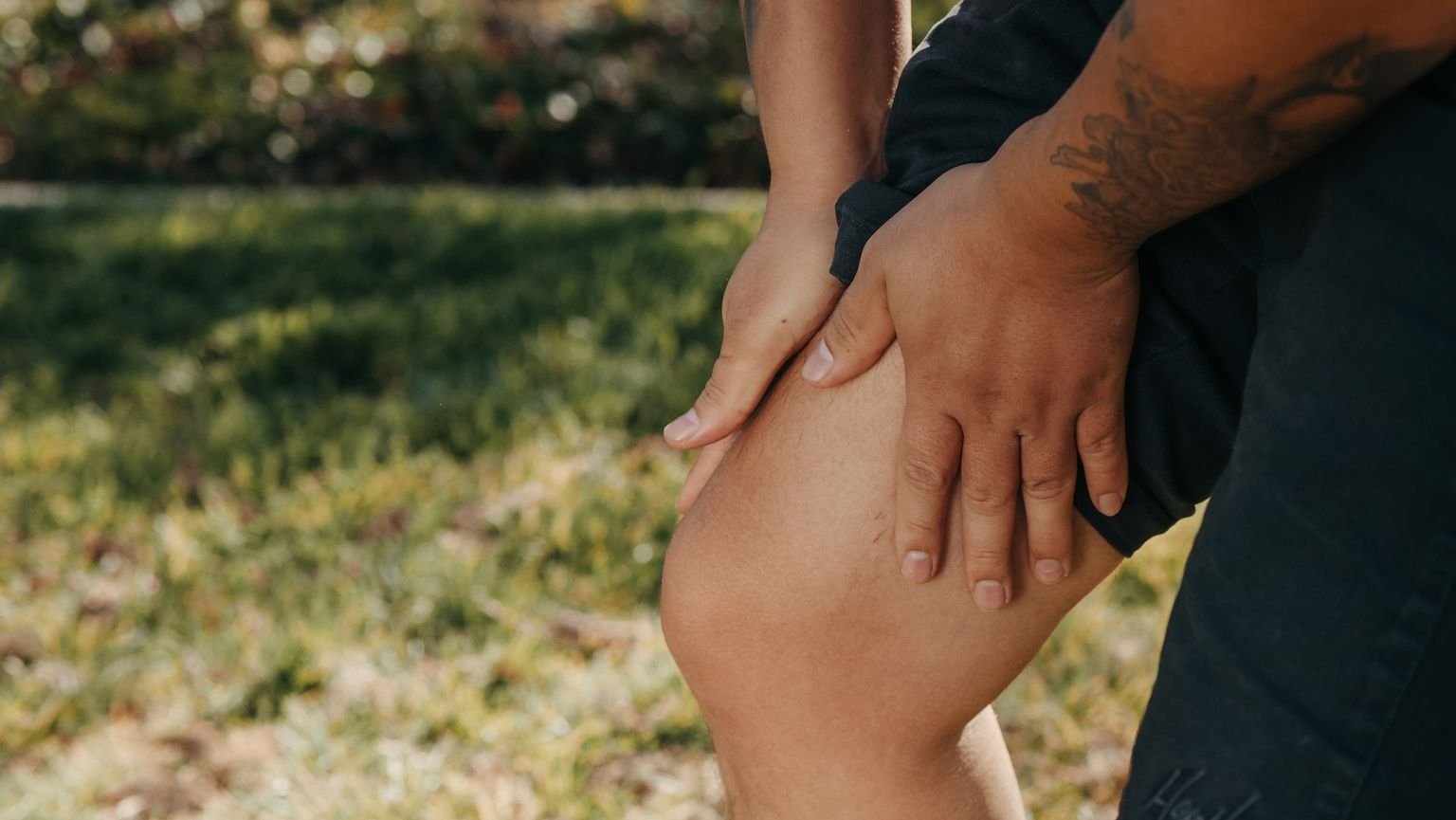
The inner knee takes on a genuinely significant amount of load during everyday movement, not just sport. Walking, climbing stairs, squatting, and pivoting all put stress through this side of the joint, and any twisting or sideways movement, especially under load, asks a lot of these structures specifically. This is part of why inner knee pain is so common across such a wide range of people, from footballers taking a knock to the outside of their leg, to runners simply logging a lot of repetitive miles, to people who’ve done nothing more dramatic than an awkward twist getting out of a car.
Because the MCL, meniscus, and tendons in this area all respond to slightly different types of stress, a direct blow, a twisting movement, or repetitive overuse, the same general location can end up hurting for genuinely different reasons depending on how the pain actually started.
Body mechanics play a role too. How your knee tracks during movement, influenced by hip and ankle alignment as much as anything happening at the knee itself, can shift more load onto the inner side for some people than others, even during identical activities. This is one of the reasons two people doing the same sport or the same job can end up with quite different experiences of inner knee pain, and it’s part of why a genuinely individual assessment tends to be more useful than a generic one-size-fits-all explanation.
The Simplest Way To Think About What Might Be Going On
Most inner knee pain content jumps straight into a long list of possible diagnoses, which tends to overwhelm rather than help when you’re just trying to get your bearings. Here’s a simpler way to think about it instead: ask yourself whether the pain started suddenly, during a specific moment or movement, or whether it built up gradually over time without one clear trigger.
Sudden-onset pain, especially from a twist, a pivot, or contact to the knee, more often points toward the MCL or meniscus reacting to that specific moment of stress. Gradually building pain, without a clear single trigger, more often points toward overuse-related irritation, commonly involving the tendons crossing the inner knee or general joint strain from repetitive load. This isn’t a diagnosis, it’s just a genuinely useful starting mental model for making sense of your own symptoms before anything more detailed.
A second useful question worth asking yourself is whether the pain stays fairly constant regardless of what you’re doing, or whether it clearly changes with specific movements, like bending the knee deeply, straightening it fully, or twisting under load. Pain that shifts noticeably with particular movements tends to point toward a more mechanical cause, something physically catching or being compressed at a certain point in the knee’s range, while pain that stays roughly the same throughout the day regardless of movement leans more toward general inflammation or irritation rather than a specific mechanical trigger.
Signs This Needs More Than A Wait-And-See Approach
Plenty of inner knee pain does settle with some sensible rest and a gradual return to activity, so a wait-and-see approach genuinely isn’t wrong for mild, recent discomfort. That said, a few signs mean it’s worth getting a proper look rather than continuing to wait. Persistent pain that isn’t improving after a reasonable period, or pain that’s getting worse rather than better, is worth flagging.
Locking, catching, or a sensation of the knee giving way are mechanical symptoms that suggest something more specific may be going on structurally, and they’re genuinely worth having assessed rather than pushed through. An inability to weight-bear properly, or significant swelling that develops quickly, are also signs that this has moved beyond simple wait-and-see territory. Pain that keeps returning every time you try to resume normal activity, even after a period of apparent improvement, is another pattern worth having looked at rather than repeatedly restarting the same cycle of rest and flare-up without knowing why it keeps happening.
How Sports Rehab Can Help You Understand What’s Happening
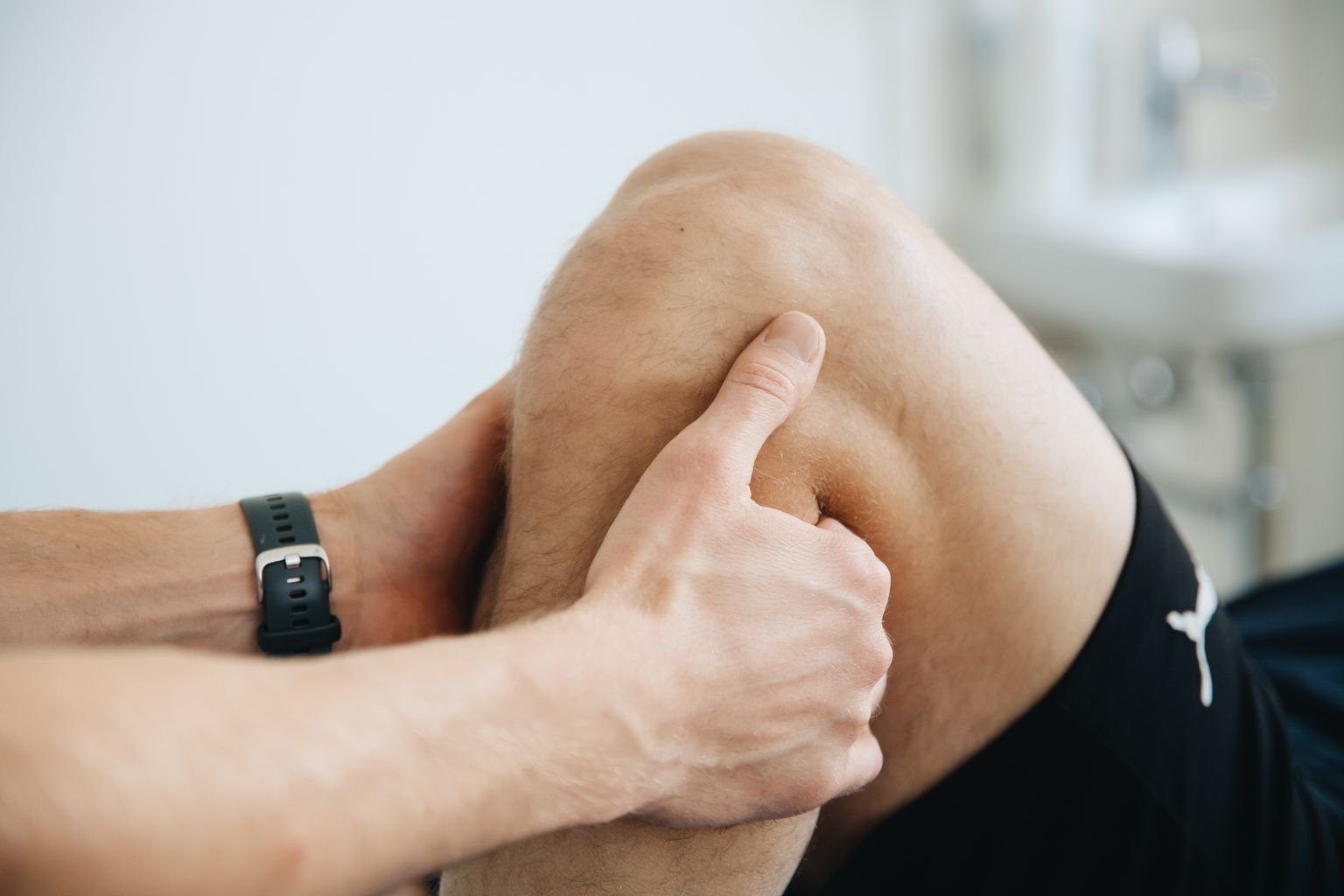
Making sense of inner knee pain doesn’t have to be something you work out entirely on your own. At Impact Sports Rehabilitation, a Rehabilitation Consultation combines a proper history of how your pain started and behaves with hands-on testing, to help identify which of the inner knee structures is actually involved rather than leaving you guessing from a generic checklist.
This kind of structured assessment is genuinely useful even for milder cases, since understanding what’s actually going on tends to make the recovery process feel a lot less uncertain, and it means any exercises or supportive treatment you’re given are matched to your specific presentation rather than a one-size-fits-all inner knee protocol.
Many people find that simply having a clear explanation of what’s actually happening in their knee, in plain language rather than jargon, changes how they approach their own recovery, since it’s a lot easier to stick with a rehab plan when you genuinely understand why each part of it matters. That’s as much a part of a good assessment as the hands-on testing itself.
Where To Go Next Depending On Your Symptoms
If your pain has a clear pattern you recognise, it’s worth reading further into the article that matches it most closely. If you want the full, comprehensive picture covering every likely cause of medial knee pain in depth, our Medial Knee Pain complete guide is the place to go. If you’re already past this stage and want practical, action-focused advice on what actually helps, our Inside Knee Pain treatment guide walks through that directly.
If you want to work through your own symptoms against common patterns yourself, our self-check article on pain on the inner side of the knee is built exactly for that. And if your pain specifically happens or worsens during the actual movement of bending and straightening your knee, our dedicated guide on that exact pattern goes into more targeted detail.
If you’re trying to understand what’s actually causing your inner knee pain, Impact Sports Rehabilitation works with everyday athletes and active people across Eccles, Salford, Trafford, and the wider Greater Manchester area on exactly this kind of assessment. Ask about an online consultation if you’re further afield.
Frequently Asked Questions
Is inner knee pain always something serious?
No, plenty of inner knee pain is mild and settles well with some sensible rest and a gradual return to activity. Persistent, worsening, or mechanical symptoms like locking are the signs that mean it’s worth a proper look rather than something serious being automatically assumed.
What’s the difference between the MCL and the meniscus?
The MCL is a ligament running along the inner side of the knee that resists excess sideways movement, while the meniscus is a piece of cartilage that cushions the joint between the thighbone and shinbone. Both sit close together on the inner knee, which is part of why pain in this area can come from either one, or occasionally both.
Why does my inner knee hurt more going up or down stairs?
Stairs load the inner knee structures more than flat walking does, particularly the tendons and meniscus, so pain that’s noticeably worse on stairs is a genuinely common and fairly typical pattern rather than something unusual. It’s still worth mentioning specifically at any assessment, since it can help narrow down what’s involved.
Should I stop exercising completely if my inner knee hurts?
Not necessarily, complete rest isn’t always the most helpful approach and some gentle activity within a comfortable range often supports recovery better than total inactivity. Many people find modifying rather than fully stopping activity, at least for milder pain, works better, though a proper assessment can guide what’s actually appropriate for you.
How long does inner knee pain usually take to settle?
This genuinely varies a lot depending on what’s actually causing it, so we wouldn’t want to give a fixed timeframe without understanding your specific situation first. In our experience, getting a proper understanding of the cause early on tends to make the whole process feel more predictable, even if the exact timeline still varies.
This article is provided for general educational purposes by Impact Sports Rehabilitation and does not constitute medical advice, diagnosis, or treatment. Inner knee pain has several possible causes, and persistent, significant, or worsening pain, or any locking, instability, or inability to weight-bear, should be assessed by a qualified clinician rather than self-diagnosed. Always seek the guidance of a doctor or other qualified health provider with any questions about your specific symptoms.