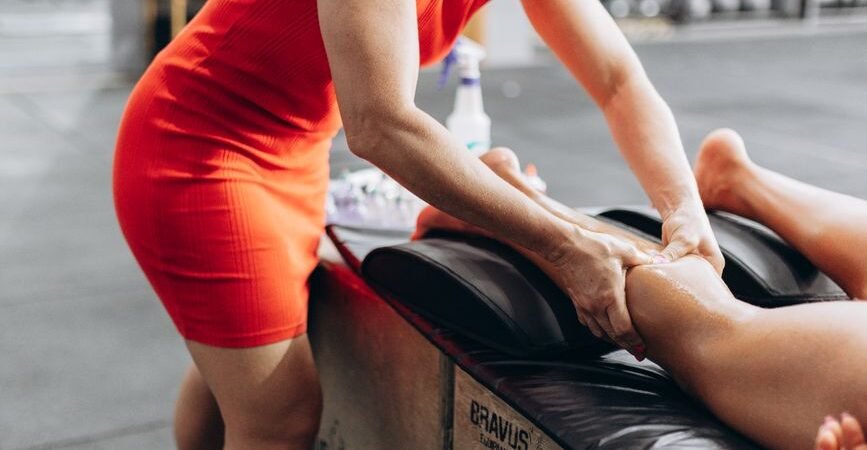
Quick answer: Calf strain rehab typically progresses through gentle early loading, then progressive calf raises and eventually plyometric or running-specific work, with the exact exercises often depending on which of the two calf muscles is actually involved. Progression is judged by how the muscle responds rather than a fixed weekly schedule. These are general exercise categories, not a personalised programme, and a proper assessment is the right starting point.
If you’re recovering from a calf strain and want to understand what the rehab process actually involves before diving in, one detail a lot of generic exercise lists skip over is genuinely useful, which of the two calf muscles you’ve strained changes what a sensible exercise progression looks like. For a broader look at causes and why calf strains recur so often, our calf strain recovery guide covers that ground, this article focuses specifically on the rehab exercises themselves.
The General Stages Calf Strain Rehab Typically Follows
Calf strain rehab generally moves through a few broad stages, early protective loading to manage pain and swelling, progressive strengthening as tolerance improves, and finally higher-demand work like plyometrics or running-specific loading before a full return to sport. How long each stage takes genuinely depends on severity, and rushing between stages before the tissue has demonstrated it’s ready is a large part of why calf strains have a notably high rate of recurring.
Unlike some other muscle strains, the calf is actually made up of two distinct muscles working together, the gastrocnemius and the soleus, and which one is involved genuinely changes some of the specifics of a sensible rehab programme, which is covered in more detail further down. Objective markers, how much load the calf can tolerate, how symmetrical strength is compared to the uninjured side, rather than the calendar alone, tend to give a more accurate picture of genuine readiness at each stage.
Early-Stage Approaches, Gentle Loading Rather Than Complete Rest
Early management commonly follows a period of protected, pain-guided loading rather than complete immobilisation, since some gentle movement tends to support better outcomes than strict rest for most muscle strains. Simple things like gentle ankle range-of-motion work and pain-free walking, adjusting your gait if needed to stay comfortable, are typically introduced early, alongside standard measures like ice and, where needed, temporary heel lifts or supportive footwear to reduce strain during daily walking.
Gentle, pain-free isometric contractions, pressing the foot down against light resistance without the ankle actually moving, are sometimes introduced toward the end of this stage, since many people tolerate this kind of controlled loading reasonably well even while more dynamic movement still feels uncomfortable. A more significant limp, or pain that stops you bearing weight comfortably, is generally a sign to ease back and seek an assessment sooner rather than push through it.
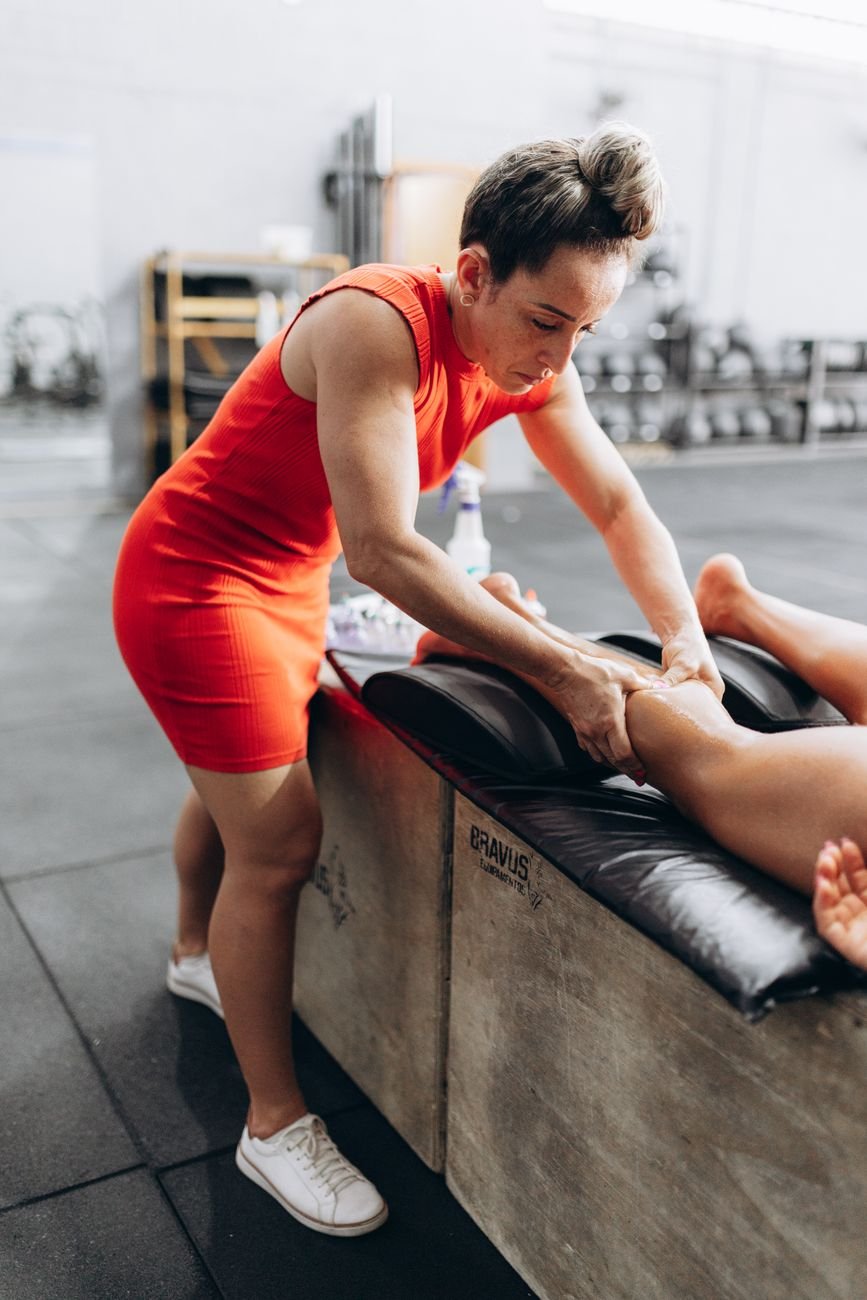
Later-Stage Exercise Categories, Progressive Calf Raises And Plyometric Work
Once early-stage work is well tolerated, rehab typically progresses to double-leg calf raises, then single-leg calf raises as strength improves, gradually adding resistance or slowing the tempo to keep building capacity. Later still, plyometric work, controlled hopping or bounding movements, and eventually running-specific drills are reintroduced in stages, since these higher-speed, higher-load demands are genuinely what most closely resembles the activity that caused the original strain.
Progression through this stage is typically judged by how the calf responds to each increase in load, rather than moving up on a fixed schedule regardless of symptoms. Comparing strength and endurance to the uninjured side, how many single-leg calf raises you can comfortably manage on each leg, for instance, is a commonly used, genuinely useful check before progressing to higher-impact work, since a noticeable gap between the two sides is a reasonable sign more strengthening is needed first.
Sport-specific movements, sudden accelerations, change of direction, or repeated jumping depending on your sport, are generally saved for the very final stage, reintroduced only once the earlier strengthening and plyometric stages have been well tolerated without a flare.
Why Which Calf Muscle Is Strained Changes The Exercises
Most articles on calf strain rehab simply say “do calf raises” without mentioning that the gastrocnemius and soleus respond differently depending on knee position, a detail that genuinely matters for building an effective programme. Straight-knee calf raises bias the gastrocnemius, the larger, more visible muscle that crosses both the knee and ankle, while bent-knee calf raises bias the soleus, the deeper muscle that only crosses the ankle and tends to be more involved in sustained, lower-intensity activity like distance running.
This matters for return-to-running decisions too, prolonged, slow continuous running early in rehab is generally approached more cautiously for a soleus strain specifically than for a gastrocnemius strain, since the soleus is worked heavily during exactly that kind of sustained activity. Knowing which muscle is actually involved, confirmed at an assessment rather than guessed, genuinely changes which knee position and which type of return-to-running plan makes sense for your specific injury.
Gastrocnemius strains are also more classically associated with a sudden, sharp injury during an explosive push-off, a sprint start, a jump, or a sudden change of direction, while soleus strains more often develop or worsen gradually during sustained activity like distance running, sometimes without one obvious dramatic moment of injury. Neither pattern is a certain way to self-diagnose which muscle is involved, but it’s a genuinely useful detail to describe at an assessment.
Why Calf Strains Have A Notably High Re-Injury Rate
Calf strains are genuinely known for recurring, and a big part of the reason is that the calf can feel deceptively normal in daily walking well before it’s actually ready for the sudden, forceful demand of sprinting or jumping again. Progressing load too early, or without any objective way of checking readiness beyond “it feels okay,” is a significant contributor to this pattern, which is why a staged, criteria-based approach tends to outperform a fixed, calendar-based return.
A repeat calf strain often occurs in a similar location to the original injury, and frequently happens sooner than people expect, sometimes within the first few sessions back at full training intensity, which is part of why the final, higher-demand stages of rehab genuinely deserve as much patience as the early ones, even once things are feeling largely back to normal.
Common Mistakes People Make With Calf Strain Rehab
Returning to running or jumping as soon as walking feels comfortable, without progressing through the calf-raise and plyometric stages first, is a particularly common mistake given how much more demand running places on the calf than walking does. Doing the same generic calf-raise routine regardless of which muscle is actually strained, ignoring the gastrocnemius-versus-soleus distinction, is another frequent misstep that can leave the specific injured tissue under-prepared even while the calf as a whole feels stronger.
Stopping rehab as soon as pain has settled, rather than working through the full strengthening and plyometric progression, is a particularly common reason calf strains recur within the same season. Comparing your recovery timeline to someone else’s, rather than tracking your own strength and symptom markers, is another trap worth avoiding, since severity and individual healing genuinely vary from person to person.
What To Expect When You Book An Assessment With Impact Sports Rehab
At Impact Sports Rehabilitation, an assessment for a calf strain confirms which muscle is involved and severity, and builds a staged rehab programme around your specific injury and activity demands, working alongside the same loading principles covered in Achilles tendon exercises, given how closely the calf and Achilles work together mechanically.
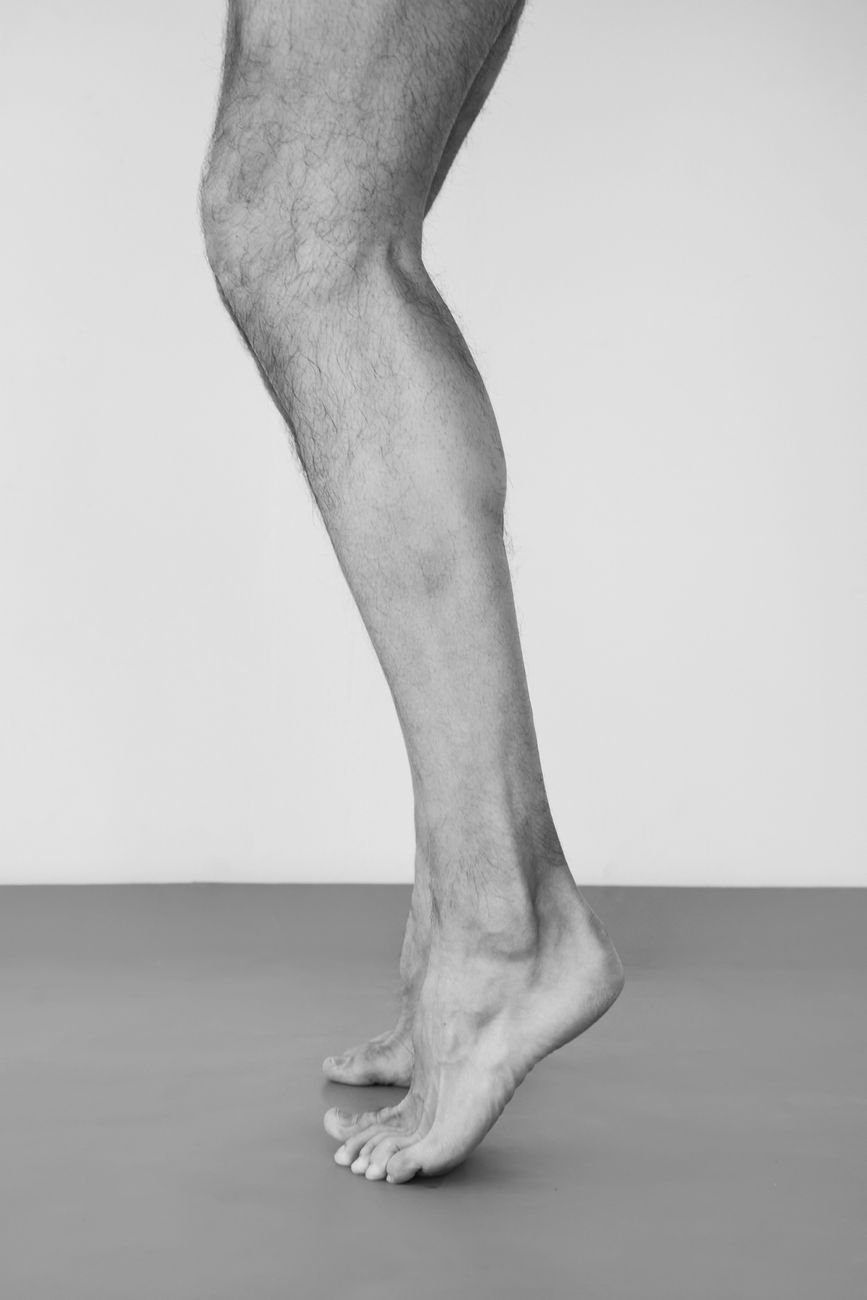
If you’re working through calf strain rehab, Impact Sports Rehabilitation works with clients across Eccles, Trafford, and Salford on staged, individualised recovery plans. Ask about an online consultation if you’re further afield.
Frequently Asked Questions
Am I at risk of re-straining my calf if I do these exercises too soon?
Done at the appropriate stage for your specific injury, structured calf strain rehab is designed to reduce re-injury risk rather than increase it, since it specifically builds the strength and capacity most linked to preventing recurrence. Progressing too quickly without guidance is the greater risk, rather than the exercises themselves.
How do I know when to progress to the next stage?
This genuinely depends on how your specific calf has responded to the current stage, so we wouldn’t want to guess without an assessment. A physiotherapist can assess your readiness more precisely than judging purely by how it feels during a normal day.
When is it safe to return to running?
This depends heavily on which calf muscle is involved and how you’ve progressed through the earlier stages, so we wouldn’t want to guess a fixed timeline without an assessment. Returning to running before calf-raise and plyometric stages are established is a common cause of setbacks.
Does it matter which part of my calf is strained?
Yes, genuinely, the gastrocnemius and soleus respond somewhat differently to certain exercises and to a return-to-running plan, so knowing which one is involved is a useful detail to bring to an assessment rather than something to guess at home.
Why does my calf keep straining even after it feels better?
This is often related to returning to running or jumping before the strengthening and plyometric stages were fully completed, or before the specific muscle involved had genuinely rebuilt its capacity. Completing the full staged programme, not just the early, easier stages, genuinely reduces this recurrence risk.
This article is provided for general educational purposes by Impact Sports Rehabilitation and does not constitute medical advice, diagnosis, or treatment. It describes general exercise categories, not a personalised rehab programme. Always seek the guidance of a qualified physiotherapist, sports therapist, or doctor for individual assessment and diagnosis before starting any new exercise programme, especially following an injury.