Quick answer: A pec strain is an injury to the pectoralis major muscle, most commonly caused by heavy pressing movements like the bench press, and ranges from a mild muscle fibre strain to a much more serious tear that pulls away from its attachment. Recovery approaches differ considerably depending on severity, and a prompt assessment is genuinely important for confirming which one you’re dealing with. This is general education, not a diagnosis of your specific injury.
A sudden tearing or ripping sensation in the chest during a heavy bench press, sometimes with an audible pop, is one of the more alarming ways a training injury can announce itself. Here’s an honest, plain-language look at what a pec strain actually is, how it differs from a full tear, and what recovery typically involves.
Common Causes Of A Pec Strain
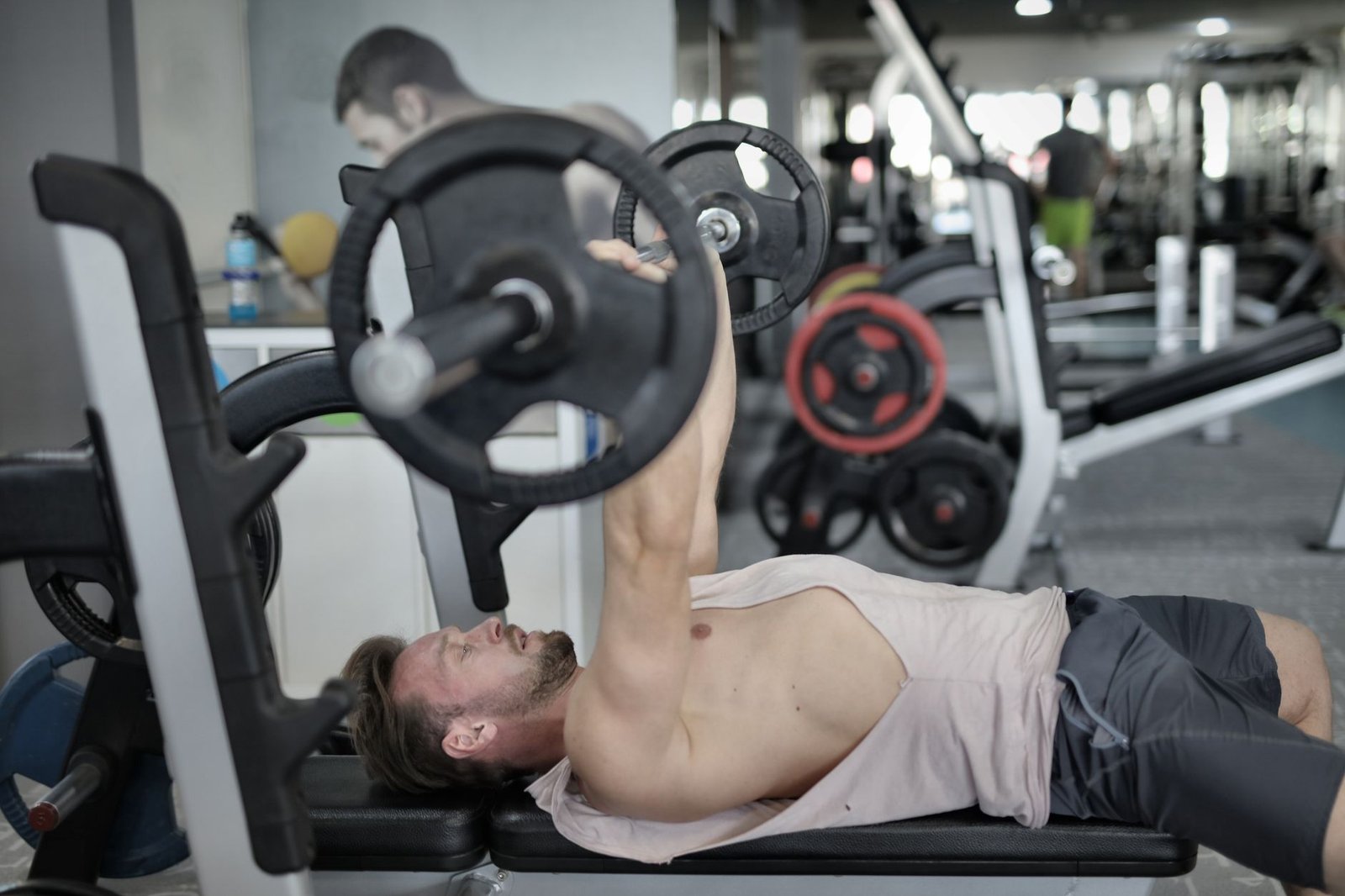
Heavy pressing movements are the classic cause, and the mechanism is specific, most pec injuries happen not at the top of the press but during the lowering, eccentric phase of a heavy bench press, when the arm is at its most extended and externally rotated position and the muscle is under the greatest stretch while still bearing load. Overtraining, pushing volume or intensity up too quickly without adequate recovery between heavy pressing sessions, is another commonly cited contributor, since fatigued muscle tissue tolerates sudden heavy load less well than properly recovered tissue.
Poor technique, particularly flaring the elbows too wide or losing control of the bar path under a near-maximal load, increases strain on the pec specifically. A missing or inadequate warm-up before working up to heavy weight is a further frequently cited factor, since tissue that hasn’t been gradually prepared for load handles a sudden heavy demand less predictably.
Attempting a personal record without a spotter, or pushing through an already-fatigued or previously niggling chest to hit a specific number, are genuinely common real-world scenarios we hear about, both of which remove the usual safety margin that lets you bail out of a rep before the muscle is pushed past what it can tolerate. Other pressing variations, dips taken to a very deep range under load, or heavy chest flye movements with the arms wide, can strain the pec through a similar mechanism to the bench press, even though bench pressing is the most commonly cited cause.
Common Signs, And Why Telling A Strain From A Tear Matters
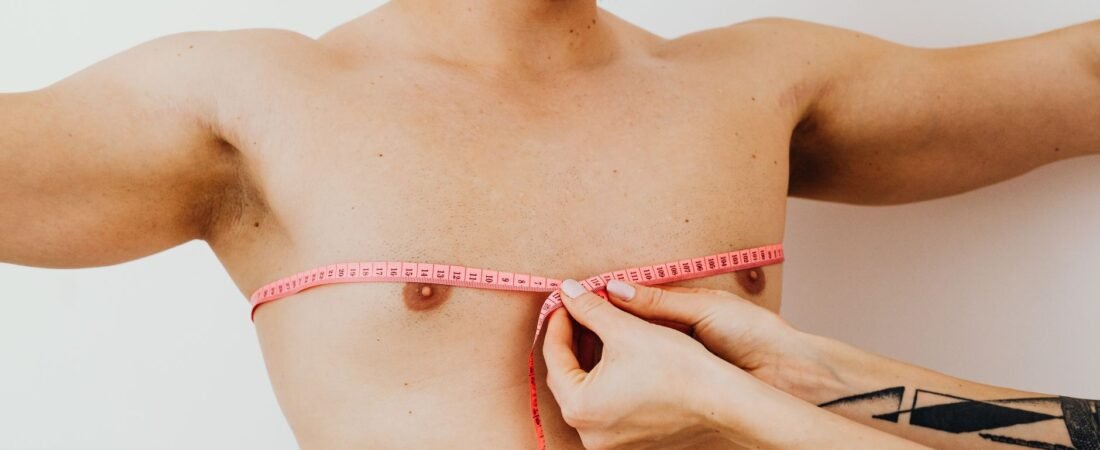
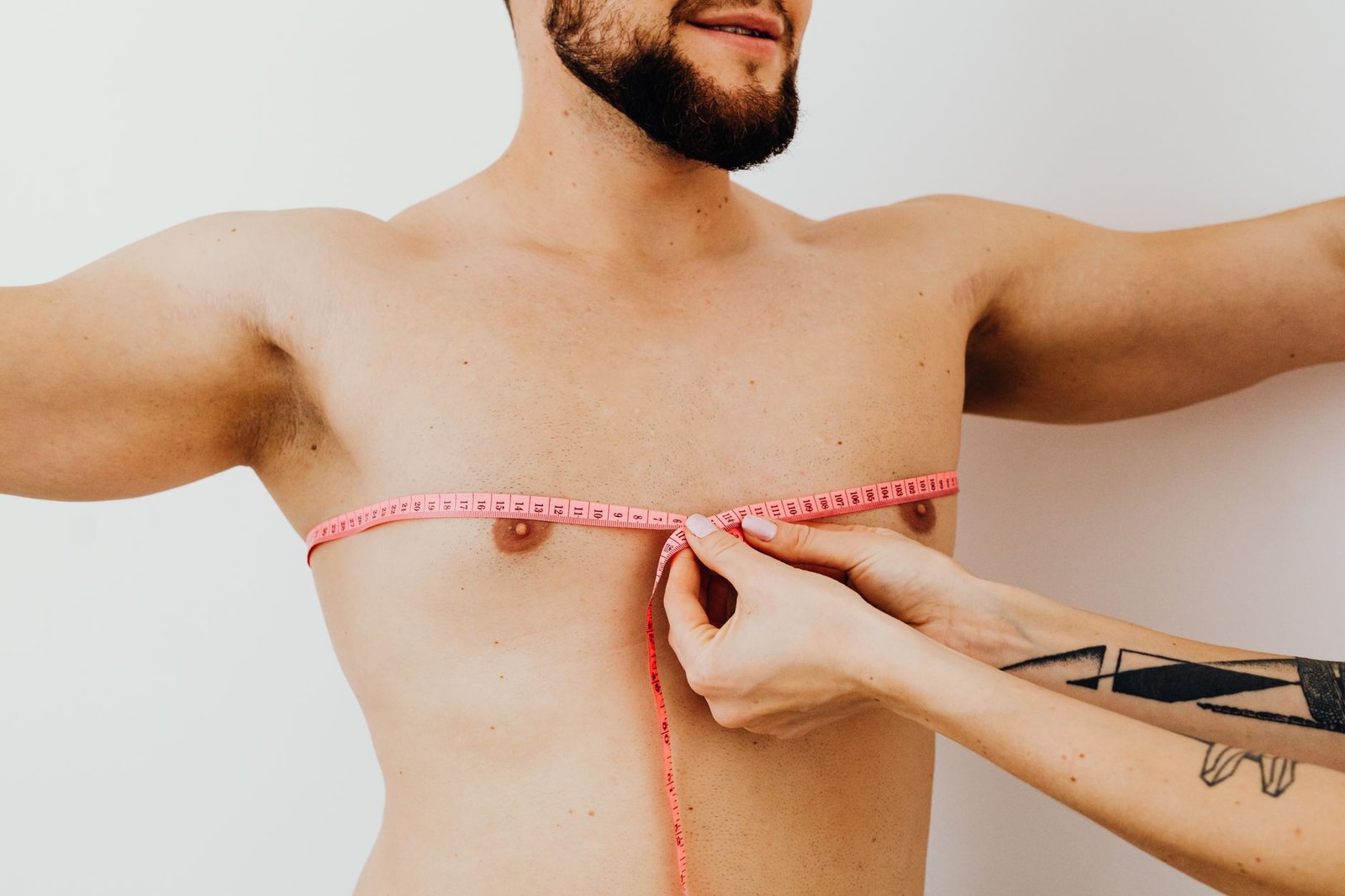
A strain, involving injury to some of the muscle fibres, and a genuine rupture, where the muscle pulls away from its attachment entirely, are meaningfully different injuries with different management. Milder strains generally present as pain and tightness across the chest without dramatic bruising or an obvious defect, while more significant tears often come with a visible or palpable gap in the muscle, considerable bruising that can track down toward the arm over the following days, and marked weakness pressing or bringing the arm across the body.
An audible pop or snap at the moment of injury is a genuinely useful detail to mention at an assessment, since it’s more commonly associated with a more significant tear than a mild strain, though it isn’t a certain sign either way on its own. This distinction matters because the treatment pathway for a milder strain and a complete tear diverge considerably, which the next section covers honestly.
Immediate, severe weakness pressing your arms together or across your body, noticeably more than you’d expect from ordinary post-workout soreness, is another detail worth paying attention to, since a genuine tear tends to produce a much more dramatic and immediate loss of function than a muscular strain typically does.
General Early-Stage Recovery Approaches
For milder strains, early management commonly follows a period of relative rest from pressing movements, ice to manage acute pain and swelling, and gentle, pain-free range-of-motion work rather than complete immobilisation. Sling support is sometimes used briefly for comfort in the first few days for more significant strains, though this is something to discuss at an assessment rather than assume is needed.
For a suspected complete tear, the early-stage picture is genuinely different, since more significant tears, particularly in younger, more active individuals, often need specialist orthopaedic input reasonably promptly, and outcomes for surgical repair tend to be more favourable the sooner it happens after injury. This is exactly why prompt assessment matters more here than with many other muscle strains.
Many people find gentle daily activities, using the arm for light, pain-free tasks rather than avoiding all movement, are generally fine and even helpful during this early stage for a milder strain, while heavier lifting and pressing specifically stay off the table until cleared. Where surgery has taken place for a more significant tear, early-stage management follows the surgeon’s specific post-operative protocol rather than the general guidance covered here, since that timeline is individualised to the repair itself.
A Gradual Return To Pressing Movements
Once early-stage healing has progressed, rehab typically moves through gentle, low-load pressing variations before working back up toward heavier bench pressing, with progression judged by how the muscle tolerates each stage rather than a fixed number of weeks. Many people find that reintroducing pressing with a reduced range of motion initially, avoiding the most stretched bottom position that originally caused the strain, helps rebuild confidence and capacity without immediately re-exposing the muscle to its most vulnerable position.
Grip width and technique are often reviewed as part of this stage too, since returning to the exact same technique that contributed to the original strain, without addressing it, is a genuinely common reason for a repeat injury once heavier loads return. Machine-based or cable pressing movements are sometimes introduced before returning to free-weight barbell pressing specifically, since they allow a more controlled, adjustable range and remove some of the balance and stabilisation demand a free barbell adds.
Building back up in small, deliberate weight increments, rather than returning straight to your previous working weight once the area feels comfortable, tends to give the tissue a better chance to confirm it’s genuinely ready at each stage. Confidence tends to lag slightly behind physical readiness for a lot of people after a pec injury specifically, given how alarming the original injury often felt, and working through that mental hesitation gradually is a normal, expected part of the process rather than something to push through all at once.
When A Pec Injury Needs Prompt Assessment
Any suspected pec injury following a heavy pressing movement is worth having assessed reasonably promptly, but this matters more than usual here given how much surgical outcomes for a genuine tear depend on timing. A visible or palpable defect in the muscle, an audible pop at the time of injury, significant bruising, or marked weakness pressing or bringing the arm across your body are all reasons to get assessed sooner rather than waiting to see if it settles on its own.
Even when you’re not sure whether what you’re describing counts as “significant enough” to bother getting checked, it’s genuinely worth erring on the side of getting an assessment after a pec injury specifically, given how much a delayed diagnosis of a real tear can affect surgical options and outcomes later on, in a way that’s less true of most other muscle strains.
What To Expect When You Book An Assessment With Impact Sports Rehab
At Impact Sports Rehabilitation, an assessment for a suspected pec strain confirms severity and, where a more significant tear is suspected, helps guide prompt referral for specialist input alongside starting appropriate early management. This runs alongside the same shoulder-stability principles covered in rotator cuff rehab, given how closely the chest and shoulder work together during pressing movements.
If you’ve strained your chest during pressing and want a proper assessment, Impact Sports Rehabilitation works with clients across Eccles, Trafford, and Salford. Ask about an online consultation if you’re further afield.
Frequently Asked Questions
Is this a strain or a full tear?
Signs like a visible defect, significant bruising, an audible pop, and marked weakness point more toward a genuine tear than a milder strain, but a proper assessment is the only reliable way to tell the two apart. We wouldn’t want to guess your specific injury without seeing you.
How long before it’s safe to bench press again?
This varies enormously depending on whether it’s a mild strain or a more significant tear, so we wouldn’t want to guess a fixed timeline without an assessment. Milder strains often allow a gradual return over some weeks, while a repaired tear typically follows a much longer, more staged surgical rehab protocol.
Does an audible pop mean I need surgery?
An audible pop is more commonly associated with a significant tear than a mild strain, but it isn’t a certain sign on its own either way, and plenty of significant tears occur without a clearly heard pop. A physical assessment, sometimes alongside imaging, is what actually determines whether surgery is appropriate.
What happens if I keep training on it?
Continuing to press heavy on an unassessed pec injury risks turning a milder strain into something more significant, and delays specialist input if it does turn out to be a genuine tear, where timing matters for surgical outcomes. We’d recommend getting it checked before returning to pressing.
Will I lose strength permanently?
Most milder strains recover full strength with appropriate rehab, and even significant tears that are surgically repaired in good time often achieve a good functional outcome, though this varies by individual case. A proper assessment and follow-through with rehab gives you the best realistic picture for your specific injury.
This article is provided for general educational purposes by Impact Sports Rehabilitation and does not constitute medical advice, diagnosis, or treatment, and does not diagnose or grade the reader’s specific injury. Always seek the guidance of a qualified physiotherapist, sports therapist, or doctor for individual assessment and diagnosis, and seek prompt assessment for any suspected pec injury with significant bruising, weakness, or a visible defect.