Quick answer: Deep tissue massage is a hands-on technique that uses slower, more sustained pressure to reach the deeper layers of muscle and connective tissue, rather than the lighter, gliding strokes used in a relaxation-style massage. It’s typically used for chronic muscle tension, tightness from training, or ongoing discomfort in a specific area, and many people find it genuinely more intense than a relaxation massage, sometimes uncomfortable in the moment. This is general education, not a promise of a specific outcome for your situation.
If you’ve been told deep tissue massage might help with that stubborn tight spot in your shoulders or the post-training tightness that never quite goes away, it’s worth understanding what you’re actually booking before you go in. Here’s an honest look at what deep tissue massage involves, what it’s genuinely used for, and who should check with a doctor first.
What Deep Tissue Massage Actually Is
Deep tissue massage uses slow, deliberate strokes and sustained pressure to reach the deeper layers of muscle, connective tissue, and fascia, the layer of tissue that surrounds and connects muscle groups, rather than working mainly on the surface. This is the key difference from a relaxation or Swedish-style massage, which typically uses lighter, longer, flowing strokes designed primarily to promote general relaxation rather than to work into a specific area of tightness.
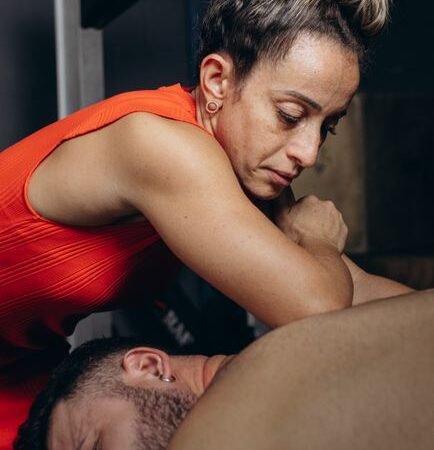
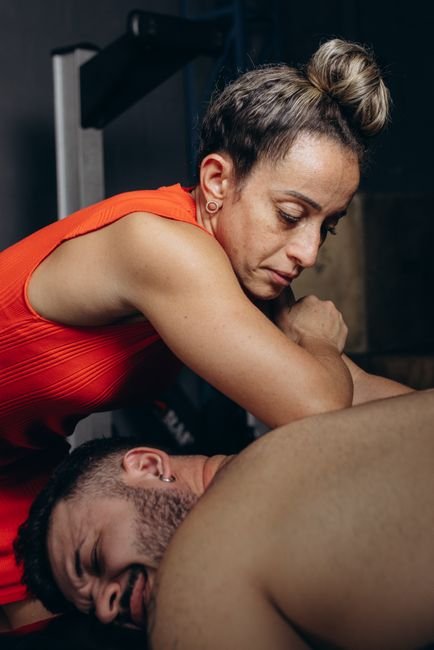
A therapist delivering deep tissue work often uses their fingers, knuckles, forearms, or elbows to apply that deeper, more targeted pressure, and will frequently work slowly across the grain of the muscle fibres rather than simply gliding along them. It’s not a technique applied uniformly across the whole body in the way a relaxation massage often is, it’s usually focused on the specific area that’s tight, restricted, or bothering you.
What Deep Tissue Massage Is Commonly Used For
Deep tissue massage is most commonly booked for chronic muscle tension, the kind of ongoing tightness in the neck, shoulders, or lower back that builds up over weeks or months rather than appearing overnight. It’s also a genuinely common choice among people training regularly, used as part of post-training recovery to address the tightness and restricted movement that can build up from repeated loading of the same muscle groups.
Many people also book it for a specific, localised area of discomfort, a tight spot in the upper trapezius from desk work, or persistent tightness through the calves or hamstrings from running, rather than as a general full-body relaxation treatment. It’s worth being honest that deep tissue massage supports and complements a wider recovery or rehab approach rather than replacing one, and it isn’t typically the right starting point for a genuinely acute injury that hasn’t been assessed.
What The Evidence Actually Says About Recovery Benefits
A lot of deep tissue massage content either oversells the benefits or avoids the evidence question entirely, so it’s worth looking at what the research genuinely shows. A systematic review pooling data from 11 randomised controlled trials, covering 504 participants, found that massage after strenuous exercise significantly reduced muscle soreness ratings at 24, 48, and 72 hours afterward compared with no intervention, with the most noticeable improvement showing up around the 48-hour mark, which is roughly when muscle soreness typically peaks. The same review found genuine reductions in a blood marker linked to muscle damage, alongside modest improvements in muscle force.
That said, it’s honest to flag the limits too, since some reviews found no clear evidence that massage improves measures like strength, sprint speed, or endurance specifically, even where soreness itself was reduced. In other words, many people find real value in how much less sore they feel afterward, but it’s not accurate to present massage as something that reliably boosts athletic performance on its own. Timing matters as well, research on massage applied immediately after exercise, rather than a day or so later, has produced more mixed results, so booking a session isn’t automatically more effective simply because it happens straight after training.
What A Typical Session Involves
A typical deep tissue session starts with the therapist asking about the areas that feel tight or restricted, and often checking in about your general health and any conditions worth knowing about before starting. From there, the therapist usually begins with lighter pressure to warm the tissue up before gradually working deeper into the areas that need it, rather than applying maximum pressure immediately.
It’s honest to say that deep tissue massage can be uncomfortable, particularly over a genuinely tight or tender area, and many people find it more intense than a relaxation massage in the moment. A good therapist will check in with you throughout and adjust pressure based on your feedback, since “deep” doesn’t have to mean “as hard as physically possible” to be effective. Some soreness in the day or so afterward, similar to how a muscle feels after a tough workout, is a genuinely common response and usually settles within a day or two, though anything that feels like sharp pain during the session itself is a sign to speak up and ask the therapist to ease off. Sessions typically run somewhere between 30 and 60 minutes depending on how much ground needs covering, and staying hydrated afterward is a small, sensible habit many people find helps, even though the evidence for hydration specifically flushing out soreness is genuinely thin.
Who Should Check With Their Doctor Before Booking
This is a detail that’s genuinely underexplained in a lot of deep tissue massage content, and it matters. Certain groups should get medical clearance, or choose a much gentler approach, before booking a deep tissue session. This includes anyone with a blood clotting disorder or a history of deep vein thrombosis, since firm pressure applied to an affected limb carries genuine risk. Pregnant clients, anyone with osteoporosis or reduced bone density, and anyone who’s had recent surgery in the area being treated should also check with a doctor first, as should anyone managing a significant heart condition.
One nuance worth knowing specifically: for people with fibromyalgia, the deep, sustained pressure that defines this style of massage can sometimes worsen symptoms rather than help, since fibromyalgia is linked to a heightened, central nervous system sensitivity to pressure and pain. A gentler style of massage is often more appropriate here, and it’s a genuinely useful thing to mention when booking if this applies to you, rather than assuming any massage is automatically the safer, gentler option.
Deep Tissue Massage Versus Other Massage Styles
It’s easy to assume all firm-pressure massage is the same, but there are real distinctions worth knowing. A relaxation or Swedish massage uses lighter, longer, flowing strokes across the whole body and is designed primarily to promote general relaxation rather than to work into a specific tight area. Sports massage can look similar to deep tissue work in terms of pressure, but it’s typically tailored around athletic training and recovery specifically, and may include stretching or joint mobilisation alongside the hands-on pressure work, rather than focusing purely on tissue depth. Myofascial release, meanwhile, tends to use more sustained, gentler pressure held in one place for longer, working with the fascia rather than the more forceful, targeted kneading typical of deep tissue technique. None of these styles is simply a “better” or “worse” version of the others, they’re suited to different goals, and which one makes sense for you depends on what you’re actually trying to achieve. If you’re unsure which fits your situation, it’s genuinely worth asking whoever’s booking you in rather than assuming the most intense option is automatically the most effective one.
What To Expect When You Book Sports Massage With Impact Sports Rehab
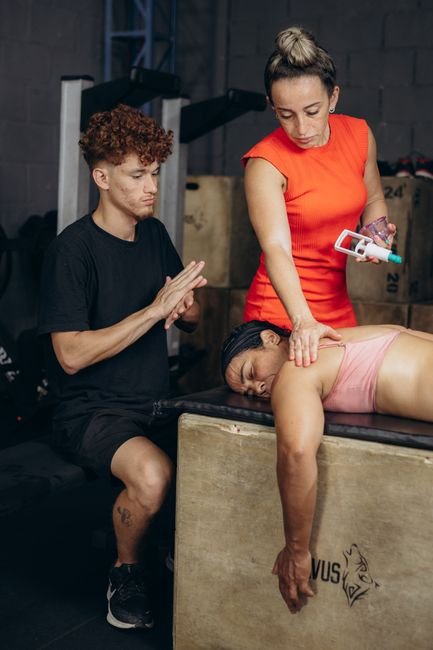
At Impact Sports Rehabilitation, sports massage sessions are built around what you’re actually dealing with, whether that’s general chronic tension or tightness related to training, rather than a generic one-size-fits-all treatment. The therapist will talk through what’s bothering you, check for anything that means a gentler approach is more appropriate, and adjust pressure throughout based on how the session is genuinely feeling for you. This works alongside our coverage of the purpose of cupping, for readers curious about a different hands-on recovery option offered at the clinic.
If you’re curious whether deep tissue or sports massage is the right fit for what you’re dealing with, Impact Sports Rehabilitation works with clients across Eccles, Trafford, and Salford. Ask about an online consultation if you’re further afield.
Frequently Asked Questions
Is deep tissue massage supposed to hurt?
It’s genuinely common for deep tissue massage to feel more intense than a relaxation massage, and some discomfort over a tight area is normal, but it shouldn’t feel like sharp or unbearable pain. If something feels genuinely too much, tell your therapist so they can ease off, a good session works with your feedback rather than pushing through it regardless.
Does it actually help with recovery, or is it just relaxing?
Many people find deep tissue massage genuinely helps with the tightness and restricted movement that builds up from training, alongside a general sense of relaxation, though the evidence base for massage overall is still developing and results vary between people. In our experience it tends to work best as one part of a wider recovery approach rather than a stand-alone fix.
How sore will I be afterward?
Some soreness the day or two after a deep tissue session is a genuinely common response, similar to how muscles can feel after a hard workout, and it typically settles on its own. If soreness is severe, doesn’t ease within a few days, or feels different from normal post-massage tenderness, it’s worth mentioning to your therapist or getting it checked.
How often should I actually book sessions?
This genuinely varies by person and what you’re using it for, so we wouldn’t want to give a fixed number without understanding your situation. Many people find a session every few weeks works well for ongoing maintenance, while others book more or less often depending on training load and how their body responds.
I have a health condition, should I mention it before booking?
Yes, definitely, certain conditions including blood clotting disorders, pregnancy, osteoporosis, recent surgery, heart conditions, and fibromyalgia all affect whether deep tissue pressure is appropriate or whether a gentler approach makes more sense. Mentioning any relevant health conditions when you book, or checking with your doctor first if you’re unsure, is a genuinely sensible step rather than something to skip.
This article is provided for general educational purposes by Impact Sports Rehabilitation and does not constitute medical advice, diagnosis, or treatment. Deep tissue massage is not a substitute for professional medical assessment, and anyone with a relevant health condition, or any injury that hasn’t been assessed, should check with a doctor or qualified therapist before booking.