
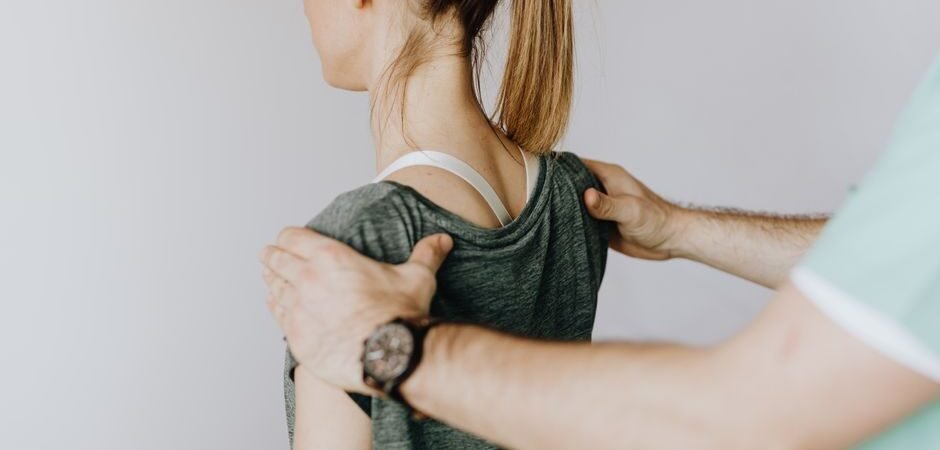
Quick answer: Labrum tear shoulder recovery can follow a non-surgical, rehab-focused path or a surgical one, and which is more appropriate depends on factors like the tear’s size, location, and your specific activity goals, something only a proper assessment can determine. Many people find non-surgical rehab genuinely effective, particularly for smaller or more stable tears, while surgery tends to be considered for larger, more significant tears or when rehab alone hasn’t resolved symptoms. This is general education, not a treatment recommendation for your specific injury.
Being told you have a labrum tear can feel like the start of a confusing decision tree, rehab or surgery, weeks of recovery or months, with plenty of conflicting advice online along the way. Here’s an honest, general look at what labrum tear shoulder recovery typically involves across both paths, so you know what questions to ask at your own assessment.
What The Labrum Is And Why It Matters
The labrum is a ring of cartilage that lines the socket of the shoulder joint, deepening it and helping keep the ball of the upper arm bone properly seated as the shoulder moves through a genuinely wide range of motion. Because the shoulder relies more on soft tissue for stability than a naturally deep bony socket, the labrum plays a meaningful role in keeping the joint stable, particularly during overhead movement, throwing, or grappling-style positions where the arm is loaded at end range. The rotator cuff and surrounding shoulder musculature work alongside the labrum to keep the joint properly controlled, which is exactly why strengthening these muscles is such a central part of recovery regardless of which treatment path you end up on.
A tear can happen from a single traumatic event, a fall, a dislocation, or a forceful pull on the arm, or it can develop more gradually from repetitive overhead loading over time, which is why it’s a genuinely common finding in throwing athletes, swimmers, and grapplers alike.
It’s worth knowing that not all labrum tears are the same, and the type genuinely affects what recovery tends to look like. A SLAP tear affects the top of the labrum, right where the biceps tendon anchors in, and typically develops from repetitive overhead motion or a sudden pulling force through the arm, often causing a deep ache with certain movements or a catching, clicking sensation. A Bankart tear, by contrast, affects the lower front of the labrum and is almost always linked to a shoulder dislocation, and tends to leave the shoulder feeling genuinely loose or unstable rather than simply painful. Knowing which type you’re dealing with is a genuinely useful thing to understand from your assessment, since it meaningfully shapes what a sensible recovery path looks like.
General Non-Surgical Recovery Approaches
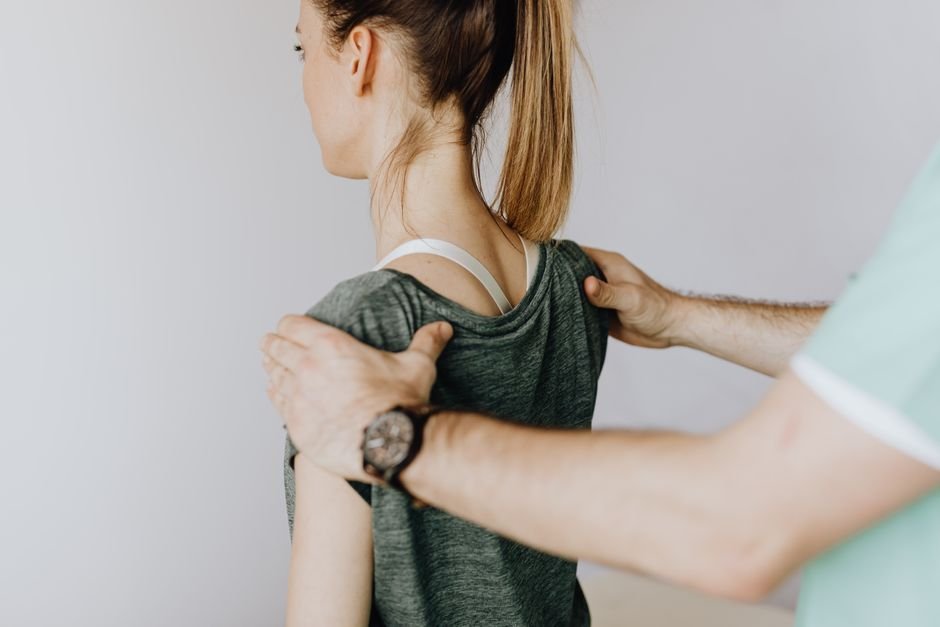
Non-surgical, rehab-focused recovery is a genuinely common first approach, particularly for smaller or more stable tears, and typically centres on strengthening the muscles surrounding the shoulder, the rotator cuff and scapular stabilisers especially, to compensate for what the labrum itself can no longer fully provide in terms of joint stability. This usually progresses through general stages, starting with restoring pain-free movement, then building strength in the surrounding musculature, and eventually working toward the specific demands of your sport or activity.
Posture and shoulder blade positioning are also commonly addressed as part of this approach, since correcting how the shoulder blade moves during overhead motion can meaningfully reduce the load placed directly on the labrum itself.
A typical rehab programme tends to move through broad categories rather than a fixed exercise list, starting with restoring pain-free range of motion and calming any irritation, then progressing to isometric and light resistance work targeting the rotator cuff and scapular muscles specifically, and eventually building toward heavier strengthening and, where relevant, sport-specific movement patterns like throwing mechanics or grappling positions. How quickly someone moves between these stages varies considerably and should be guided by symptoms and clinical progress rather than a fixed calendar.
When Surgical Repair Is More Commonly Considered
Surgery is more commonly considered for larger or more complex tears, tears involving specific structures like the biceps tendon attachment, or cases where a structured period of rehab hasn’t resolved symptoms or restored function. Age, activity level, and how much the tear is genuinely affecting daily function or sporting performance all factor into this decision too, which is exactly why it isn’t a one-size-fits-all call and needs a proper specialist assessment rather than a general rule.
It’s worth knowing that surgical repair itself varies considerably depending on what’s found, from cleaning up frayed tissue, sometimes called debridement, to a more involved repair that reattaches the torn labrum to the bone with small anchors, and the specific procedure genuinely affects what recovery looks like afterward. Surgery is generally more strongly indicated for a Bankart-type tear causing genuine instability or repeated dislocations, since ongoing instability carries its own risk of further joint damage over time, whereas some SLAP-type tears, particularly in older, less overhead-demanding patients, are managed successfully without ever needing repair.
What Recovery Timelines Tend To Look Like
In general terms, non-surgical rehab-focused recovery tends to run over several weeks to a few months, while surgical recovery is typically longer, often in the region of four to six months or more before a full return to demanding overhead activity, though this varies significantly by individual and procedure. The early weeks after surgical repair usually involve a period of restricted movement, sometimes with a sling, to protect the repair while it heals, before rehab gradually reintroduces movement and loading in stages similar to the non-surgical pathway, just starting from further back.
Consistency with rehab genuinely matters for outcomes either way, research on non-surgical recovery specifically has found that following through with a full course of guided sessions, typically numbering somewhere in the range of 20 sessions for a meaningful programme, rather than stopping once symptoms ease, is linked to better results. Stopping rehab early because pain has settled, without rebuilding the strength and control the labrum used to help provide, is a genuinely common reason recovery stalls or symptoms return once activity ramps back up.
Common Misconceptions About Labrum Tear Recovery
One misconception worth clearing up directly: surgery isn’t automatically the faster or more effective route, even though it can feel like the more “serious” or thorough option. For certain tear types, particularly SLAP tears in overhead throwing athletes, research has actually found that a structured non-surgical rehab programme, focused on posterior shoulder flexibility and correcting scapular positioning, led to a more successful return to throwing than surgical repair did. This runs directly against the common assumption that a torn structure always needs to be surgically fixed to properly heal, and it’s a genuinely important nuance that a lot of general labrum tear content skips over entirely.
That doesn’t mean surgery is never the right call, plenty of tears genuinely do need it, but it does mean the size or existence of a tear alone doesn’t automatically decide the answer. The tear’s specific classification, its location, your age, and your particular sport or activity all feed into a decision that’s genuinely individual rather than universal.
Another common misconception is that an MRI showing a labrum tear automatically explains your symptoms, or that a “clean” scan rules a tear out entirely. Labral changes show up on imaging in plenty of people with no shoulder symptoms at all, particularly in older adults and long-term overhead athletes, so a scan finding needs to be interpreted alongside your actual symptoms and a hands-on clinical assessment rather than read in isolation. This is exactly why two people with what looks like a similar scan result can end up on genuinely different treatment paths.
What To Expect When You Book An Assessment With Impact Sports Rehab
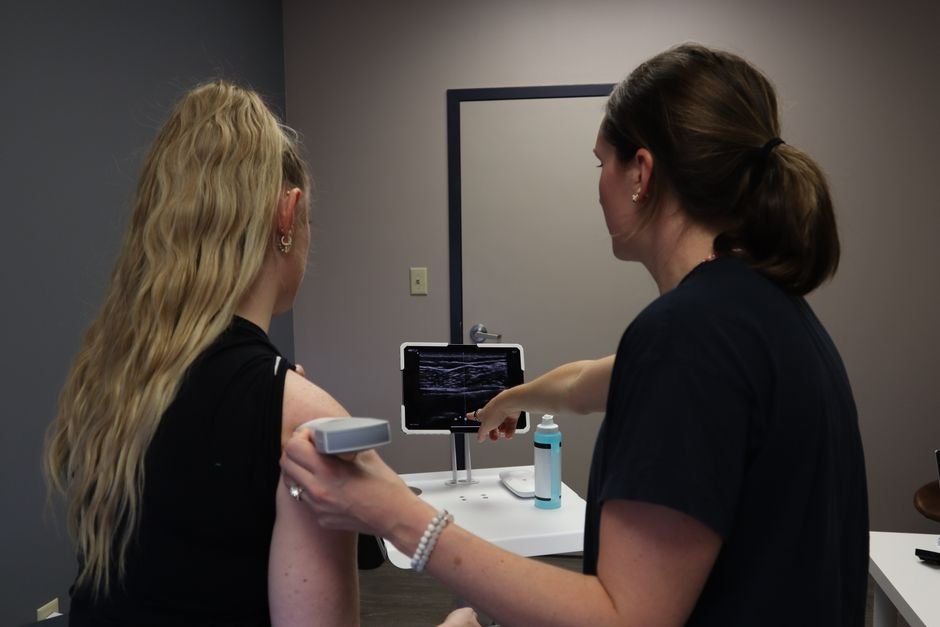
At Impact Sports Rehabilitation, an assessment for a labrum tear looks at your specific tear, your activity goals, and what’s realistic for your situation, rather than assuming one path fits everyone. This runs alongside our coverage of rotator cuff rehab, for readers dealing with a closely related shoulder structure that’s often involved alongside the labrum.
Free tool: Injury Recovery Time Estimator
Want a realistic timeline for your own injury? Our free injury recovery time estimator gives you a typical recovery range by severity, plus RICE guidance for that specific injury, instantly and with nothing stored.
If you’ve been diagnosed with a labrum tear and want an honest, individualised plan for what comes next, Impact Sports Rehabilitation works with clients across Eccles, Trafford, and Salford. Ask about an online consultation if you’re further afield.
Frequently Asked Questions
Will I definitely need surgery for a labrum tear?
Not necessarily, many labrum tears, particularly smaller or more stable ones, respond well to a structured non-surgical rehab programme. Whether surgery is genuinely needed for your specific tear depends on factors like its size, location, and how it’s affecting your function, so it’s worth discussing directly with whoever assessed you.
How long does labrum tear recovery actually take?
This varies considerably by tear type and treatment path, so we wouldn’t want to give a fixed number without knowing your specific situation. In general terms, non-surgical recovery tends to run over weeks to a few months, while surgical recovery is typically longer.
Will my shoulder feel completely normal again?
Many people find their shoulder returns to a genuinely good level of function and activity, though outcomes vary by tear severity, treatment path, and individual factors. A physiotherapist or specialist can give you a more honest sense of what to expect for your specific situation.
Is it safe to keep training while I figure out treatment?
This depends heavily on your specific tear and symptoms, so it’s genuinely worth getting a proper assessment before continuing demanding activity, particularly overhead movement or grappling, rather than guessing. Sharp pain, instability, or a sense the shoulder might give way are reasons to stop and get checked rather than push through.
If I choose rehab first, can I still have surgery later if it doesn’t work?
In many cases, yes, starting with a structured rehab programme doesn’t necessarily close off surgery as a later option if symptoms don’t improve, though this genuinely depends on your specific tear and circumstances. This is exactly the kind of question worth raising directly at your assessment.
This article is provided for general educational purposes by Impact Sports Rehabilitation and does not constitute medical advice, diagnosis, or treatment, and does not diagnose the reader’s specific injury. Whether surgery is needed for a labrum tear depends on individual factors that only a specialist assessment can properly determine.


