Quick answer: How to strengthen Achilles tendon capacity genuinely follows a staged progression, isometric holds first, then slow controlled calf raises, then eccentric loading, the single most evidence-supported step most people skip, before adding power and sport-specific movement. Building this progressively, rather than jumping straight to heavy loading, is what actually builds lasting tendon resilience. Sudden sharp pain, an audible pop, or an inability to rise onto your toes needs urgent medical assessment.
Wanting to know how to strengthen Achilles tendon capacity properly, whether you’re rehabbing an existing niggle or building resilience to prevent one, deserves more than a couple of casual calf raises tacked onto the end of a gym session. Here’s a genuine, staged strengthening progression, the kind an actual programme would follow, not just a list of exercises thrown together.
Why Achilles Strength Matters, Injured Or Not
The Achilles tendon absorbs genuinely enormous forces during running and jumping, several times your body weight with every stride, which means its capacity to tolerate load is central both to preventing injury and to recovering from one that’s already happened. A tendon with insufficient strength and load tolerance for your training demands is more likely to become symptomatic in the first place, and equally, rebuilding that same capacity is the actual foundation of recovering from Achilles pain once it’s developed.
This is exactly why a proper strengthening progression matters whether you’re currently pain-free and want to stay that way, or working through existing discomfort, the underlying principle, progressively building the tendon’s capacity to tolerate load, is genuinely the same either way, just starting from a different point.
Tendon tissue adapts more slowly than muscle does, which is a genuinely important thing to understand going into this progression. Where muscle strength can improve meaningfully within a few weeks of consistent training, tendon tissue typically takes considerably longer, often several months of consistent loading, to build real structural capacity. This isn’t a reason to avoid the work, it’s a reason to approach it with genuinely realistic expectations and consistency over a sustained period, rather than expecting the kind of relatively fast progress you might see from muscle-focused strength training alone.
Step One: Isometric Holds To Build A Foundation
Isometric holds, contracting the calf muscle without the joint actually moving, tend to be a genuinely safe, well-tolerated starting point, even for a tendon that’s currently somewhat irritable. A simple heel raise hold, rising onto your toes and holding the top position for a sustained period, several sets of thirty to forty-five seconds, builds initial tolerance without the repetitive movement that a more irritable tendon might not yet handle well.
Isometric loading has a genuinely useful secondary benefit too, some research suggests sustained isometric holds can have a real pain-relieving effect on an irritated tendon in the short term, which is part of why this stage often forms a sensible starting point even when some discomfort is present, rather than needing to wait for complete pain resolution before beginning any loading at all.
A useful practical detail here, the exact angle and position of your foot during these holds genuinely matters. Performing the hold with a straight knee emphasises the larger gastrocnemius muscle and its portion of the Achilles, while a bent-knee version shifts more emphasis onto the deeper soleus muscle. Including both variations across your isometric work, rather than only one, builds a more genuinely complete foundation before progressing to the next stage, since both muscles contribute to the combined Achilles tendon and both deserve attention in a properly built programme.
Step Two: Slow, Controlled Calf Raises
Once isometric holds are comfortably tolerated, progressing to full-range, slow, controlled calf raises builds on that foundation. Standing with your weight through the balls of both feet, rising slowly onto your toes and lowering with equal control, rather than dropping quickly, genuinely matters here, since the tempo itself is part of what builds the tendon’s capacity, not just the movement pattern.
Progressing from a double-leg to a single-leg calf raise as strength improves adds a meaningful increase in load through the tendon, since your full body weight is now moving through one leg rather than being shared across two. This progression should genuinely be earned through demonstrated control and tolerance at each stage, rather than rushed based on how many reps feel achievable on a good day.
Volume and frequency matter as much as the movement pattern itself at this stage. Building toward a genuinely meaningful number of controlled repetitions, spread across a few sets, several times a week, tends to drive adaptation more reliably than an occasional high-effort session followed by several days off. Consistency, in other words, is doing a substantial amount of the real work here, and it’s worth treating this stage as a genuine ongoing training commitment rather than a box to tick before moving on to something that feels more advanced.
Step Three: Eccentric Loading, The Key Progression Most People Skip
This is genuinely the part most Achilles strengthening content stops short of properly explaining, listing basic calf raises and never getting into eccentric loading, which is consistently the single most evidence-supported specific progression for building tendon strength and resilience. Eccentric loading means emphasising the lowering, lengthening phase of a movement under control, rather than treating the raise and the lower as equally weighted parts of the same rep.
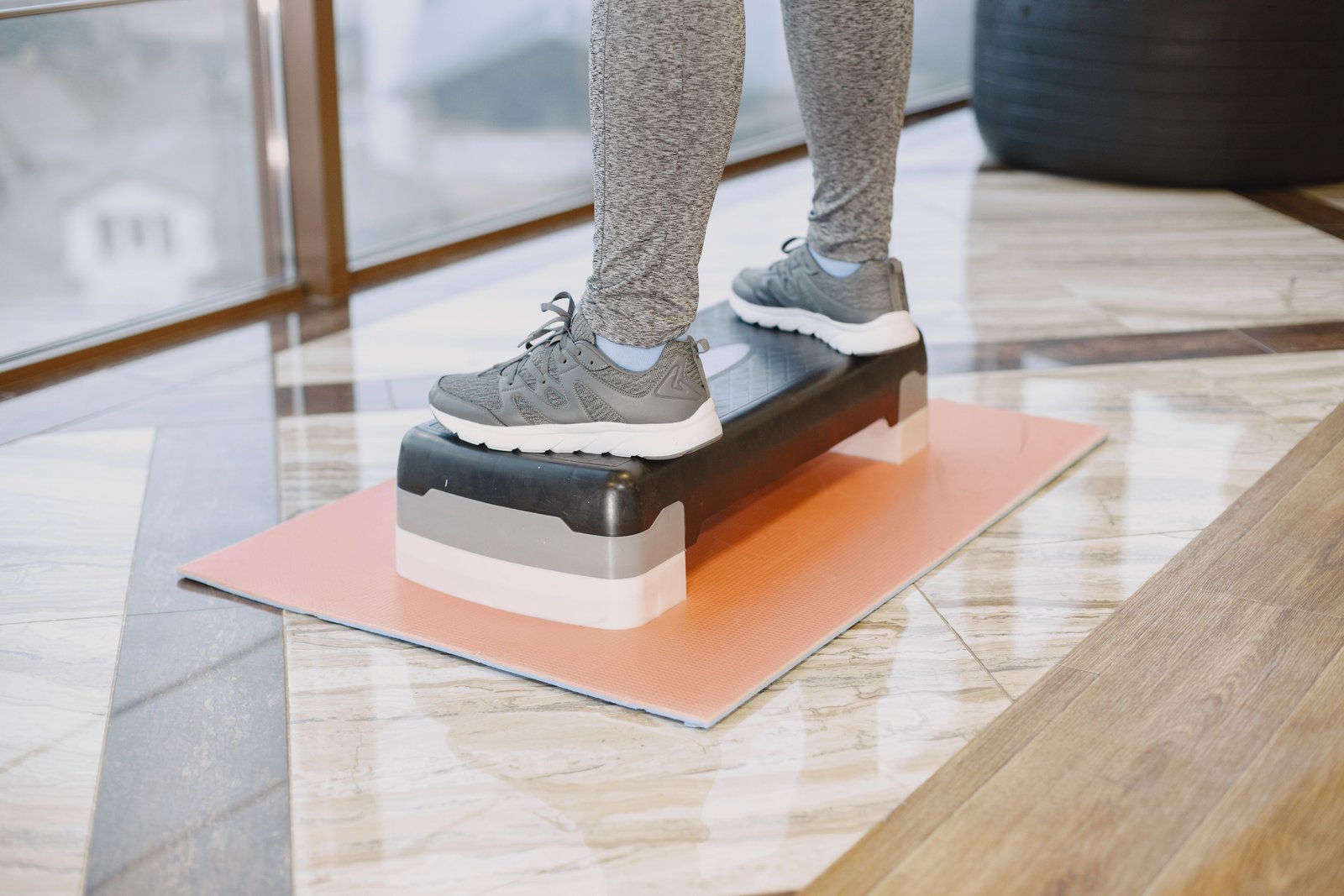
A classic eccentric heel drop, rising onto your toes using both legs, then shifting weight onto the affected leg and lowering slowly and with control past a neutral ankle position, specifically targets this lengthening phase. Research on tendon rehabilitation has consistently found eccentric-emphasis loading protocols to be genuinely effective for building tendon capacity, and this progression is widely considered the evidence-based cornerstone of a proper Achilles strengthening programme, not an optional add-on once the “real” exercises are done. Doing this off a step, allowing the heel to drop slightly below the level of the step, adds a genuinely useful increase in range and load once the basic movement is well tolerated. A commonly cited approach in tendon rehabilitation research involves building toward a substantial daily volume of these eccentric repetitions, split across a couple of sessions, sustained over several weeks, since it’s the accumulated, consistent loading over time that appears to drive the genuine tendon adaptation, not any single session in isolation.
Step Four: Adding Power And Sport-Specific Movement
For anyone returning to running or jumping sports, the strength built through the earlier stages needs to be translated into the more explosive, reactive demands the tendon actually faces in sport. Controlled hopping and bounding drills, starting at low intensity and volume, introduce the tendon to the rapid loading and unloading cycle involved in running and jumping, genuinely different from the slower, controlled tempo of the earlier strengthening stages.
Sport-specific movement patterns, cutting, sprinting, or jumping depending on your particular sport, should be reintroduced progressively at this stage too, building volume and intensity gradually rather than returning straight to full training demand once basic strength targets have been met. This final stage is genuinely where a lot of people either rush ahead too quickly, having built solid basic strength and assumed the harder work was already done, or conversely stay overly cautious indefinitely once the earlier stages feel comfortable. Neither extreme serves the tendon well, a genuinely graded progression through this power and sport-specific phase, rather than skipping it or staying stuck in it, is what actually completes the strengthening process.

How Sports Rehab Builds This Around You Specifically
Where exactly you should start in this progression, and how quickly you should move through each stage, genuinely depends on your current tendon capacity and any existing symptoms, not a fixed universal starting point. At Impact Sports Rehabilitation, a Rehabilitation Consultation assesses your specific presentation and builds this progression around your actual starting point and goals, whether that’s genuine injury prevention or working through an existing Achilles concern, rather than a generic timeline applied regardless of where you’re actually starting from. If you’re dealing with existing Achilles pain rather than building preventative strength, Achilles tendonitis exercises covers the diagnosis and treatment side of things in more depth alongside this strengthening progression.
If you want a genuine, staged Achilles strengthening programme built around your specific starting point, Impact Sports Rehabilitation works with runners, gym-goers, and athletes across Eccles, Salford, Trafford, and the wider Greater Manchester area on exactly this. Ask about an online consultation if you’re further afield.
Frequently Asked Questions
Do I really need to bother with eccentric loading, or are regular calf raises enough?
Regular calf raises are a genuinely useful part of the progression, but eccentric loading specifically is consistently the most evidence-supported step for building real tendon capacity and resilience. Skipping it means missing what the research suggests is genuinely the most important part of the process.
How do I know if I’m ready to move to the next stage of this progression?
Comfortably tolerating the current stage without significant next-day soreness, and demonstrating good control through the full movement, are genuinely useful markers before progressing. A proper assessment can help judge this more reliably than guessing based on how many reps feel achievable.
Is it normal for my Achilles to feel a bit sore after these exercises?
Mild, settling discomfort during a strengthening progression is genuinely common and often expected, especially when building capacity in a tendon that hasn’t been specifically loaded this way before. Sharp pain, or soreness that doesn’t ease within a day or so, is different and worth getting checked.
Can these exercises guarantee I’ll never get Achilles tendon problems?
No programme can promise that, and we wouldn’t want to claim otherwise. Many people find that consistent strengthening genuinely supports a more resilient Achilles tendon over time, but it works alongside sensible training load management, not as a standalone guarantee.
Should I stop this progression if I feel a sudden sharp pain or hear a pop?
Yes, absolutely, sudden sharp pain, an audible pop, or an inability to rise onto your toes could indicate a tendon tear and needs urgent medical assessment rather than continuing to exercise. This is genuinely different from the mild, expected discomfort of normal strengthening work.
This article is provided for general educational purposes by Impact Sports Rehabilitation and does not constitute medical advice, diagnosis, or treatment. This article covers a general strengthening progression rather than treatment for an acute injury. Sudden sharp pain, an audible pop, or an inability to rise onto your toes could indicate a tendon tear and needs urgent medical assessment. Always seek the guidance of a doctor or other qualified health provider with any questions about your specific injury.