

Quick answer: Pain on top of skull most commonly comes from tension-type headache and muscular tension patterns that can refer pain to this specific area, distinct from the more commonly discussed base-of-skull pain. It’s a genuinely less commonly discussed headache location, which can make it feel more unusual or concerning than it typically is. Sudden severe onset, pain following trauma, pain with fever or visual changes, or progressively worsening pain all need urgent medical attention.
Pain right at the very top of your head, the crown, genuinely gets talked about far less than the more familiar back-of-head or temple headaches, which can make it feel unusual, even a little alarming, when it’s actually you experiencing it. Here’s a clear, calm explanation of pain on top of skull, why it feels different, what actually causes it, and when it genuinely needs a proper look.
Why Pain At The Very Top Of The Head Feels Different
Part of why pain on top of skull feels unusual is genuinely just how much less it gets discussed compared to other headache locations. Search results, health content, and even casual conversation about headaches overwhelmingly focus on the temples, the forehead, or the base of the skull, leaving crown-of-head pain feeling like an uncommon, poorly understood location by comparison, even though it’s a genuinely recognised pattern.
The crown of the head is also, practically speaking, an area most people rarely think about or touch directly in daily life, unlike the forehead or temples, which makes any new sensation there feel more noticeably unfamiliar. None of this means pain at this specific location is inherently more serious than pain elsewhere, it genuinely tends to share similar underlying causes to other tension-type headache patterns, it simply gets far less airtime, which is worth knowing before assuming an unusual location automatically means something more unusual is going on.
There’s also a genuinely understandable psychological piece to this, an unfamiliar sensation in an unfamiliar location naturally prompts more worry than a familiar type of pain in a familiar spot, simply because you have less lived experience and less commonly available reassurance to draw on. Knowing that tension-type headache genuinely can and does present this way, in a genuinely large proportion of people at some point, tends to bring a meaningful amount of reassurance on its own, alongside the practical guidance that follows.
The Most Common Causes
Tension-type headache is genuinely the most common cause of pain at the top of the head, and it’s worth knowing this pattern affects the vast majority of people at some point in their lives, often described as a tight band or pressing weight sensation rather than a sharp, localised pain. Stress, poor posture, and general muscle tension are common contributing triggers, the muscles across your scalp and upper neck can genuinely tighten in response to these factors and refer sensation to the crown area specifically.
Prolonged screen use, hunching over a desk or phone for extended periods, is a genuinely common contributing pattern too, since sustained postural strain through the neck and upper back can refer tension all the way up to the top of the head, not just to the more commonly discussed base of the skull. Dehydration, overexertion, and inadequate sleep are additional genuine contributing factors worth being aware of, since correcting these alongside more targeted treatment often supports meaningful improvement.
Jaw tension is a genuinely underrecognised contributor worth mentioning specifically too. Clenching or grinding your jaw, particularly overnight or during periods of stress, can refer tension up through the temples and across the top of the scalp, a pattern that’s easy to overlook since the jaw itself may not feel obviously tight or painful. If your crown pain tends to be worse in the mornings, or you’ve noticed jaw soreness or a clicking sensation, it’s genuinely worth considering whether jaw tension could be part of the picture, alongside the more commonly discussed postural and stress-related factors.

How This Differs From Base-Of-Skull Pain
This is genuinely the part most headache location content either ignores entirely or blurs together carelessly, treating the crown and the base of the skull as if they’re the same thing, when they’re genuinely distinct locations that can, though don’t always, reflect somewhat different contributing patterns. Base-of-skull pain, covered in more detail in our dedicated articles on pain at the back of the head at the base of the skull and headache at the base of the skull, tends to be more closely tied to the upper neck and cervicogenic contributing factors specifically, given its location right where the neck meets the skull.
Crown pain, sitting further forward and higher than the base of the skull, can still be muscularly and posturally driven, but it reflects the tension pattern radiating differently across the scalp rather than being centred at that specific neck-skull junction. If your pain is genuinely centred at the base of your skull rather than the crown, those companion articles cover that specific pattern in more relevant depth, including the useful further reading on pain at the base of the skull more broadly, since getting the location right genuinely helps target the most relevant guidance.
It’s genuinely worth doing this simple self-check before assuming either pattern applies, place a finger right at the bony ridge where your skull meets your neck at the back, that’s the base of the skull, then move your finger straight up to the highest point of your head, that’s the crown. Some people experience tension spanning both locations at once, which is also genuinely common and doesn’t necessarily mean two separate problems, often reflecting one broader pattern of tension radiating across the whole back and top of the head rather than two isolated issues needing entirely separate explanations.
Red Flags That Need Urgent Attention
Being clear and direct about this matters. Sudden, severe onset, a headache that comes on abruptly and intensely rather than building gradually, needs urgent medical attention rather than being treated as ordinary tension-type pain. Pain following any head trauma, even if it seems relatively minor at the time, similarly warrants prompt assessment.
Pain accompanied by fever, or by visual changes, blurred vision, double vision, or other new visual symptoms, needs urgent evaluation. Progressively worsening pain, rather than a pattern that stays roughly similar or fluctuates as tension-type headaches typically do, is another genuine signal to seek medical attention rather than continuing with self-care.
Practical Relief That Actually Helps
For genuinely musculoskeletal, tension-related crown pain, once anything more serious has been appropriately ruled out, practical self-care steps focus on addressing the underlying muscular tension rather than just the sensation itself. Gentle neck and upper trapezius stretching, addressing the postural tension that often contributes to this pattern, tends to genuinely help. Improving desk and screen setup, keeping your head more aligned over your shoulders rather than jutting forward, addresses a common contributing factor at its source rather than just managing the resulting discomfort.
Staying adequately hydrated and ensuring reasonable sleep genuinely support recovery too, unglamorous as that advice is, since both dehydration and poor sleep are recognised contributing factors to tension-type headache patterns more broadly.
Building in regular movement breaks throughout the day, particularly during long stretches of desk or screen work, genuinely helps prevent the sustained muscular tension that contributes to this pattern in the first place, rather than only addressing it once pain has already developed. A short break every twenty to thirty minutes, standing, gently rolling your shoulders, and checking your posture, tends to be more effective as ongoing prevention than occasional, more intensive self-care once symptoms are already established.
How Sports Rehab Approaches This Kind Of Pain
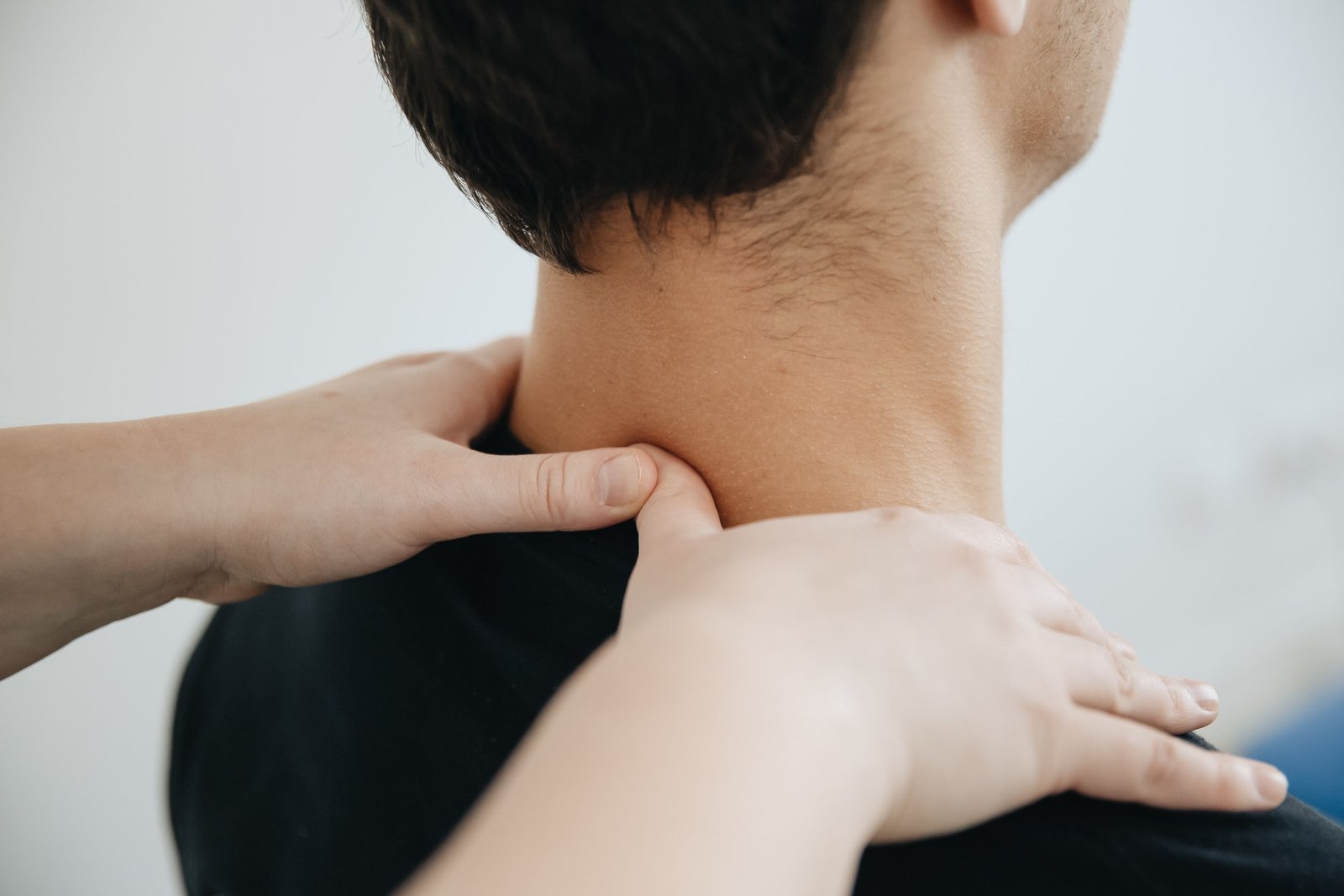
Where musculoskeletal tension is genuinely contributing to pain on top of skull, addressing the underlying muscular and postural pattern, rather than just managing the sensation, tends to give more lasting results. Sports massage can help release the muscular tension across the scalp, neck, and upper back that often contributes to this pattern, and acupuncture is a supportive option some clients find helpful for persistent tension-type headache patterns once more serious causes have genuinely been ruled out.
If persistent pain on top of your skull hasn’t responded to basic self-care, Impact Sports Rehabilitation works with clients across Eccles, Salford, Trafford, and the wider Greater Manchester area on addressing the underlying muscular and postural contributing factors. Ask about an online consultation if you’re further afield.
Frequently Asked Questions
Is pain right on top of my head more serious than a normal headache?
Not inherently, tension-type headache, the most common cause of pain at this location, simply gets discussed far less often than pain at the temples or base of the skull, which can make it feel more unusual than it actually is. The same red flags that apply to any headache still apply here.
Why does my head hurt right at the crown specifically, rather than anywhere else?
This can genuinely happen with tension-type headache and muscular referral patterns from the scalp, neck, and upper back, the crown is simply one of several locations this kind of tension can present in. It doesn’t point to anything inherently different from tension-type headache patterns affecting other locations.
Could this actually be a more serious base-of-skull issue instead?
It’s worth being clear about where your pain is actually centred, since crown pain and base-of-skull pain are genuinely distinct locations, though both can be muscularly driven. If your pain sits lower, right where your neck meets your skull, our base-of-skull articles cover that specific pattern in more relevant depth.
When should I actually worry about pain at the top of my head?
Sudden severe onset, pain following trauma, pain with fever or visual changes, or progressively worsening pain are all genuine signals to seek urgent medical attention. Ordinary, fluctuating tension-type pain without these features is far more common and far less concerning.
Can stress really cause pain at this specific spot on my head?
Yes, genuinely, stress and muscle tension are well-recognised contributors to tension-type headache, which can present at the crown among other locations. In our experience, addressing the underlying tension pattern, not just the specific spot, tends to bring more lasting relief than treating the location in isolation.
This article is provided for general educational purposes by Impact Sports Rehabilitation and does not constitute medical advice, diagnosis, or treatment. Pain at the top of the skull has several possible causes, ranging from tension-type headache to, rarely, more serious causes. Sudden severe onset, pain following trauma, pain with fever or visual changes, or progressively worsening pain requires urgent medical attention. Always seek the guidance of a doctor or other qualified health provider with any questions about your specific symptoms.