Quick answer: Lower back pain exercises that genuinely help typically go beyond generic stretching, combining gentle movement in the acute phase with core and hip strengthening that actually supports the spine, and a gradual return to normal activity rather than avoiding movement indefinitely. Many people find this staged approach genuinely more effective than a static stretch routine alone, though the right exercises depend on the cause of your pain. This is general education, not a personalised treatment plan.
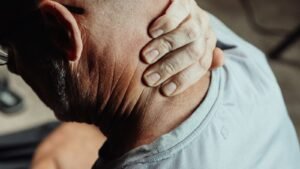
If you’ve already tried a handful of generic lower back stretches from a quick search and found the relief temporary at best, you’re far from alone. Here’s a genuinely honest look at lower back pain exercises that actually make a meaningful difference, and why a stretch-only approach so often falls short.
Why Generic Back Stretches Often Don’t Help Much
Most lower back pain content online defaults to the same handful of stretches, cat-cow, child’s pose, a hamstring stretch, repeated across nearly every article regardless of what’s actually causing the pain. Stretching can genuinely offer short-term relief by easing muscular tension, but it does very little to address the underlying issue for a lot of people, which is usually more about how well the deeper spinal stabilising muscles, the transversus abdominis and multifidus specifically, are working to support the spine during everyday movement, rather than simple tightness alone.
Research on core strengthening approaches has found genuine improvements in pain and functional disability when strengthening specifically targets this deeper stabilising system, rather than only working the more superficial muscles a typical ab workout focuses on. This is exactly the piece most generic stretch-list content leaves out, stretching a tight muscle without addressing why the spine isn’t being adequately supported in the first place tends to produce relief that doesn’t last.
There’s also a psychological piece that’s genuinely underdiscussed. Fear of movement after an episode of back pain is a real, understandable response, but it can quietly become part of the problem, avoiding bending, twisting, or lifting out of caution tends to leave those movement patterns weaker and less prepared over time, which is a different mechanism entirely from simple muscle tightness that stretching addresses. Understanding this distinction genuinely changes how you might approach your own recovery, rather than reaching for the same stretch routine every time symptoms flare.
Gentle Movement For The Acute Phase
In the more painful, acute phase, the instinct to stay completely still is understandable, but genuinely complete rest tends to be less helpful than many people expect. Gentle, pain-guided movement, walking, easy range-of-motion work, and simply avoiding prolonged static positions, tends to support recovery better than strict bed rest for most non-specific low back pain. The goal during this phase isn’t pushing through significant pain, it’s staying as mobile as your symptoms genuinely allow, rather than avoiding movement out of fear that any activity will make things worse.
Changing position regularly, rather than holding any single posture, sitting, standing, or lying, for a long stretch, is a genuinely practical habit many people find helps during this early stage. The specific position matters less than the fact that you’re moving between positions reasonably often, since prolonged static loading of any kind tends to aggravate an already irritated back more than movement itself does.
Core And Hip Strengthening That Actually Supports The Spine
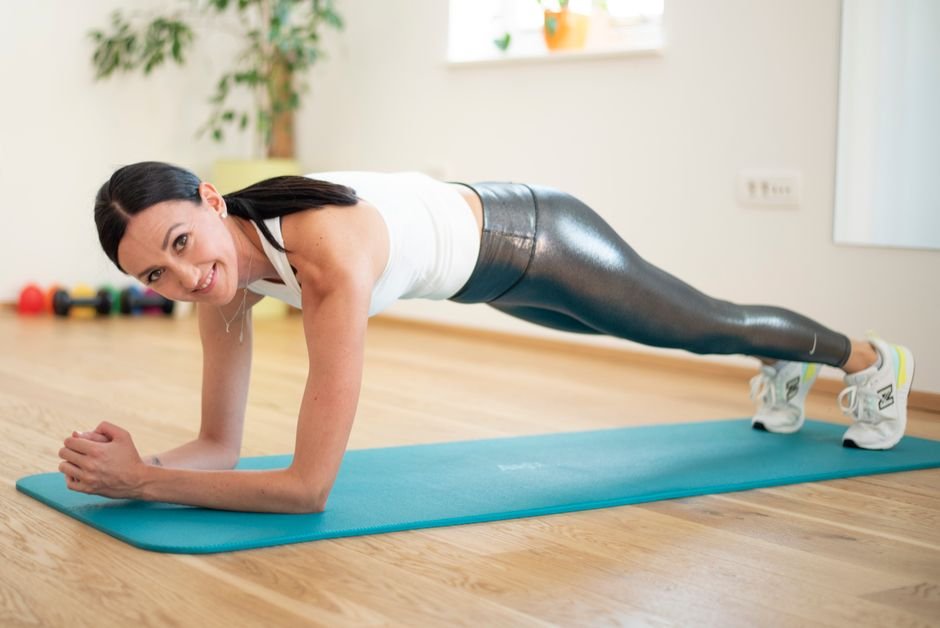
Once the acute phase has settled somewhat, genuine core strengthening becomes more central, and this means considerably more than crunches or sit-ups, which mostly target the superficial rectus abdominis rather than the deeper stabilising muscles the spine actually relies on. Exercises that engage the deep core through controlled, low-load positions, bird dog, dead bug, and bridging patterns, tend to build the kind of stability that supports the spine during real daily movement, bending, lifting, twisting, rather than isolated strength that doesn’t transfer well to function.
Hip and glute strength genuinely matters here too, and it’s another piece a lot of generic content misses. Weak glutes can mean the lower back compensates for movement patterns the hips should genuinely be driving, particularly during bending and lifting, so strengthening the hips alongside the core tends to produce more meaningful, lasting improvement than core work in isolation.
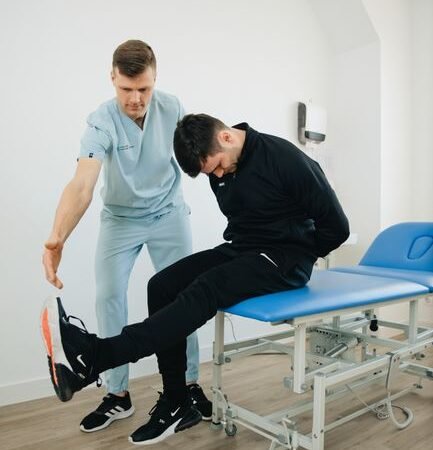
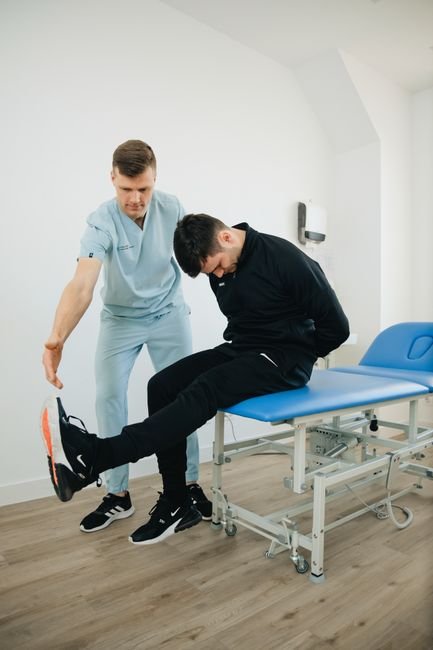
The pace and progression of this strengthening work matters as much as the exercises themselves. Starting with low-load, well-controlled positions and only progressing once these are genuinely comfortable and controlled, rather than jumping straight to more demanding variations, tends to build durable strength without provoking a flare-up along the way. Many people find working with someone who can watch and correct their form during these exercises makes a genuine difference too, since a poorly executed version of an otherwise good exercise can end up loading the spine in a way that doesn’t actually build the stability it’s meant to.
Building Tolerance Back Up Gradually
A genuinely important principle, and one that’s easy to get wrong in both directions, is gradually rebuilding tolerance to bending, lifting, and loading rather than either avoiding these movements indefinitely or rushing back to full activity too soon. Fear of movement is a genuinely common, understandable response to back pain, but avoiding bending and lifting entirely tends to leave the spine less prepared for these movements when you do eventually need to do them, which can paradoxically increase the risk of a flare-up rather than protecting against one.
A useful principle many people find helpful is dosage, doing enough activity to genuinely challenge and build tolerance, without pushing so far past what your back can currently handle that symptoms significantly worsen. This middle ground, neither complete avoidance nor pushing through significant pain, tends to produce steadier, more sustainable progress than either extreme.
Everyday activities genuinely count as part of this rebuilding process too, not just dedicated exercise sessions. Gradually reintroducing bending to pick something up, carrying moderate loads, or getting back to activities you’d started avoiding, done sensibly and progressively rather than all at once, is a genuinely important part of rebuilding real-world tolerance, since the goal is ultimately a back that copes well with your actual life, not just with a specific set of exercises performed in isolation.
Red Flags That Mean Exercise Isn’t The Right First Step
Numbness or genuine weakness in the legs, or any loss of bladder or bowel control, are red flags that need urgent medical attention rather than exercise, since these can indicate a more serious underlying issue. Severe pain that isn’t improving, pain that wakes you from sleep, or unexplained weight loss alongside back pain are also reasons to seek proper assessment before starting any exercise programme, rather than assuming a generic exercise routine is the right first step regardless of these signs.
Pain following a significant fall, accident, or trauma also warrants prompt assessment before starting any exercise programme, since the appropriate approach can differ meaningfully depending on what’s actually happened. None of this is meant to be alarming, most lower back pain genuinely doesn’t involve any of these red flags, but knowing them means you can move forward with appropriate exercise confidently, rather than either ignoring a genuine warning sign or being needlessly anxious about ordinary back pain.
How Sports Rehab Builds A Program That Actually Works
At Impact Sports Rehabilitation, a lower back pain programme is built around your specific pain pattern, movement restrictions, and daily demands, rather than a generic exercise sheet handed to everyone regardless of cause. This runs alongside our rehabilitation consultations, and sports massage or cupping may also be discussed as supportive options alongside your exercise programme where genuinely appropriate. Whether you’re dealing with a recent flare-up or back pain that’s been nagging for months, a proper assessment gives you a clearer starting point than working through another generic online exercise list on your own.
If generic stretches haven’t given you lasting relief from lower back pain, Impact Sports Rehabilitation works with clients across Eccles, Greater Manchester. Ask about an online consultation if you’re further afield.
Frequently Asked Questions
Should I rest completely until my back pain goes away?
Complete bed rest generally isn’t recommended for most non-specific lower back pain, research suggests gentle, pain-guided movement tends to support recovery better. That said, severe or worsening pain is worth getting assessed rather than pushing through regardless.
Is it safe to exercise if my back still hurts a bit?
Many people find gentle, appropriately dosed movement is safe and genuinely helpful even with some ongoing discomfort, as long as it’s not severe or worsening pain. It’s worth getting assessed first if you’re unsure whether a specific exercise is appropriate for your situation.
How long until lower back pain exercises actually start helping?
This varies considerably depending on the cause and how consistently a programme is followed, so we wouldn’t want to give a fixed timeline without an assessment. Many people find meaningful improvement builds gradually over weeks of consistent, appropriately dosed exercise.
I’ve heard core exercises can make back pain worse, is that true?
Poorly chosen or poorly dosed exercises can aggravate symptoms, which is exactly why a generic exercise sheet isn’t ideal, but appropriately selected core and hip work is generally genuinely supportive of recovery. This is exactly the kind of thing worth getting properly assessed for rather than guessing.
What if my leg is going numb or feels weak, should I still exercise?
No, numbness or genuine weakness in the leg is a red flag that needs urgent medical assessment rather than an exercise programme. We wouldn’t want to guess at your specific situation without seeing you, so please get this checked promptly.
This article is provided for general educational purposes by Impact Sports Rehabilitation and does not constitute medical advice, diagnosis, or treatment. Numbness or weakness in the legs, or any loss of bladder or bowel control, needs urgent medical attention rather than exercise, and this content is not a substitute for professional assessment.