

Quick answer: An LCL sprain is an injury to the lateral collateral ligament on the outer side of the knee, usually caused by a direct blow to the inside of the knee or a forceful twisting movement during sport. Symptoms range from mild tenderness with a grade one sprain through to significant instability and swelling with a complete grade three tear. Most mild to moderate LCL sprains recover well with guided rehab, though instability or numbness down the outer leg needs proper clinical assessment rather than self-management.
If you’ve been told you’ve sprained your LCL, or you’ve searched your symptoms and landed on that term yourself, there’s a decent chance you’re not entirely sure which ligament that actually is. You’re not alone, it’s genuinely one of the most mixed-up terms in knee injuries, and getting it straight matters, because an LCL sprain and its far more famous cousin the MCL sprain are different injuries on opposite sides of the knee. Here’s a clear, honest look at what the LCL actually does, how it gets sprained, how severity is graded, and what a sensible recovery actually looks like.
LCL Or MCL? Getting The Terminology Right First
A genuinely large number of people who search “LCL sprain” are actually dealing with, or have been told about, an MCL sprain instead, and it’s an easy mix-up to make. The MCL, medial collateral ligament, sits on the inner side of the knee, the side closest to your other leg, and it’s a much more commonly discussed injury because it happens far more often, particularly in contact sports where the outside of the knee takes a hit.
The LCL, lateral collateral ligament, sits on the outer side of the knee, the side away from your other leg, running from the outer part of your thighbone down to the head of the fibula, the thinner of your two lower leg bones. If your pain and tenderness are specifically on the outside of your knee, and especially if the injury happened from something striking the inside of your knee and forcing it outward, you’re likely genuinely dealing with your LCL, not your MCL, and the rest of this guide applies directly to you.
This distinction isn’t just semantics. The mechanisms, typical severity patterns, and even some of the nearby structures at risk differ meaningfully between the two, which is exactly why getting the terminology right first actually changes how you should think about your own injury.
What The LCL Does And How It Gets Sprained
The LCL’s job is to resist excess sideways movement at the outer knee, specifically stopping the lower leg from bowing outward relative to the thigh, a motion clinicians call varus stress. Alongside a handful of other structures at the back and outer side of the knee, collectively known as the posterolateral corner, it plays a genuinely important role in keeping the knee stable during cutting, pivoting, and any movement that loads the outside of the joint.
Most LCL sprains happen from a direct blow to the inside of the knee, a tackle, a collision, or contact from another player, that forces the lower leg outward and stretches or tears the ligament on the opposite, outer side. This is essentially the mirror image of the classic MCL mechanism, which is a big part of why the two get confused. LCL sprains can also happen without contact, through a sudden twisting or hyperextension movement during cutting or pivoting sports, though isolated non-contact LCL injuries are somewhat less common than their contact counterparts.
One thing worth knowing that most basic explainers skip entirely: an isolated LCL sprain, one affecting only that single ligament, is actually less common than you’d expect. Because the LCL works alongside the other posterolateral corner structures, more significant injuries often involve some combination of the LCL, the popliteus muscle, the biceps femoris tendon, or occasionally the ACL or PCL as well, which is one of the genuine reasons a proper assessment matters more here than with some other sprains.
Grading The Injury, Mild To Severe
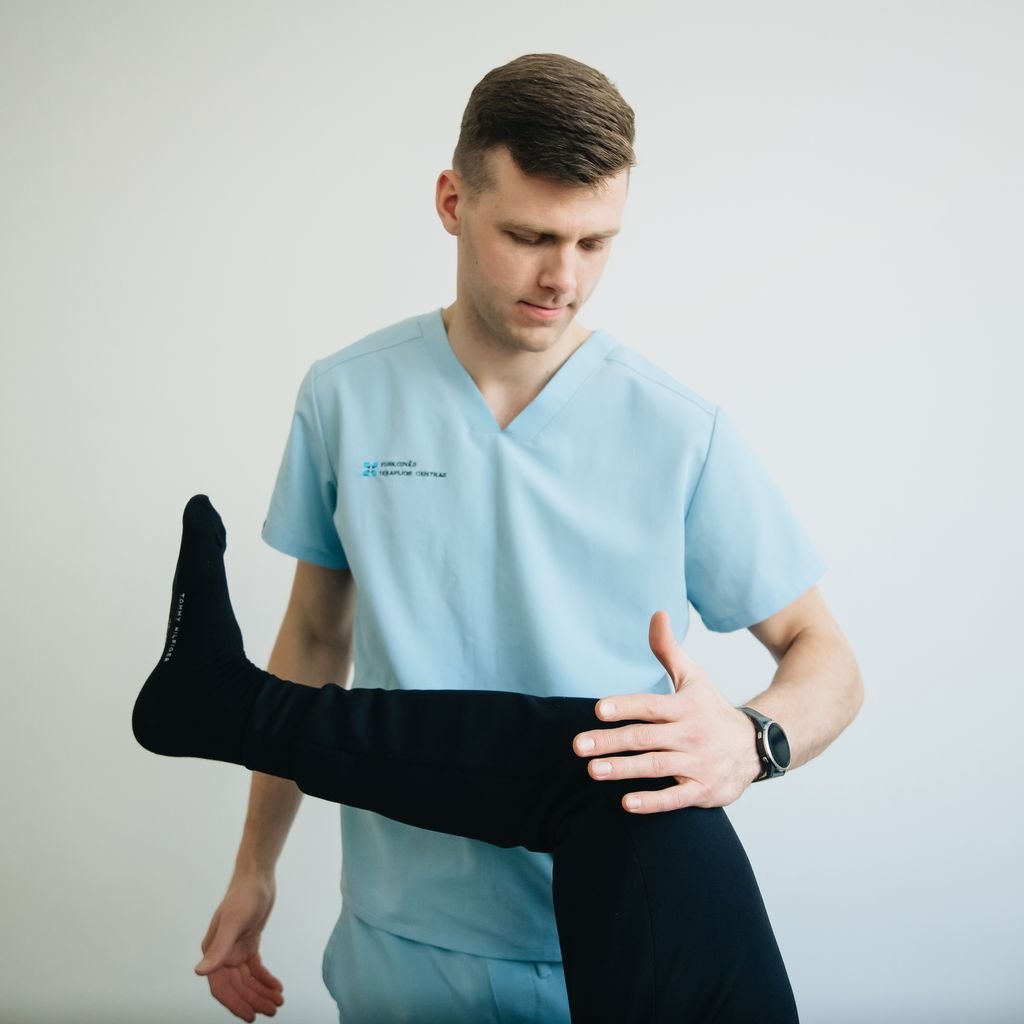
Like most ligament sprains, LCL injuries are graded on a three-point scale that reflects how much of the ligament’s structure has actually been disrupted, and grading matters because it genuinely changes both the expected recovery path and how urgently it needs assessing.
A grade one LCL sprain means the ligament has been stretched but not torn. You’ll typically notice tenderness directly over the outer knee with little to no swelling, and the knee itself generally still feels stable when you try to move on it, even if it’s uncomfortable. A grade two sprain means a partial tear, and symptoms step up accordingly, moderate pain, more noticeable swelling, and often some genuine sense of looseness or mild instability in the joint, particularly when you try to push off or change direction.
A grade three sprain is a complete tear of the ligament, and it tends to look and feel considerably more serious, significant swelling, visible bruising that often develops over the following day or two, real instability when you try to weight-bear, and sometimes an audible pop at the moment of injury. Grade three injuries, and some grade two injuries involving the wider posterolateral corner, are also the ones most likely to involve the other structures mentioned above, which is exactly why higher-grade LCL injuries warrant proper imaging rather than being managed on assumption alone.
When To Get It Checked Properly
Most LCL sprains, particularly grade one and many grade two injuries, respond genuinely well to guided rehab without needing surgery. That said, certain signs mean this needs a proper clinical look rather than a wait-and-see approach at home. Any real sense of instability, the knee feeling like it might give way, or actually buckling when you try to weight-bear, is worth taking seriously rather than pushing through.
Numbness, tingling, or a pins-and-needles sensation down the outer part of your lower leg or into your foot deserves prompt attention too. The common peroneal nerve runs close to the fibula right where the LCL attaches, and it can be stretched or compressed in more significant LCL and posterolateral corner injuries, so this specific symptom pattern is a genuine red flag rather than something to shrug off. Significant swelling that develops rapidly, visible bruising, or real difficulty bearing weight at all are further reasons to get assessed properly, ideally with imaging if a clinician recommends it, rather than trying to self-grade a potentially more serious injury as mild.
How Sports Rehab Supports Recovery
Once a proper assessment has confirmed what you’re actually dealing with, guided rehab plays a genuinely central role in LCL recovery, whatever the grade. At Impact Sports Rehabilitation, a Rehabilitation Consultation starts by establishing exactly how stable the knee is and which supporting structures might also need attention, before building a staged strengthening programme around that specific picture rather than a generic knee protocol.
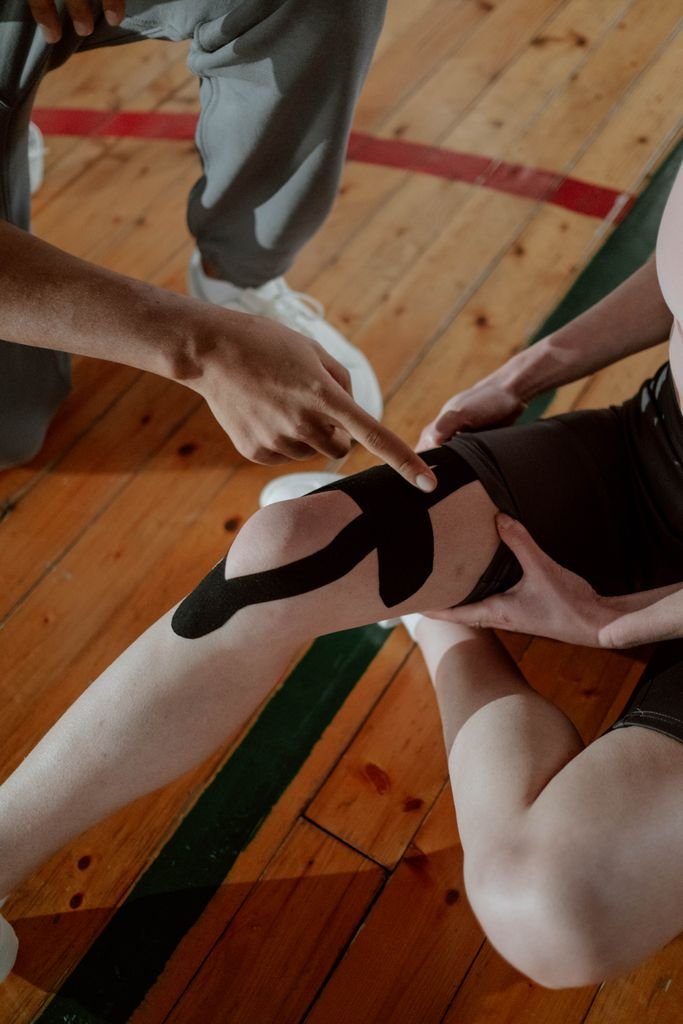
Rocktape taping is something many clients find genuinely useful for extra proprioceptive feedback during the early strengthening phase, helping the knee feel more supported as confidence in loading it returns. Sports massage can also help with the compensatory tightness that tends to build up through the hip and calf as you naturally favour the injured side, and both are used as supportive tools alongside, not instead of, the actual strengthening work once a clinician has confirmed it’s appropriate.
Returning To Cutting And Pivoting Sports Safely
Getting back to sports that involve cutting, pivoting, or sudden changes of direction genuinely needs a graded approach rather than jumping straight back in once the pain has settled, since those specific movements are exactly what load the LCL and posterolateral corner the most. Rebuilding lateral stability and proprioception, the knee’s sense of its own position in space, tends to matter as much as raw strength here, given the LCL’s job is fundamentally about controlling sideways movement under load.
A sensible progression usually moves through straight-line running, then controlled directional drills at reduced intensity, before working up to full-speed cutting and contact-sport specific movements, with each stage only progressing once the previous one feels genuinely confident rather than just tolerable. Rushing this, particularly for combat sports and BJJ practitioners where the knee is loaded unpredictably, is one of the more common reasons an LCL injury flares up again after it seemed to have settled. If you’re already past this diagnosis stage and want practical, hands-on recovery advice, our LCL Pain: Causes & Recovery Tips guide picks up exactly where this article leaves off.
If you’ve sprained or suspect you’ve sprained your LCL and want a proper picture of what’s actually going on, Impact Sports Rehabilitation works with everyday athletes, footballers, and combat-sports and BJJ practitioners across Eccles, Salford, Trafford, and the wider Greater Manchester area on exactly this kind of knee assessment. Ask about an online consultation if you’re further afield.
Frequently Asked Questions
Is an LCL sprain the same thing as an MCL sprain?
No, they’re injuries to different ligaments on opposite sides of the knee, the LCL is on the outer side and the MCL is on the inner side, and the two get confused constantly. If you’re not sure which one you actually have, that’s worth clarifying at your assessment rather than assuming.
Can I still walk on a sprained LCL?
Often yes with a grade one sprain, though it may be uncomfortable, but genuine instability or real difficulty weight-bearing points toward a more significant grade two or three injury that needs proper assessment. Walking on it without obvious buckling doesn’t automatically mean it’s mild, so don’t use that alone to rule out a more serious sprain.
Why does my outer leg feel numb or tingly since I hurt my knee?
This can happen because the common peroneal nerve runs close to where the LCL attaches near the fibula, and it can be affected in more significant LCL injuries. It’s genuinely a symptom worth getting checked promptly rather than waiting to see if it settles on its own.
Do I need an MRI for an LCL sprain?
Not always for a straightforward grade one injury, but imaging becomes genuinely useful for higher-grade sprains or when a clinician suspects other structures like the posterolateral corner or a cruciate ligament might also be involved. At Impact Sports Rehabilitation we’ll point you toward imaging when it looks genuinely necessary rather than as a routine first step for every knee injury.
How long until I can play cutting and pivoting sports again?
This depends heavily on the grade of the sprain and how the knee responds to guided rehab, and it’s genuinely not something we’d put a fixed number on without seeing how you’re progressing. Many clients find a staged return, building lateral stability and confidence before full-speed cutting, gets them back more reliably than rushing a fixed timeline.
Is it definitely a bad sign if my knee feels loose or wobbly?
Some sense of looseness can point toward a grade two or three sprain rather than a mild grade one, so yes, it’s worth mentioning specifically at your assessment rather than dismissing it. It doesn’t automatically mean surgery is needed, but it does mean the injury needs a proper look to establish exactly how stable the knee actually is.
This article is provided for general educational purposes by Impact Sports Rehabilitation and does not constitute medical advice, diagnosis, or treatment. LCL sprains range from mild to a complete tear, and grading, along with ruling out involvement of nearby structures, requires proper clinical examination and sometimes imaging; significant pain, instability, or numbness and tingling down the outer leg should be assessed by a qualified clinician promptly rather than self-treated. Always seek the guidance of a doctor or other qualified health provider with any questions about your specific injury.