Quick answer: The groin tendons most often involved in pain are the adductor tendons, especially the adductor longus where it attaches to the pubic bone, and tendon-related groin pain behaves differently to a muscle strain. It usually builds gradually, often eases once you warm up then aches afterwards or the next morning, and tends to settle more slowly. Recovery is generally built around progressive strengthening rather than rest alone, and a proper assessment is the best way to confirm whether a tendon is really the cause.
If you’ve been told your groin pain is coming from a tendon, or you suspect it might be, you’re dealing with a slightly different problem to the typical pulled groin. Groin tendons can become irritated and sensitive through overuse, and when they do, they rarely behave the way people expect. They might feel fine during training, then flare the next morning. They might settle with rest, only to return as soon as you go back to sport. That pattern is often what makes tendon-related groin pain so frustrating.
This article is a deeper look at tendon problems specifically. We’ll explain which tendons are involved, why tendon pain behaves differently to a muscle strain, what causes it, why it often takes longer to settle, and what treatment actually targets the tendon. For a broader overview of the inner thigh muscles, our guide to adductor pain is a good starting point. Please remember this is general information, and a proper clinical assessment is the best way to confirm what’s going on in your case.
Which Groin Tendons Are Involved In Groin Pain
The groin is where several muscle groups attach to the front of the pelvis, and each of them has a tendon that connects muscle to bone. The adductors, the group of muscles on the inside of the thigh that pull your legs together, are the most commonly involved. The adductor longus tendon in particular attaches to the pubic bone through a relatively small area, which means it concentrates a lot of force into one spot. That’s why tendon pain is often felt right where the inner thigh meets the pubic bone.
Other tendons can also be involved. The iliopsoas tendon, at the front of the hip, can become irritated in runners, dancers, and kicking athletes, causing pain deeper in the front of the groin. The lower attachment of the abdominal muscles, which blends with the adductor tendons near the pubic bone, can also be part of the picture, especially in sports with lots of twisting and kicking.
Why Groin Tendons Behave Differently To A Muscle Strain
This is the part most groin injury content glosses over, and understanding it can change how you approach recovery. A muscle strain is usually an acute injury. Something happens in one moment, often a sprint, kick, or sudden stretch, and you feel immediate pain. The muscle has a good blood supply and typically follows a fairly predictable healing process.
Tendon problems usually develop differently. Instead of a single injury, they build up over weeks or months when the tendon is repeatedly loaded more than it can adapt to. Tendons respond to load more slowly than muscles, so when training increases quickly, they can fall behind. The result is a tendon that becomes sensitive and less able to tolerate load, often described as tendinopathy.
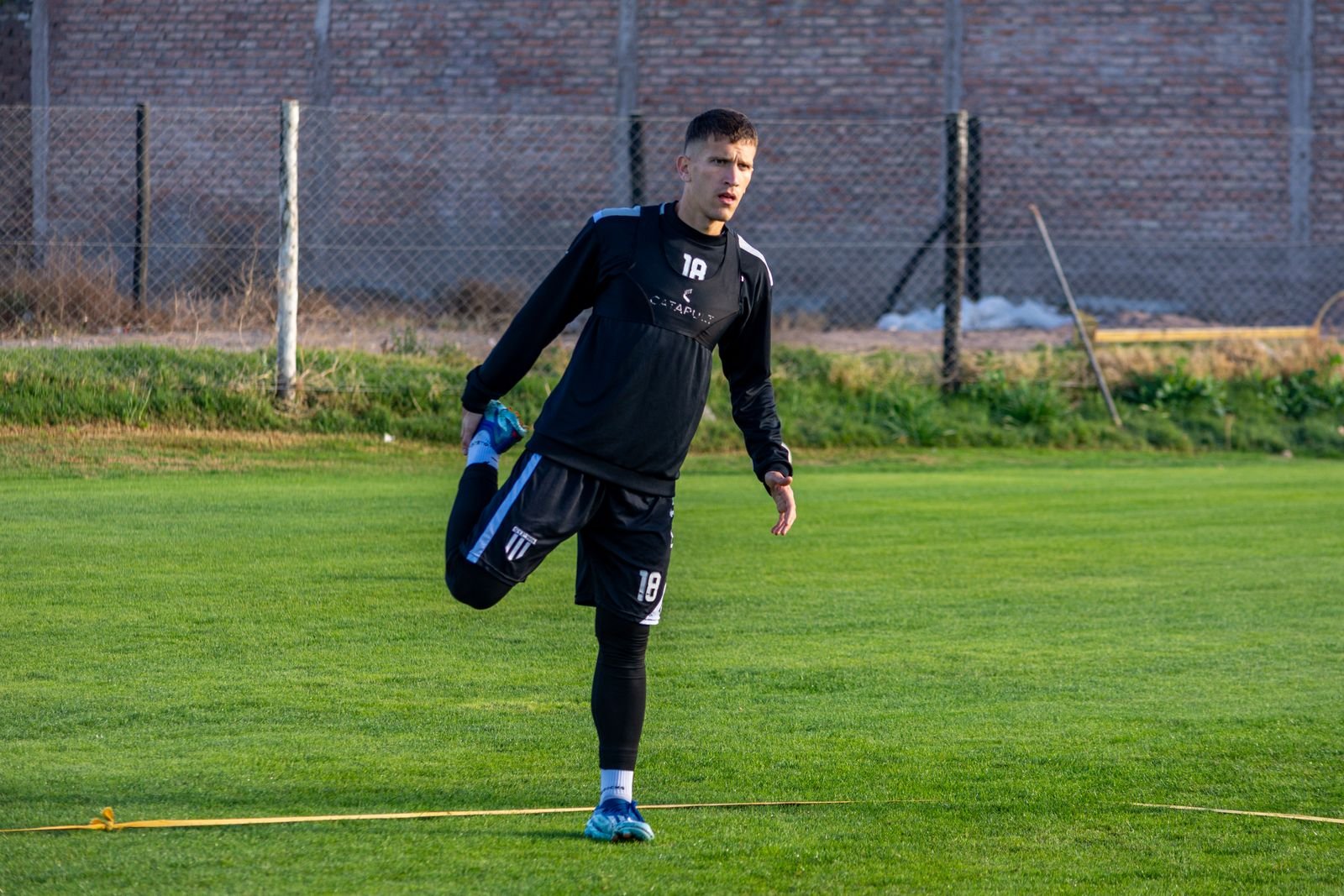
The symptoms often reflect this. Many people notice stiffness or pain when they start activity, which eases as they warm up, only to return afterwards or the next morning. Pain is often worse the day after a heavy session rather than during it. It tends to be closely tied to how much load the tendon has had recently, and complete rest can make it feel better temporarily without actually improving the tendon’s capacity, which is why symptoms often come back as soon as training resumes.
Common Causes Of Groin Tendon Issues
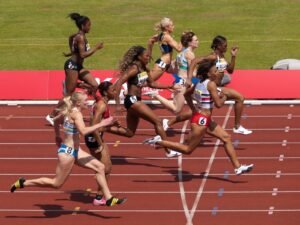
The most common cause is a rapid increase in load. That might be a sudden jump in training volume, a return to sport after time off, a new season with more matches, or adding lots of change of direction, kicking, or sprinting in a short space of time. Sports such as football, rugby, hockey, ice skating, and martial arts are particularly demanding on the adductor tendons because they combine kicking, cutting, and wide stances.
Runners can develop groin tendon problems too, often after increasing mileage, adding hills or speed work, or running more on cambered surfaces. If you’re a runner, our guide to groin pain running covers that pattern in more detail.
Other factors can contribute, including reduced adductor strength compared with the outer hip muscles, previous groin injury, limited hip mobility, poor recovery between sessions, and simply having played the same sport for many years. Compression may also play a role for some people, such as positions that squeeze or stretch the tendon at its attachment for prolonged periods.
Why This Type Of Injury Often Takes Longer To Settle
Tendons generally adapt more slowly than muscle, partly because of their lower blood supply and the way their structure remodels in response to load. That means improvements in tendon capacity usually happen over weeks and months rather than days. Many people find their symptoms improve gradually, with occasional ups and downs, rather than in a straight line.
The other reason is that tendon pain is sensitive to load in both directions. Too much load keeps the tendon irritated, but too little load allows it to decondition, so it becomes even less able to cope when you return to sport. This is why rest alone often isn’t enough. Finding the right amount of load, enough to stimulate adaptation without causing a flare, is the key, and it’s also why tendon recovery can feel slower and less predictable than recovery from a muscle strain. It’s also why short-term fixes such as repeated rest periods or passive treatments alone rarely solve the problem for good.
It helps to set realistic expectations from the start. In our experience, people who understand that tendon recovery is gradual are far less likely to get discouraged by a bad day and abandon their programme. A mild flare after a busy week doesn’t mean you’re back at square one, it usually just means the load needs adjusting for a few days.
Treatment That Actually Addresses Groin Tendons
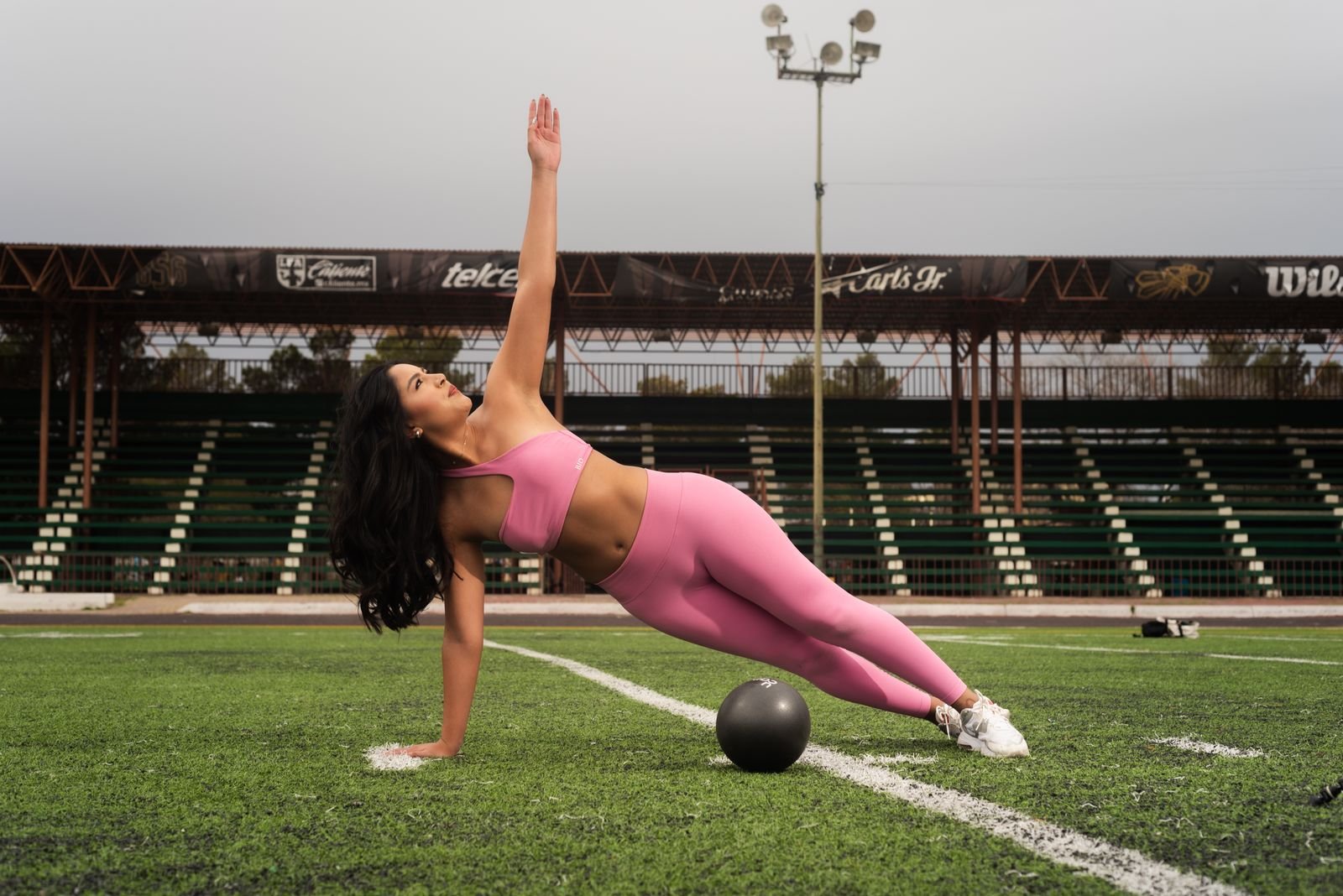
The core of treatment for groin tendon problems is usually progressive loading, a structured programme that gradually increases how much the tendon is asked to do. Early on, this often includes isometric exercises, such as squeezing a ball or pillow between your knees and holding for thirty to forty-five seconds, which many people find help reduce pain while starting to load the tendon. As symptoms settle, exercises progress to slow, heavier strengthening, such as side-lying adductor lifts and short-lever Copenhagen planks, then to longer-lever versions. Research in footballers has found that regular Copenhagen adduction training can reduce the risk of groin problems, which is why it’s often a key part of programmes.
Later stages add speed and sport-specific loading, such as lateral movements, change of direction, kicking, and skating actions, depending on your sport. Pain is monitored throughout. A common guide is that mild discomfort during exercise is acceptable if it settles quickly and doesn’t increase the next morning. Aggressive stretching and long periods of complete rest are usually avoided, as these don’t build tendon capacity.
A simple way to keep track is to score your groin pain out of ten during a regular test, such as a ball squeeze or a few sideways lunges, each morning. If that score is stable or improving, the current load is probably about right. If it’s noticeably higher than usual the morning after a session, that session was likely too much, and the next one should be scaled back slightly rather than stopped altogether. This kind of day-to-day feedback is often more useful than any fixed programme written on paper.
How Sports Rehab Supports Recovery
At Impact Sports Rehabilitation, a rehabilitation consultation starts by confirming whether a tendon is likely to be the source of your pain and ruling out other causes, such as hip joint problems, hernias, or bone stress injuries. We then build a progressive loading programme based on your current symptoms, strength testing, and sport, with clear stages and guidance on managing training around it.
Hands-on treatment can support the programme. Sports massage can ease tension in the surrounding muscles, and Rocktape taping may help some people feel more comfortable during activity. These work best as support for the loading programme rather than a replacement for it. For more general groin strengthening ideas, see our guide to groin rehab exercises.
If groin tendon pain keeps returning or isn’t settling, Impact Sports Rehabilitation in Eccles, Greater Manchester can assess what’s going on and build a structured plan to rebuild tendon strength and get you back to sport. We see athletes from Eccles, Salford, Trafford, and across Manchester, and online consultations are available if you’re further away. Book in and let’s build a recovery plan that lasts.
Frequently Asked Questions
How do I know if my groin pain is a tendon or a muscle?
Muscle strains usually start suddenly during a specific movement, while tendon problems tend to build gradually and often ease during activity before flaring afterwards. A proper assessment is the most reliable way to tell the difference.
Should I rest a sore groin tendon completely?
Short periods of reduced activity can help settle a flare, but complete rest for long periods often lets the tendon lose strength. Most people do better with a structured programme that keeps the tendon loaded at a level it can tolerate.
How long do groin tendon problems take to heal?
It varies a lot depending on how long you’ve had symptoms, your sport, and how consistently you follow your programme. Tendon problems often improve gradually over weeks to months rather than days, and Impact Sports Rehabilitation can help guide that progression.
Can I keep playing football with groin tendon pain?
Some people can continue at a reduced level if pain stays mild and settles by the next morning. If pain is increasing, changing how you move, or worse the next day, it’s worth reducing load and getting assessed.
Are Copenhagen planks good for groin tendon pain?
They’re often part of later-stage rehab and prevention programmes, but they can be too demanding early on. Starting with easier variations and progressing as symptoms allow is usually the safest approach.
Why does my groin feel better during training but worse the next day?
That pattern is common with tendon problems, as pain often eases once the tendon warms up but the load still irritates it. How it feels the following morning is usually the most useful guide to whether you’re doing too much.
This article is for educational purposes only and is not a substitute for professional medical diagnosis or treatment. Tendon-related groin pain needs proper assessment to confirm the cause, and recovery timelines vary from person to person. Impact Sports Rehabilitation offers in-person and online consultations to support your recovery.