Quick answer: Groin rehab exercises work best when they follow a genuine staged progression, moving from pain-free range of motion, to adductor and core strengthening, to sprint and change-of-direction work, rather than jumping straight into stretching or strengthening. Progressing too early is the single biggest reason groin strains become a repeat injury.
If you’ve pulled your groin before, you already know the frustrating part isn’t the first injury, it’s how easily it comes back. Groin strains have one of the highest recurrence rates of any soft tissue sports injury, and in our experience at Impact Sports Rehabilitation, most repeat injuries happen because someone returned to running, kicking, or changing direction before the tissue was genuinely ready. Groin rehab exercises aren’t a single list of moves you work through once, they’re a staged programme that changes week to week depending on how your body responds. This article walks through what that staged approach actually looks like, from the earliest pain-free movement work through to the sprint and kicking drills you’ll need before stepping back onto the pitch or into full training. If you’re still working out exactly what you’ve injured, our guides to groin pain, groin injury, and adductor pain cover the diagnostic side in more depth, this article focuses specifically on the exercise progression itself.
Why Groin Rehab Needs A Genuinely Staged Approach
The groin is a busy junction of muscles, the adductors, hip flexors, and lower abdominals all attach close together, and they’re asked to do a lot of work under load every time you sprint, cut, kick, or change direction. When one of these structures is strained, even a mild grade 1 tear, the surrounding tissue is left temporarily weaker and less able to tolerate the sudden, forceful contractions that sport demands. Research consistently finds that athletes who return to sport before they’re genuinely pain-free and have rebuilt adequate strength are considerably more likely to re-strain the same area, often worse than the first time. This is why a proper rehab plan doesn’t just ask whether it still hurts, it works through a sequence of stages, each with its own goals, and each one earning the right to move to the next. Rushing this sequence, or skipping straight to sprinting because the groin feels fine walking around, is the single most common reason we see repeat groin injuries at the clinic.
Early-Stage Exercises To Restore Pain-Free Movement
The first goal after a groin strain isn’t strength, it’s restoring pain-free movement through a comfortable range. This stage typically starts once the acute swelling and sharp pain from the initial injury has settled, usually meaning you can walk without a limp. Gentle isometric holds, pressing the leg inward against light resistance and holding the position without moving, are often the first true exercise introduced, since isometric loading tends to be well tolerated even fairly early on and helps reduce pain while keeping the muscle active. From there, slow, controlled hip movements through a pain-free range, gentle standing hip adduction against a resistance band, seated knee squeezes around a soft ball, and easy stationary cycling with the seat raised to limit hip flexion, all help restore confidence and blood flow without overloading the healing tissue. The rule at this stage is simple, everything should stay comfortably below any sharp pain, and mild, dull discomfort that settles quickly is generally acceptable, but nothing should linger or worsen the next day.
Mid-Stage Strengthening For The Adductors And Core
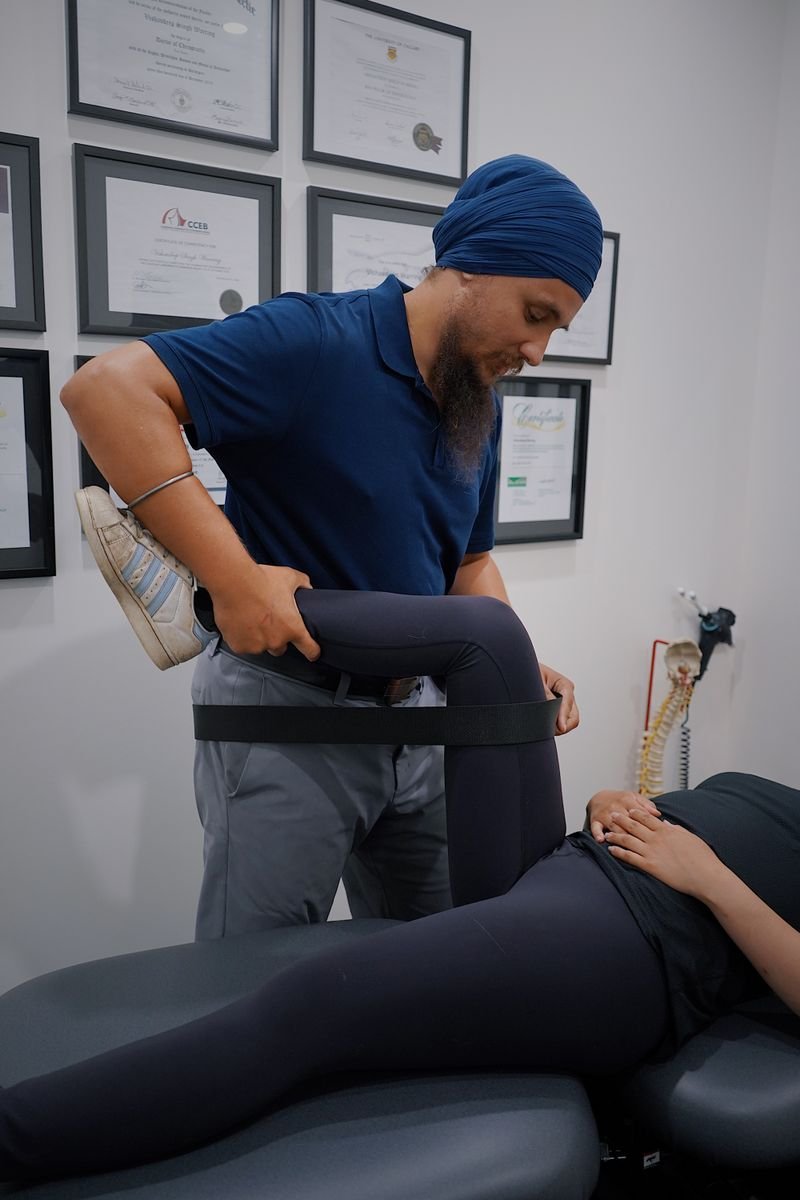
Once you can move through a full, pain-free range and the isometric holds feel easy, the focus shifts to building real strength back into the adductors and the surrounding core and hip muscles. This is where most people’s mental picture of groin exercises actually starts, side-lying leg lifts, standing cable or band adduction, Copenhagen plank progressions (a well-known adductor-loading exercise increasingly used in professional sport specifically because it targets the muscle group most involved in groin strains), and resisted hip flexion for the muscles that work alongside the adductors during running and kicking. Core strengthening matters just as much here as direct groin work, since a stable pelvis and trunk reduce the amount of strain placed on the adductors during single-leg loading, so exercises like dead bugs, side planks, and controlled single-leg bridges are usually built in alongside the adductor-specific work. Progression through this stage should follow the same pattern, gradually increasing resistance, range, and control, while checking that pain stays low and doesn’t increase the day after training. A useful marker many therapists use here is the adductor squeeze test, gently resisting a ball or a partner’s hand squeezed between the knees and comparing how it feels against the uninjured side, since a big gap in comfort or strength between the two legs is a fairly reliable sign that mid-stage work still has further to go before moving on.
Late-Stage Exercises Before Returning To Sprinting Or Kicking
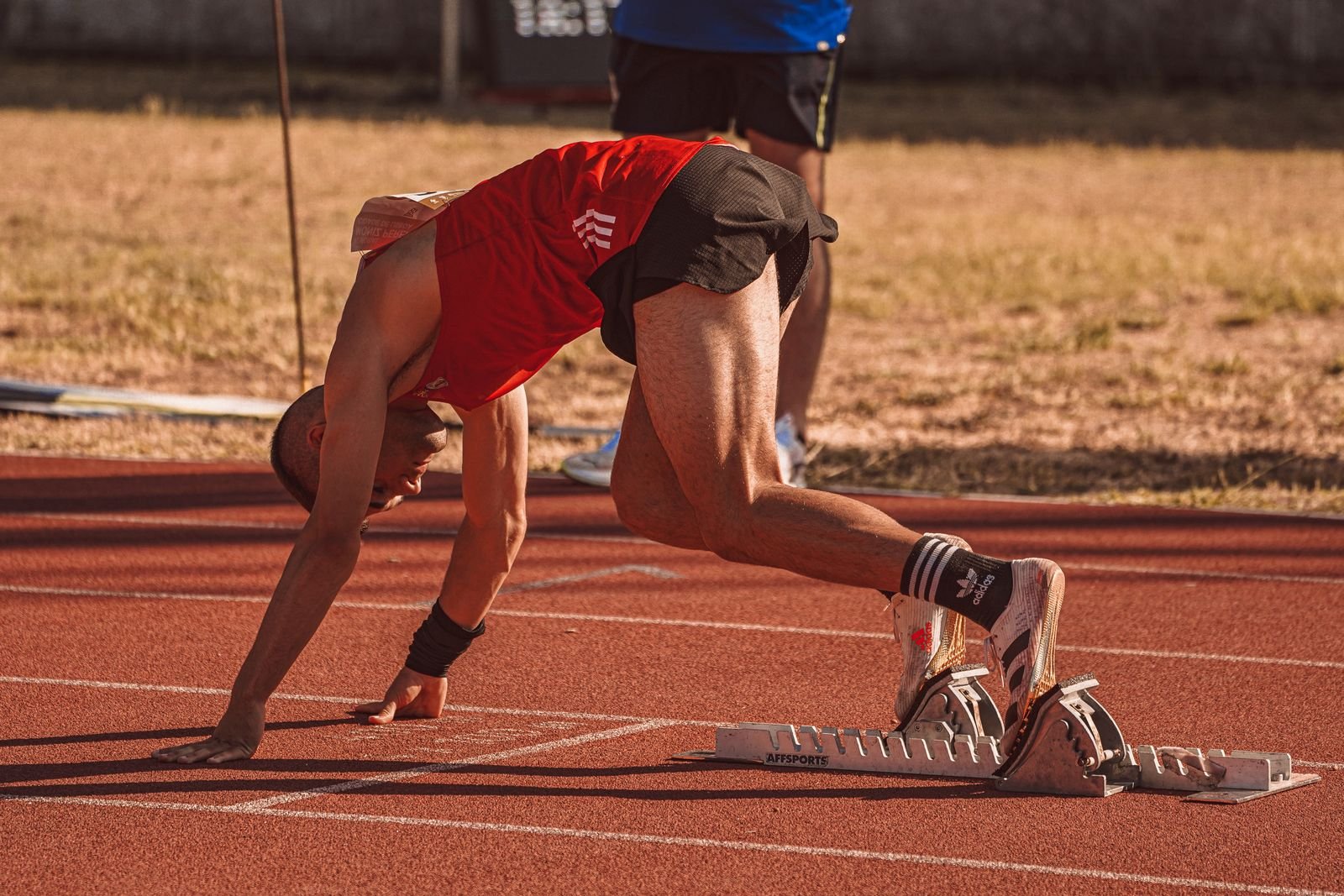
The final stage before returning to sport is where a lot of people either rush ahead or, just as often, hold themselves back longer than necessary out of nervousness. This stage introduces higher-speed, higher-force movement, straight-line running progressions building from jogging to strides to genuine sprinting, lateral shuffles and controlled change-of-direction drills, and sport-specific movements like kicking a ball at increasing pace and power for footballers, or take-downs and hip-driven movements for combat athletes. The key difference from mid-stage work is speed and unpredictability, since a strained adductor is often perfectly capable of a slow, controlled strengthening exercise long before it can safely absorb the sudden, explosive load of a mistimed sprint or an off-balance kick. Many people find that building through this stage in a genuinely gradual way, rather than jumping from gentle jogging straight to a full-pace training session, is what finally breaks the cycle of repeated groin strains that so many athletes get stuck in.
How A Guided Program From Sports Rehab Reduces Re-Injury Risk
Given how high the recurrence rate is for groin strains, working through this progression with proper guidance rather than guesswork makes a genuine difference. At Impact Sports Rehabilitation, a rehabilitation consultation typically starts with an assessment of exactly which structure was strained, how severe it was, and what stage of healing you’re currently at, since this shapes which exercises are appropriate right now rather than which ones might be appropriate in a few weeks. From there, the programme is adjusted session to session based on how you’re actually responding, not a fixed generic sheet handed out on day one. This kind of individualised progression, alongside supportive tools like sports massage or cupping therapy to help manage tightness and discomfort around the area, is what most reliably closes the gap between feeling okay and genuinely being ready for sprinting and kicking, which is exactly where most re-injuries happen.
Signs You’re Ready (Or Not Ready) For The Next Stage
Most groin exercise guides tell you what to do at each stage, but very few give you a practical way to judge whether you’re actually ready to move on, or whether you’re staying cautious for longer than you need to. A few genuinely useful markers are worth knowing. You’re generally ready to progress when you can repeat an exercise for full sets across more than one session without any increase in pain the following day, not just manage it once on a good day. Being able to perform the movement at full range and reasonable speed, not just slowly and carefully, is another sign the tissue is coping with real-world demand rather than just tolerating a controlled test. On the other hand, signs you’re not ready include pain that spikes during the exercise itself, discomfort that’s worse the next morning than it was the day before, or a nagging sense of tightness that never fully settles between sessions, all of which suggest the previous stage needs more time. It’s also worth recognising the opposite problem, staying overly cautious. Many people plateau in mid-stage strengthening for weeks longer than necessary, avoiding any real speed or load because the injury still feels fragile, even once pain has genuinely resolved and strength has been rebuilt. In our experience, this kind of unnecessary over-caution is almost as common as rushing back too early, and it’s one of the main reasons a guided assessment is useful, since it gives you an objective marker for progressing rather than relying on nerves alone. A practical way to check yourself honestly is to ask whether you’re avoiding the next stage because of a specific, repeatable symptom, or simply because of how the injury felt weeks ago, since the second reason usually means it’s time to test the water rather than wait longer.
If you’re working through a groin strain and aren’t sure which stage you’re actually at, or you keep feeling like you’re stuck between better and ready, a rehabilitation consultation at Impact Sports Rehabilitation in Eccles, Greater Manchester can give you a clear, individualised plan rather than a generic exercise sheet. We work with runners, footballers, gym-goers, and combat-sports athletes throughout Eccles, Trafford, Salford, and the wider Manchester area, and online consultations are available if you’re further afield.
Frequently Asked Questions
How long does groin rehab usually take?
It really depends on the severity of the strain and how consistently the rehab plan is followed, so there’s no single timeline that applies to everyone. Many people move through the early stage within a couple of weeks, but the full progression back to sprinting and kicking can take considerably longer, and rushing this timeline is exactly what tends to cause a repeat injury.
Is it normal for groin exercises to still feel slightly uncomfortable?
Mild, dull discomfort that settles quickly and doesn’t linger into the next day is generally considered acceptable during rehab, especially in the early stages. Sharp pain, or discomfort that’s clearly worse the morning after, is a different signal, and it usually means the current exercise is too advanced for where you’re at right now.
Can I keep doing groin rehab exercises if it’s still a bit swollen?
Gentle, pain-free movement is often still appropriate with mild residual swelling, but anything beyond mild swelling, or swelling alongside significant pain or bruising, is a reason to get properly assessed before continuing. This is exactly the kind of situation where a quick clinical check can save weeks of guesswork.
Do I really need to do the mid-stage strengthening, or can I go straight from stretching to sprinting?
Skipping the strengthening stage is one of the most common reasons groin strains come back, since a muscle that’s regained comfortable range of motion hasn’t necessarily regained the strength needed to absorb a sprint or a hard kick. Building genuine adductor and core strength first is what actually protects the area once you’re back to higher-speed movement.
Can cupping or sports massage actually help with groin rehab, or is that just relaxation?
Many clients find that cupping and sports massage help manage tightness and discomfort around the hip and groin area alongside an active exercise programme, though they work best as a supportive addition rather than a replacement for the staged exercises themselves. At Impact Sports Rehabilitation we often build these in alongside the exercise progression when it seems genuinely useful for a particular client.
How do I know if my groin strain is actually serious enough to need assessment rather than just resting it?
Significant swelling, visible bruising, difficulty walking, or pain that hasn’t started improving within the first week or so are all reasons to get it properly assessed rather than guessing at home. Since appropriate exercises genuinely depend on the severity and stage of the injury, a clinical assessment early on tends to save time in the long run rather than costing it.
This article is educational and general in nature, and is not a substitute for professional medical diagnosis or treatment. If your groin injury is recent, severe, or the cause is unclear, or if you experience sharp pain during any exercise, stop and seek a proper clinical assessment before continuing. Impact Sports Rehabilitation offers rehabilitation consultations to assess your specific injury and build an appropriate, staged recovery plan.