Quick answer: Groin pain most commonly comes from an adductor strain, the leading cause in athletes by a meaningful margin, though sports hernia, hip issues, and stress fractures are also genuine possibilities worth ruling out. Location, onset pattern, and aggravating movements all give useful clues. Persistent, significant, or worsening pain, or any lump, swelling, or pain associated with urinary symptoms, needs prompt medical attention rather than home management alone.
Groin pain is genuinely one of those complaints where a quick, practical rundown actually helps, rather than either an exhaustive list of every possible cause or a deep dive into managing one specific acute injury. Here’s exactly that, the key signs worth noting, what’s actually most likely given real-world frequency, and what to do about it.
The Key Signs Worth Paying Attention To
Location genuinely narrows things down considerably. Pain along the inner thigh points toward the adductor muscles specifically, our more detailed adductor pain article covers that particular presentation if this sounds like your situation. Pain lower down, closer to the pubic bone itself, points more toward a potential sports hernia or pubic-region issue, while pain more toward the front of the hip joint suggests a hip-related cause rather than the groin muscles themselves.
Onset pattern is equally useful, a sudden, sharp onset tied to a specific sprinting, kicking, or cutting movement points toward a muscular strain, while pain that’s built up gradually over days or weeks, particularly if it’s activity-related and worsens progressively, raises the possibility of an overuse issue like a stress fracture or tendon-related problem instead. Aggravating movements give a further clue, pain specifically with resisted hip adduction, squeezing your knees together against resistance, points toward the adductors, while pain during deep hip flexion or rotation points more toward the hip joint itself.
Pain specifically with coughing or straining, rather than movement itself, is a genuinely notable pattern worth mentioning too, since this particular trigger points more toward a sports hernia or abdominal-wall-related cause than a straightforward muscular strain, which typically doesn’t flare with this kind of non-movement-related pressure. Noting which of these specific triggers actually reproduces your pain, rather than assuming groin pain is groin pain regardless of the specifics, genuinely helps narrow down what’s actually going on before you even see anyone.
The Most Likely Causes, In Order Of Frequency
This is genuinely the part most groin pain articles get wrong, presenting causes as an undifferentiated list without any sense of actual real-world likelihood. Adductor strains are, by a meaningful margin, the single most common cause of groin pain in athletes, research on soccer players specifically has found the majority of groin injuries in that sport are adductor-related, making this genuinely the first, most likely explanation worth considering.
Sports hernia, or athletic pubalgia, involving the lower abdominal and adductor attachment area near the pubic bone, is a genuine, less common cause worth knowing about, particularly if the pain sits lower and more centrally than a typical adductor strain. Hip-related causes, including hip impingement or labral issues, are a further genuine possibility, particularly if pain relates more to hip movement itself than to the resisted adduction pattern typical of a muscular strain. Stress fractures of the pubic bone or hip, while genuinely less common than the causes above, are a real possibility worth ruling out for anyone with gradually worsening, activity-related pain, particularly in higher-volume runners.
Nerve-related causes, entrapment of one of the small nerves passing through the groin region, are a genuinely less common but real possibility too, typically presenting as a more burning, tingling quality of pain rather than the more straightforward ache or sharp pain typical of a muscular strain. While this is towards the rarer end of the likelihood spectrum covered here, it’s worth mentioning specifically because the character of the pain itself, burning or tingling rather than a straightforward ache, is a genuinely useful clue that shifts the likely cause away from a simple strain, which a proper assessment can then investigate further.
Quick Fixes For Everyday Groin Discomfort
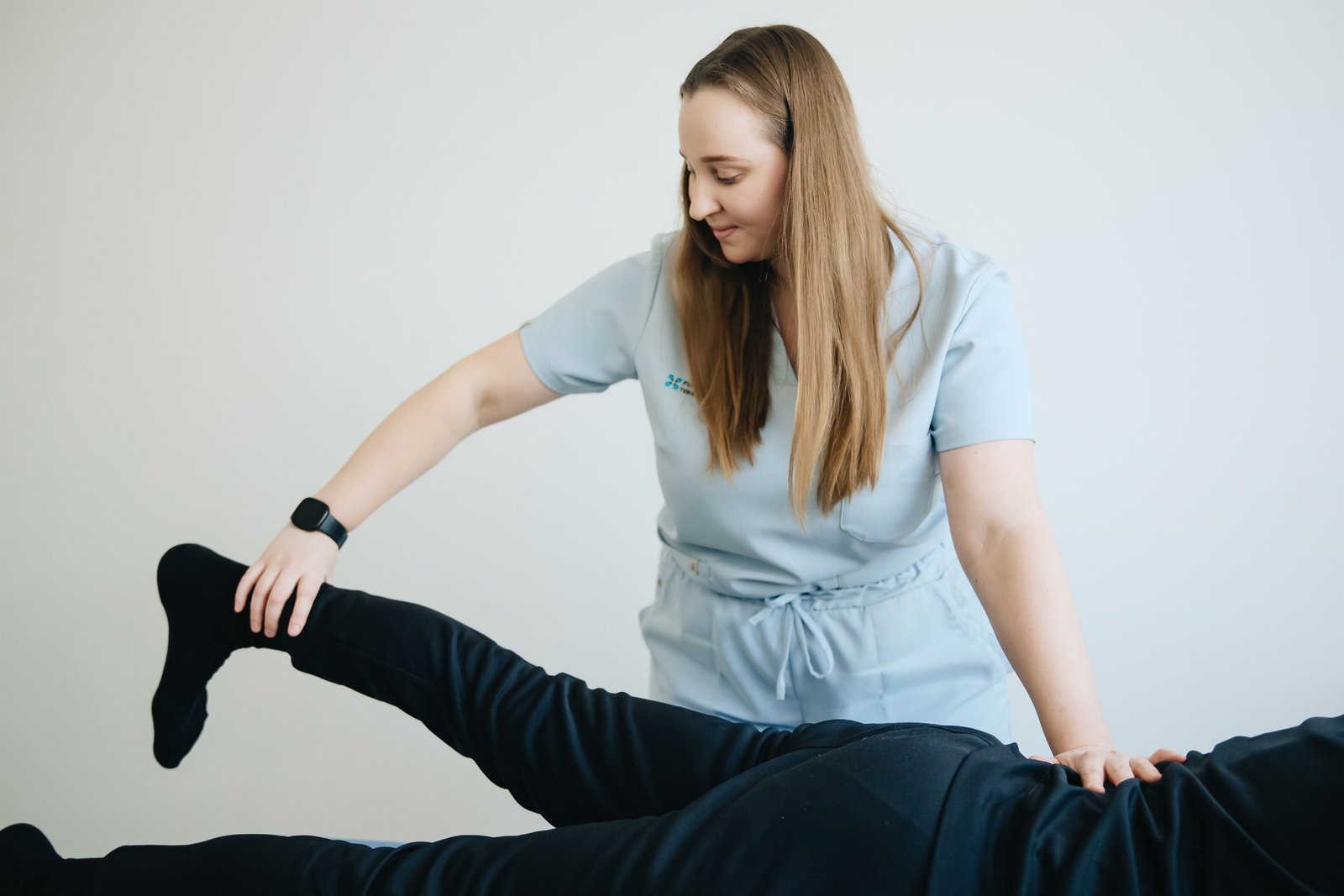
For genuinely mild, everyday groin discomfort, once anything more significant has reasonably been ruled out, sensible early steps include briefly reducing clearly aggravating activity while maintaining gentle, pain-free movement rather than complete rest. Gentle stretching of the inner thigh muscles, done within a comfortable range rather than forcing anything, can help with mild tightness-related discomfort specifically.
A gradual, gentle return to normal activity, paying attention to how the area responds rather than jumping straight back to full training, tends to serve mild, everyday discomfort well. If discomfort doesn’t genuinely ease within a few days of this kind of sensible, gentle management, that’s a reasonable point to seek a proper assessment rather than continuing to self-manage indefinitely.
Light, gentle warmth applied to the area, once any acute swelling has settled, can also help ease everyday muscular tightness and make gentle movement feel more comfortable in the meantime. It’s worth being clear that these quick fixes are genuinely intended for mild, everyday discomfort, not a substitute for proper assessment if your pain is more significant, persistent, or accompanied by any of the warning signs covered next.
When It’s More Than A Simple Strain
Being direct about this matters. Persistent pain that isn’t genuinely improving with sensible rest and gentle movement, significant pain that limits normal walking or daily activity, or worsening pain despite reasonable self-care, all warrant proper assessment rather than continued self-management. Any lump or swelling in the groin area is a genuine signal to get checked, since this can indicate a hernia or other structural issue needing proper evaluation.
Pain associated with urinary symptoms, changes in urination, or pelvic discomfort beyond the groin itself, needs prompt medical attention, since this combination can point toward something beyond a straightforward musculoskeletal cause.
A genuinely useful practical marker is progress over a sensible timeframe, mild muscular groin discomfort that’s responding to gentle self-care should show at least some noticeable improvement within roughly a week, and if it’s staying the same or getting worse across that period despite sensible management, that’s a clear enough signal to stop self-managing and get properly assessed, rather than continuing to wait for a change that isn’t coming.
How Sports Rehab Gets To The Bottom Of It
Working out exactly which of the several possible causes is actually driving your groin pain is precisely what a proper assessment is built to determine, rather than guessing based on symptoms alone. At Impact Sports Rehabilitation, a Rehabilitation Consultation includes specific tests to identify whether the adductors, hip, or another structure is actually involved, building a targeted plan around the real cause rather than a generic groin protocol that treats every presentation the same way regardless of what’s actually going on. If your pain sits more broadly across the groin muscles rather than one specific structure, our groin muscle pain and groin injury articles cover those related presentations in more depth.

Preventing Groin Pain From Becoming A Recurring Problem
A proper warm-up genuinely matters more for groin injury prevention than people often assume, specifically including some dynamic movement through the adductors and hips rather than only general, whole-body warm-up activity. Sensible load management, avoiding sudden jumps in training volume or intensity, particularly involving sprinting, cutting, or kicking, respects how these tissues actually need time to adapt to new demands.
Building genuine adductor and hip strength as an ongoing part of training, rather than only addressing it reactively once pain has developed, is a well-supported, practical way to reduce your ongoing risk, particularly given how notoriously prone to recurrence groin-region injuries can be once they’ve happened once. Gradually building tolerance for the specific demands of your sport, rather than jumping straight from off-season conditioning into full-intensity training, respects how these tissues actually need progressive exposure to a new season’s demands, and genuinely reduces the injury spikes commonly seen at the start of a new competitive block.
If you’re dealing with groin pain and want a genuine assessment of what’s actually causing it, Impact Sports Rehabilitation works with athletes across Eccles, Salford, Trafford, and the wider Greater Manchester area on exactly this. Ask about an online consultation if you’re further afield.
Frequently Asked Questions
What’s actually the most likely cause of my groin pain?
Statistically, an adductor strain is by far the most common cause of groin pain in athletes, so it’s genuinely the first, most likely explanation worth considering. That said, a proper assessment is the reliable way to confirm what’s actually going on for you specifically.
Is it okay to just rest and see if my groin pain goes away on its own?
For genuinely mild, everyday discomfort, brief rest alongside gentle movement is a sensible first step. If it isn’t improving within a few days, or if it’s more significant from the start, getting a proper assessment is genuinely more reliable than continuing to wait it out.
Could my groin pain actually be something more serious like a hernia?
It’s possible, particularly if you notice a lump or swelling in the area, which is a genuine signal to get checked. Most groin pain is muscular rather than hernia-related, but this specific sign warrants proper evaluation rather than assumption either way.
Why does my groin pain keep coming back even after it feels better?
Groin-region injuries, adductor strains in particular, are genuinely known for a high recurrence rate, often linked to incomplete rehab or returning to sport before real strength and capacity have been rebuilt. Continuing targeted strengthening beyond just pain resolution genuinely helps.
Should I see a specialist or is a sports therapist enough for groin pain?
A sports rehab assessment is a genuinely sensible starting point for most groin pain, and can help identify whether your case needs onward referral to a specialist. In our experience, most groin pain is appropriately managed through sports rehab, with specialist referral reserved for the less common cases that genuinely need it.
This article is provided for general educational purposes by Impact Sports Rehabilitation and does not constitute medical advice, diagnosis, or treatment. Groin pain can have several causes, and this article does not suggest a single diagnosis. Persistent, significant, or worsening pain, or any lump, swelling, or pain associated with urinary symptoms, needs prompt medical attention. Always seek the guidance of a doctor or other qualified health provider with any questions about your specific symptoms.