
Quick answer: A boxer’s fracture is a break in the neck of the fifth metacarpal, the bone leading up to your little finger knuckle, almost always caused by punching with poor fist alignment, whether that’s a bag, an opponent, or an unfortunate wall. It’s one of the most common hand fractures seen in combat sports, and while many cases heal well with simple splinting, a fracture involving real deformity, rotation of the finger, or an inability to make a fist needs proper medical assessment rather than being treated at home. Getting the alignment right matters more with this fracture than people expect, even a small amount of rotation at the break can cause a genuinely noticeable overlap at the fingertip.
Whether it happened on the bag, against an opponent, or in a moment of frustration against something considerably less forgiving than a bag, a painful, swollen hand after a punch is one of the most common injuries we see in combat sports. There’s no judgement here, this is a genuinely common injury with a well-understood cause and a clear treatment pathway, and it’s worth understanding exactly what’s happened and what needs to happen next.
What A Boxer’s Fracture Actually Is
A boxer’s fracture specifically refers to a break at the neck of the fifth metacarpal, the long bone in your hand leading up to your little finger knuckle. It’s genuinely one of the most common hand fractures in sport, accounting for a meaningful proportion of all hand fractures seen, and it breaks at this particular spot because of exactly how force travels through the hand during a punch.
The fifth metacarpal, being on the outer edge of the hand, tends to bear a disproportionate amount of force when a punch lands with poor knuckle alignment, since the striking surface isn’t evenly distributing impact across all the knuckles the way good technique would. This is why this specific fracture has earned its name, it’s overwhelmingly a punching injury, even though the same bone can occasionally break through other mechanisms too.
The “neck” of the bone, the slightly narrower section just below the knuckle itself, is a genuine structural weak point, which is exactly why the fracture consistently happens at this specific location rather than randomly along the bone’s length. Understanding this helps explain why the injury looks and behaves fairly consistently from one case to the next, even though the exact force and circumstances behind each punch obviously vary.
How This Injury Typically Happens
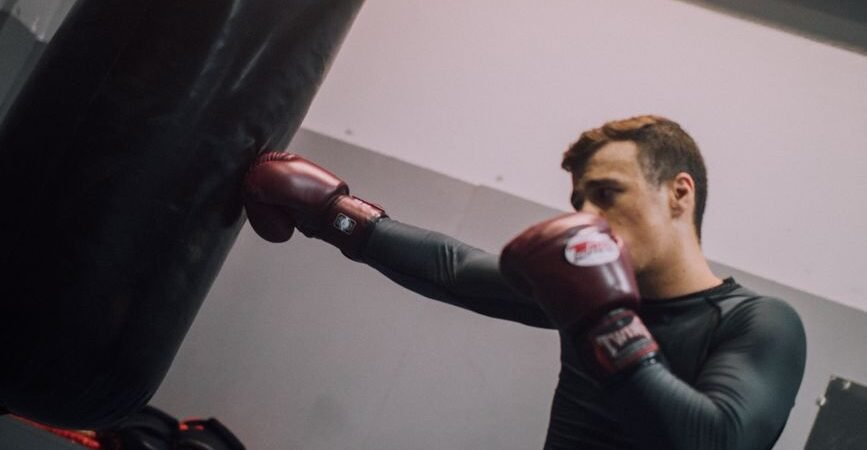
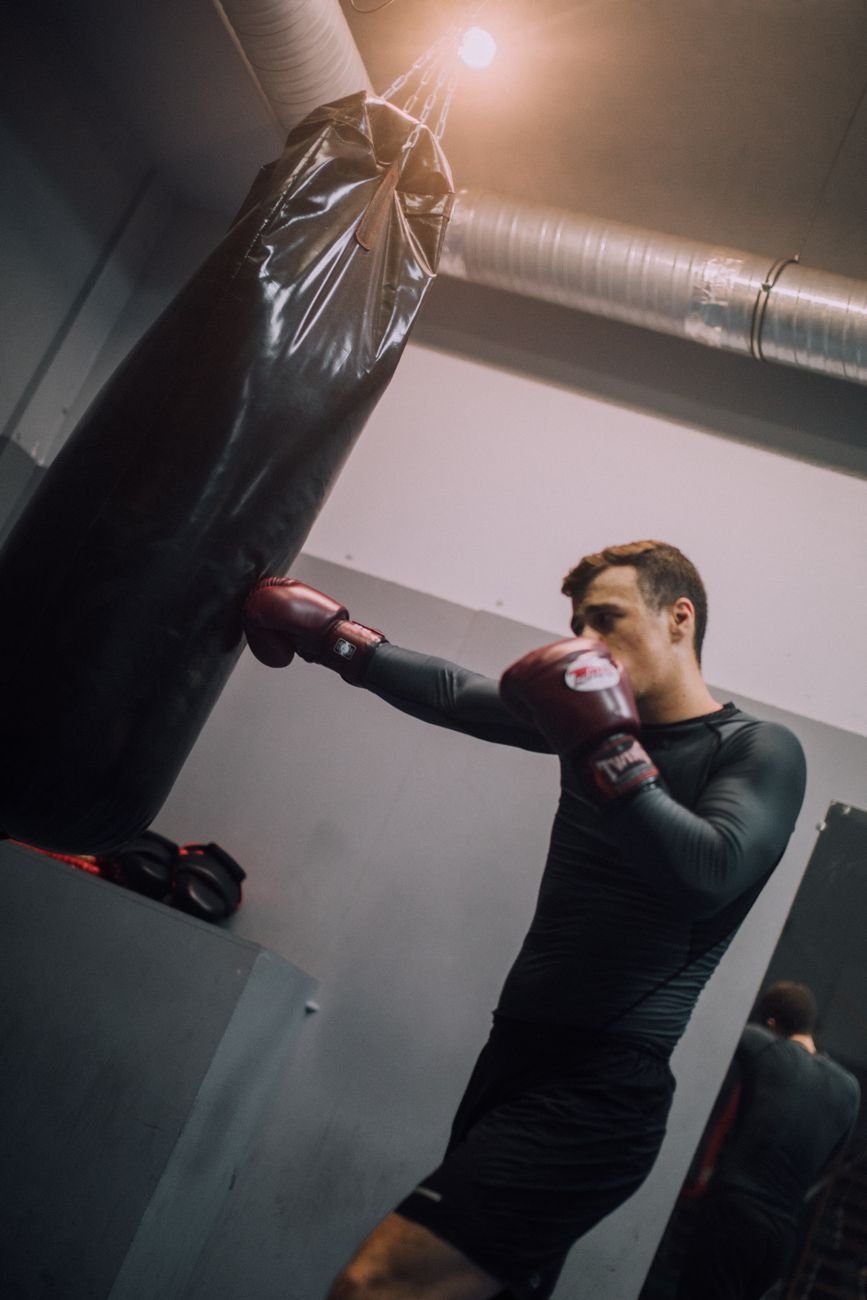
The classic mechanism is a punch landing with the hand slightly rotated or the wrist not properly aligned, so that the force concentrates through the little finger side of the hand rather than being spread across the first two knuckles the way correct punching technique intends. This can happen against a heavy bag, an opponent, or, candidly, a wall or door in a moment of frustration, and the mechanism is identical regardless of what was actually struck.
Technique matters as much as the force behind the punch here, a well-thrown punch with good fist and wrist alignment distributes impact far more evenly, while a poorly aligned punch, even one that doesn’t feel especially hard, can concentrate enough force through this one bone to fracture it. This is genuinely useful to understand, because it means technique correction, not just recovery, is part of preventing this happening again.
It’s also worth being honest that a punch thrown against an unforgiving surface, a wall, a locker, furniture, in a moment of frustration rather than during structured training, carries a genuinely higher risk than the same punch landing on a bag or pads, simply because there’s no give in the target to absorb any of the force. This is a common enough scenario that there’s no need to feel embarrassed mentioning it to whoever assesses your hand, the mechanism matters far less than getting it properly looked at.
Signs You’ve Actually Broken It, Not Just Bruised It
Pain and swelling alone don’t reliably distinguish a fracture from a bad bruise, but a few specific signs point clearly toward an actual break. Visible deformity, a knuckle that looks sunken or a bump in the palm where the bone end has angled downward, is a genuine red flag, as is significant swelling that develops quickly rather than mild puffiness.
The single most important sign to check is rotation, if your little finger crosses over or sits behind your ring finger when you try to make a loose fist, compared with how your hand normally looks, that indicates a rotational deformity at the fracture site. This matters more than people expect, because finger alignment is genuinely sensitive to even small amounts of rotation at the fracture, a tiny rotation at the break can translate into a considerably larger, very noticeable overlap at the fingertip. A genuine inability to make a full fist, or noticeably reduced grip strength, are also signs worth taking seriously rather than assuming it’s just bruising that will settle with rest. Pain that’s sharply localised over the knuckle itself, rather than more generally across the back of the hand, and swelling that develops rapidly within the first hour rather than gradually over a day or two, both lean somewhat more toward a fracture than a simple bruise, though neither is a substitute for a proper hands-on assessment.
Treatment Options, From Buddy Taping To Surgery
Once properly assessed, treatment for a boxer’s fracture depends heavily on how much the bone has angulated and whether there’s any rotational deformity. Closed fractures without significant angulation or any rotation are often managed conservatively, typically with a splint that supports the hand in the correct position for a few weeks, sometimes alongside buddy taping to the neighbouring finger during the later stages of healing.
Fractures with more significant angulation, or any genuine rotational deformity, generally need surgical fixation, since rotation in particular doesn’t reliably correct itself with splinting alone and left uncorrected can leave a permanent, functionally significant overlap between fingers. This is exactly why the assessment matters so much before deciding on treatment, the same-looking fracture can need two genuinely different approaches depending on these specific details. Even for fractures managed conservatively, the splint typically holds the hand and wrist in a specific supportive position for several weeks, with regular follow-up to confirm the bone is healing in good alignment rather than simply assuming it will based on the initial position alone.
How Sports Rehab Supports Recovery
Once your fracture has been properly diagnosed and treated, whether that’s splinting or surgical fixation, guided rehab plays a genuinely important role in restoring full grip strength and hand function. At Impact Sports Rehabilitation, a Rehabilitation Consultation builds a plan around rebuilding grip strength and knuckle mobility once your treating team has cleared you to begin, respecting where your bone healing actually is.
Rocktape taping is something many combat sports athletes find genuinely useful for extra support and confidence as the hand starts handling contact again, and sports massage can help manage the compensatory tightness that builds up through the forearm during a period of protecting the hand.
Getting Back To Training Safely
A safe return to striking and grappling training after a boxer’s fracture needs to be graded, rebuilding grip strength and confidence gradually rather than testing the hand at full contact intensity as soon as the pain has settled. Bag work at reduced intensity, before progressing to pad work and eventually full sparring or competition, gives the healing bone a fair chance to prove it’s ready at each stage.
This is also genuinely the right moment to address punching technique directly, since poor fist and wrist alignment is what caused this fracture in the first place, and returning to the same technique without any correction leaves you vulnerable to exactly the same injury happening again. A coach or clinician reviewing your striking mechanics alongside your physical recovery is worth building into your return-to-training plan, not treated as a separate, optional extra. Wrapping the hands properly and using well-fitted gloves for bag and pad work also genuinely helps distribute impact more evenly across the hand, reducing the concentrated load on this one bone that led to the fracture in the first place.
If you’ve broken or suspect you’ve broken your hand from a punch, Impact Sports Rehabilitation works with boxing, MMA, and BJJ athletes across Eccles, Salford, Trafford, and the wider Greater Manchester area on exactly this kind of hand recovery. Book a Rehabilitation Consultation once you’ve been medically assessed and treated, or ask about an online consultation if you’re further afield.
Frequently Asked Questions
How do I know if I’ve actually broken it or just bruised my hand badly?
The clearest signs of a genuine fracture are visible deformity, a rotated finger that crosses over its neighbour when you make a loose fist, or real difficulty making a full fist. If any of these apply, or the pain and swelling are significant, get it assessed promptly rather than assuming it’s just bruising.
Can I just tape it up myself and keep training?
No, this isn’t something to self-splint or manage without a proper assessment first, since the treatment needed genuinely depends on the specific angulation and whether any rotation is present, which you can’t reliably judge yourself. Get it assessed before deciding on any course of action.
Will I definitely need surgery?
Not necessarily, many boxer’s fractures without significant angulation or rotation heal well with splinting alone. Surgery becomes more likely specifically when there’s notable angulation or any rotational deformity, which is exactly what a proper assessment is there to identify.
How long until I can throw a full-power punch again?
This genuinely depends on your specific fracture and how it’s healing, so we wouldn’t want to give a blanket timeframe. Many clients at Impact Sports Rehabilitation find a staged return, rebuilding grip and confidence progressively, gets them back safely without unnecessary delay.
Why does this keep happening to me specifically?
Recurring boxer’s fractures, or fractures from relatively low-force punches, often point toward a technique issue, specifically how your fist and wrist are aligned on impact. This is genuinely worth addressing directly with a coach once you’ve recovered, rather than treating each fracture as an unrelated, unlucky event.
Is it true my finger will look different forever if the rotation isn’t fixed?
If a genuine rotational deformity isn’t corrected, it can leave a lasting overlap between fingers and affect grip, which is exactly why rotation is taken seriously and often treated surgically rather than left to settle on its own. This is a key reason not to assume a fracture with visible rotation will simply straighten out with time alone.
This article is provided for general educational purposes by Impact Sports Rehabilitation and does not constitute medical advice, diagnosis, or treatment. A boxer’s fracture can involve significant angulation or rotation that may require reduction, and anyone with a suspected fracture, particularly with visible deformity, rotation of the finger, or an inability to make a fist, should seek prompt medical assessment rather than self-treating. Always seek the guidance of a doctor or other qualified health provider with any questions about your specific injury.