Quick answer: A high ankle sprain, also called a syndesmosis injury, involves the ligaments holding the two lower leg bones together above the ankle rather than the ligaments on the outside of the joint, and it genuinely takes longer to heal than a standard sprain, often two to four times as long. Stable injuries treated without surgery often need six to ten weeks in a boot before a gradual return to activity, while more severe cases needing surgical stabilisation can mean two to four months before a genuine return to sport. High ankle sprain treatment is rarely a quick fix, and understanding why it’s different from the sprain you might have had before is the first step to actually getting through it properly.
If a coach, physio, or A&E doctor has just told you that you’ve got a syndesmosis injury or a high ankle sprain, and you’re now wondering if that’s worse than the ankle sprains you’ve had before, the honest answer is: often, yes, and it’s worth understanding why. This isn’t meant to scare you, it’s meant to give you a clear, straight picture of what high ankle sprain treatment actually involves and what a realistic recovery looks like.
What A High Ankle Sprain Is (And Why It’s Different)
Your lower leg has two bones, the tibia and fibula, held together just above the ankle joint by a group of ligaments called the syndesmosis. A high ankle sprain damages these ligaments rather than the more commonly injured ligaments on the outside of the ankle itself, which is why it’s called “high,” the injury sits above the actual ankle joint rather than at it.
This distinction matters because the syndesmosis plays a genuinely different role than the lateral ankle ligaments. It has to withstand rotational and widening forces every time you push off, pivot, or land, which is exactly why an injury here tends to be more disruptive to normal movement and considerably slower to heal than a typical rolled ankle.
Common Causes And How It Usually Happens
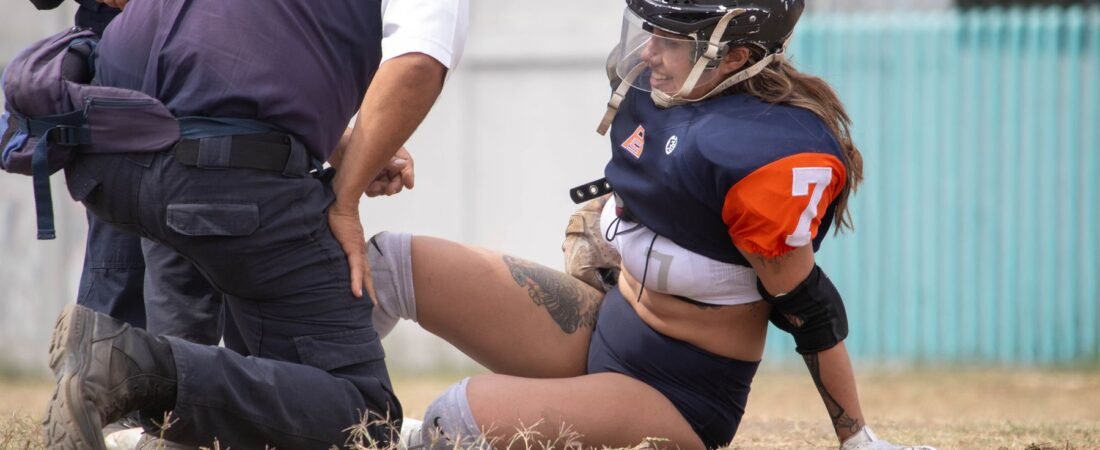
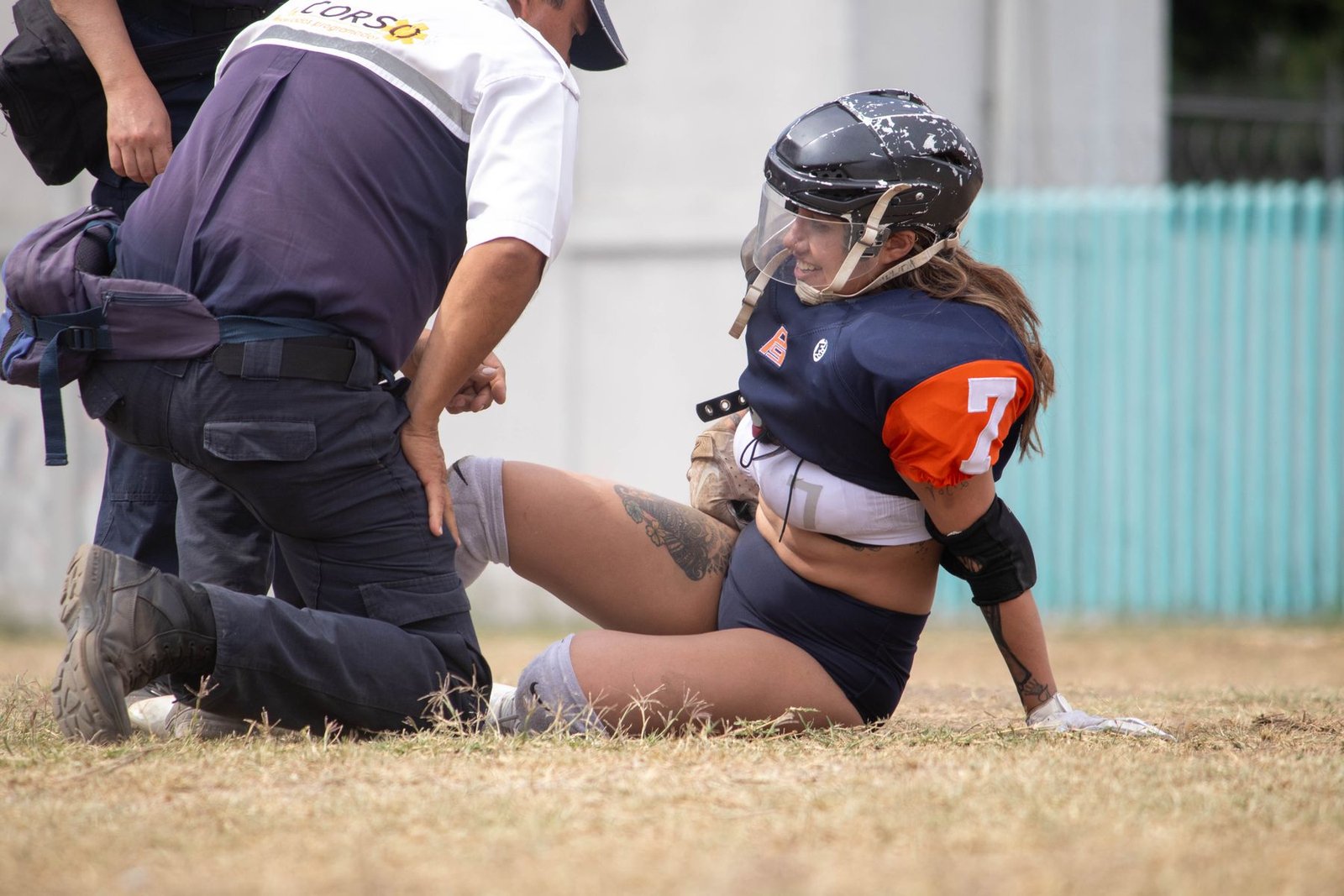
A high ankle sprain typically happens from a forceful outward twisting of the foot while the ankle is flexed upward, the kind of mechanism common in football, rugby, and other contact or cutting sports where the foot gets planted and the body rotates over it. It’s also seen in combat sports, where a leg gets caught or twisted awkwardly during a scramble or takedown attempt.
This is a different mechanism to the simple inward roll that causes most standard ankle sprains, which is part of why the two injuries need to be told apart early. Getting caught in a tackle with the foot fixed to the ground, or having your leg trapped while your body continues to rotate, are both classic setups for this specific injury.
Why High Ankle Sprain Treatment Takes So Much Longer Than A Normal Sprain
Most articles mention that this injury heals slower without really explaining why, and that gap in understanding is exactly what makes the long timeline feel so frustrating. The syndesmosis is under constant load every time you bear weight, since it’s actively resisting the two lower leg bones being forced apart with every step, push-off, and pivot. A standard lateral ligament isn’t under that same continuous mechanical demand, which is a big part of why it can tolerate weight-bearing again much sooner.
Research suggests average recovery from a syndesmosis injury runs roughly four times longer than a typical lateral ankle sprain, and it’s not simply because the ligaments are “worse” injured, it’s because this structure has to be genuinely stable before you can safely load it again at all. Rushing weight-bearing on an unstable syndesmosis doesn’t just slow healing, it risks the two bones healing in a slightly widened position, which can cause ongoing problems in the joint long after the ligament itself has technically healed.
High Ankle Sprain Treatment: From Bracing To Surgery
Stable, lower-grade syndesmosis injuries are typically treated with a period of immobilisation in a boot, along with bracing as weight-bearing is gradually reintroduced under guidance. This conservative approach is often enough when imaging confirms the syndesmosis itself hasn’t been meaningfully widened or destabilised.
More severe or unstable injuries, where the bones have separated beyond a safe margin, often need surgical stabilisation, typically with a screw or a flexible suture-button fixation holding the tibia and fibula in the correct position while the ligaments heal around it. Whether surgery is needed comes down entirely to imaging and clinical assessment, not how the injury feels, so this isn’t a call to make on your own.
The Realistic Recovery Timeline
Milder, stable syndesmosis injuries treated without surgery often take somewhere around six to ten weeks of boot immobilisation before a gradual, guided return to weight-bearing and activity begins. More severe injuries, particularly ones needing surgical fixation, commonly need two to four months before a genuine return to sport, and research suggests full recovery can, on average, take considerably longer than people expect coming from a standard sprain.
These are typical recovery ranges rather than guarantees, and your own timeline depends heavily on the grade of injury, whether surgery was needed, and how consistently you stick with rehab once you’re cleared to begin it properly.
How Sports Rehab Supports Recovery Once You’re Cleared
Once a doctor has confirmed the syndesmosis is stable and you’re cleared to begin rehab, a guided plan makes a real difference to how this injury resolves. A Rehabilitation Consultation builds a plan around the specific grade of your injury and whether surgery was involved, rather than treating it like a standard ankle sprain that heals in a few weeks.
As strength and confidence rebuild, Rocktape kinesiology taping is often introduced to give the joint extra support and feedback while loading increases again. Most clients notice that a structured approach, rather than simply waiting for time to pass, makes a genuine difference to how stable the ankle feels by the time full training resumes.

Returning To Training Or Competition Safely
Given the higher re-injury risk associated with this specific injury, return to sport needs to be more deliberate than simply waiting for pain to disappear. A genuinely ready ankle has full, pain-free range of motion, strength that’s close to symmetrical, and it holds up through the exact demands your sport places on it, pivoting, cutting, or getting caught in an awkward position during a scramble, without any sense of the joint giving or widening.
Many people find the confidence piece lags behind the physical healing here even more than with a standard sprain, given how long the layoff tends to be. Testing the joint in genuinely sport-specific positions, not just straight-line movement, matters just as much as any strength number before stepping back into full contact or competition.
If you’ve been diagnosed with a high ankle sprain and want a plan that actually accounts for how differently this injury needs to be managed, Impact Sports Rehabilitation works with athletes across Eccles, Salford, Trafford, and the wider Greater Manchester area on exactly this. Ask about an online consultation if you’re further afield.
Frequently Asked Questions
Is a high ankle sprain really worse than a regular ankle sprain?
It’s not necessarily “worse” in every sense, but it does tend to take considerably longer to heal and behaves differently day to day, since the syndesmosis is under constant load during normal weight-bearing. That’s exactly why treating it like a standard sprain, and expecting a similar few-week recovery, tends to lead to frustration and setbacks.
Will I definitely need surgery?
Not necessarily. Many stable syndesmosis injuries heal well with bracing and a structured boot-to-weight-bearing progression without any surgery at all, while more unstable injuries, where the bones have separated beyond a safe margin, typically do need surgical stabilisation. This comes down to imaging and clinical assessment, not how severe the injury feels.
Why does this seem to be taking so much longer than my last ankle sprain?
Because it likely is a genuinely different injury, even though both get casually called “a sprained ankle.” The syndesmosis has to withstand constant rotational and separating forces during normal movement, which means it needs to be properly stable before you can safely load it again, unlike a standard lateral ligament that tolerates earlier weight-bearing.
How do I know when it’s actually safe to play again?
Readiness isn’t just about the pain being gone, it’s about full pain-free range of motion, strength that’s close to symmetrical, and the ankle holding up under the specific pivoting, cutting, or contact demands of your sport without any sense of instability. In our experience, testing this properly under guidance is far more reliable than guessing based on how the ankle feels walking around.
Can a high ankle sprain cause long-term problems if it’s not treated properly?
If the syndesmosis heals in a widened or unstable position, particularly from loading it too early, it can lead to ongoing joint problems and a higher risk of re-injury down the line. This is exactly why getting a proper diagnosis and following the recommended weight-bearing timeline, even when it feels overly cautious, genuinely matters for this specific injury.
This article is provided for general educational purposes by Impact Sports Rehabilitation and does not constitute medical advice, diagnosis, or treatment. A suspected high ankle sprain requires proper medical imaging and assessment, including a determination of whether surgical stabilisation is needed; nothing in this article should be used to self-diagnose or self-treat. Always seek the guidance of a doctor or other qualified health provider with any questions about your specific injury or condition.