
Quick answer: Groin strain rehab works best as a staged programme: protecting the injured adductor muscle and keeping it gently moving early on, rebuilding strength progressively once pain settles, then preparing for sprinting, kicking, and change of direction before returning to full sport. Moving between stages should depend on pain-free function and restored strength, not just time. Because groin strains have a high re-injury rate, completing the late stages properly is just as important as the early ones.
If you’ve been diagnosed with a groin strain, you’re probably keen to know exactly what rehab should look like, not just a list of random exercises. Groin strain rehab has a specific job: to help a torn or overstretched adductor muscle heal, rebuild its strength, and prepare it for the demands of your sport. Done properly, it also tackles the main reason groin strains are so notorious, which is how often they come back.
In this guide we’ll walk through what rehab is trying to achieve, what to do in the early, middle, and late stages, why this injury has such a high re-injury rate, and how a structured programme reduces that risk. This article focuses on muscle strains specifically. If you’re looking for general groin strengthening or prevention exercises, our guide to groin rehab exercises covers those, and if your pain has built up gradually rather than starting with a specific moment, our article on groin tendons may be more relevant.
An important safety note. The right rehab depends on the grade and stage of your strain, so if you haven’t had your injury assessed, especially if there was significant bruising, a pop, or you’re struggling to walk, please get it checked before starting.
What Groin Strain Rehab Is Specifically Targeting
Most groin strains affect the adductors, the muscles on the inside of the thigh, with the adductor longus being the most commonly injured. They usually happen during a specific, high-force moment: kicking, sprinting, a sudden change of direction, or a slide or stretch into a wide position. The muscle fibres are overloaded and partially tear, causing sudden pain in the inner thigh or groin.
Rehab after a groin strain targets four things. First, it allows the injured tissue to heal without being overloaded too early. Second, it restores normal, pain-free movement. Third, it rebuilds strength, especially the adductors’ ability to work while lengthening, since that’s when many strains happen. Fourth, it prepares the muscle for the speed, force, and fatigue of your sport. That’s quite different from general groin exercises for prevention, which assume the muscle is already healthy.
Strains are often described in grades. A mild, grade one strain involves a small number of fibres, with tightness and pain but little loss of strength. A moderate, grade two strain involves more fibres, with clear pain, weakness, and sometimes bruising. A severe, grade three strain is a complete or near-complete tear, which is much less common and may need a specialist opinion. The grade gives a rough idea of how cautious the early stages need to be, but how you respond to rehab week by week matters far more than the label.
Early-Stage Rehab, Days One To Two Weeks
In the first few days, the focus is on protecting the injured muscle while keeping you moving. Avoid sprinting, kicking, wide lunges, and stretching into pain. Walking within comfort is usually encouraged, and some people need a shorter stride for a while. Ice in the first day or two may help with comfort, and gentle compression can help some people feel more supported.
As soon as walking is comfortable, gentle, pain-free exercises can begin. Isometric adductor squeezes are a good starting point. Lie on your back with your knees bent and a pillow or ball between them, then gently squeeze for five to ten seconds at low effort, building up gradually as pain allows. Gentle hip movements, such as lying knee fall-outs within a comfortable range, heel slides, and glute bridges, help maintain movement and strength without stressing the injured muscle.
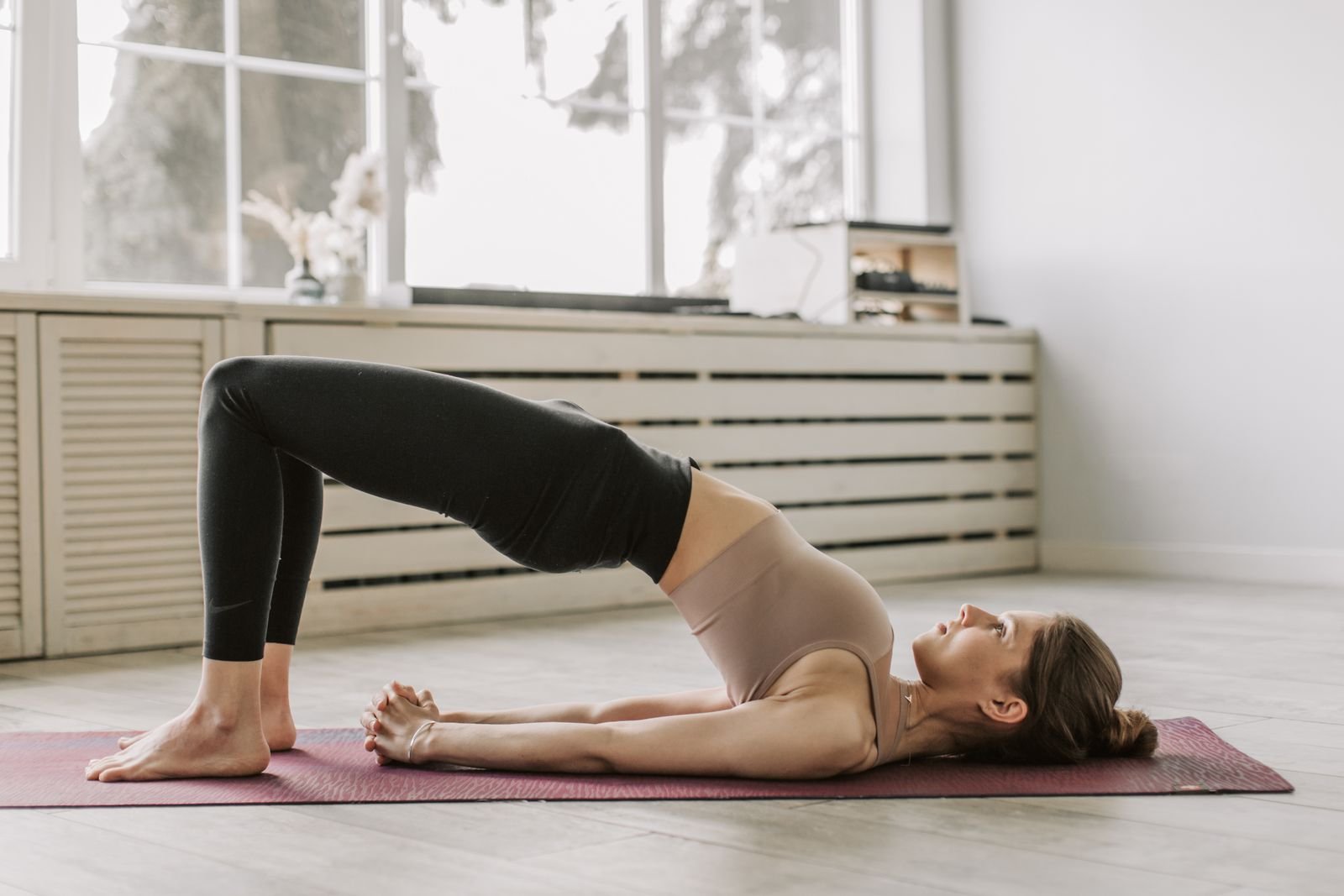
During this stage, mild discomfort that settles quickly is usually acceptable, but sharp pain, or pain that lingers into the next day, is a sign to ease back. The length of this stage depends on the severity of your strain.
Mid-Stage Rehab, Rebuilding Strength Safely
Once you can walk normally, squeeze comfortably at moderate effort, and move the hip without pain, it’s time to build strength. Side-lying adductor lifts, lying on the injured side and lifting the bottom leg, are a useful progression. Standing adduction with a resistance band, pulling the leg across against light resistance, can follow.
Short-lever Copenhagen planks are often introduced in this stage. Lie on your side with your top knee supported on a bench, lift your hips, and hold, gradually building time before progressing to the long-lever version with the foot on the bench. Squats, split squats, step-ups, and lateral lunges within a comfortable range help rebuild strength across the whole hip and leg.
Strengthening the muscles around the hip and core matters too, as the adductors work as part of a system rather than in isolation. Throughout this stage, the aim is steady, progressive loading. You should be gradually increasing resistance or difficulty, but symptoms should remain mild and settle by the next morning. Two to three strength sessions a week, with lighter movement on the days in between, works well for most people at this point.
Late-Stage Rehab, Preparing For Sprinting And Kicking
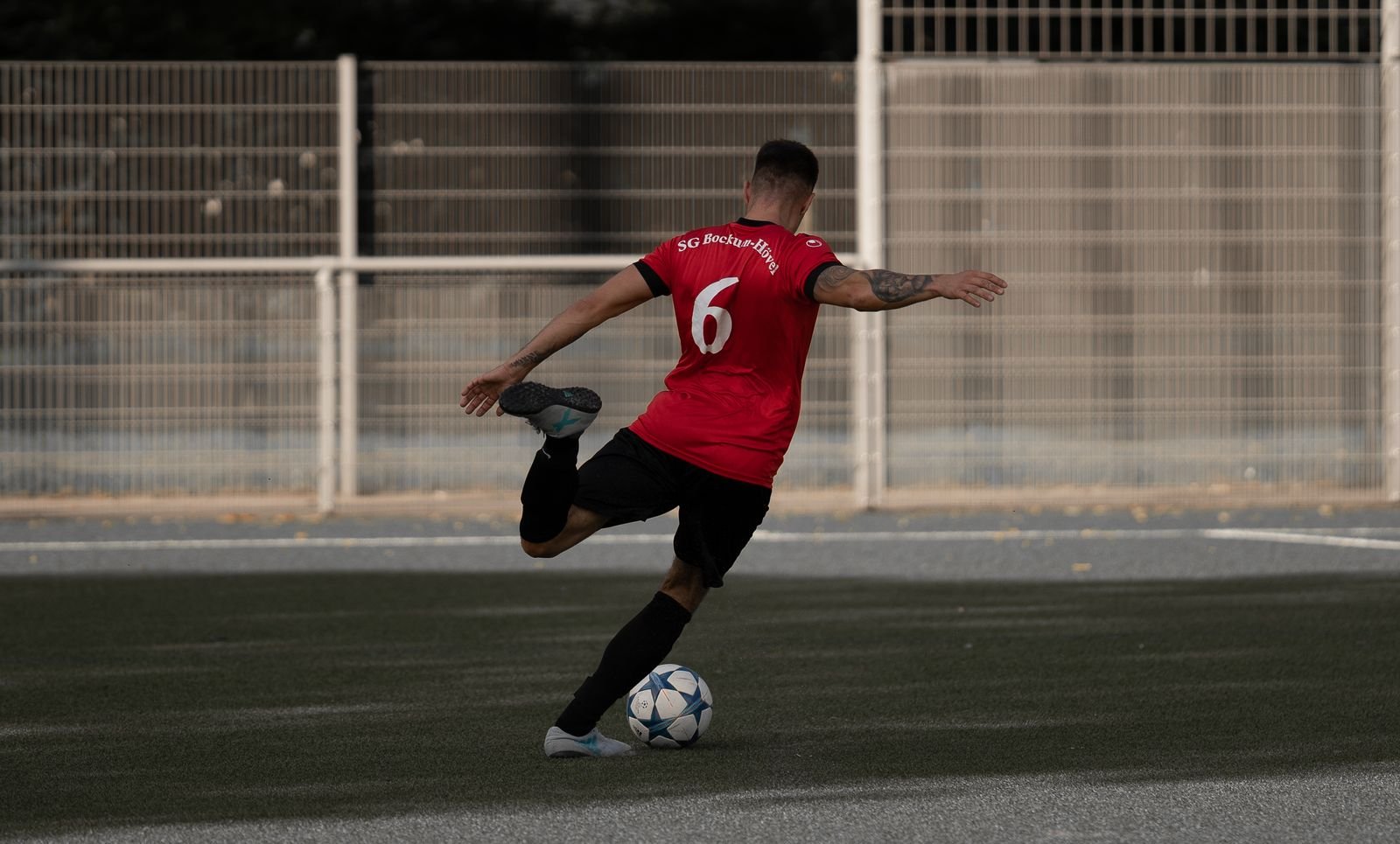
The final stage is where many rehab programmes fall short. Even if day-to-day activity feels normal, sprinting, kicking, and change of direction place far greater demands on the adductors. Start with straight-line running and gradually build to faster strides, then accelerations and full sprints over several sessions.
Introduce lateral movements, such as side shuffles, crossovers, and cutting drills, starting slowly and building speed and sharpness. For kicking sports, follow a gradual kicking progression, from short passes to longer passes, then shooting and long kicks, starting at low power and building up over multiple sessions. Exercises that load the adductors at speed and in a lengthened position, such as long-lever Copenhagen planks and controlled lateral bounding, help prepare the muscle for match demands.
Why Groin Strain Rehab Fails, The High Re-Injury Rate
Groin strains have a notoriously high recurrence rate, and research consistently shows that a previous groin injury is one of the strongest risk factors for having another. Most groin strain content mentions this briefly, if at all, but understanding why it happens is the key to avoiding it.
The most common pattern is incomplete rehab followed by premature return. Pain often settles well before the muscle has recovered its full strength, especially its ability to produce force at speed and in a lengthened position. Players feel fine walking and jogging, return to training, and re-injure the muscle during the first explosive kick or sharp change of direction.
Strength deficits are a big part of this. Research in ice hockey players found that players whose adductor strength was well below their outer hip strength were at much higher risk of groin strains, and that targeted adductor strengthening reduced injury rates. Other common gaps include skipping lengthened and high-speed exercises, returning straight to full matches without building up kicking and sprinting volume, and stopping strength work as soon as you’re back playing.
Fatigue plays a part as well. Many groin strains happen late in a match or training session, when tired muscles are less able to absorb sudden loads. Coming back into a congested run of fixtures, or straight into full ninety-minute matches, asks a recently healed muscle to cope with fatigue it hasn’t been prepared for. A gradual build-up of minutes, combined with a proper warm-up that includes some adductor activation before every session, is a simple but often overlooked way to protect against this.
How Sports Rehab Structures Groin Strain Rehab To Reduce That Risk
At Impact Sports Rehabilitation, a rehabilitation consultation for a groin strain starts with confirming the diagnosis and grading the injury, then building a staged programme around your sport and goals. We test adductor strength at each stage, often using a squeeze test and comparing your injured and uninjured sides, so progression is based on measurable criteria rather than guesswork.
Before returning to full sport, we look for pain-free sprinting, kicking, and change of direction, adductor strength that’s close to your uninjured side, and confidence in sport-specific drills. We also build in a maintenance programme, typically Copenhagen-style exercises once or twice a week, to help reduce the risk of recurrence. Supportive treatments such as sports massage and Rocktape taping may help during the return phase, but they support the programme rather than replace it.
If you’ve strained your groin and want a structured rehab plan that gets you back to sport and keeps you there, Impact Sports Rehabilitation in Eccles, Greater Manchester can help. We work with footballers, runners, and athletes from Eccles, Salford, Trafford, and across Manchester, and online consultations are available if you’re further away. Book in and let’s do your rehab properly the first time.
Frequently Asked Questions
How long does groin strain rehab take?
It depends on the grade of your strain, your sport, and how your body responds to rehab. Mild strains may recover within a few weeks, while more significant strains can take longer, and moving through stages based on function rather than dates is more reliable.
Should I stretch a groin strain?
Gentle movement is helpful early on, but stretching into pain can aggravate a healing muscle. Stretching can be gradually reintroduced later, but strengthening is usually the main focus of rehab.
When can I start running after a groin strain?
Many people can start gentle straight-line running once walking is pain-free and early strength exercises feel easy. Speed, change of direction, and kicking should be added gradually later in the programme.
Why does my groin keep getting injured?
Recurring groin strains are often linked to incomplete rehab, returning to sport too early, or ongoing strength deficits. Impact Sports Rehabilitation can assess what’s driving the recurrence and build a programme to address it.
Are Copenhagen planks safe after a groin strain?
They can be very useful, but they’re usually introduced once early pain has settled, starting with easier short-lever versions. Progressing gradually is important to avoid overloading the healing muscle.
Is my groin pain a strain or something else?
Groin strains usually start suddenly during a specific movement, but groin pain can also come from tendons, the hip joint, hernias, or the pubic bone. If your pain started gradually or isn’t following the expected pattern, a proper assessment is worthwhile.
This article is for educational purposes only and is not a substitute for professional medical diagnosis or treatment. The right rehab depends on the grade and stage of your strain, so please seek assessment before starting a programme. Impact Sports Rehabilitation offers in-person and online consultations to guide your recovery.