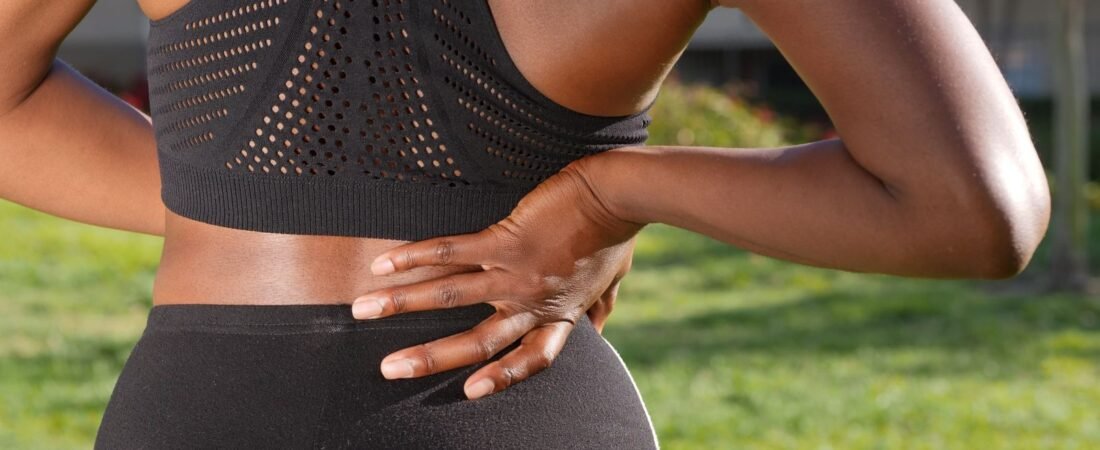
Quick answer: Glutes pain can come from the buttock muscles themselves, but it can also come from the tendons around the hip, the lower back, the sacroiliac joint, the hip joint, or an irritated nerve such as the sciatic nerve. Pain that stays local and changes with specific movements is more often muscular, while pain that travels down the leg, or comes with pins and needles or numbness, suggests a nerve may be involved. Persistent, significant, or radiating pain is worth getting properly assessed.
Glutes pain is one of those problems people often put up with for far too long. It might have started after a heavy leg day, a long run, a new job with lots of sitting, or for no obvious reason at all. Because the buttock area is not something we tend to think about much, it’s easy to assume the pain is just a tight muscle and that it’ll go away by itself. Sometimes it does, but the glutes sit at a crossroads where the lower back, the pelvis, the hip joint, and several important nerves all meet, so pain felt there doesn’t always start there.
In this guide we’ll give you a clear overview of what’s in the glutes, the most common causes of pain in this area, how to tell muscular pain from nerve-related pain, practical relief for straightforward muscular cases, and when it’s time to get it looked at. We won’t diagnose your pain here, because the same spot of pain can have very different causes, but we’ll help you understand the options.
What’s Actually In The Glutes (And Why Glutes Pain Happens)
Your glutes are made up of three main muscles. The gluteus maximus is the large, powerful muscle that forms most of the shape of the buttock and drives you up stairs, out of a squat, and forward when you sprint. The gluteus medius and gluteus minimus sit higher and towards the side of the hip, keeping your pelvis level when you stand on one leg, walk, or run. Underneath them sits a group of small deep rotator muscles, including the piriformis, which help control the hip and run very close to the sciatic nerve.
The tendons of these muscles attach around the bony point on the side of the hip, and at the bottom of the buttock, the sit bone is where your hamstring tendons attach. The sacroiliac joints, where the spine meets the pelvis, sit just above. All of these structures share the same small area, which is exactly why glute pain can be confusing. Muscles become sore when they’re overloaded, such as after a big jump in training. Tendons become irritated when they’re compressed or loaded more than they can handle. Joints and nerves nearby can refer pain into the buttock, even when the muscles themselves are healthy.
The Most Common Causes Of Glutes Pain
Most articles about glute pain assume it’s always a tight or strained muscle. In our experience, that’s only part of the story, and getting the cause right is what makes treatment work.
Muscle strain and overload are common, especially after a sudden increase in training, heavy lifting, sprinting, or hill running. The pain is usually local, feels achy or tight, and is worse when using the muscle, such as climbing stairs or squatting.
Gluteal tendinopathy is a frequent cause of pain at the side of the hip and upper buttock, particularly in runners and in people over forty. It’s often worse when lying on the affected side, standing on one leg, climbing stairs, or sitting with your legs crossed.
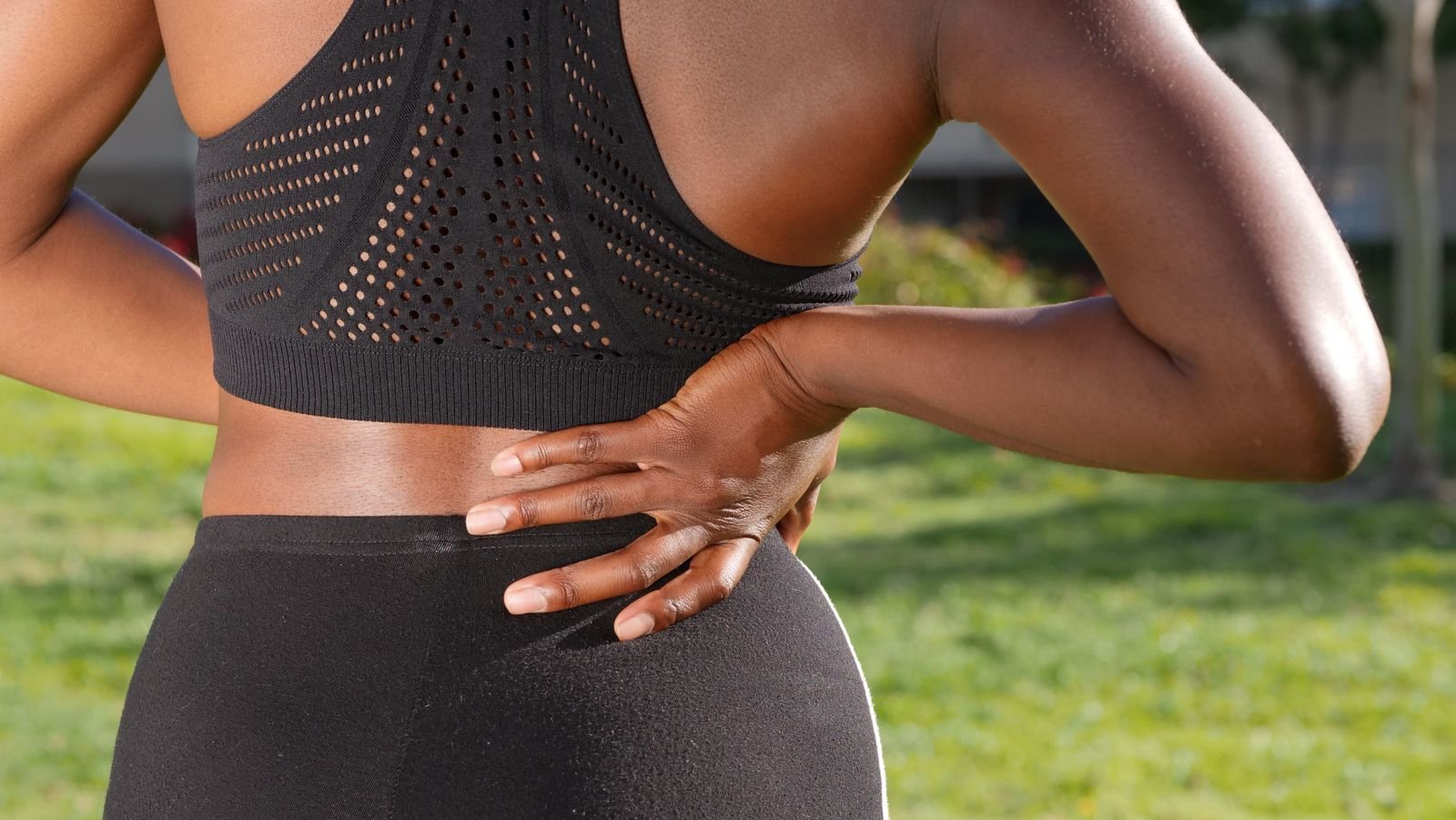
Proximal hamstring tendinopathy causes deep pain right at the sit bone, often worse when sitting on hard chairs, driving, or running uphill. It’s commonly mistaken for a glute problem.
Referred pain from the lower back is very common. Irritated joints or discs in the lumbar spine can send pain into the buttock without any back pain at all. The sacroiliac joint can do the same, usually causing pain just below the dimple at the back of the pelvis.
Nerve-related pain is another important group. Irritation of a nerve root in the lower back, often called sciatica, can cause buttock pain that travels into the leg. Less commonly, the sciatic nerve can be irritated where it passes through the deep buttock muscles, sometimes called deep gluteal syndrome or piriformis syndrome. Finally, the hip joint itself can refer pain into the buttock, although hip joint problems more often cause pain in the groin.
How To Tell Muscular Pain From Nerve-Related Pain
There’s no perfect home test, but some patterns are useful. Muscular pain tends to be a dull ache or tightness in a fairly specific area. It’s often tender when you press on it, and it changes in a predictable way with certain movements, such as squatting, lunging, or climbing stairs. It usually eases with gentle movement and warmth.
Nerve-related pain often feels different. People describe it as sharp, burning, electric, or shooting. It may travel down the back or side of the thigh, sometimes below the knee into the calf or foot. It can come with pins and needles, numbness, or a feeling of weakness. Sitting for long periods, bending forward, or coughing and sneezing often make it worse. If your pain spreads below the knee or you notice changes in sensation, a nerve is more likely to be involved, and it’s worth getting assessed.
Pain from the hip joint itself often comes with stiffness, difficulty putting on socks or shoes, and pain in the groin as well as the buttock. Patterns can overlap, and more than one structure can be involved at the same time, which is why a hands-on assessment is so useful. Our hip pain location guide can also help you think through where your pain sits.
Practical Relief That Actually Helps
If your glute pain seems muscular, it came on after a clear change in activity, and you have no nerve symptoms, some simple steps often help. Reduce the activity that triggered it rather than stopping everything. Many people find that keeping active with walking or easy cycling feels better than complete rest.
Gentle movement is usually helpful. Knee-to-chest stretches, a gentle figure-four stretch lying on your back, and slow hip circles can ease tightness. Heat often helps muscles relax. Light strengthening, such as glute bridges, clamshells, and side-lying leg raises, can be introduced once the pain settles, building up gradually.
Be careful with some common habits. If you suspect gluteal tendinopathy, avoid sitting with your legs crossed, standing with your weight hanging on one hip, and aggressive stretches that pull the leg across your body, as these can compress the irritated tendons. If sitting aggravates deep pain at the sit bone, a cushion and regular breaks can help. Massage balls can feel good on tight muscles, but don’t press hard over areas that produce sharp, shooting, or tingling pain.
When Glutes Pain Needs A Proper Look
Get assessed if your pain lasts more than a couple of weeks, keeps returning, is getting worse, wakes you at night, or limits your training or daily life. It’s also worth seeing someone if the pain spreads down your leg, or comes with pins and needles, numbness, or weakness.
Seek urgent medical help if buttock or back pain comes with numbness around the genitals or back passage, new difficulty passing urine or controlling your bladder or bowels, or rapidly worsening weakness in one or both legs, as these can be signs of a serious nerve problem that needs immediate attention. You should also get prompt medical advice for buttock pain with fever, unexplained weight loss, a history of cancer, or pain after a significant fall or accident. Buttock or calf pain that reliably comes on with walking and eases when you stand still can occasionally relate to circulation, particularly in older adults or smokers, and should be checked by your GP.
How Sports Rehab Gets To The Bottom Of It
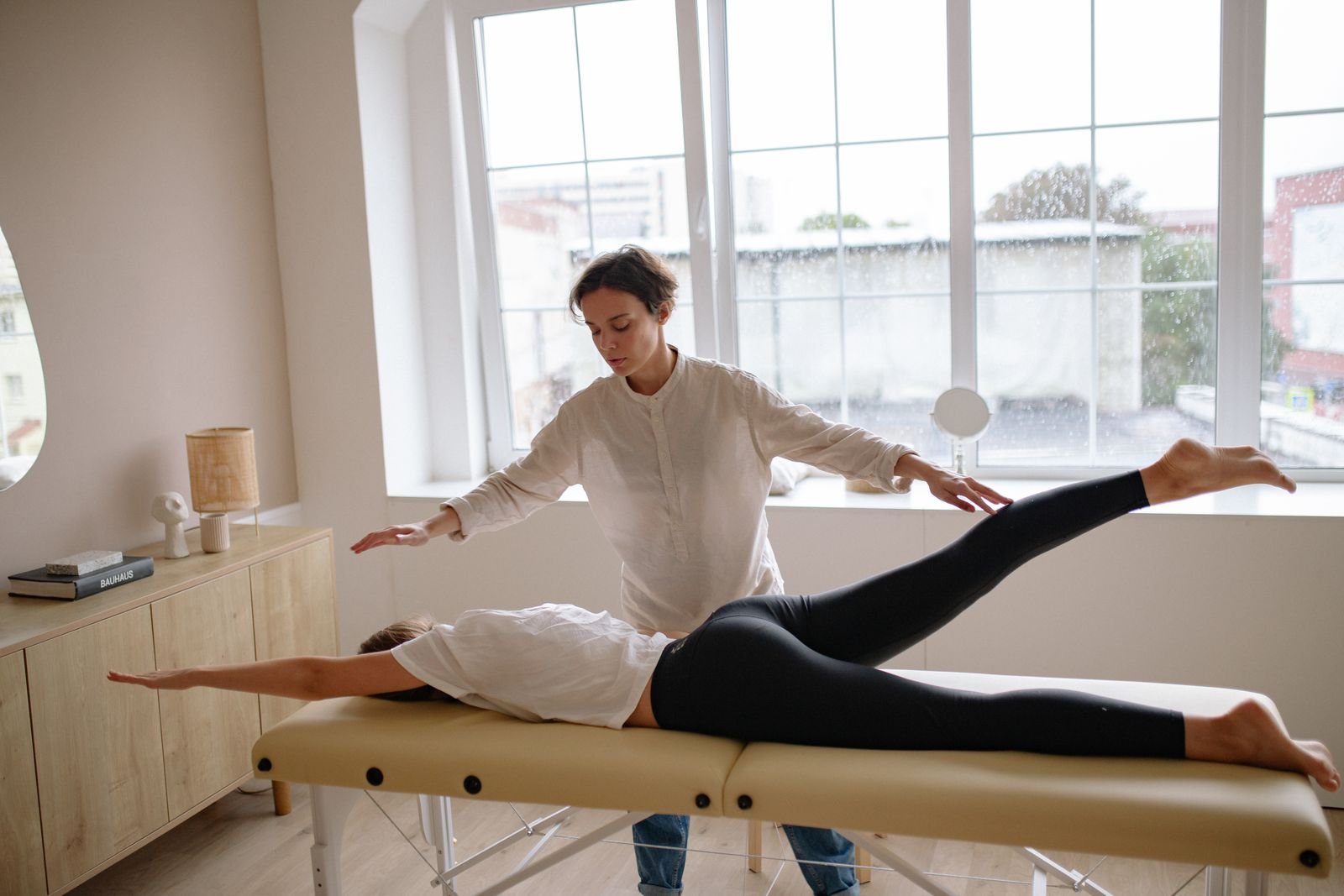
At Impact Sports Rehabilitation, a rehabilitation consultation for glute pain starts by working out where the pain is actually coming from. We ask about how it started, what makes it better or worse, your training and work, and whether there are any nerve symptoms. We then examine the lower back, sacroiliac joint, hip joint, glute muscles, and tendons, test strength and control, and screen for nerve involvement.
Once we have a clearer picture, treatment is tailored to the cause. That might involve progressive strengthening, changes to training load or sitting habits, and hands-on support such as sports massage, cupping, or acupuncture as part of a wider plan. If your pain turns out to be nerve-related, our guides to sleeping with sciatica and lower back pain exercises may also help.
If glute pain is getting in the way of your training, work, or sleep, Impact Sports Rehabilitation in Eccles, Greater Manchester can help you find out what’s really causing it and build a plan to fix it. We see runners, gym-goers, and active people from across Eccles, Salford, Trafford, and Manchester, and online consultations are available if you’re further away. Book in and let’s get to the bottom of it.
Frequently Asked Questions
Why does my glute hurt when I sit down?
Pain when sitting can come from the hamstring tendon at the sit bone, irritated nerves, or the lower back. If it’s deep, at the sit bone, and worse on hard chairs, a tendon problem is one possibility, but an assessment is the best way to know.
Is my glute pain actually sciatica?
It might be if the pain travels down your leg, especially below the knee, or comes with pins and needles, numbness, or weakness. Buttock pain without those symptoms is often muscular or tendon-related, but there’s plenty of overlap.
Can tight glutes cause lower back pain?
Tight or weak glutes can change how you move and may contribute to back discomfort for some people. However, back problems can also cause glute pain, so it’s worth understanding which way round it is.
Should I stretch or strengthen a sore glute?
It depends on the cause. Gentle stretching may help muscular tightness, but tendon problems often respond better to strengthening and can be aggravated by aggressive stretching, and Impact Sports Rehabilitation can help you choose the right approach after an assessment.
How long does glute pain usually last?
Simple muscle soreness often settles within days to a couple of weeks, but tendon, joint, or nerve-related pain can take longer. If it’s not improving or keeps returning, it’s worth getting checked.
When should I worry about pain in my buttock?
Seek urgent help for numbness around the genitals or back passage, bladder or bowel changes, or rapidly worsening leg weakness. Fever, unexplained weight loss, or pain after a significant injury also needs prompt medical advice.
This article is for educational purposes only and is not a substitute for professional medical diagnosis or treatment. Glute pain can have several causes, so please seek assessment for persistent, significant, or radiating pain, and urgent medical help for any red flag symptoms. Impact Sports Rehabilitation offers in-person and online consultations to help identify the cause and guide recovery.