Quick answer: Trap pain usually comes from the upper trapezius muscle across the top of the shoulders and neck, commonly linked to desk posture, stress-related muscle tension, or training overload, and typically responds well to a combination of massage, targeted stretching, and postural changes. This is general education, not a diagnosis of your specific pain, and a proper assessment is the right next step if it persists.
That tight, achy band across the top of your shoulders that seems to get worse the longer you sit at a desk, or the day after a heavy training session, is a genuinely common complaint. Here’s a plain-language look at what’s actually going on, what tends to help, and a distinction that’s genuinely useful but rarely explained clearly, telling true muscular trap pain apart from pain that’s actually coming from your neck.
What The Trapezius Muscles Are And What They Do
The trapezius is a large, kite-shaped muscle running from the base of your skull down to your mid-back and out to both shoulder blades, and the upper portion specifically, the part most people mean when they say “trap pain,” helps hold your shoulder blades up and support your head’s weight against gravity. Because it’s working almost constantly just to keep your head upright, it’s a genuinely common site of tension and discomfort, particularly for anyone spending long hours in a fixed posture.
Your head weighs considerably more than most people assume, roughly the weight of a bowling ball, and the further forward it sits relative to your shoulders, the more that effective weight increases on the muscles holding it up, which is a genuinely useful way to understand why a forward head posture at a desk places so much sustained demand on the upper traps specifically.
The upper traps are also unusually reactive to psychological stress specifically, many people notice their shoulders creeping up toward their ears when they’re anxious or under pressure without ever consciously deciding to tense that muscle, which is part of why trap tension can flare during stressful periods even without any change in physical activity.
Common Causes Of Trap Pain
Prolonged desk posture, particularly a forward head position and rounded shoulders held for hours at a time, is one of the most commonly cited contributors, since this posture keeps the upper traps under sustained, low-level tension rather than allowing them to relax and recover. Stress-related tension, the unconscious shoulder-hunching a lot of people do without noticing, is a genuinely significant factor too, and research on office workers specifically has linked trapezius tenderness to exactly this kind of sustained postural and psychological load.
Training overload, particularly heavy shrugging, overhead pressing, or carrying movements done with volume or intensity that’s increased too quickly, can also strain the upper traps directly. Sleeping in an awkward position, especially on your front with your neck turned to one side for hours, is a further commonly reported trigger that a lot of people don’t immediately connect to their trap pain the next day.
Carrying a heavy bag consistently on one shoulder, or repetitive one-sided movements at work or in sport, can also contribute over time, since the sustained, asymmetrical load tends to leave one side more prone to tension than the other. For combat-sports athletes, gripping and controlling an opponent’s upper body during grappling exchanges places genuine demand on the traps too, which is worth mentioning to your practitioner if BJJ or MMA training is part of the picture.
General Approaches That Tend To Help
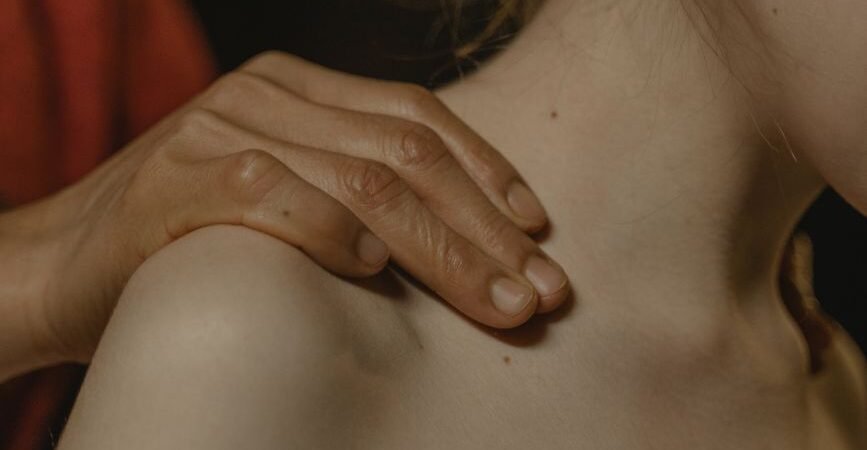
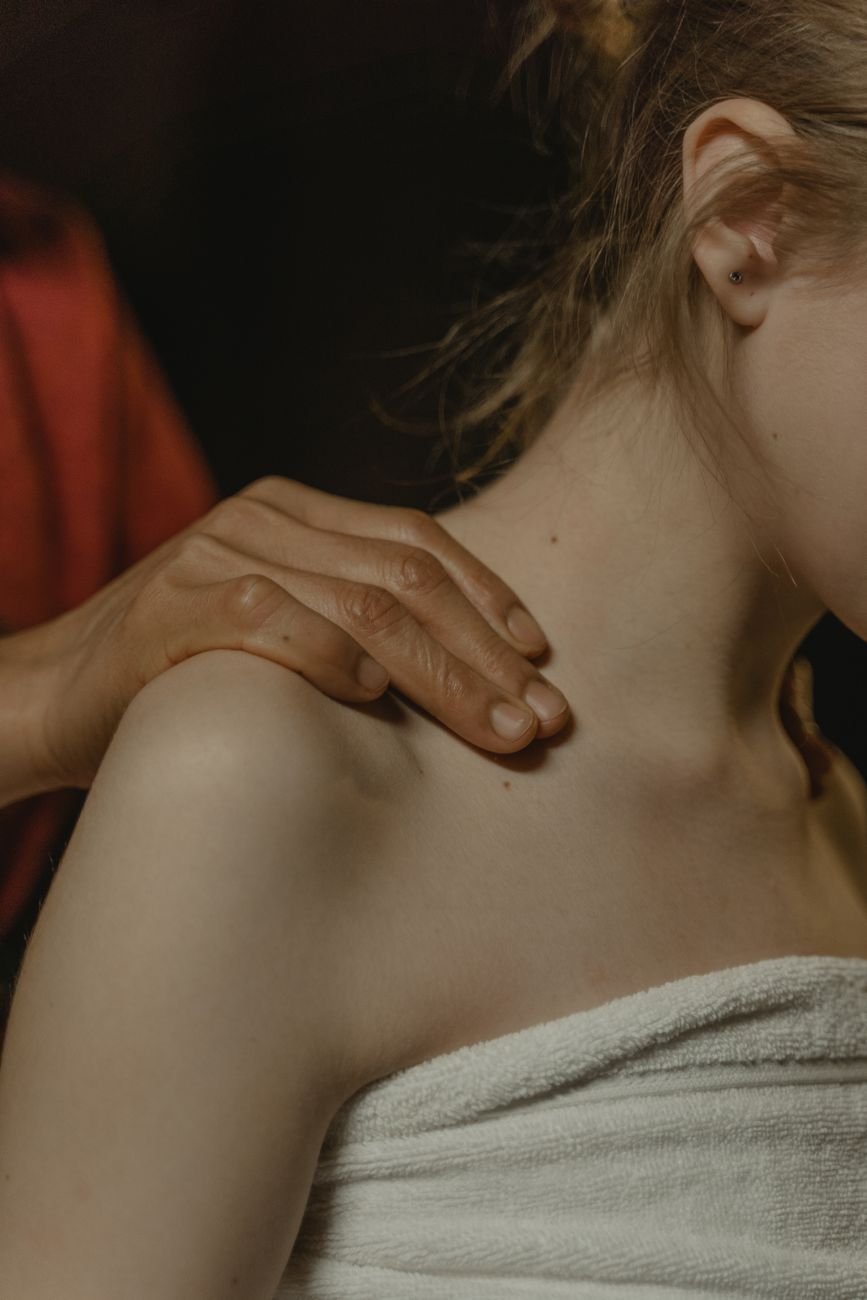
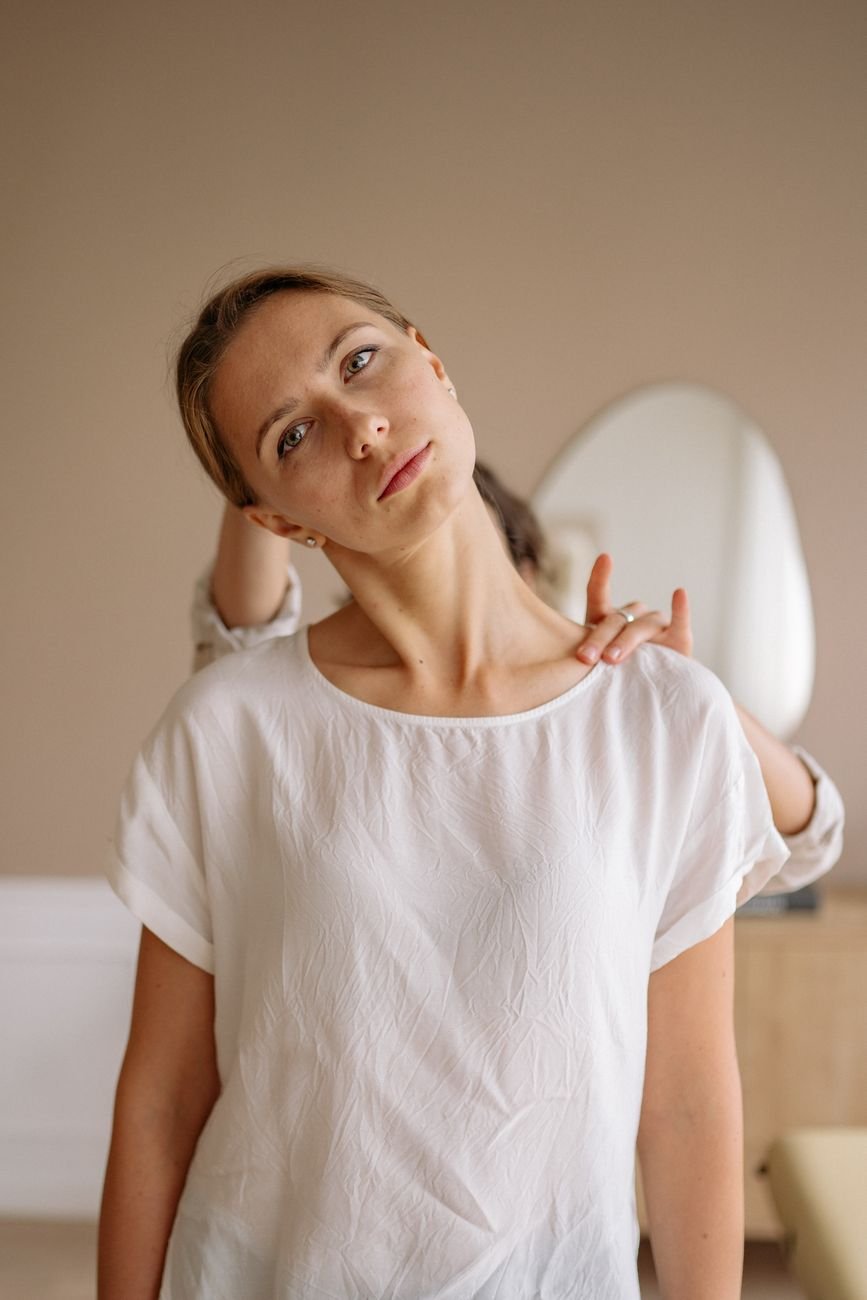
Massage, particularly targeted work on the upper trapezius and surrounding neck and shoulder muscles, is one of the most commonly used and generally well-tolerated approaches, often providing meaningful short-term relief even when it doesn’t address every underlying contributor on its own. Gentle stretching, tilting your ear toward your opposite shoulder and holding a comfortable stretch, is a simple habit many people find genuinely helpful when done consistently rather than only when pain is already significant.
Postural changes, adjusting your desk setup so your screen sits at eye level and your shoulders can rest in a more neutral position, tend to address the underlying contributor rather than just the symptom, and combining this with regular movement breaks through the day generally works better than any single fix on its own. Simple strengthening work for the muscles that help pull the shoulder blades back and down, rather than only stretching the tight, overworked upper traps, is also something many people find genuinely helps break the cycle, since a lot of trap tension is partly the muscle overcompensating for weaker surrounding stabilisers.
Heat, a warm shower or heat pack applied to the area, is a simple, low-effort habit a lot of people find takes the edge off before stretching or during a particularly tense day. Managing the underlying stress itself, whatever that genuinely looks like for you, whether it’s regular breaks, exercise, or something else entirely, tends to have a real knock-on effect on how much tension settles in the traps specifically.
Trap Pain Or Neck Pain? A Distinction Worth Understanding
A lot of trap pain content treats it purely as a muscle issue, but the upper trapezius sits right next to the cervical spine, and pain in this area can genuinely come from either source, or both at once. True muscular trap pain, sometimes involving trigger points, tender knots that reproduce a familiar ache and sometimes refer discomfort up toward the base of the skull or temple when pressed, tends to respond well to massage and stretching. Pain that’s actually coming from the neck itself, from a nerve or joint issue in the cervical spine, is more likely to come with additional signs like numbness, tingling, or shooting pain down the arm, or pain that changes noticeably with specific neck movements rather than easing with general massage.
This distinction matters because a purely muscular approach, however much massage you get, won’t resolve pain that’s actually originating from the neck, which is exactly why persistent trap pain that doesn’t respond to the usual approaches is worth getting properly assessed rather than assuming more massage is the answer. In our experience, this overlap is genuinely common rather than rare, plenty of people who come in describing straightforward “trap pain” turn out to have a meaningful cervical spine component contributing to it, which changes what actually helps beyond just more massage on the same spot.
When Trap Pain Needs Professional Assessment
Trap pain that comes with numbness, tingling, or weakness down the arm, that doesn’t improve with a few weeks of massage, stretching, and postural changes, or that’s severe enough to limit your daily activity, is worth getting properly assessed rather than continuing to self-manage. Pain following a specific injury or trauma is also worth checking promptly rather than assuming it’s ordinary tension.
Pain that’s noticeably worse first thing in the morning and eases through the day, or that’s accompanied by headaches starting at the base of the skull, is also worth mentioning at an assessment, since these patterns can point toward a cervical spine contributor that general massage alone won’t fully resolve.
What To Expect When You Book Sports Massage With Impact Sports Rehab
At Impact Sports Rehabilitation, a sports massage session for trap pain targets the specific muscle tension contributing to your discomfort, and where the picture suggests more than a purely muscular issue, we can guide you toward a fuller assessment covering the neck itself. This is genuinely useful context alongside rhomboid strain, since the two neighbouring muscles are frequently confused with one another, and telling them apart properly helps make sure the right area actually gets addressed.
If desk work or training has left your traps tight and sore, Impact Sports Rehabilitation works with clients across Eccles, Trafford, and Salford on genuinely targeted massage and recovery support. Ask about an online consultation if you’re further afield.
Frequently Asked Questions
Is this muscular or could it be related to my neck?
Pain that comes with numbness, tingling, or weakness down the arm points more toward the neck than the muscle alone, but a proper assessment is the reliable way to tell the two apart. We wouldn’t want to diagnose your specific pain without seeing you.
Is massage alone enough to fix this?
Massage often provides genuine relief, particularly for tension linked to posture or stress, but pairing it with postural changes and regular stretching tends to work better than massage on its own, especially for pain that keeps returning. A physiotherapist can advise on the fuller picture for your specific situation.
How do I stop this recurring at my desk job?
Adjusting your screen height, taking regular movement breaks, and being mindful of stress-related shoulder tension throughout the day are commonly helpful habits, though what works best genuinely varies by person and workstation. In our experience, small, consistent changes tend to outperform occasional big efforts.
How long does trap pain usually take to settle?
This varies by cause and how consistently you address contributing factors, so we wouldn’t want to guess a fixed timeline without an assessment. Pain linked to a specific recent overload often settles faster than pain that’s built up gradually over months of posture and stress.
Could stress really be causing physical pain in my shoulders?
Yes, genuinely, the upper trapezius is unusually reactive to psychological stress, and many people unconsciously hold tension there without realising it. Addressing stress alongside the physical approaches often helps more than treating the muscle in isolation.
This article is provided for general educational purposes by Impact Sports Rehabilitation and does not constitute medical advice, diagnosis, or treatment, and does not diagnose the reader’s specific pain. Always seek the guidance of a qualified physiotherapist, sports therapist, or doctor for individual assessment and diagnosis, and seek prompt assessment for pain accompanied by numbness, tingling, or weakness.