
Quick answer: Psoas muscle pain refers to discomfort in the deep hip flexor muscle connecting the spine to the hip, commonly linked to prolonged sitting or repetitive hip flexion in sport, such as running, cycling, or kicking-based activities. It often presents as a deep ache in the front of the hip or lower back, sometimes radiating toward the groin. This is general education, not a diagnosis of your specific pain, and persistent symptoms deserve a proper assessment.
Deep hip or lower back discomfort that doesn’t quite match a typical muscle strain sometimes leads people to the term “psoas.” If you’ve come across it and want to understand what it actually is and why it can hurt, here’s a clear, honest breakdown.
What The Psoas Is And Its General Role Connecting Spine And Hip
The psoas is a long, deep muscle running from the lower spine, through the pelvis, to attach at the top of the thigh bone, making it one of the few muscles that directly connects the spine to the leg. Its main role is hip flexion, lifting the knee toward the chest, and it also plays a part in general postural support and stability through the lower spine and pelvis.
Because it sits deep within the abdomen and pelvis rather than close to the skin, it’s not a muscle you can easily feel or massage directly the way you might a calf or shoulder muscle, which is part of why psoas-related discomfort can feel harder to pin down and describe than more surface-level muscle soreness. It also works closely alongside the surrounding hip flexor and core muscles, meaning weakness or imbalance in these neighbouring muscles can genuinely shift more of the workload onto the psoas, sometimes making it the muscle that ends up sore even when a broader pattern of hip and core weakness is the real underlying issue.
Common Causes, Including Prolonged Sitting And Repetitive Hip Flexion
Prolonged sitting is a genuinely common contributor, since sitting keeps the hip in a flexed position for extended periods, which can lead the psoas to gradually shorten and tighten over time, particularly with a desk-based routine that involves little walking or hip extension throughout the day. Repetitive hip flexion in sport, running, cycling, kicking-based sports, or activities involving a lot of hip flexor-dominant movement, places genuine cumulative demand on the muscle too.
Sudden increases in training involving hip flexion, or a single forceful movement like an explosive sprint start or a hard kick, can also contribute, sometimes producing a more acute strain-like presentation rather than the gradual, cumulative pattern more often associated with prolonged sitting. Combat-sports athletes, particularly those doing a lot of hip-flexion-heavy positional work in BJJ and grappling, are also genuinely exposed to this cumulative pattern, given how repetitive hip flexion under resistance features throughout much of that training.
How Psoas-Related Pain Typically Presents
Psoas-related discomfort typically presents as a deep ache in the front of the hip or groin, sometimes extending into the lower back, and it often worsens with activities involving hip flexion, climbing stairs, getting up from a low seat, or bringing the knee toward the chest. Some people also notice tightness or discomfort with prolonged standing that involves an arched lower back posture, since this position places the psoas in a shortened, engaged state.
Because deep hip and groin pain can have several possible sources beyond the psoas, hip joint issues among them, it’s genuinely worth having this properly assessed rather than assuming the psoas is definitely the cause based on symptoms alone. A genuinely useful clue some people notice is that psoas-related pain often eases with hip flexion and worsens with hip extension, standing tall with the leg stretched behind you, roughly the opposite pattern to many hip joint issues, though this isn’t a substitute for a proper clinical test.
General Approaches That Tend To Help Manage It
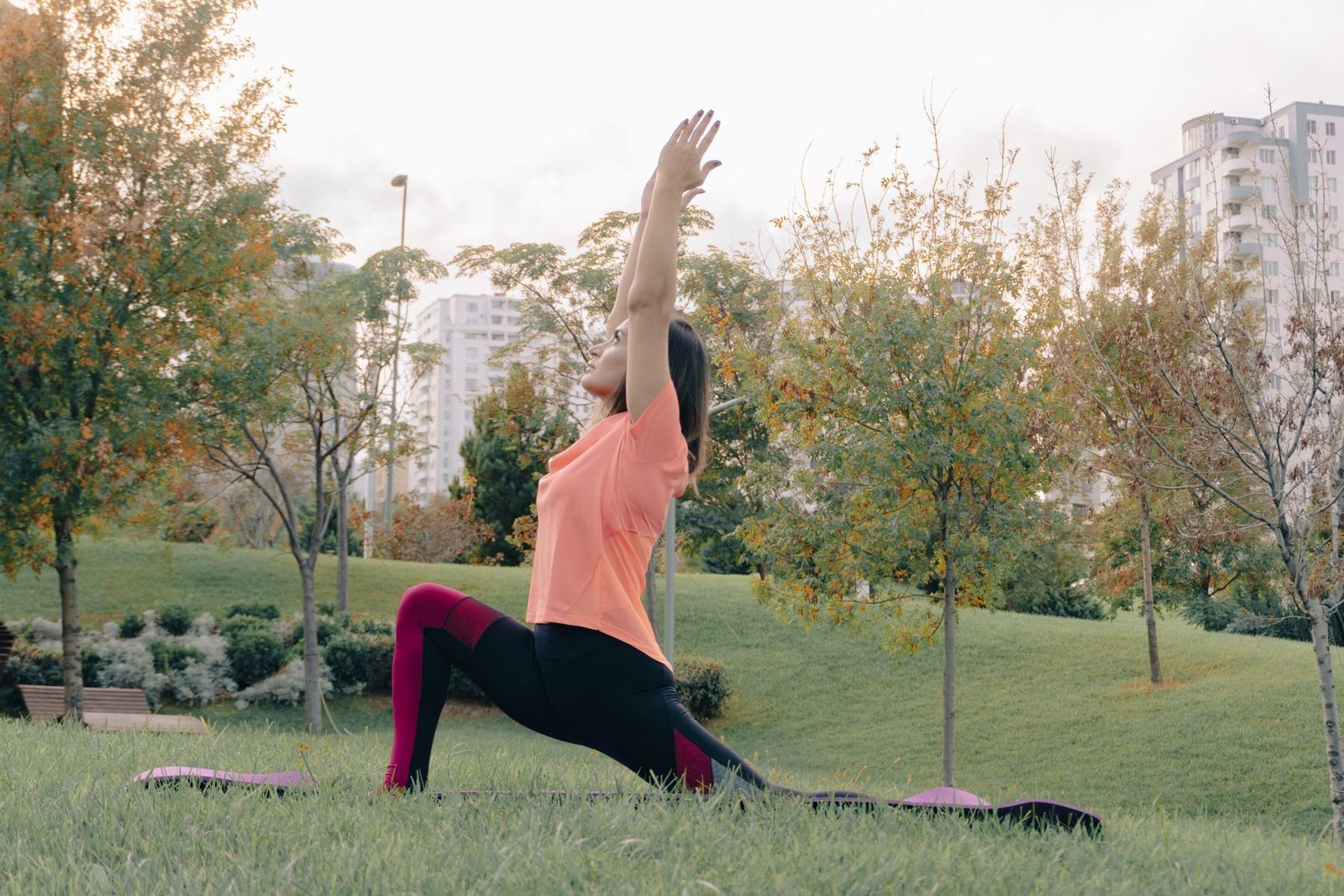
Addressing prolonged sitting, taking regular breaks to stand and walk, and incorporating hip extension movement into your day, tends to help manage the postural contributor to psoas tightness. Gentle stretching, along with targeted strengthening of the surrounding hip and core muscles, is commonly used as a general approach, since a well-conditioned hip complex tends to reduce the burden placed specifically on the psoas.
For athletes, addressing training load if repetitive hip-flexion-heavy activity is a contributing factor, rather than continuing the same pattern that triggered symptoms, is a sensible general approach alongside any hands-on treatment or targeted exercise.
When Deep Hip Or Back Pain Needs Professional Assessment
Pain that’s severe, persistent despite reasonable self-care, or accompanied by significant swelling, fever, or symptoms that don’t change at all with movement or position, warrants prompt medical assessment rather than continued self-management. Pain that radiates down the leg with numbness or tingling is a different pattern worth having properly assessed rather than assumed to be psoas-related.
What To Expect When You Book An Assessment With Impact Sports Rehab
At Impact Sports Rehabilitation, an assessment for suspected psoas-related pain looks at hip flexibility, posture, and surrounding muscle strength to identify what’s genuinely contributing to your symptoms rather than treating the psoas in isolation. This is often paired with sports massage for acute tightness and a broader rehabilitation consultation addressing contributing factors, drawing on similar principles to those covered in QL muscle pain, another deep postural muscle that shares a similar profile of causes.
If deep hip or lower back pain has you wondering about your psoas, Impact Sports Rehabilitation works with clients across Eccles, Trafford, and Salford on genuinely thorough assessment. Ask about an online consultation if you’re further afield.
Frequently Asked Questions
Is this the psoas or something related to the hip joint itself?
Both are genuinely possible, and they can sometimes feel similar since they’re located close together, deep hip and groin discomfort has several possible sources beyond the psoas. A proper assessment, including specific tests for each structure, is the most reliable way to tell the difference for your specific symptoms.
How long does psoas-related pain typically take to settle?
This varies considerably depending on the underlying cause and how consistently it’s addressed, so we wouldn’t want to guess a fixed timeline without an assessment. Pain related to prolonged sitting often improves with consistent postural changes, while a more acute strain may take longer.
Is stretching alone enough to fix this?
Stretching can genuinely help ease tightness, but if prolonged sitting or repetitive loading patterns aren’t also addressed, tightness tends to return fairly quickly. Combining stretching with postural changes and targeted strengthening tends to produce more lasting results than stretching alone.
Can sitting really cause this much pain?
Yes, genuinely, prolonged sitting is one of the most commonly cited contributors to psoas-related tightness and discomfort, since it keeps the muscle in a shortened position for extended periods most days of the week. Regular movement breaks throughout the day can make a meaningful difference for many people.
Should I stop running or kicking-based sport if my psoas hurts?
This depends on severity, mild discomfort may tolerate modified activity reasonably well, while more significant pain may need a temporary reduction in aggravating movements. A physiotherapist or sports therapist can advise on what’s appropriate for your specific situation rather than guessing.
This article is provided for general educational purposes by Impact Sports Rehabilitation and does not constitute medical advice, diagnosis, or treatment, and does not diagnose the cause of your specific symptoms. Always seek the guidance of a qualified physiotherapist, sports therapist, or doctor for individual assessment and diagnosis, and stop and seek professional advice if you experience worsening pain, numbness, or swelling.