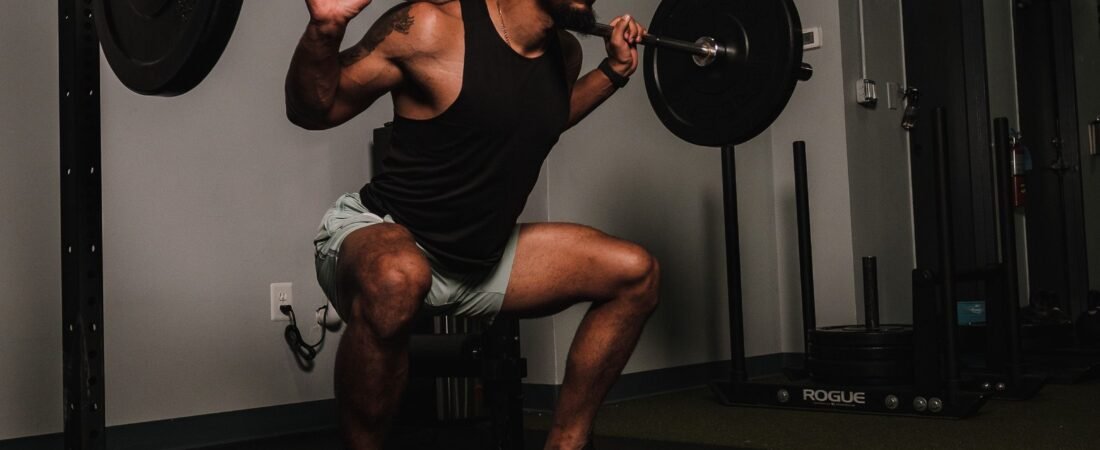
Quick answer: Physical therapy for sports hernia rehabilitation genuinely centres on restoring balance and strength between the abdominal and adductor muscle groups around the pubic joint, progressing through calming irritation, then core and hip strengthening, then sport-specific loading. Many cases respond well to a structured programme, though some ultimately need surgery. A proper clinical assessment determines which path is right for your specific presentation.
Weighing up whether to commit to physical therapy for sports hernia rehabilitation or head straight toward surgery is a genuinely difficult decision, especially with so much conflicting information about which path actually works. Here’s a realistic, structured picture of what physical therapy for sports hernia rehabilitation actually involves, phase by phase, so you can go into that decision with a genuine understanding of what conservative treatment actually asks of you.
What Sports Hernia Rehab Is Actually Trying To Achieve
A sports hernia, more accurately called athletic pubalgia, isn’t a true hernia in the traditional sense, it’s a strain or tear in the soft tissue around the pubic joint, most often involving the lower abdominal muscles and the adductor muscle group where they attach near the pubic bone. The underlying goal of rehab is genuinely about restoring the balance and strength between these two opposing muscle groups, since the abdominals and adductors both pull on the same small, shared area of the pubic bone from different directions, and an imbalance between them is a major contributor to this condition in the first place.
Rather than simply resting and hoping the area settles, effective rehab deliberately rebuilds strength and coordination in both muscle groups together, addressing the actual mechanical imbalance rather than just managing the pain it’s currently causing.
This imbalance tends to build up gradually rather than appearing from nowhere. Sports involving repeated kicking, sudden changes of direction, or explosive sprinting, football, ice hockey, and combat sports among them, place asymmetric, repetitive demand through this exact area over a season, and the adductors in particular often end up considerably stronger and tighter relative to the lower abdominal muscles that should be working alongside them to stabilise the pubic joint. Over time, that imbalance leaves the shared attachment point around the pubic bone taking on more strain than either muscle group is individually built to handle, which is genuinely how a lot of athletic pubalgia develops even without one specific, memorable moment of injury.
The Phases Of A Typical Rehab Programme
The early phase focuses on calming acute irritation, reducing pain-provoking activities, and beginning gentle, pain-free movement to maintain mobility without aggravating the injured tissue. This isn’t complete rest, prolonged inactivity tends to work against recovery here just as it does with most soft tissue injuries, but it does mean genuinely backing off anything that reproduces sharp pain during this early stage.
Core and hip strengthening forms the substantial middle phase, and this is genuinely where most of the real rehabilitation work happens, progressively loading the abdominal and adductor muscle groups together in a coordinated way over what’s often several weeks to a couple of months, depending on how the tissue is responding. Sport-specific loading comes last, reintroducing the cutting, sprinting, and kicking movements that originally strained the area, built up gradually as strength and tolerance improve, rather than jumping straight from basic strengthening back into full training. Each phase genuinely needs to be earned through how the tissue actually responds rather than progressed on a fixed calendar, since moving into loaded strengthening before the acute irritation has genuinely settled tends to set the whole process back rather than speed it up.
Core And Hip Strengthening That Actually Matters
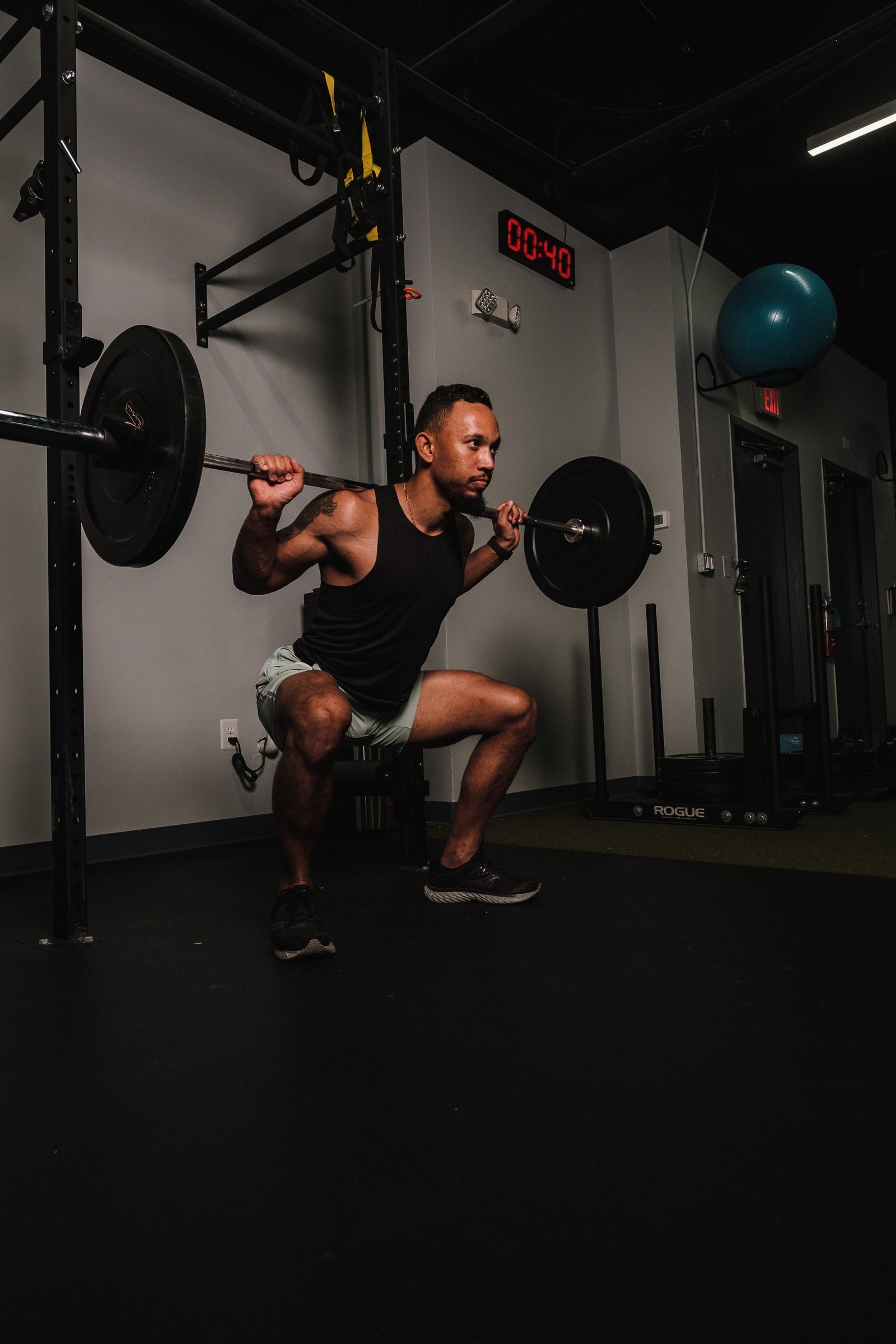
This is genuinely the part most sports hernia content gets wrong, offering a generic list of standard ab exercises as if that alone addresses this specific condition. The real work here is far more specific than that. The Hölmich protocol, one of the most well-studied approaches for adductor-related groin pain, centres on progressive adductor strengthening combined with core stability work, and research evaluating this kind of programme has found genuinely strong outcomes, with most athletes in supporting studies returning to their sport within roughly ten to twenty weeks.
Isometric holds, contracting the adductors and lower abdominals without movement, tend to be a well-tolerated early loading option, progressing to dynamic, band-resisted adductor work as tolerance improves. A dead bug exercise, lying on your back and slowly extending opposite arm and leg while keeping your lower back genuinely pressed into the floor, builds the deep core control this area needs without the spinal strain that heavier, more traditional ab exercises like full sit-ups can add on top of an already-irritated pubic joint. Copenhagen plank progressions, a side plank variation that loads the top-leg adductor against the weight of the body, are a well-regarded, more advanced adductor-specific exercise once basic strength has been rebuilt, genuinely targeting the exact muscle group and movement pattern involved in this condition rather than a generic side plank alone.
Coordinating this with lower abdominal and oblique strengthening, rather than training either muscle group in isolation, genuinely matters, since the whole point is rebalancing how these opposing groups share load through the pubic joint, not simply making one side stronger in isolation from the other. Progressing the two muscle groups roughly together, rather than letting the naturally faster-recovering adductors race ahead of the core work, tends to produce a more genuinely balanced result than focusing heavily on one side and treating the other as an afterthought.
How Progress Is Actually Measured
Genuine progress tracking goes beyond simply asking whether the pain has improved. Pain-free performance of specific, previously provocative movements, a controlled sprint, a change of direction, a kicking motion, done without reproducing symptoms, is a far more reliable marker than pain at rest alone. Strength testing, comparing adductor and core strength against expected benchmarks or the uninjured side, gives an objective measure of whether the underlying imbalance is actually resolving, rather than relying purely on how things subjectively feel. Many people find it genuinely reassuring to have these concrete markers tracked through the programme, since athletic pubalgia can otherwise feel like a frustratingly vague, hard-to-measure injury where it’s difficult to know whether you’re actually making real progress or just having a better or worse day.
When Rehab Alone Isn’t Enough
Being honest about this matters, some sports hernias respond very well to a properly structured rehab programme, and many athletes avoid surgery entirely with a genuine, consistent commitment to this kind of process. Others, though, particularly where there’s a more significant tear or a longer-standing, unresolved imbalance, continue experiencing persistent, limiting symptoms despite properly targeted rehab, and that’s a reasonable point to discuss a surgical opinion with your medical team.
Neither path is automatically the “better” one, the right choice genuinely depends on how your specific injury responds to a fair trial of structured rehab, not a fixed rule that applies the same way to everyone. When surgery does become the right path, it’s worth knowing that a proper rehab programme still matters afterward, post-surgical recovery generally follows a broadly similar staged progression through calming irritation, coordinated strengthening, and graded sport-specific loading, so the rehab knowledge gained during a conservative trial rarely goes to waste even if surgery ends up being necessary.
How Sports Rehab Structures This Programme
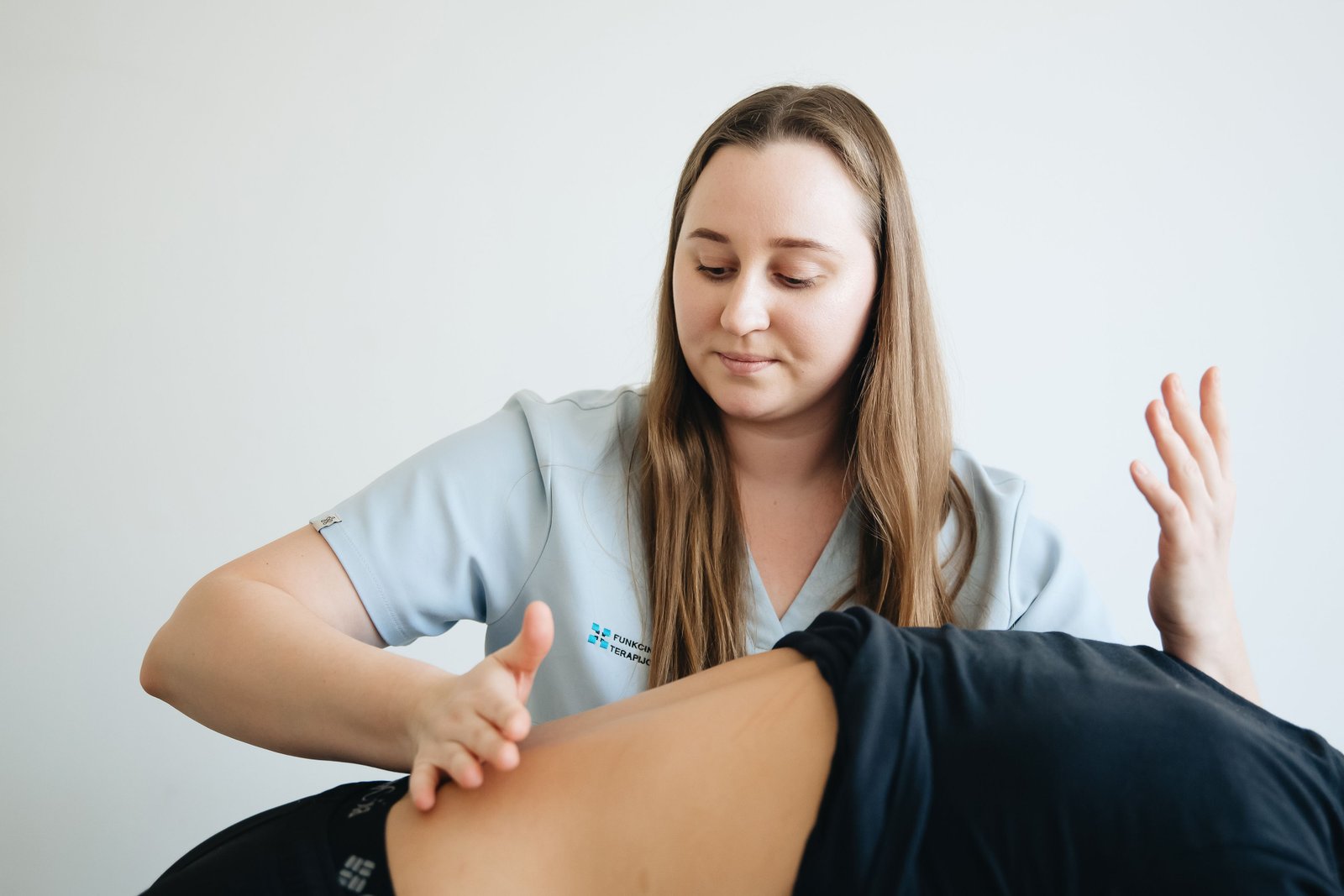
Building an effective sports hernia rehabilitation programme starts with understanding exactly where the imbalance between your abdominal and adductor strength actually sits. At Impact Sports Rehabilitation, a Rehabilitation Consultation assesses your specific presentation and structures a staged programme through each phase, calming irritation, coordinated core and hip strengthening, and graded sport-specific loading, built around how you’re actually responding rather than a fixed generic timeline. Cupping therapy and sports massage can be used as supportive tools alongside this staged strengthening programme, many clients find them genuinely useful for managing the compensatory tightness that builds up through the hip flexors and lower back while easing off aggravating activity during the earlier phases, though they work as support for the actual strengthening progression rather than a substitute for it.
If you’re weighing up physical therapy for sports hernia rehabilitation and want a genuine, structured plan rather than a generic exercise sheet, Impact Sports Rehabilitation works with athletes across Eccles, Salford, Trafford, and the wider Greater Manchester area on exactly this. Ask about an online consultation if you’re further afield.
Frequently Asked Questions
Will physical therapy actually fix my sports hernia, or am I likely to need surgery anyway?
It genuinely depends on your specific injury, many athletes respond well to a structured rehab programme and avoid surgery entirely, while others with more significant damage do eventually need it. A proper assessment and a fair trial of rehab is the honest way to find out which category you’re in.
How long does sports hernia physical therapy actually take?
This varies by individual, but research on structured adductor and core rehab programmes has found many athletes returning to sport somewhere in the ten to twenty week range. Your own timeline depends on the severity of the injury and how consistently the programme is followed.
Is it just core exercises, or is there more to it than that?
There’s genuinely more to it, effective rehab coordinates abdominal and adductor strengthening together, since the whole point is rebalancing how these two muscle groups share load through the pubic joint. Generic ab exercises alone don’t address that specific imbalance.
How do I know if my rehab is actually working?
Pain-free performance of previously painful movements, sprinting, cutting, kicking, and improving strength testing results are more reliable markers than pain at rest alone. In our experience, tracking these specific markers gives a much clearer picture than just asking how things generally feel day to day.
Should I stop all sport while I go through this rehab programme?
This depends on how irritable the area currently is and what your sport specifically demands, so it’s genuinely worth discussing with a clinician rather than assuming complete rest is required. Many people find some modification, rather than stopping entirely, is appropriate during the early phase.
This article is provided for general educational purposes by Impact Sports Rehabilitation and does not constitute medical advice, diagnosis, or treatment. Some sports hernias respond well to a structured rehab programme, while others ultimately require surgery, and this article does not diagnose any specific case. Always seek the guidance of a doctor or other qualified health provider with any questions about your specific injury.