
Quick answer: Hip impingement rehabilitation that actually works targets deep hip stability and pelvic control, not just generic mobility exercises, since femoroacetabular impingement often involves weakness in the muscles that keep the hip joint centred during movement. Many cases genuinely improve with a properly targeted rehab programme, though some persistent cases need a surgical opinion. A proper assessment of your specific movement pattern is what determines which category you’re in.
If you’ve been diagnosed with hip impingement, or femoroacetabular impingement, FAI, and you’ve already worked through a standard hip mobility routine without much real change, you’re genuinely not alone, and it’s not that rehab doesn’t work for this condition, it’s that most generic hip exercise lists were never actually built to address what’s going wrong. Here’s a clearer, more honest picture of what hip impingement rehabilitation actually needs to target to make a genuine difference.
What’s Actually Happening In A Hip Impingement
Femoroacetabular impingement describes a mismatch in shape between the ball of the hip joint, the femoral head, and the socket, the acetabulum, that causes the two to pinch against each other during certain movements, particularly deep hip flexion like squatting low or bringing the knee toward the chest. This bony mismatch can involve the femoral side, a cam-type shape, the socket side, a pincer-type shape, or a combination of both, and repeated pinching over time can irritate the labrum, the ring of cartilage lining the socket, and the surrounding soft tissue.
This is a genuinely mechanical problem at its root, not simply inflammation that will settle with rest alone, which is exactly why understanding what’s physically happening during the pinching movement matters so much for building rehab that actually helps rather than just managing symptoms temporarily.
It’s a genuinely common finding in sports involving repeated deep hip flexion, footballers kicking, martial artists and BJJ practitioners moving through deep guard or hip-heavy positions, and gym-goers squatting deep and often, since these movements repeatedly bring the hip into exactly the range where a cam or pincer shape is most likely to pinch. That doesn’t mean the sport itself is the problem, it means the joint is being asked to move through its available range frequently enough that any underlying shape mismatch tends to become symptomatic sooner than it might in someone whose activities involve less deep hip flexion.
Why Generic Hip Exercises Often Don’t Help
This is genuinely the part most hip impingement content gets wrong. A huge amount of available content offers the same handful of generic hip mobility and stretching exercises regardless of the individual’s specific movement pattern, treating hip impingement as if everyone’s presentation is identical. In reality, how your particular hip and pelvis move together during a squat, a step down, or a pivot is highly individual, and two people with the same structural diagnosis can have meaningfully different movement patterns contributing to their symptoms.
Research on people with femoroacetabular impingement has found genuinely different hip and pelvis movement patterns compared to people without the condition, things like the pelvis tilting excessively or the thigh drifting into an unhelpful position during loaded movement. A generic stretching routine does nothing to address these individual movement faults, and can, in some cases, actually aggravate symptoms by pushing further into the exact range where the pinching is already happening. A proper assessment of your specific hip and pelvic control during functional movement is what actually reveals what needs to change, not a one-size-fits-all exercise sheet.
What Effective Rehab Actually Targets
Genuinely effective hip impingement rehab centres on rebuilding deep hip stability, particularly the muscles like the deep hip rotators and gluteus medius that control the femoral head’s position within the socket during movement, rather than simply the larger, more visible muscles most generic programmes focus on. Gluteus medius weakness specifically has a well-documented role here, since it controls pelvic stability during single-leg loading, and weakness allows the pelvis to drop or the thigh to drift inward during activities like walking, running, or squatting, both of which can worsen the pinching pattern over time.
Movement pattern correction is just as central, learning to control your pelvis and maintain hip alignment specifically during a squat, a lunge, or a step down, rather than assuming strength alone will automatically translate into better movement quality. Exercises like side-lying hip abduction and clamshells, done with genuine attention to keeping the pelvis still rather than rocking to generate the movement, build the deep rotator and gluteal strength this condition specifically needs. Single-leg bridges and controlled step-downs, slowly lowering off a small step while watching for the pelvis dropping or the knee drifting inward, then bring that strength into the kind of functional, weight-bearing control that actually matters during real movement.
Addressing compensations elsewhere in the kinetic chain also genuinely matters, tightness or weakness through the lower back, the opposite hip, or even the ankle can subtly alter how load moves through the hip joint, and these compensations often need to be identified and addressed alongside the hip itself rather than treated as separate, unrelated issues. A stiff ankle that limits how far the knee can travel forward during a squat, for example, can quietly force extra depth or compensation through the hip to complete the movement, which is exactly the kind of thing a generic hip-only exercise list would never catch.
When Rehab Isn’t Enough And Surgery Gets Discussed
Many cases of hip impingement genuinely respond well to a properly targeted rehab programme, and structured physiotherapy is generally considered a sensible first-line approach for this reason. That said, it would be dishonest to suggest rehab resolves every case, some people continue experiencing significant, limiting symptoms despite a genuinely well-executed rehab programme, particularly where the underlying bony shape mismatch or labral damage is more significant.
When persistent pain, mechanical catching or locking sensations, or significantly limited function continue despite properly targeted rehab given a fair, consistent trial, that’s genuinely a reasonable point to discuss a surgical opinion alongside your rehab team, rather than continuing to push through an approach that isn’t producing real change. This isn’t a failure of rehab, it reflects that some structural presentations genuinely benefit more from surgical correction of the underlying bony shape than from soft tissue and movement work alone, and a good rehab team will generally be upfront about this possibility rather than continuing an unproductive approach indefinitely.
How Sports Rehab Builds A Plan That Works
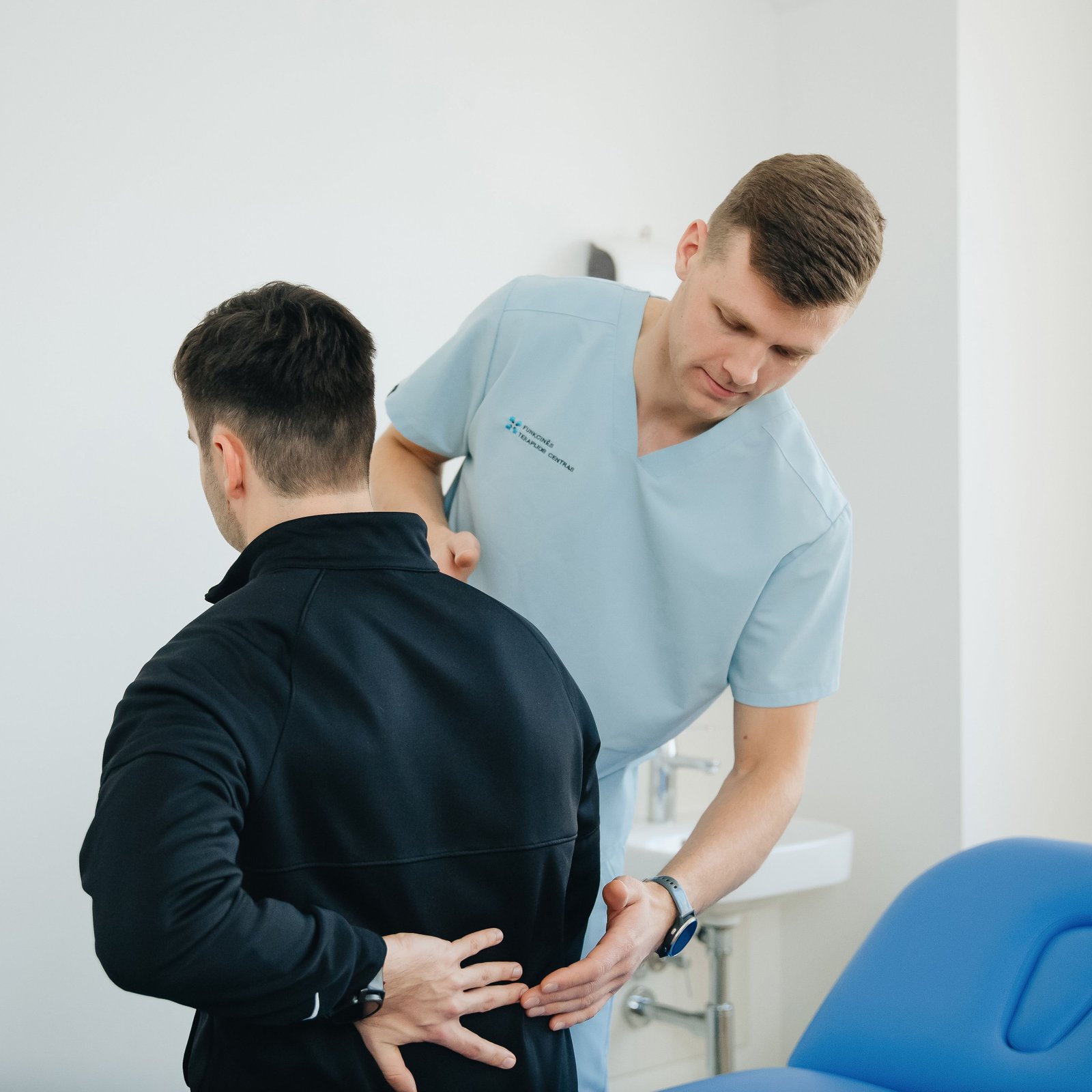
Building a hip impingement rehab plan that actually works starts with understanding your specific movement pattern rather than applying a generic protocol. At Impact Sports Rehabilitation, a Rehabilitation Consultation assesses how your hip and pelvis are actually moving during functional tasks, identifies the specific stability and control gaps contributing to your symptoms, and builds a targeted plan around those individual findings.
Returning To Sport Without Aggravating It
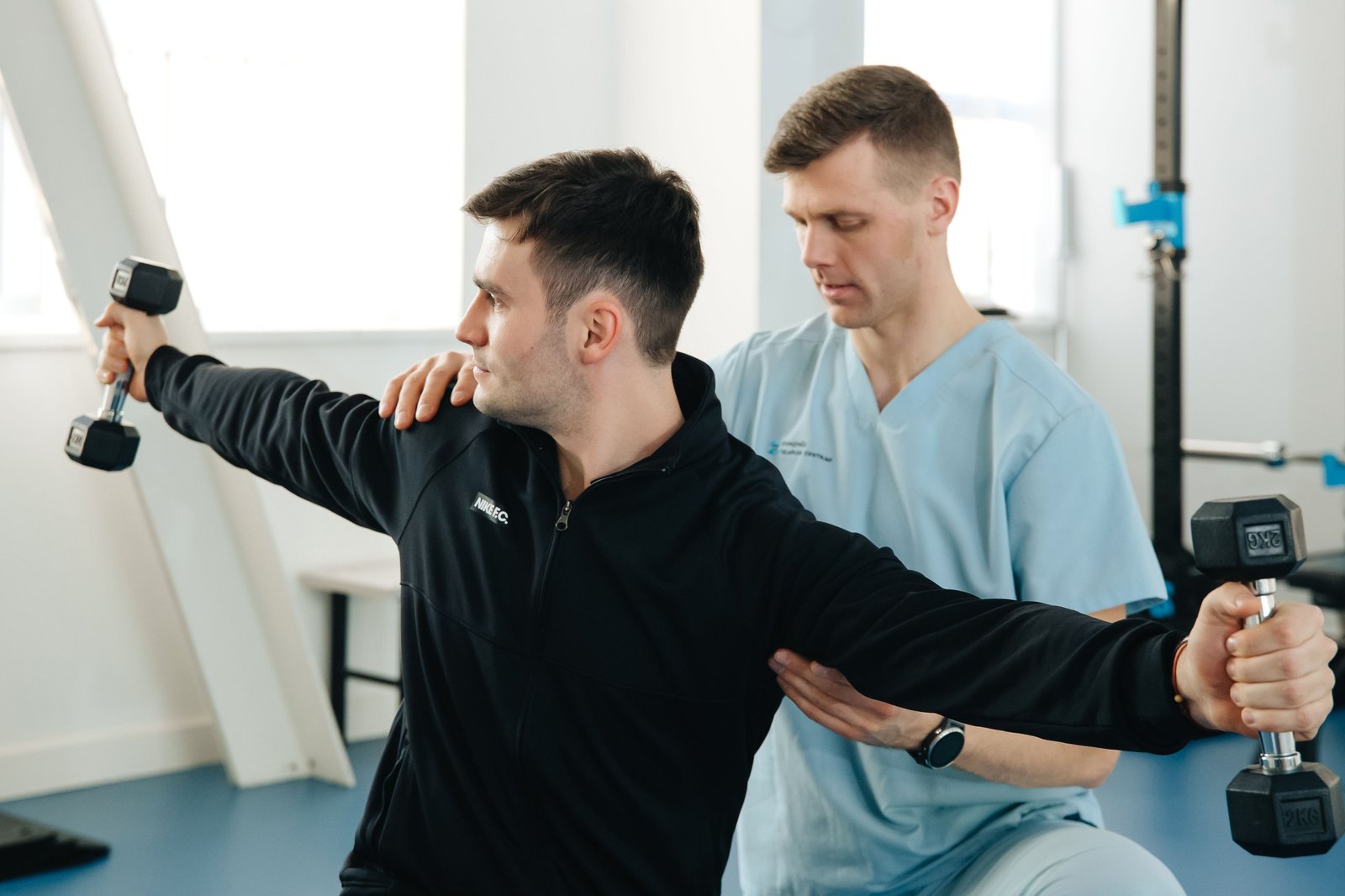
Returning to squatting, running, or sport-specific movement after hip impingement rehab genuinely benefits from a graded approach that respects how the joint responds, rather than jumping straight back to full training volume once symptoms have settled. Gradually reintroducing deeper ranges of hip flexion, monitoring how the joint feels both during and after activity, tends to be more reliable than assuming full range is automatically safe again just because pain has eased.
Many people find that continuing the deep hip stability work as an ongoing part of training, rather than dropping it once symptoms improve, genuinely helps keep the underlying movement pattern that contributed to symptoms from simply creeping back in once you’re back to full activity and no longer paying close attention to it.
Sport-specific movements deserve particular attention during this graded return. A footballer working back toward kicking, or a BJJ practitioner returning to deep guard positions, benefits from reintroducing those specific movements progressively, starting with controlled, lower-intensity versions before building back toward full sporting demand, rather than assuming general hip strength alone will carry over automatically to the exact movement pattern that originally aggravated symptoms.
If you’ve tried generic hip exercises for your impingement without much real change, Impact Sports Rehabilitation works with clients across Eccles, Salford, Trafford, and the wider Greater Manchester area on building a genuinely targeted hip impingement rehabilitation plan around your specific movement pattern. Ask about an online consultation if you’re further afield.
Frequently Asked Questions
I’ve already tried hip stretches for months, does that mean rehab just doesn’t work for hip impingement?
Not necessarily, generic stretching alone often isn’t enough because it doesn’t address the deep hip stability and movement pattern issues genuinely central to this condition. Many people find real improvement once rehab specifically targets those areas rather than stretching alone.
Will squatting always hurt if I have hip impingement?
Not necessarily, many people find that improving hip and pelvic control during a squat, alongside gradual range-of-motion work, genuinely reduces or resolves pain during this movement over time. How much change is possible does depend on your specific structural presentation, which is where an assessment helps.
How do I know if I need surgery or if rehab will be enough?
This genuinely isn’t something to determine from the outside, it depends on how you respond to a properly targeted rehab programme given a fair trial, alongside your specific structural findings. A proper assessment, and ongoing reassessment during rehab, is what helps answer this for your individual situation.
Is it safe to keep training while I work through hip impingement rehab?
This depends on how irritable your hip currently is and what your training actually involves, so it’s genuinely worth discussing with a clinician rather than guessing. Many people find some modification, rather than complete rest, is appropriate, but the specifics vary by individual.
Can hip impingement come back after successful rehab?
It’s possible if the underlying movement pattern and stability gaps that contributed to symptoms aren’t maintained once you return to full training. In our experience, clients who keep some of the hip stability work going long-term tend to report fewer recurring issues than those who drop it entirely once symptoms settle.
This article is provided for general educational purposes by Impact Sports Rehabilitation and does not constitute medical advice, diagnosis, or treatment. Hip impingement severity varies, and while many cases improve with targeted rehab, some require surgical consultation. Always seek the guidance of a doctor or other qualified health provider with any questions about your specific injury.


