Quick answer: How long does a back strain last genuinely depends on severity, mild strains often settle in one to two weeks, moderate strains in two to six weeks, and more severe strains can take six weeks or longer. Age, activity level, and how the injury is managed all influence the real timeline. Numbness or weakness in the legs, or any loss of bladder or bowel control, needs urgent medical attention rather than continued self-care.
You’ve probably already found both a reassuringly quick answer and a worryingly long one when searching how long does a back strain last, and honestly, neither one alone tells you the full picture. Let’s walk through the specific factors that actually determine your individual timeline, then a realistic, stage-by-stage picture of what recovery actually looks like.
The Honest Answer: It Depends On These Factors
This is genuinely the part most back strain articles skip, giving either a single vague “it depends” with no further detail, or a falsely precise single number that doesn’t actually apply to most readers. The real answer depends on several specific, identifiable factors. Severity is the biggest driver, a mild strain involving only a small number of overstretched fibres behaves very differently from a moderate strain with some genuine fibre tearing, or a severe strain with more significant tissue damage.
Age genuinely plays a role too, tissue in older adults tends to heal somewhat more slowly than in younger people, though this is a general tendency rather than a fixed rule for any individual. Activity level and baseline core strength going into the injury also matter, someone with a stronger, more conditioned back going in often has a smoother recovery than someone whose back was already deconditioned before the strain happened. How the injury is actually managed in the early days, covered in more detail below, can meaningfully speed up or slow down the whole process regardless of the initial severity.
It’s worth being specific about what “mild,” “moderate,” and “severe” actually mean here too, since these words get thrown around a lot without much real definition. A mild strain typically involves a small degree of overstretching with minimal inflammation, discomfort that’s noticeable but doesn’t seriously limit movement. A moderate strain involves some genuine tearing of muscle fibres, with more pronounced pain, stiffness, and often visible difficulty moving normally for the first several days. A severe strain means partial or more extensive fibre tearing, sometimes with real difficulty standing upright or moving at all in the acute phase, and this category is where the timeline stretches out furthest and where getting a proper assessment early genuinely matters most.
The Realistic Timeline, Stage By Stage
The acute inflammation stage lasts roughly the first three to four days, during which blood flow increases to the area to begin clearing damaged tissue and delivering what’s needed for repair, this is typically the most painful stage. Early movement, genuinely gentle, pain-guided movement rather than complete bed rest, generally begins within this window and continues through the following days as new tissue starts forming to bridge the injured area, usually from around day three through several weeks.
Strengthening becomes the focus once the acute pain has settled enough to tolerate it, typically starting within the first couple of weeks for milder strains and somewhat later for more significant ones, and this phase is where the replacement tissue, initially disorganised and genuinely weak, gradually remodels into stronger, more functional muscle. Full return to normal activity follows, with mild strains often resolving within one to two weeks overall, moderate strains typically taking two to six weeks, and more severe strains taking six weeks or genuinely longer before things feel fully back to normal.
What Slows Recovery Down
Too much rest is a genuinely common, well-meaning mistake, staying largely sedentary for an extended period after the acute phase has passed tends to leave the back stiffer and weaker than a more graded return to movement would, ultimately slowing the whole recovery down rather than protecting it. Returning to heavy activity too soon works against recovery in the opposite direction, loading the still-healing, still-disorganised new tissue before it’s genuinely ready for that demand risks re-aggravating the strain and effectively restarting part of the healing process. Finding the right balance between these two extremes is genuinely the single biggest factor within your control, and it’s exactly why a guided, staged approach tends to outperform guessing at either rest or activity on your own.
Weak core muscles going into the injury, previous back injuries that left the area more vulnerable, and factors like poor sleep and high stress, which genuinely impair tissue healing more broadly, can all extend the realistic timeline beyond what the initial severity alone would suggest. Jobs involving repetitive lifting, prolonged sitting, or vibration, delivery driving or manual trades among them, can also genuinely stretch out recovery if the back keeps being loaded in ways that don’t allow it to settle.
Sleep and stress deserve a specific mention here too, since they’re genuinely easy to overlook next to more obvious physical factors. Poor sleep interferes with the body’s own tissue repair processes, which happen substantially during deep sleep, and high stress keeps the surrounding muscles in a more guarded, tense state that can genuinely slow the return of normal movement. Smoking has a similarly well-documented negative effect on tissue healing more broadly, reducing blood flow to healing tissue. None of these factors alone typically explain a prolonged recovery, but stacked together with a genuine strain, they can meaningfully extend a timeline that would otherwise have followed a more standard course.
When It’s Taking Too Long And Needs A Proper Look
If pain that should reasonably be settling by the general timelines above is instead staying the same or getting worse, that’s genuinely worth a proper assessment rather than continuing to wait it out. Numbness, tingling, or weakness in the legs is a clear signal to get checked promptly, since this can indicate nerve involvement beyond a straightforward muscular strain.
Any loss of bladder or bowel control alongside back pain is a genuine medical emergency requiring urgent attention, this specific combination should never be managed with self-care or a wait-and-see approach.
How Sports Rehab Speeds Up Safe Recovery
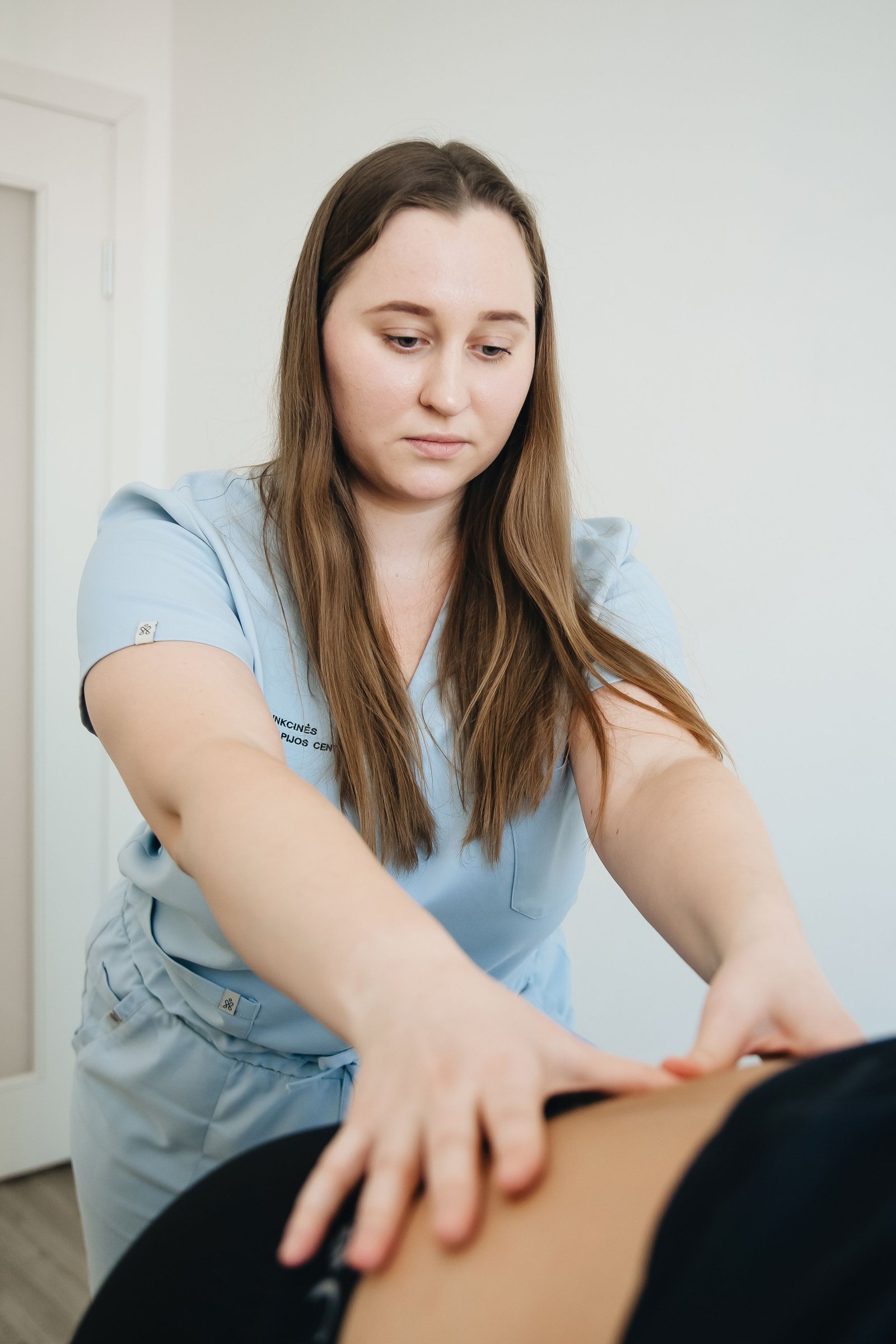
Getting genuinely tailored guidance on how to move and load your back through each stage, rather than guessing at the balance between rest and activity on your own, tends to make a real difference to how smoothly recovery actually goes. Sports massage can help ease the muscle tightness and guarding that often builds up around a strained back, and acupuncture is a supportive option some clients find helpful alongside guided rehab once anything more serious has genuinely been ruled out. Guided exercise progression at Impact Sports Rehabilitation is built around your specific stage of healing, helping you find that genuine balance between too much rest and returning too soon.
Getting Back To Normal Activity And Sport
A safe, graded return to normal activity and sport genuinely means progressively reintroducing load, starting with everyday movement and functional tasks before working back up to sport-specific demands like lifting, twisting, or contact, rather than jumping straight from feeling better back into full training. Paying attention to how the back responds after activity, not just during it, is a genuinely useful guide, discomfort that settles within a day suggests the load was appropriate, while pain that lingers or worsens the next day suggests backing off slightly before progressing again.
For anyone returning to sport specifically, rebuilding genuine core and back endurance, not just strength for a single heavy lift, tends to matter more than people expect, since most real-world back strains happen during repeated, fatiguing movement rather than a single maximal effort. Many people find that building this endurance back up gradually, alongside the specific movements their sport actually demands, twisting for golf or racket sports, repeated bending for certain positions in football, gives a genuinely more reliable foundation than simply waiting until the back “feels normal” and jumping straight back into full training.
If your back strain isn’t settling on the timeline you’d expect, or you want guidance getting the balance right between rest and movement, Impact Sports Rehabilitation works with clients across Eccles, Salford, Trafford, and the wider Greater Manchester area on exactly this. Ask about an online consultation if you’re further afield.
Frequently Asked Questions
How long does a back strain last if I actually rest it properly?
Mild strains often settle within one to two weeks, moderate strains within two to six weeks, and more severe strains can take six weeks or longer, though “resting properly” genuinely means gentle, graded movement rather than complete bed rest. Too much rest can actually slow recovery down rather than speed it up.
Is it normal for my back strain to still hurt after a few weeks?
It depends on the original severity, a moderate or more significant strain can genuinely still be settling at several weeks, which isn’t unusual. If pain isn’t gradually improving at all by that point, it’s worth getting a proper assessment rather than continuing to wait.
Should I just push through the pain to get back to normal faster?
No, pushing through genuine pain, rather than gentle, graded movement, tends to slow recovery down by re-aggravating still-healing tissue. Many people find a measured, gradual return actually gets them back to full activity more reliably than rushing it.
How do I know if my back pain is just a strain or something more serious?
A straightforward strain typically improves gradually over the timelines described above without numbness, tingling, or leg weakness. Any of those symptoms, or any loss of bladder or bowel control, need urgent medical attention rather than being treated as a simple strain.
Can a back strain take way longer than six weeks to heal?
It’s possible, particularly with a more severe strain, other contributing factors like weak core strength or a physically demanding job, or if the recovery process was disrupted by returning to activity too soon. In our experience, a properly guided, graded recovery tends to prevent this kind of prolonged timeline more reliably than managing it alone.
This article is provided for general educational purposes by Impact Sports Rehabilitation and does not constitute medical advice, diagnosis, or treatment. Back strain recovery time genuinely varies based on severity and individual factors. Numbness or weakness in the legs, or any loss of bladder or bowel control, requires urgent medical attention rather than continued self-care. Always seek the guidance of a doctor or other qualified health provider with any questions about your specific injury.