Quick answer: Rhomboid pain, a dull ache or tightness between the shoulder blades, is usually muscular, caused by poor posture, rowing-heavy training, or a sudden increase in upper back load. Quick fixes like stretching and heat can ease it in the short term, but genuinely lasting relief usually needs addressing the underlying postural or training pattern causing it. Pain radiating to the jaw or arm, chest tightness, shortness of breath, or pain that doesn’t change with movement or position are red flags that need urgent medical attention rather than self-care.
Rhomboid pain, that dull ache or tightness right between your shoulder blades, is something we see constantly, in athletes carrying heavy training loads and desk-bound clients alike. This is the practical, signs-causes-fixes version, what actually points to your rhomboids specifically, what’s commonly causing it, and what genuinely helps, both right now and for the long term.
The Key Signs It’s Actually Your Rhomboids
Rhomboid pain typically presents as a dull ache or persistent tightness sitting specifically between the shoulder blades, rather than at the point of the shoulder itself or up in the neck. It’s often worse with certain postures, particularly slumped sitting or prolonged screen work, and can flare up noticeably during or after specific movements like rowing motions, pulling exercises, or repetitive reaching across the body.
Pressing directly on the area between your shoulder blades and finding a genuinely tender, tight band of muscle is a fairly typical sign it’s specifically the rhomboids rather than a more general upper back issue, as opposed to pain that’s more centred over the spine itself or higher up toward the neck and trapezius, which points toward different structures entirely. The pain often eases somewhat with movement and stretching, and tends to build up gradually rather than appearing from nowhere, which is a genuinely useful distinguishing feature worth noting.
It’s also worth paying attention to how the pain responds to specific arm and shoulder movements. Pulling your shoulder blades together, like you’re trying to hold a pencil between them, often reproduces or slightly worsens genuine rhomboid tightness, which is a reasonably useful self-check, though it’s not a substitute for a proper assessment if the pain is persistent or significant.
The Most Common Causes
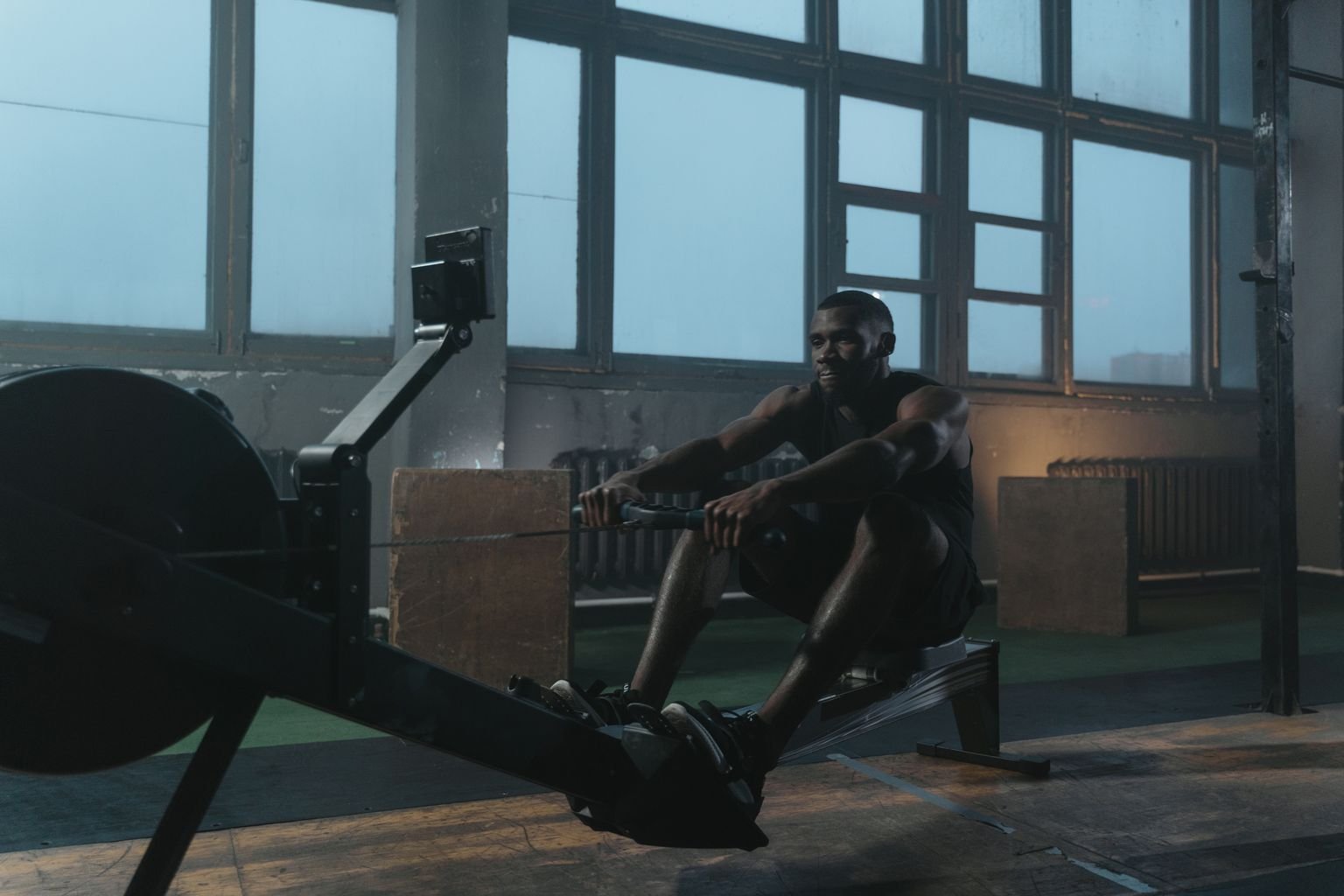
Poor posture, particularly prolonged slumped sitting with rounded shoulders, is one of the most common triggers, since it puts the rhomboids in a lengthened, overworked position trying to counteract that rounded posture all day. Rowing-heavy training, whether that’s actual rowing, heavy pulling exercises in the gym, or sports with a lot of pulling motion, can genuinely overload the rhomboids, especially with a sudden increase in volume or intensity. Poor pulling technique compounds this further, if the shoulder blades aren’t moving properly during rows or pull-ups, the rhomboids can end up doing more of the work than they’re meant to, taking on load that should genuinely be shared across the wider upper back musculature.
A sudden increase in load, whether that’s training volume, a new exercise, or even an unusually demanding day of manual work or carrying, is another genuinely common trigger, since the rhomboids simply weren’t conditioned for that jump in demand. Sleeping position and even stress-related tension, which many people unconsciously carry through the upper back and shoulders, can also contribute to ongoing rhomboid tightness. Carrying a heavy bag on one shoulder consistently, or a job involving a lot of one-sided reaching or lifting, can also produce a genuinely asymmetric pattern of rhomboid tightness, worth noting if your pain is clearly worse on one side than the other.
Quick Fixes For Immediate Relief
For genuine short-term relief, gentle stretching that opens up the chest and brings the shoulder blades together and apart through a comfortable range can help ease acute tightness. Applying heat to the area, a warm compress or heat pack, often provides genuine comfort for muscular tension in this specific area.
Self-massage using a tennis ball or similar against a wall, gently working the tight area, can provide some short-term relief for a lot of people, as can simply taking regular breaks from prolonged sitting to move and reset your posture through the day. These are genuinely useful for taking the edge off, though they’re not a long-term fix on their own. A few minutes of gentle movement, rolling the shoulders through their full range and doing a few sets of shoulder blade squeezes, can also help reset the area during a long stretch of desk work, particularly if you build it in as a regular habit rather than only reaching for it once the pain’s already flared up.
Longer-Term Fixes That Actually Address The Cause
Most rhomboid pain articles stop at quick fixes without addressing the underlying postural or training pattern that’s actually causing the pain to keep recurring, so here’s what genuinely makes a longer-term difference. Strengthening the rhomboids and surrounding upper back muscles, rather than just stretching them, addresses the actual capacity issue behind pain that flares up whenever load increases even slightly.
Addressing the postural habits driving the problem in the first place, workstation setup, regular movement breaks, and general postural awareness through the day, tends to matter more than any single stretch or exercise. For training-related rhomboid pain specifically, looking honestly at whether pulling volume increased faster than your upper back’s capacity to handle it, and adjusting programming accordingly, genuinely addresses the root cause rather than just managing the resulting symptom repeatedly. Sleep and general recovery quality also play a genuine role here, since a body that isn’t recovering well between training sessions or long work days tends to hold onto muscular tension more readily, making the rhomboids more prone to flaring up under the same load that wouldn’t have bothered them when better recovered. If your rhomboid pain has been a genuinely recurring issue rather than a one-off, our companion article on rhomboid muscle pain and recovery goes deeper into the fuller recovery picture, and our Rhomboid Major Pain guide covers a related, more specific presentation worth checking against your own symptoms.
When Rhomboid Pain Needs More Than Self-Care
While rhomboid pain is usually straightforwardly muscular, a few symptoms mean this needs urgent medical attention rather than continued self-care. Pain radiating to the jaw or down the arm, chest tightness, or shortness of breath alongside upper back pain are genuine red flags that could indicate a cardiac issue rather than a muscular one, and need urgent assessment rather than being treated as ordinary rhomboid tightness.
Pain that stays exactly the same regardless of movement, position, or activity, rather than easing or changing with stretching and rest, is also worth taking seriously, since typical muscular rhomboid pain usually does respond somewhat to movement and position changes. If you experience any of these red flag symptoms, seek urgent medical attention rather than trying self-care or waiting to see if it settles. It’s also worth being genuinely honest with yourself about whether your pain fits the typical muscular pattern, worse with certain postures, easing somewhat with movement, tender to direct pressure, versus a pattern that doesn’t add up, since the mismatch itself is a reasonable prompt to get checked rather than continuing to assume the least serious explanation.

How Sports Rehab Helps It Stop Coming Back
Once more serious causes have genuinely been ruled out, addressing recurring rhomboid pain properly means going beyond quick fixes to the underlying pattern causing it. At Impact Sports Rehabilitation, this starts with understanding your specific triggers, whether that’s training load, posture, or both, and building a plan that addresses the actual cause rather than just easing the symptom each time it flares up.
Sports massage and cupping are often used as supportive treatments for musculoskeletal rhomboid pain, helping ease acute tightness while the underlying strengthening and postural work does the longer-term job of stopping it from recurring. Guided rehab through a Rehabilitation Consultation ties this together into a genuinely coherent plan rather than isolated treatments, addressing both the immediate tightness and the training or postural pattern actually driving it, so the improvement genuinely holds rather than needing to be chased every time it flares back up.
If rhomboid pain keeps coming back no matter how many stretches you try, Impact Sports Rehabilitation works with everyday athletes, desk-bound clients, and combat-sports and BJJ practitioners across Eccles, Salford, Trafford, and the wider Greater Manchester area on addressing the actual cause. Ask about an online consultation if you’re further afield.
Frequently Asked Questions
How do I know if it’s my rhomboids or something more serious?
Typical rhomboid pain sits specifically between the shoulder blades, eases somewhat with movement and stretching, and doesn’t come with chest tightness, shortness of breath, or pain radiating to the jaw or arm. Any of those additional symptoms are the signal to seek urgent medical attention rather than assuming it’s muscular.
Why does my rhomboid pain keep coming back even after stretching helps?
This usually points toward an underlying postural or training pattern that hasn’t actually been addressed, rather than the stretching not working. Many people find that adding genuine strengthening work and addressing the root trigger, not just stretching when it flares up, makes a real difference to how often it recurs.
Is rhomboid pain from too much sitting or too much exercise?
It’s genuinely often both, or either, depending on the person, prolonged poor-posture sitting and sudden increases in pulling-heavy training are both common triggers. Working out which applies more to your own situation is worth doing, since the fixes for each genuinely differ somewhat.
Can stress actually cause rhomboid pain or is that just an excuse?
Stress-related muscle tension genuinely does commonly show up through the upper back and shoulders for a lot of people, so it’s a real contributing factor rather than an excuse. It’s worth being honest with yourself about whether stress is playing a role alongside any postural or training causes.
Should I be worried if the pain is only on one side?
One-sided rhomboid pain is genuinely common and often relates to asymmetric posture habits or one-sided training patterns, like always carrying a bag on the same shoulder. It’s not automatically more concerning than two-sided pain, though it’s still worth mentioning if you get it properly assessed.
This article is provided for general educational purposes by Impact Sports Rehabilitation and does not constitute medical advice, diagnosis, or treatment. Pain between the shoulder blades is usually muscular but can occasionally represent referred pain from the heart, lungs, or spine; pain radiating to the jaw or arm, chest tightness, shortness of breath, or pain unaffected by movement or position requires urgent medical attention. Always seek the guidance of a doctor or other qualified health provider with any questions about your specific symptoms.