Quick answer: Sports massage is a targeted form of massage therapy that uses techniques like deep tissue work, trigger point release, and stretching to address the specific demands of training and competition, rather than the general relaxation goals of a standard massage. It’s genuinely useful for competitive athletes and weekend gym-goers alike, managing tightness, supporting recovery, and complementing guided rehab. It isn’t a fix for every ache though, and an unclear or unresolved injury deserves a proper assessment first rather than jumping straight to massage.
If you keep hearing people mention sports massage, or you’re dealing with some persistent tightness and wondering whether it’s actually worth booking one, this is the honest version of that conversation. As someone who performs sports massage regularly, here’s a genuine explanation of what it actually involves, who it genuinely helps, and just as importantly, what it can’t do, rather than an overselling pitch that promises more than any single treatment reasonably can.
What Sports Massage Actually Involves
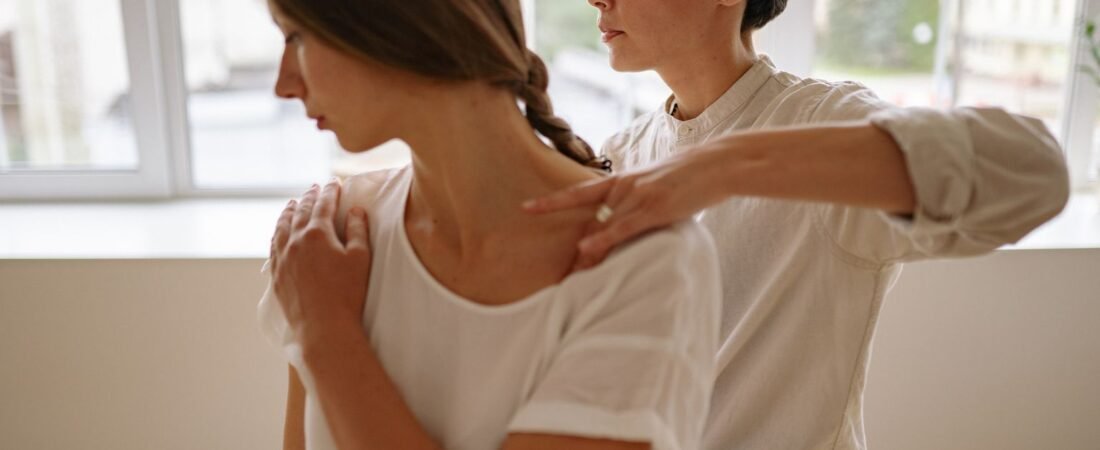
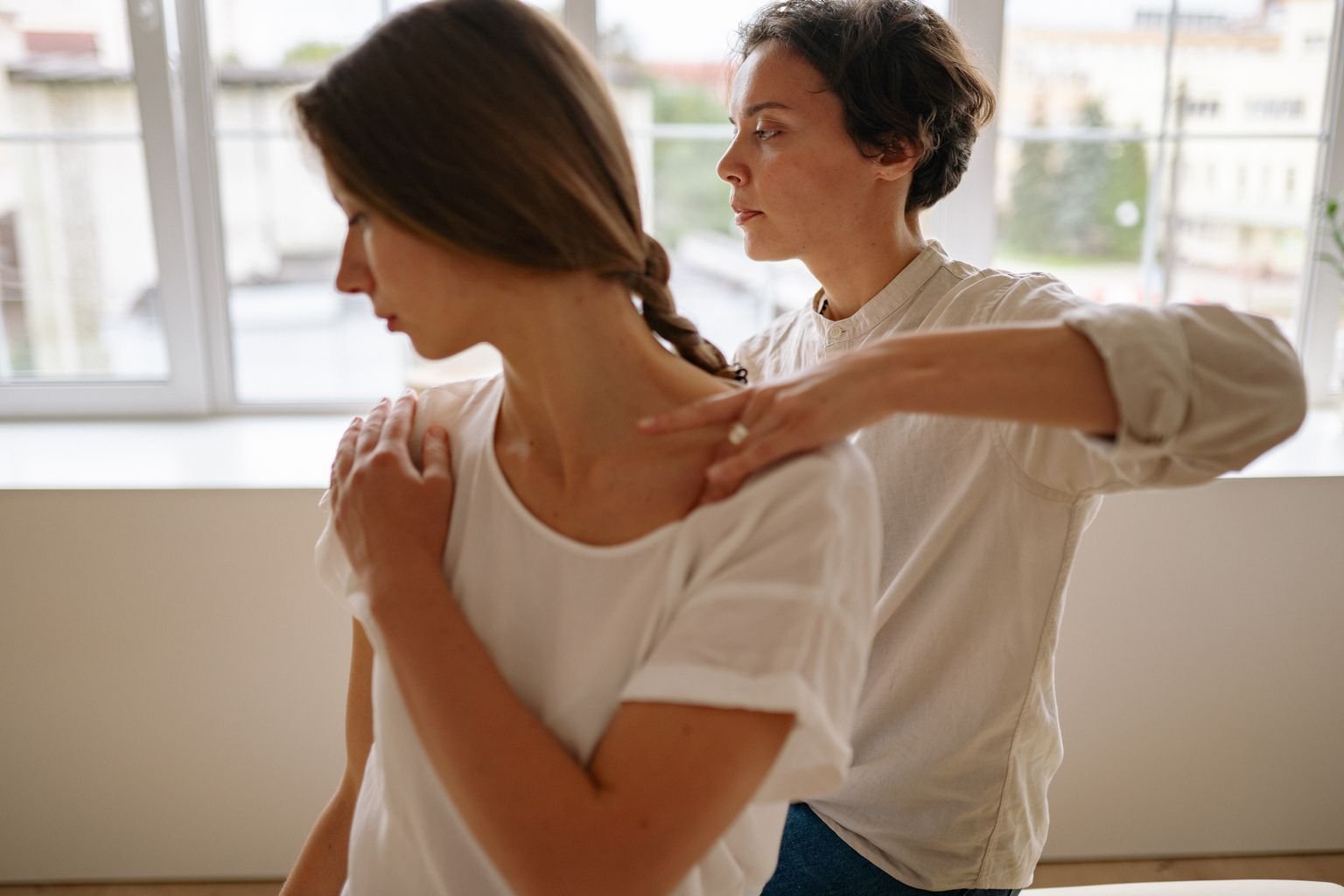
Sports massage uses a specific set of techniques, deep tissue work targeting particular muscle groups, trigger point release for localised areas of tension, and assisted stretching, applied with a clear purpose in mind rather than general relaxation. The pressure tends to be firmer and more targeted than a typical spa massage, focused on the muscles and movement patterns relevant to whatever sport or training the person actually does.
A therapist performing sports massage is usually working from some understanding of how a particular muscle group gets used and loaded during training, which shapes exactly where and how they work, rather than following a standardised, identical routine for every client regardless of what they actually do. This targeted approach is really the defining feature that separates sports massage from other forms of massage therapy.
Techniques can also flex depending on timing. Pre-event work tends to be lighter and more about preparing the muscles for activity, while post-event or post-training work often goes deeper, addressing the specific tightness and fatigue that builds up from that particular session. A therapist genuinely adjusts their approach based on where you are in your training cycle, rather than applying the same technique regardless of context.
Who Sports Massage Is Genuinely Useful For
Sports massage genuinely benefits a wide range of people, not just competitive athletes. Competitive athletes use it as a regular part of managing training load and recovering between sessions, particularly during heavier training blocks or in the lead-up to competition. Weekend gym-goers and recreational runners often find it useful for managing general muscle tightness that builds up from consistent training, especially in muscle groups that take repeated load week after week.
Combat sports and BJJ practitioners, who tend to carry a lot of tension through the shoulders, neck, and hips from grappling-specific movement patterns, often find it particularly relevant given how differently their bodies are loaded compared to more conventional sports. People recovering from a soft tissue injury, once a clinician has confirmed it’s appropriate, can also use sports massage as one supportive part of a broader rehab plan rather than a treatment on its own. Even people without a specific sport, whose muscle tension comes more from a physically demanding job or long hours at a desk, can genuinely find sports massage techniques relevant, since the underlying approach, addressing specific areas of tightness with targeted technique, isn’t strictly limited to sporting contexts even though that’s where the name comes from.
What It Can Realistically Do (And What It Can’t)
Most sports massage content oversells the benefits without honestly addressing its limits, so here’s a genuinely balanced picture. What it can realistically do: many clients find it helps with a sense of reduced muscle tightness and improved comfort with movement, and it’s often a genuinely useful part of a broader recovery routine alongside proper training load management, sleep, and nutrition.
What it can’t do: sports massage isn’t a substitute for addressing an actual training load problem, a strength deficit, or a movement pattern issue that’s the real underlying cause of ongoing tightness or pain. It also isn’t appropriate for every situation, acute injuries with unclear diagnosis, significant swelling, or conditions a clinician hasn’t yet assessed shouldn’t be treated with massage as a first response, since it could mask symptoms or, in some cases, genuinely isn’t the right treatment for what’s actually going on. Being honest about this distinction, that sports massage supports recovery and manages tightness rather than fixing underlying structural or training issues on its own, is exactly the kind of thing most sports massage marketing conveniently leaves out.
There’s also a genuine difference between what sports massage does in the moment and what it does longer term. The immediate sense of reduced tightness and improved comfort after a session is real for a lot of people, but expecting that single session to permanently resolve a tightness pattern that’s driven by an ongoing training load or movement issue is where expectations tend to get overinflated. Used consistently alongside proper training management, it’s a genuinely useful piece of the picture, not a standalone fix.
Sports Massage Vs A Regular Relaxation Massage
The two share some surface-level similarities, both involve hands-on massage techniques, but the purpose and approach genuinely differ. A relaxation massage is generally about general wellbeing and stress relief, with lighter, broader, more soothing pressure applied fairly uniformly across the body.
Sports massage is purpose-driven, targeting specific muscle groups relevant to training or competition demands, often with firmer, more focused pressure and techniques like trigger point work that a relaxation massage typically wouldn’t include. Neither is inherently better, they’re simply built for different goals, and choosing between them genuinely comes down to whether you want general relaxation or something more targeted at supporting athletic training and recovery specifically.
It’s also worth knowing that sports massage can sometimes feel less immediately soothing than a relaxation massage, given the firmer pressure and more targeted, sometimes briefly uncomfortable, work on genuinely tight areas. That’s a normal part of the approach rather than a sign something’s being done wrong, though it should never tip into sharp or genuinely unbearable pain during a session.
What To Expect During A Session At Impact Sports Rehabilitation
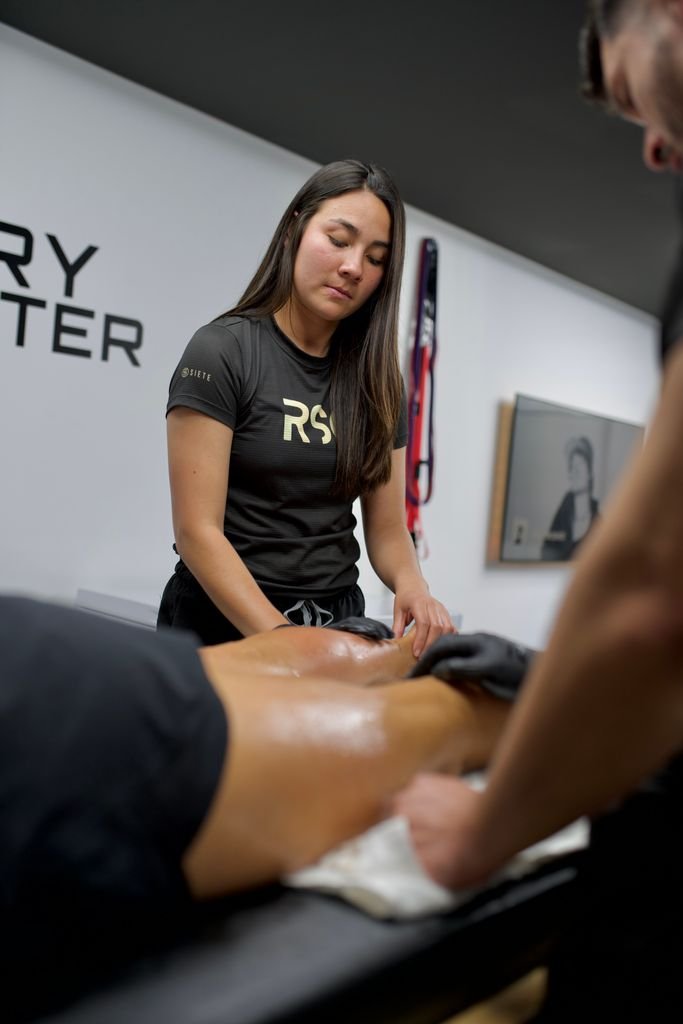
A Sports Massage session at Impact Sports Rehabilitation typically starts with a brief conversation about what you’re training for, any specific areas of tightness or concern, and whether anything about your current activity or injury history is relevant to how the session should be approached. From there, the therapist works through the relevant muscle groups using techniques matched to what you actually need that day, rather than a fixed, identical routine for everyone.
If you’re already working with the clinic on a rehab programme through a Rehabilitation Consultation, sports massage sessions are often coordinated alongside that broader plan, supporting the strengthening work rather than existing as a separate, disconnected treatment. If you have an unclear or unresolved injury and haven’t yet had it properly assessed, it’s worth starting with a Rehabilitation Consultation first, to make sure massage is genuinely the right fit before diving in.
How Often You’d Actually Need One
There’s genuinely no single right frequency, and it depends heavily on your training load, goals, and how your body responds. Athletes in a heavier training block sometimes find more frequent sessions, weekly or every couple of weeks, useful for managing accumulated tightness, while someone training more moderately might find a monthly session, or booking in around particularly demanding training blocks or events, is genuinely enough.
Rather than following a rigid, one-size-fits-all schedule, many clients find it more useful to treat sports massage as a tool that gets used when it’s actually needed, tied to training load and how their body is genuinely feeling, rather than a fixed recurring appointment regardless of need.
That said, some people do genuinely find value in a consistent, regular rhythm, since it can be easier to catch developing tightness early when you’re being checked in on a predictable schedule, rather than only booking in once something’s already become a noticeable problem. Neither approach, need-based or scheduled, is objectively more correct, it genuinely comes down to what actually works for your own training pattern and what you find easiest to stick with consistently.
If you’re curious whether sports massage would genuinely help your training or recovery, Impact Sports Rehabilitation works with everyday athletes, gym-goers, and combat-sports and BJJ practitioners across Eccles, Salford, Trafford, and the wider Greater Manchester area on exactly this. Ask about an online consultation if you’re further afield.
Frequently Asked Questions
Will sports massage actually help my niggling injury or is it just for athletes without injuries?
It genuinely depends on what the niggle actually is, sports massage can be a useful supportive tool once an injury has been properly assessed and it’s confirmed to be appropriate. If you’re not sure what’s actually going on, starting with a proper assessment first makes sure massage is genuinely the right fit rather than guessing.
Does sports massage hurt?
It can involve firmer pressure than a relaxation massage, and some areas of genuine tightness can feel uncomfortable during the session, but it shouldn’t be sharply painful. In our experience, communicating with your therapist about pressure throughout the session helps make sure it stays at a level that’s genuinely productive rather than just uncomfortable.
Is sports massage only for serious athletes?
Not at all, plenty of weekend gym-goers and recreational runners find sports massage genuinely useful for managing ordinary training-related tightness. You don’t need to be competing at a high level to get something meaningful out of it.
How is sports massage different from just foam rolling at home?
Foam rolling can genuinely help with general self-managed tightness between sessions, but it can’t replicate the targeted, hands-on assessment and technique a trained therapist brings, particularly for specific problem areas or trigger points. Many clients find the two work well together, foam rolling for regular self-maintenance and sports massage for more targeted, periodic attention.
Should I get a sports massage right after an intense training session or event?
This genuinely varies by individual and the specific situation, and it’s not something we’d want to give one-size-fits-all timing advice on without knowing more about your training and how you typically respond. Many clients find discussing timing directly with their therapist, based on their specific training calendar, works better than following generic timing rules.
This article is provided for general educational purposes by Impact Sports Rehabilitation. Individual experiences with sports massage vary, and it is not appropriate for every situation, particularly an unclear or unresolved injury, which should be properly assessed by a qualified clinician first. This content does not constitute medical advice, diagnosis, or treatment, and you should always seek the guidance of a doctor or other qualified health provider with any questions about your specific condition.