Quick answer: LCL pain, ongoing discomfort on the outer side of the knee, is most often linked to a sprained lateral collateral ligament, though it can also come from irritation of the iliotibial band or other structures nearby. Practical recovery focuses on managing the acute phase sensibly, then progressively strengthening the muscles that support the outer knee before returning to sport. Getting a confirmed diagnosis first matters, since LCL-specific advice only genuinely helps if the LCL is actually the source of your pain.
If you’re past the initial “what is this?” stage and dealing with ongoing LCL pain, you’re probably less interested in another anatomy lesson and more interested in what actually helps you get back to normal. Fair enough. This guide skips the diagnostic detail, covered properly in our companion article on LCL sprains, and goes straight into the practical recovery and management side, what genuinely helps in the early phase, how to build strength back up, and the common mistakes that quietly slow people down.
Confirming It’s Actually Your LCL Before You Start
Before diving into LCL-specific recovery advice, it’s worth pausing on one thing: outer knee pain has more than one possible cause, and following an LCL recovery plan for pain that’s actually coming from somewhere else won’t get you very far. The iliotibial band, a thick band of tissue running down the outer thigh to just below the knee, can cause remarkably similar outer-knee pain, particularly in runners and cyclists, and it responds to a genuinely different set of strategies than a ligament sprain.
If your LCL diagnosis hasn’t actually been confirmed by a clinician, our LCL Sprain article walks through the mechanism, grading, and red flags that point specifically toward the LCL rather than another structure. This one assumes that part’s already sorted and focuses purely on what comes next.
Practical Steps That Actually Help Recovery
In the early phase, the goal is protecting the ligament while it settles without fully immobilising the knee, since complete rest for longer than necessary tends to slow recovery rather than speed it up. Relative rest, meaning cutting out the specific movements that clearly aggravate the outer knee while still moving normally day to day, tends to work better than sitting still entirely.
Managing swelling with ice in the first few days, keeping the leg elevated when you can, and using gentle compression all genuinely help keep things calm while the ligament repairs itself. Gentle range-of-motion work, moving the knee through a comfortable arc without forcing it, helps prevent the stiffness that can build up if a joint is kept too still for too long, though anything that specifically stresses the outer knee sideways should still be avoided at this stage.
Sleep position is a small thing most people don’t think about, but a pillow between the knees can genuinely reduce how much the outer knee gets stressed overnight, particularly if you naturally sleep on your side. Day-to-day activity modification, taking the stairs a little more carefully, avoiding twisting movements at the knee when carrying shopping or a bag, tends to matter more in this early phase than people expect, since these small repeated stresses can quietly keep the ligament irritated even when you’re not doing anything that feels like exercise. None of this needs to feel like a major disruption to daily life, it’s really just about being sensibly aware of the movements that specifically load the outer knee sideways while things settle.
Strengthening Work Once The Acute Pain Has Settled
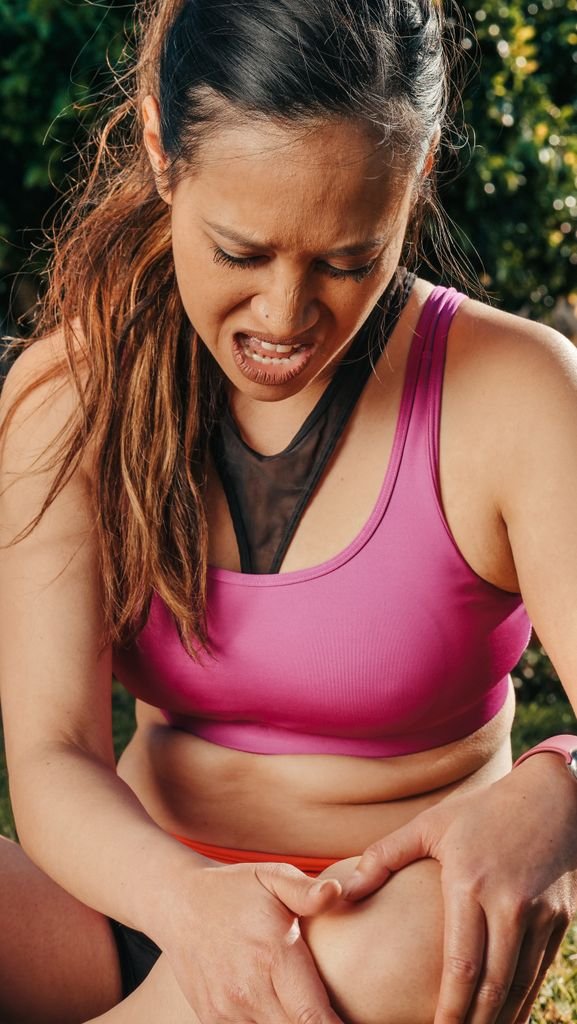
Once the acute pain and swelling have genuinely calmed down, the focus shifts toward rebuilding strength in the muscles that support the outer knee, rather than just waiting for the ligament itself to feel better. Quadriceps and hamstring strength both matter here, since a well-conditioned thigh takes pressure off the ligaments doing the stabilising work.
Hip and glute strength, particularly the muscles that control how your leg tracks during single-leg movement, tends to matter more than people expect, and it’s a piece most generic knee advice skips over entirely. Weakness through the hip can change how load travels through the knee during running and cutting, putting more strain on the outer knee structures than they’d otherwise handle. Exercises like side-lying leg raises, clamshells, and controlled single-leg bridges are typical early additions here, progressing toward standing hip work like banded side steps once single-leg balance feels genuinely solid.
Closed-chain exercises, movements like controlled squats and step-downs where the foot stays planted, are generally a sensible progression once single-leg loading feels stable, alongside balance and proprioception work to rebuild the knee’s sense of its own position. Progressing gradually through this order, isolated hip work, then closed-chain strength, then balance and control under slightly less predictable conditions, tends to build a genuinely more resilient knee than jumping straight to sport-specific drills once the pain itself has settled.
Common Recovery Mistakes That Slow Things Down
Most LCL recovery content stops at “do these exercises” without addressing the mistakes that actually derail people, so here are the ones worth knowing. Returning to cutting, pivoting, or contact sport too early, as soon as the pain has settled rather than once strength and stability have genuinely been rebuilt, is probably the single most common one, and it’s a big part of why LCL issues flare back up after seeming resolved.
Skipping strengthening work entirely and just waiting for pain to go away is another genuine trap, since a ligament that’s healed structurally can still sit inside a knee that hasn’t regained the strength and control it needs to handle sport-specific loading. Ignoring hip and glute weakness, focusing purely on the knee itself, is a related mistake, given how much influence those muscles have over lateral knee loading during movement. Finally, stopping rehab the moment things feel “good enough” rather than completing a full strengthening progression tends to leave the knee genuinely more vulnerable to a repeat injury than finishing the job would. One more mistake worth naming: comparing your own recovery timeline to someone else’s, whether that’s a teammate or something read online, and adjusting your pace to match rather than to how your own knee is actually responding. Recovery genuinely isn’t linear or identical between people, even with similar-sounding injuries, and chasing a borrowed timeline is a common way people end up rushing a stage they weren’t actually ready for.
How Sports Rehab Speeds Up Safe Recovery
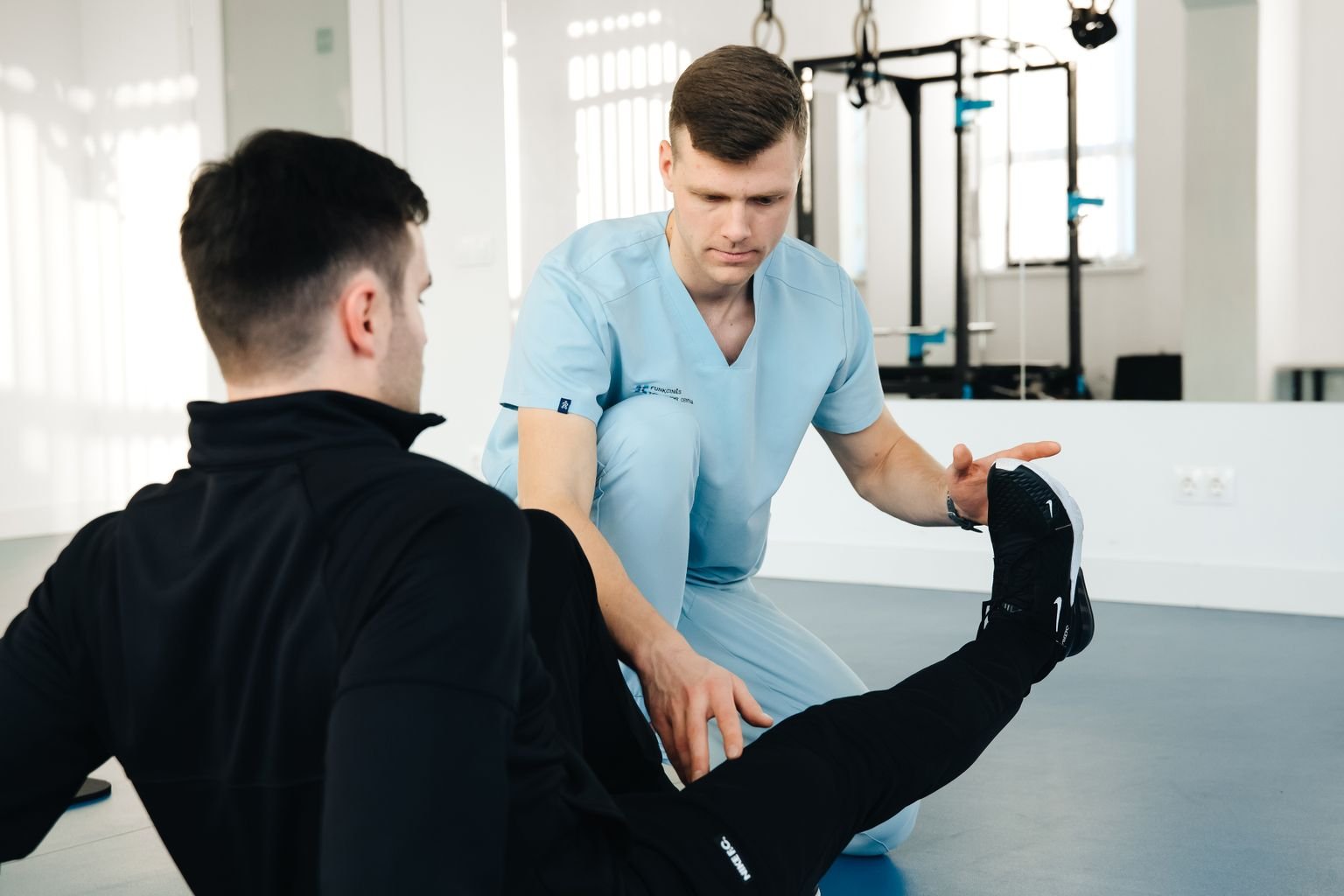
A structured recovery plan tends to get people back to sport more reliably than a self-directed one, largely because it’s genuinely hard to judge your own progression objectively while you’re the one dealing with the pain. At Impact Sports Rehabilitation, a Rehabilitation Consultation builds a staged plan around your specific presentation, confirming what’s actually driving your outer knee pain and progressing your strengthening work at a pace matched to how the knee is genuinely responding.
Rocktape taping is something many clients find genuinely useful for extra support and proprioceptive feedback as loading increases during the strengthening phase, and sports massage can help address the compensatory tightness that builds up through the hip and calf while you’ve been favouring the injured side. Both are used as supportive tools alongside the actual rehab work rather than a substitute for it.
Getting Back To Sport Without Re-Aggravating It
Getting back to full training without re-aggravating the outer knee comes down to a genuinely graded return rather than an all-or-nothing jump back in. Straight-line running and controlled loading tend to be tolerated first, followed by gradually reintroducing directional change at reduced intensity, before working back up to full-speed cutting, pivoting, or contact.
Paying attention to how the knee responds after activity, not just during it, matters here too, since some irritation only shows up hours later once the initial adrenaline and warmth have worn off. A knee that feels fine mid-session but flares up that evening is telling you the current load is still slightly too much, and it’s genuinely worth listening to that rather than pushing through the same volume again the next session.
Sport-specific practice, rather than generic fitness work, tends to be the final stage rather than the first thing to reintroduce, since a knee can handle straight-line running and gym-based strengthening comfortably while still not being ready for the unpredictable, multi-directional demands of a match or a live BJJ roll. Building in a genuinely realistic buffer between “feels fine in a controlled drill” and “back to full unrestricted training” is one of the more overlooked parts of a safe return, and it’s exactly the kind of judgement call a guided rehab programme is built to make with you rather than leaving you to guess alone.
If ongoing LCL pain is stopping you getting back to training the way you want, Impact Sports Rehabilitation works with runners, footballers, and combat-sports and BJJ practitioners across Eccles, Salford, Trafford, and the wider Greater Manchester area on exactly this kind of staged recovery. Ask about an online consultation if you’re further afield.
Frequently Asked Questions
Why does my LCL pain keep coming back even though it felt better?
This usually points toward returning to activity before strength and stability were fully rebuilt, rather than the original injury never actually healing. A staged strengthening progression, rather than stopping rehab once the pain settles, tends to make a genuine difference here.
Is it okay to keep training through mild LCL pain?
It depends heavily on what “mild” actually means for your specific knee, and that’s genuinely hard to judge accurately on your own. Many clients find getting a proper assessment first, rather than guessing, prevents a manageable issue from turning into a longer setback.
How do I know if it’s my LCL or my IT band causing the pain?
Both can cause outer knee pain that feels remarkably similar, and they respond to different recovery approaches, so this is genuinely worth confirming with a clinician rather than guessing from symptoms alone. Getting the actual source right first is what makes the rest of your recovery plan effective.
Should I be doing exercises even though it still hurts a bit?
Some discomfort during appropriate strengthening work is often a normal part of the process, but it should be guided rather than pushed through blindly. In our experience, the right amount of loading, not too little and not too much, is exactly what a proper rehab plan is built to work out.
Will taping actually help my LCL pain or is it just for show?
Many clients find taping genuinely useful for proprioceptive support and confidence while loading increases during the strengthening phase, though it works best alongside proper rehab rather than as a stand-alone fix. It’s a supportive tool, not a substitute for rebuilding the strength that actually protects the knee long term.
How worried should I be if my knee feels unstable during recovery?
A genuine sense of instability, the knee feeling like it might give way, is worth flagging to a clinician rather than continuing to self-manage, since it can suggest the injury needs a closer look. This is different from general knee fatigue after exercise, which is a more expected part of the strengthening process.
This article is provided for general educational purposes by Impact Sports Rehabilitation and does not constitute medical advice, diagnosis, or treatment. Ongoing outer knee pain can have several causes beyond an LCL sprain, and a clinical assessment is recommended if the cause hasn’t been properly confirmed; instability, locking, or numbness should be assessed by a qualified clinician rather than self-managed. Always seek the guidance of a doctor or other qualified health provider with any questions about your specific injury.