Quick answer: A quadriceps strain typically presents as sudden front-thigh pain during explosive movement, often from insufficient warm-up or rapid changes of direction, and generally responds well to early protective management followed by a genuinely staged return to activity. Recovery ranges vary by severity rather than following a single fixed timeline. This is general education, not a diagnosis of your specific injury, and a proper assessment is the right next step for confirmation.
A sudden pull or twinge in the front of your thigh during a sprint, jump, or kick is a genuinely common way a quadriceps strain announces itself. Here’s a clear, honest breakdown of common signs, causes, and general recovery approaches.
Common Signs Of A Quadriceps Strain
Sudden, sharp pain in the front of the thigh during explosive movement, sprinting, jumping, or kicking, is the classic presenting sign, sometimes accompanied by a feeling of the muscle “giving” or a distinct pulling sensation at the moment of injury. Swelling and bruising, appearing over the following day or two, alongside tenderness to touch over the affected area, are also common.
Difficulty fully bending the knee or straightening the leg against resistance without discomfort is another commonly reported sign, reflecting the quadriceps’ role in both these movements, and the affected leg often feels noticeably weaker than the uninjured side in the days following injury. Some people also notice a visible defect or dent in the muscle with more significant tears, though this is a less common presentation than the more general pain and weakness pattern most quadriceps strains involve.
Common Causes, Including Insufficient Warm-Up Or Rapid Direction Changes
Insufficient warm-up is a genuinely common contributor, since tissue that hasn’t been adequately prepared for load tends to tolerate sudden, explosive demand less well than properly warmed muscle. Rapid changes of direction, cutting movements in field sports, or sudden accelerations, place significant, quick demand on the quadriceps and are a frequently cited mechanism.
Muscle fatigue, particularly later in a training session or match when the quadriceps have already done considerable work, genuinely increases strain risk too, since fatigued muscle has reduced capacity to absorb sudden load. Previous quadriceps injuries that haven’t been fully rehabilitated are also a recognised risk factor for a repeat strain. Combat-sports athletes, particularly those doing explosive takedowns, sprawls, or clinch work, and field-sport athletes doing repeated sprinting and kicking, are genuinely more exposed to this specific injury pattern than people doing steadier, less explosive activity, simply given how often their sport demands sudden, forceful quadriceps contraction.
General Early-Stage Management Approaches
Early management commonly follows a rest, ice, compression, and elevation approach to manage initial pain and swelling, alongside protecting the area from further load in the first day or so. Gentle, pain-free movement is generally introduced fairly early rather than prolonged complete rest, since appropriate early movement tends to support better outcomes than strict immobilisation for most muscle strains.
Avoiding aggressive stretching in the very acute phase is worth being aware of, pulling into a stretch on a freshly strained muscle can aggravate things rather than help, even though it can feel intuitively like the right response to tightness. Using crutches or otherwise offloading the leg temporarily is sometimes appropriate for more significant strains, while milder strains often tolerate normal walking reasonably comfortably within the first few days, another reason a proper assessment early on is genuinely useful for confirming what level of protection your specific injury actually needs.
General Recovery Progression, Framed As Ranges Rather Than Fixed Timelines
Recovery generally progresses from early pain and swelling management, through progressive strengthening as tolerated, to eventually more demanding, sport-specific loading before a full return to activity. How long each stage takes genuinely depends on severity, milder strains often progress through these stages over a few weeks, while more significant strains, covered in more detail in grade 2 quad strain recovery time, can take considerably longer.
Rather than fixating on a specific number of days, tracking genuine markers of progress, reducing pain, improving strength, and expanding comfortable range of motion, tends to give a more accurate sense of where you actually stand than counting days alone.
Common Mistakes That Delay Quadriceps Strain Recovery
Returning to explosive activity too soon, before strength and confidence have genuinely caught up, is the most common mistake, often triggering a setback that extends the overall recovery considerably. Skipping the strengthening phase of rehab, assuming the muscle will simply return to normal once pain settles, is another frequent misstep that tends to leave the leg under-prepared for a genuine return to sport.
Inconsistent warm-up habits, going straight into explosive training without adequately preparing the tissue, is a mistake worth naming both for initial injury risk and for re-injury risk once you’ve returned to activity.
What To Expect When You Book An Assessment With Impact Sports Rehab
At Impact Sports Rehabilitation, an assessment for a suspected quadriceps strain confirms severity and builds a genuinely staged recovery plan, working alongside the same principles covered in hamstring rehab exercises for the opposing muscle group, and grade 2 quad strain recovery time for more specific timeline guidance where relevant to your injury.
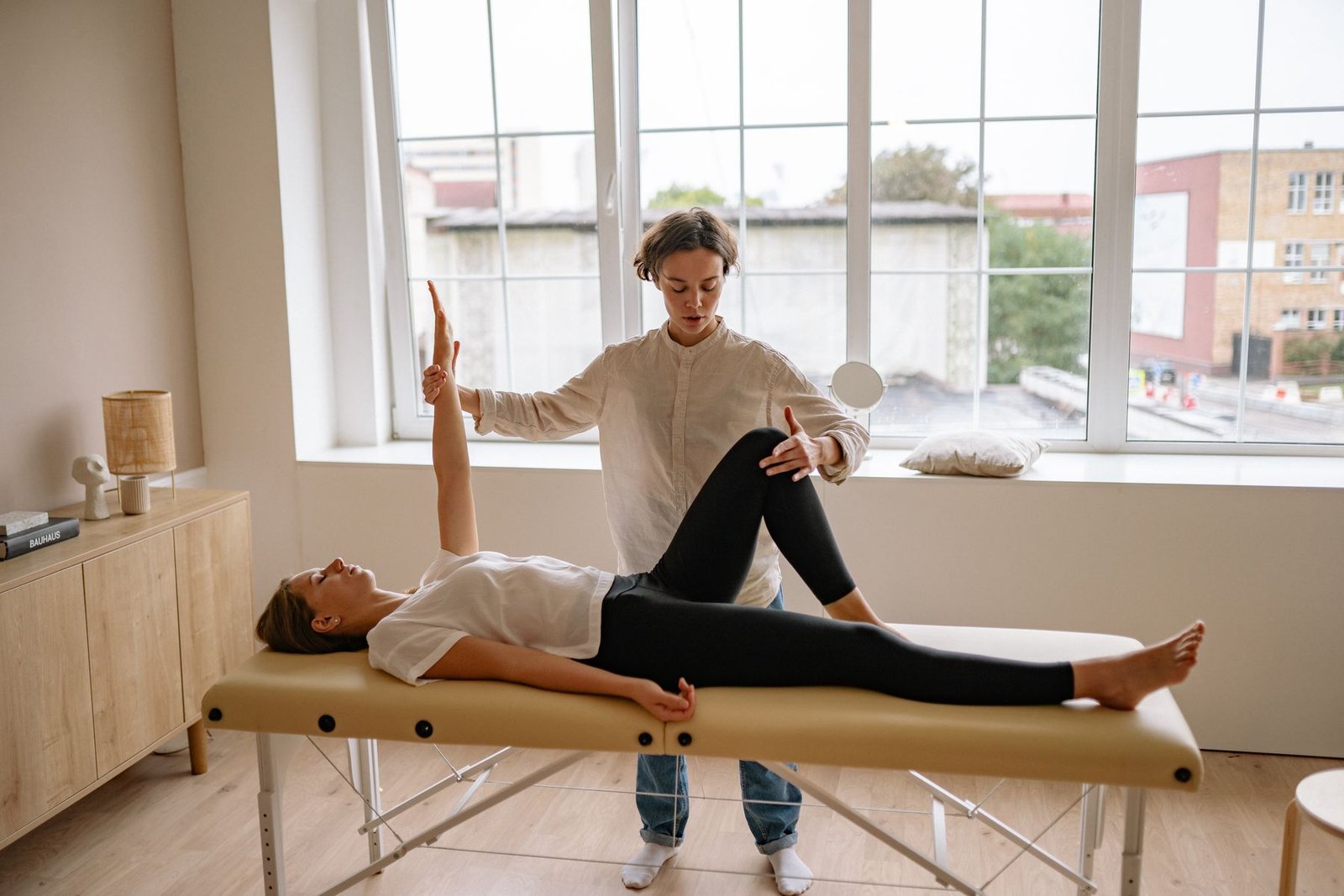
If you’ve strained your quadriceps and want genuinely staged recovery support, Impact Sports Rehabilitation works with clients across Eccles, Trafford, and Salford on thorough assessment and treatment. Ask about an online consultation if you’re further afield.
Frequently Asked Questions
Is this a strain or something more serious?
Most sudden front-thigh pain during activity is a muscular strain, but a proper assessment is the only reliable way to confirm this and rule out anything more significant, particularly if pain is severe or you’re unable to bear weight. We wouldn’t want to diagnose your specific injury without seeing you.
How long does recovery typically take?
This varies considerably by severity, milder strains often settle within a couple of weeks, while more significant strains can take considerably longer, covered in more detail in our grade 2 quad strain recovery time guide. A proper assessment gives a more specific sense based on your particular injury.
When is it safe to return to sport?
This depends on how your specific strain has progressed through rehab, so we wouldn’t want to guess a fixed timeline without an assessment. Returning before strength and confidence have genuinely recovered is a common cause of setbacks, so a staged, guided return tends to work better than rushing.
Should I stretch a strained quad?
Gentle, comfortable movement is generally fine, but aggressive stretching in the acute phase can aggravate an already-strained muscle rather than help. Your practitioner can guide you on appropriate movement for your specific stage of recovery.
Will this happen again once I’m back to sport?
Previous quadriceps strains are a recognised risk factor for a repeat injury, particularly if rehab wasn’t fully completed the first time, so following through on strengthening and warm-up habits genuinely reduces this risk. A proper assessment can also identify any remaining weakness before you return to full training.
This article is provided for general educational purposes by Impact Sports Rehabilitation and does not constitute medical advice, diagnosis, or treatment, and does not diagnose or grade the reader’s specific injury. Always seek the guidance of a qualified physiotherapist, sports therapist, or doctor for individual assessment and diagnosis, and stop and seek professional advice if you experience worsening pain, numbness, or swelling.